Starting October 1, major provisions of the One Big Beautiful Bill Act shift SNAP administrative costs to states (from ~50/50 to a 75/25 split) and narrow Medicaid/CHIP eligibility for many lawfully present immigrants. Analysts estimate nearly $17 billion in additional state costs over five years, with the CBO projecting roughly 90,000 people losing SNAP monthly and about 100,000 losing health coverage by 2034. The law also ties future state benefit shares to error rates and restricts emergency Medicaid matching, increasing fiscal pressure and raising the risk of procedural disenrollments.
‘One Big Beautiful Bill’ Will Shift Nearly $17B To States And Tighten Immigrant Access To SNAP, Medicaid
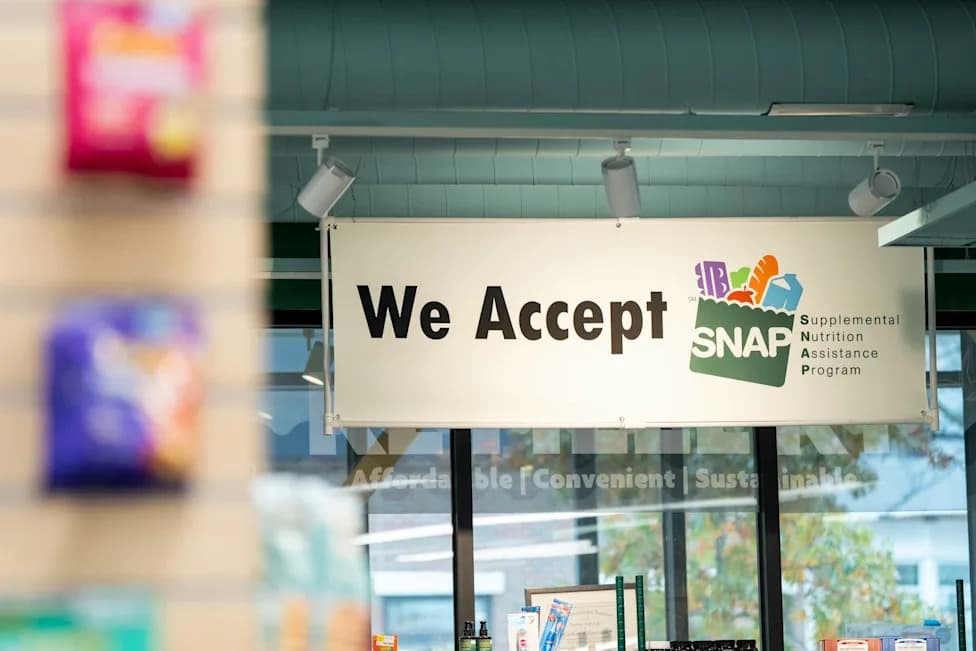
Trump’s “Big, Beautiful” Bill Is About to Screw With States’ Budgets
Beginning October 1, several major provisions of President Donald Trump’s One Big Beautiful Bill Act take effect, forcing states to absorb far greater administrative and benefit costs for SNAP and narrowing Medicaid and CHIP eligibility for many lawfully present immigrants. The changes arrive as states are already adjusting to new work requirements and dealing with falling program enrollment.
What Changes Take Effect Oct. 1?
SNAP Administrative Cost Share: Historically, states and the federal government split SNAP administrative expenses roughly 50/50. Starting October 1, states will be responsible for 75% of those administrative costs while the federal share falls to 25%. Analysts estimate this will push nearly $17 billion onto states over five years.
Medicaid and CHIP Eligibility Limits: The law narrows federal eligibility for Medicaid and CHIP to a limited set of lawfully residing groups — including green card holders, entrants from Cuba and Haiti, people from the Marshall Islands, Micronesia and Palau under the Compacts of Free Association, and certain lawfully residing children and pregnant parents in participating states. Refugees, asylees, humanitarian parolees, survivors of domestic violence, and trafficking victims will no longer qualify for federally funded coverage beginning October 1. The nonpartisan Congressional Budget Office (CBO) projects about 100,000 people could lose health coverage by 2034 as a result.
Costs Tied To Error Rates And Emergency Medicaid
Starting in 2027, states could be required to pay up to 15% of SNAP benefit costs depending on their error rate (the level of overpayments or underpayments in a fiscal year): lower error rates mean smaller state shares. Ironically, reducing error rates typically requires increased investment in staffing, training, systems, and quality control—precisely the areas facing a reduced federal match.
The law also limits federal matching payments for emergency Medicaid, which reimburses hospitals for care provided to people who would otherwise qualify for Medicaid but for their immigration status. As of October 1, much of that financial burden will effectively shift to states that have expanded Medicaid.
Who Will Be Affected—and How
The CBO estimated the prior SNAP immigrant eligibility change would cause an average of 90,000 people to lose monthly SNAP benefits. With the new Medicaid and CHIP restrictions, tens of thousands more face loss of health coverage over time. Enrollment in safety-net programs already fell sharply after the law’s passage: combined Medicaid and CHIP rolls were about 5 million fewer people in May 2026 than in May 2025, and SNAP enrollment fell from roughly 41.6 million in July 2025 to about 36.3 million in June 2026.
Beyond those who are directly cut off by changed eligibility rules, many remain at risk of losing benefits because of the complexity of the new verification process: states must identify potentially affected enrollees, attempt electronic reverification of immigration status, contact those whose status cannot be verified electronically, give enrollees 90 days to submit documents, and provide at least 10 days’ notice before terminating or reducing benefits. States will also need to update eligibility systems, enrollment records, and financial reporting.
“If you want to administer the program well, you should be investing more in administration. Instead, we're seeing the opposite,” said Lauren Bauer of the Brookings Institution.
Many eligible people could nevertheless lose coverage through procedural disenrollments, confusion, missed deadlines, or fear of contact with immigration authorities. Shelby Gonzales of the Center on Budget and Policy Priorities and Drishti Pillai of KFF warn that fear and administrative friction can cause unnecessary coverage disruptions.
State Budgets And Program Stability
State budget offices and surveys indicate policymakers are already worried. The National Association of State Budget Officers reported that states in fiscal year 2027 are bracing for SNAP and Medicaid changes and are operating in a “constrained fiscal environment.” A survey of 39 states found 29% said the impending cost shift could lead them to reduce SNAP eligibility, and 11% said withdrawing or pausing SNAP is a potential risk.
Advocates warn that while nonprofits may be able to temporarily help replace lost nutrition assistance, there is no equivalent alternative to health coverage. Saba Berhane of Global Refuge warns families who lose coverage will likely ration medications, delay care, or rely on emergency services.
Bottom Line
The One Big Beautiful Bill Act’s October changes shift significant administrative and program costs to states while narrowing access for many lawfully present immigrants. The result is increased fiscal pressure on state budgets, heightened risk of procedural disenrollments, and potentially reduced access to food and health care for tens of thousands of people.
Help us improve.