At the U.N. General Assembly, Benjamin Netanyahu rejected allegations that Israel committed genocide in Gaza, calling the claims "the biggest lie of the century," and prompting mass walkouts. His remarks included an attack on New York Mayor Zohran Mamdani and praise for close ties with the United States. The speech came against a backdrop of international legal actions — an ICJ case and an ICC arrest warrant — rising antisemitic incidents in New York, and heavy Palestinian casualties and enormous reconstruction needs in Gaza.
Netanyahu Calls Genocide Allegations "Biggest Lie of the Century" as U.N. Delegates Walk Out

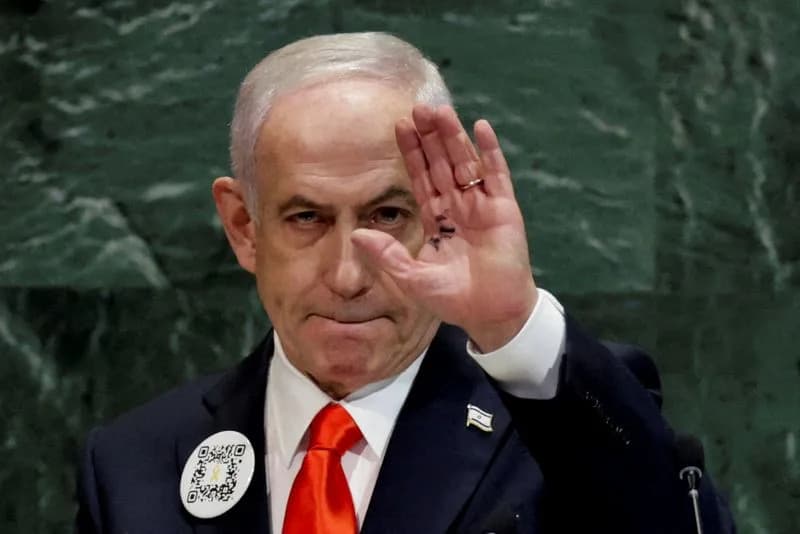
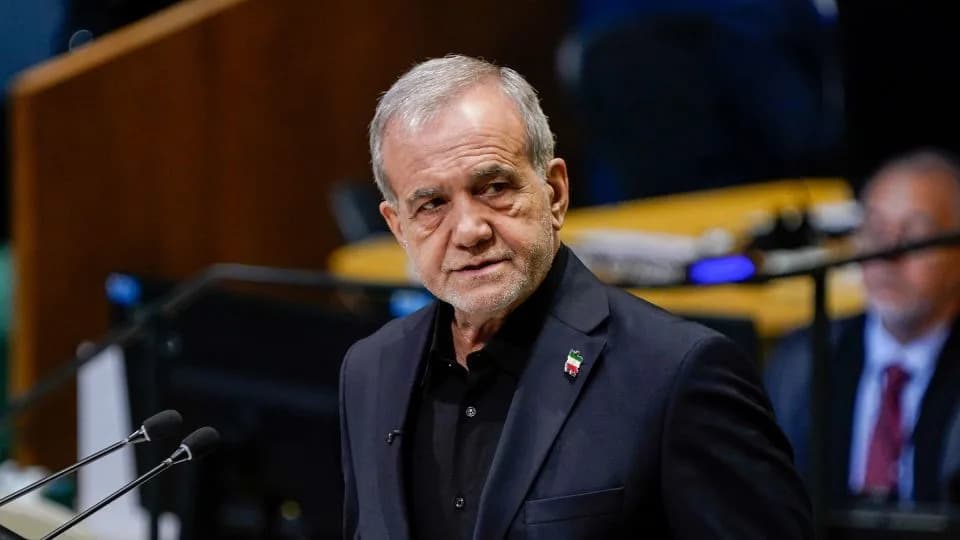
Israeli Prime Minister Benjamin Netanyahu addresses the 81st session of the United Nations General Assembly in New York City on Sept. 24, 2026. —Alexi J. Rosenfeld—Getty Images
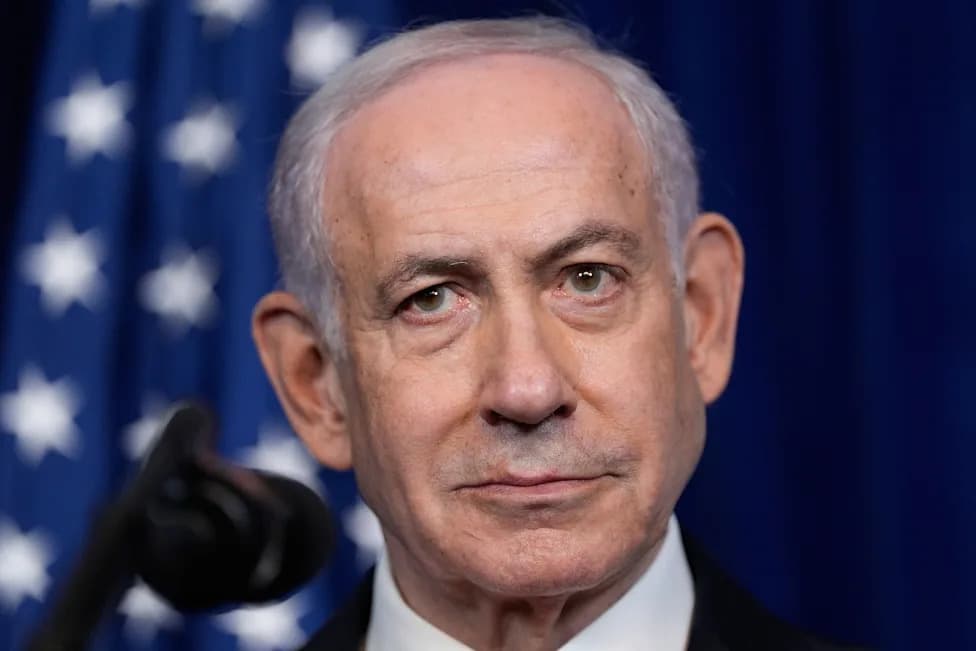
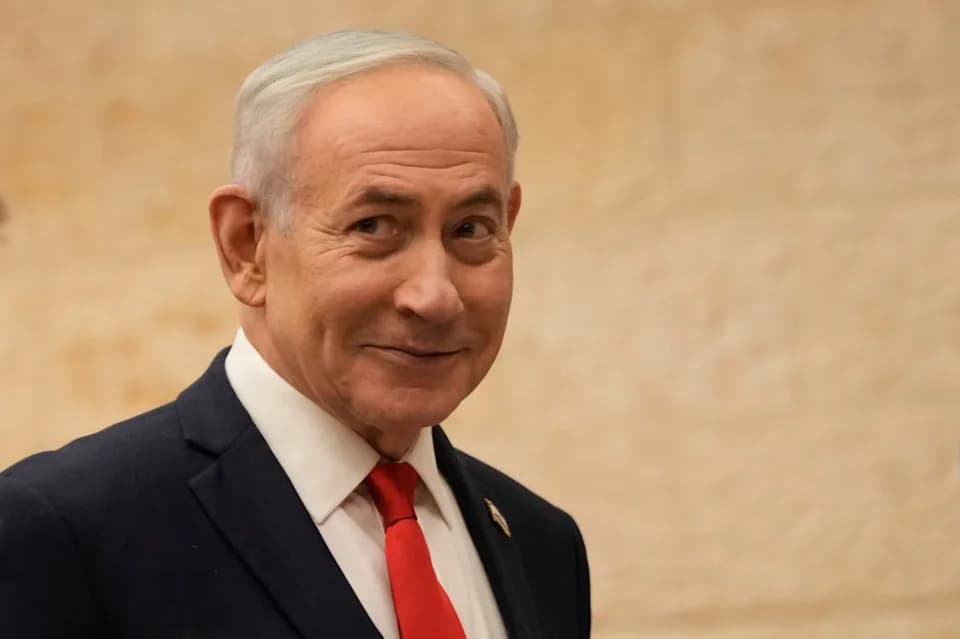
Israeli Prime Minister Benjamin Netanyahu forcefully rejected allegations that Israel committed genocide in Gaza during a combative address to the U.N. General Assembly, prompting scores of delegates to leave the chamber in protest.
Netanyahu told the assembly:
"Here’s the simple truth. Israel didn’t commit genocide. Israel prevented genocide."He defended the Israel Defense Forces (IDF) as "the most moral army in the world," and highlighted Israel’s role in facilitating food deliveries and polio vaccination campaigns in Gaza, saying it had done "everything possible to get them out of harm’s way."
Legal and Investigative Context
Israel faces a high-profile legal challenge after South Africa brought a case to the International Court of Justice (ICJ) alleging genocide. The ICJ has ordered provisional measures under the Genocide Convention, but it has not yet ruled on whether genocide occurred and the case remains pending.
In September 2025, an independent U.N. commission of inquiry concluded that Israel had committed acts amounting to genocide, and the International Association of Genocide Scholars similarly stated that Israel's policies met the legal definition of the crime. Israel has rejected those findings.
Escalating Political Tensions
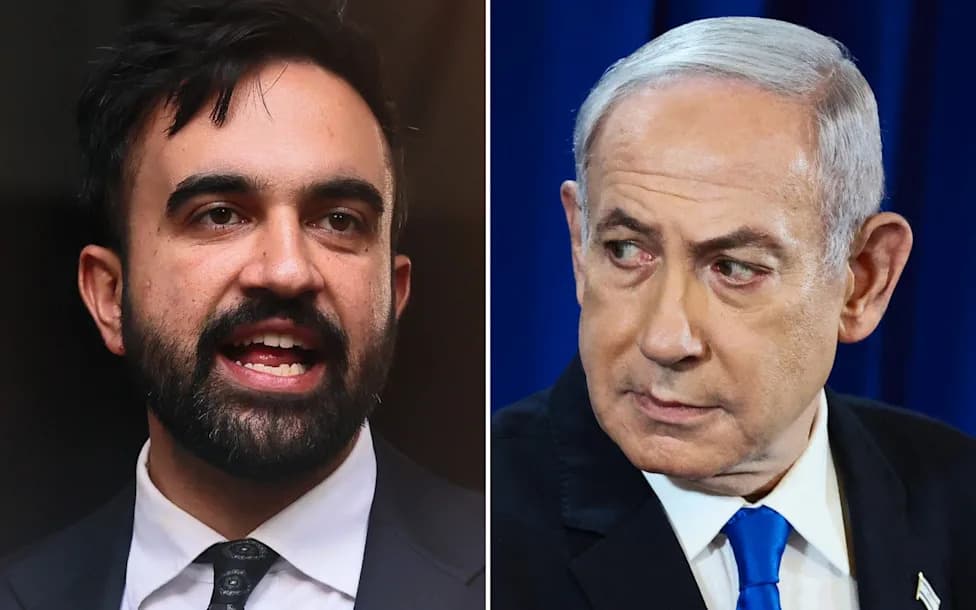
Netanyahu also attacked New York City Mayor Zohran Mamdani, labeling him "the antisemitic mayor of New York" and accusing him of supporting and inciting violence against Jews. Mamdani denied supporting Hamas and responded that Netanyahu sought to "sanitize his genocide of Palestinians," noting that the Israeli leader is also the subject of an International Criminal Court (ICC) arrest warrant alleging war crimes and crimes against humanity.
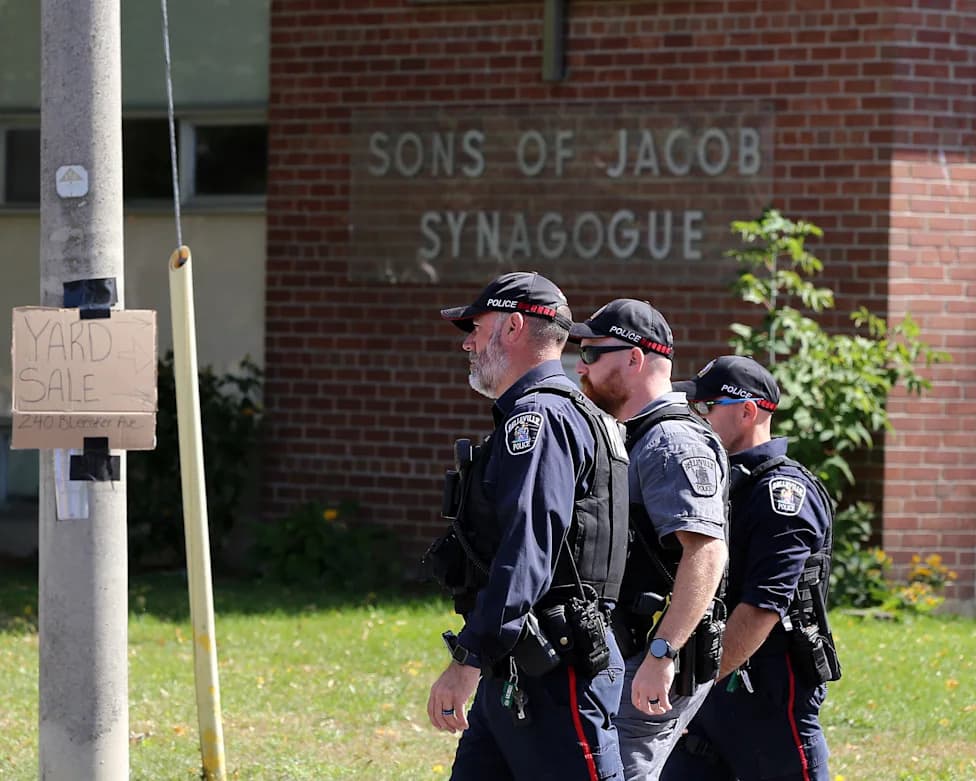
The verbal clash comes amid a spike in reported antisemitic incidents in New York: according to NYPD data, anti-Jewish incidents accounted for 57% of reported hate crimes in 2025. Mamdani has rejected allegations of antisemitism and proposed expanding the city's hate-crime prevention budget and maintaining a Mayor's Office to Combat Antisemitism.
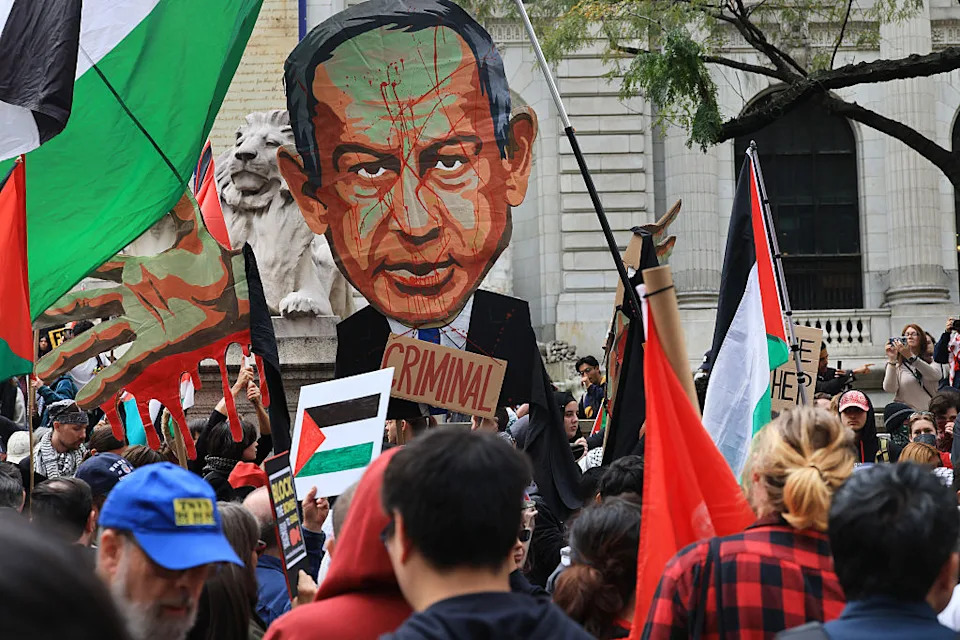
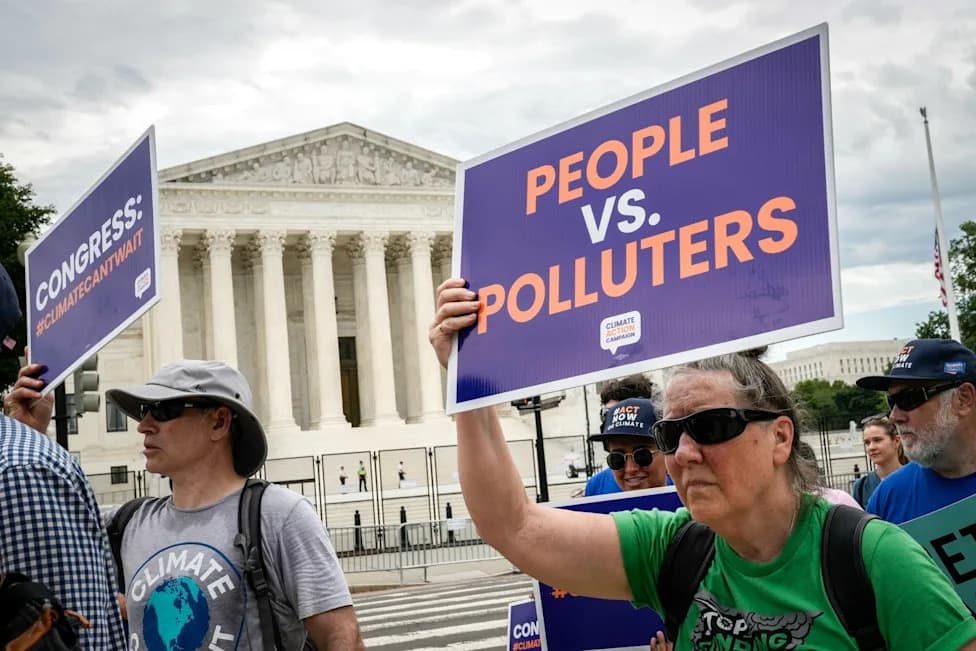
Protesters opposing Israeli Prime Minister Benjamin Netanyahu and the war in Gaza block a street near the United Nations in New York City on Sept. 24, 2026. —Spencer Platt—Getty Images
Regional Accusations and International Reaction
In his address, Netanyahu praised close ties with the United States and criticized regional actors he accused of supporting or enabling hostility toward Israel. He singled out Qatar for financing institutions and media he said promoted anti-Western sentiment, and accused Turkey of spreading "antisemitic lies." Neither country had issued a response to the remarks at the time of reporting.
Outside the U.N., several hundred protesters gathered and chanted slogans such as "stop arming Israel, let Gaza live," demonstrating the strong public emotions surrounding the speech.
Voices From Palestine and Global Leaders
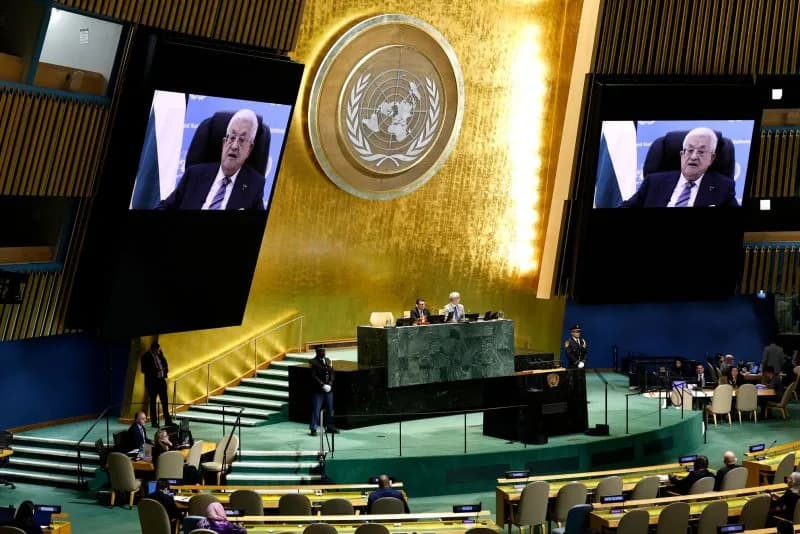
In a prerecorded address shown at the General Assembly, Palestinian Authority President Mahmoud Abbas said the Palestinian people face "one of the most dangerous times of its history," accusing Israel of "ethnic cleansing" and a "genocidal war" that has produced an unprecedented humanitarian catastrophe.
The United States again denied visas to Abbas and other Palestinian officials, citing accusations that the Palestinian Authority "glorifies terrorism," a move Abbas condemned as punitive and unlawful. He urged the U.N. to grant full membership to the State of Palestine and called on the U.S. to lift visa restrictions.
Human Cost and Reconstruction Needs
The Gaza Health Ministry reports more than 73,000 Palestinians killed since Israel launched its campaign after the Oct. 7, 2023 Hamas attacks, which killed roughly 1,200 people in Israel and left about 250 taken hostage. Since the October 2025 ceasefire, the Gaza Health Ministry reports more than 1,400 additional Palestinian deaths. Those figures are widely cited by humanitarian groups but cannot be independently verified; the ministry does not distinguish civilians from combatants. The IDF has suggested that 83% of Palestinian fatalities were civilians.
The U.N. estimated in October that Gaza would require roughly $70 billion to repair infrastructure and recover from two years of conflict. As world leaders spoke at the U.N., many urged renewed international action to address the humanitarian emergency and to press for long-term political solutions.
What Comes Next
The ICJ case, the ICC warrant, differing investigative conclusions, and the persistent humanitarian crisis mean that diplomatic and legal scrutiny of the conflict will continue. The General Assembly stage made clear how polarized international opinion remains, and leaders on all sides are calling for accountability, aid, and political solutions amid ongoing tensions.
Help us improve.