The U.K. has formed the RAF’s Number 3 Space Effects Squadron to defend British satellites and deter hostile activity in orbit. The unit will use advanced tools, including electronic warfare, to disrupt and deny threats while supporting both defensive and offensive operations if necessary. The move follows reported Russian close manoeuvres and alleged jamming incidents; legal experts warn that peacetime interference with foreign satellites raises complex international law issues. The government’s updated Space Strategy pledges £7.8 billion through 2029/30 and highlights space’s role in national resilience.
UK Launches RAF No. 3 'Space Effects' Squadron To Shield Satellites Amid Rising Orbital Threats
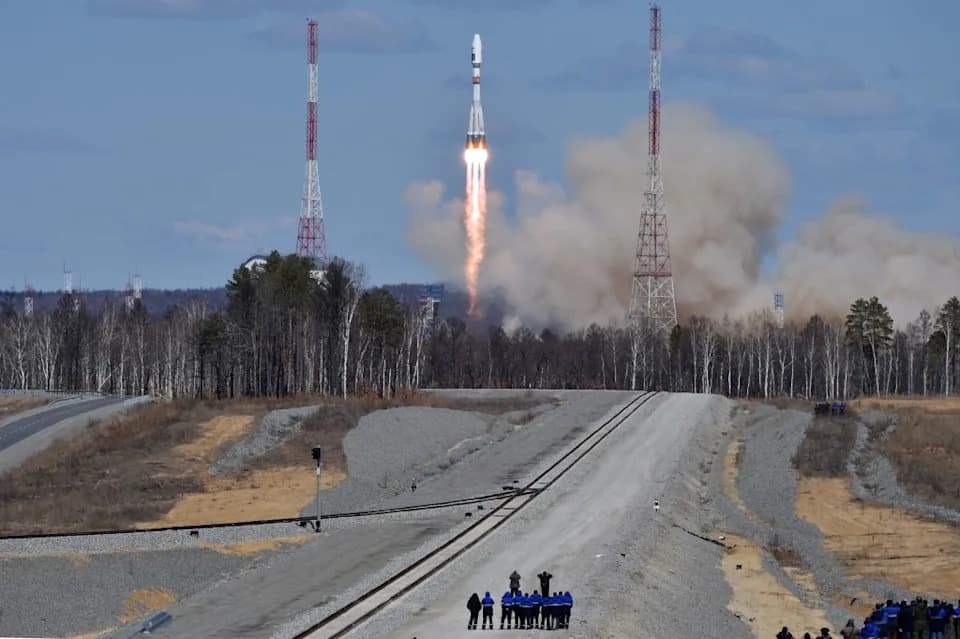
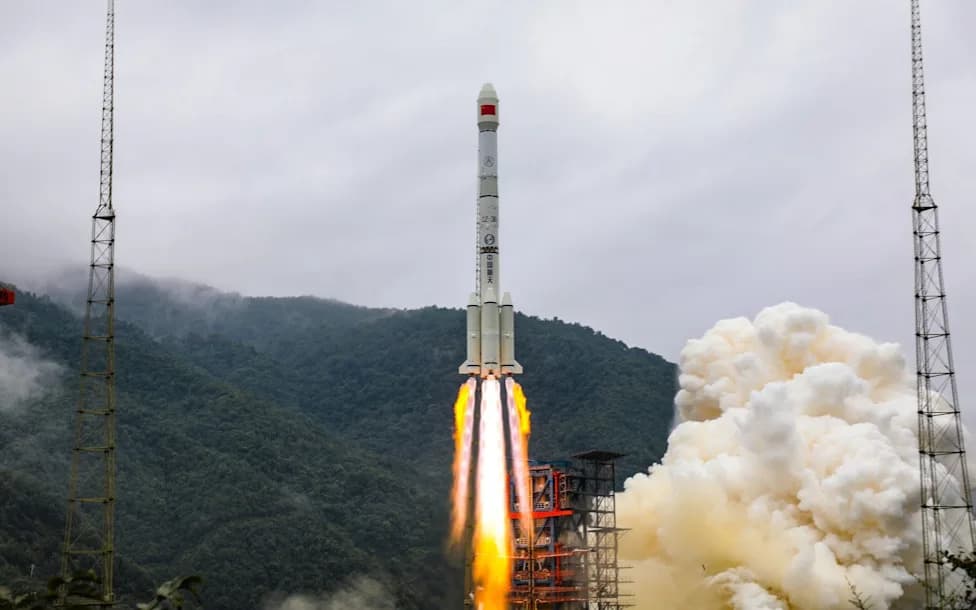
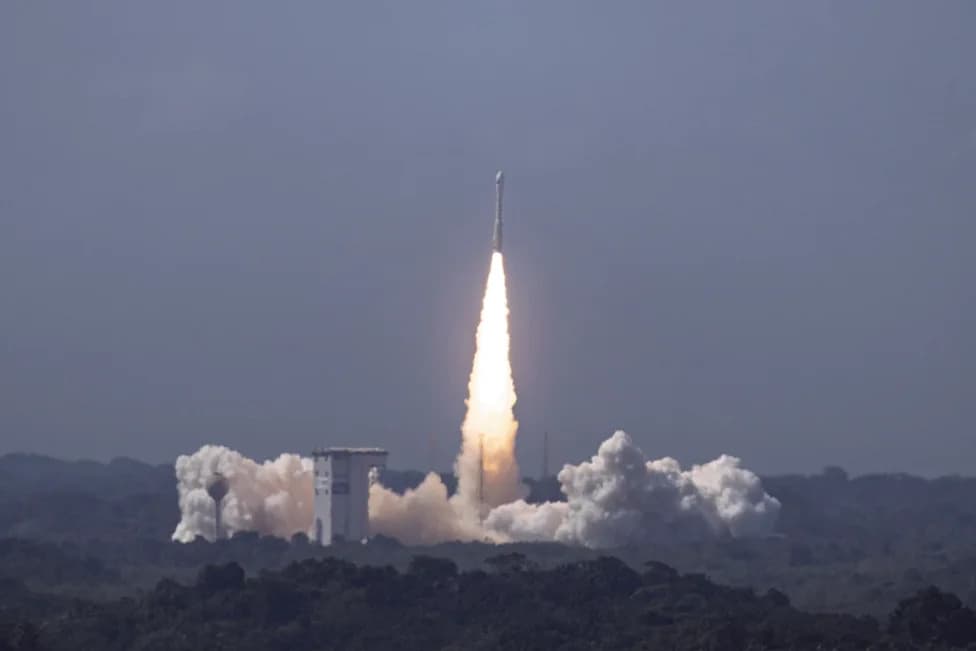
A Russian Soyuz 2.1a rocket carrying Lomonosov, Aist-2D and SamSat-218 satellites lifts off from Vostochny Cosmodrome in the far eastern Amur region of Russia on April 28, 2016.
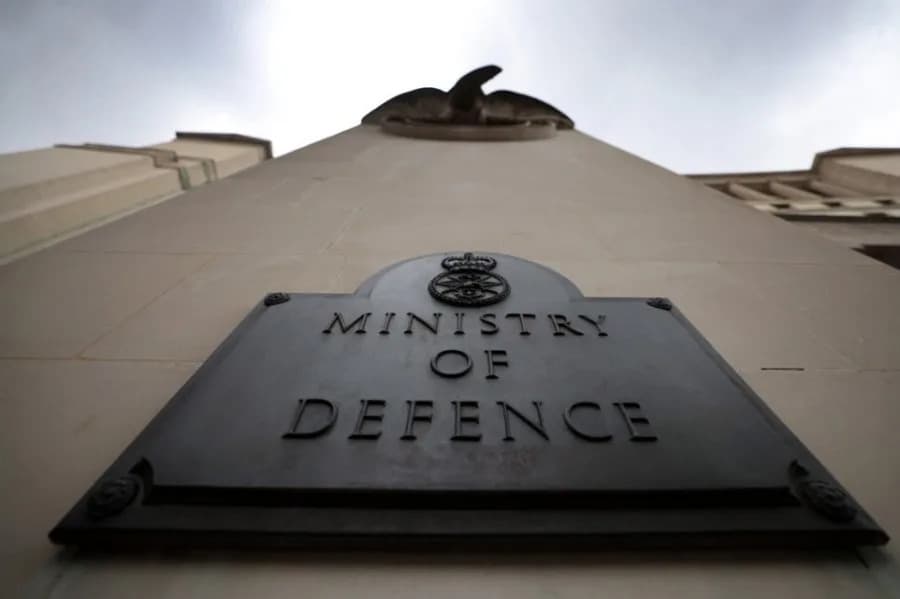
The United Kingdom has stood up the Royal Air Force's Number 3 Space Effects Squadron to respond to growing threats in orbit from Russia and other state actors. The Ministry of Defence says the new unit will protect British satellites, warn of missile threats and provide resilient communications while employing advanced capabilities to disrupt hostile activity.
Purpose and Capabilities
The squadron will complement the RAF's existing No. 1 Space Operations Squadron (which monitors orbital activity) and No. 2 Space Warning Squadron (which issues threat alerts). According to the MoD, No. 3 will focus on disrupting, degrading and denying hostile actions using advanced technologies, including Electronic Warfare (EW), and will support both defensive and, when required, offensive space operations.
“No one wants a war in space. We are positioning to deter this,” said U.K. Air Chief Marshal Sir Harv Smyth at the U.K. Space Power conference, adding that the squadron will deliver precise, integrated effects to safeguard national interests in space.
Context: Rising Tensions and Reported Incidents
U.K. Space Command publicly accused Russia in October of stalking British military satellites, and in June 2025 the U.K. joined 29 other states at the International Telecommunication Union (ITU) Council in condemning Russian jamming and spoofing of satellite signals. The BBC reported that British forces have used a ground‑based capability to jam or block foreign satellites as a defensive measure—an assertion that has raised legal and diplomatic questions.
Air Chief Marshal Smyth has warned of “serious questions about Russia’s intent in space,” noting reported unsafe close manoeuvres by Russian satellites near British assets. The RAF also tracked what it described as dangerous manoeuvres by five Russian satellites near two Finnish commercial satellites in May, and alleged disruptions to GPS signals across Europe and Canada in June. Russia conducted only 17 orbital launches in 2025, the report notes—well below its multi‑decade average of around 26 launches per year.
Legal and Strategic Implications
Legal experts caution that jamming or interfering with foreign satellites in peacetime raises complex issues under international space law. Filippo Marchetti, associate professor of international law and technology at the University of Westminster, told Newsweek that a foreign satellite observing British territory or ships exercises freedoms protected by the 1967 Outer Space Treaty and that interference requires a clear legal justification. “International law, including international space law, does not permit a state to disrupt another state’s satellites simply because that state is an adversary,” Marchetti said.
The updated U.K. Space Strategy, published last week, highlights how space underpins the country’s energy systems, financial markets and national defence. The government estimates satellite services contribute around 18% of the U.K.’s economic activity and has allocated £7.8 billion (about $10.3 billion) through the 2029/30 financial year to grow the sector and strengthen resilience through to 2035.
Global Dimension
Smyth emphasized that Russia is not the only state “not behaving responsibly in space.” The U.S. Space Force’s July update warned that China is fielding sophisticated counterspace capabilities intended to disrupt U.S. space‑enabled systems and gain strategic advantage in the Indo‑Pacific. Earlier this month, the U.S. Secretary of the Air Force, Troy Meink, publicly acknowledged an American on‑orbit capability intended to protect U.S. forces from hostile action, though limited operational details were provided.
What This Means
The creation of No. 3 Space Effects Squadron signals the U.K.’s intent to harden national space resilience and to deter adversary actions in orbit while navigating the legal and diplomatic challenges of operating in an increasingly contested domain. Observers will be watching how the U.K. balances operational needs, alliance coordination and adherence to international law as it deploys new capabilities.
Help us improve.