The US Secretary of the Air Force confirmed that Washington has placed an offensive capability into orbit but did not disclose its function or orbital location. Experts believe the system is likely non-kinetic — for jamming, inspection, or grappling — though kinetic strikes remain dangerous because of long-lasting debris. China has demonstrated manoeuvrable satellites (like Shijian-21) that can refuel, tug or shadow other craft, raising the prospect of "orbital dogfights" and rapid escalation. The spread of large low-Earth constellations shifts incentives toward cyber and electronic measures, but also makes space an increasingly contested military domain.
US Orbital Weapon Sparks Fears Of 'Dogfighting' And A New Space Arms Race
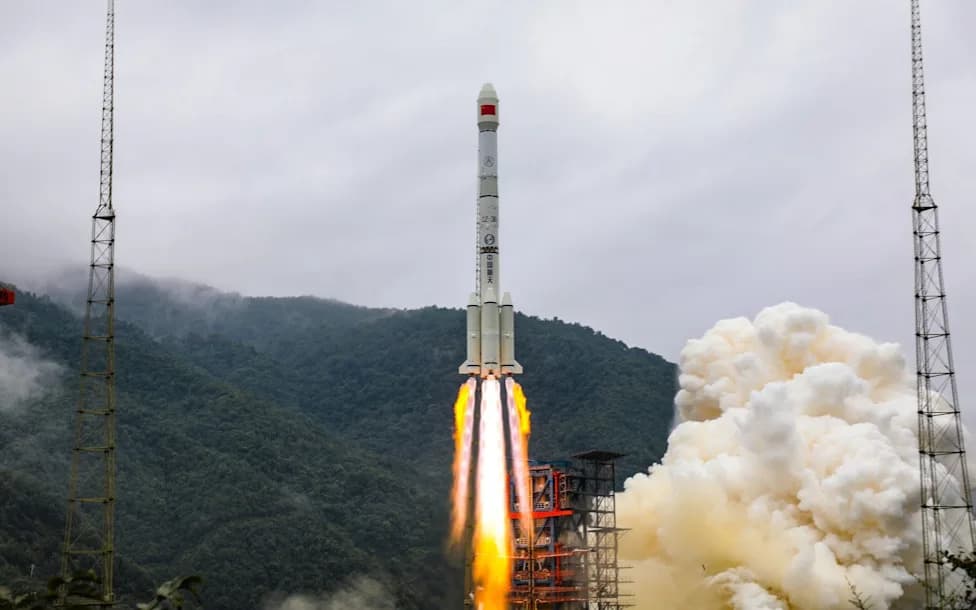
A carrier rocket launches a Shijian-21 satellite, which is able to 'tug' another satellite out of its orbit - Li Jieyi/VCG via Getty Images
Troy Meink, the US Secretary of the Air Force, confirmed this week that Washington has placed an offensive capability into orbit but declined to specify its exact function or which orbital layer it occupies. His announcement, made at the Air, Space and Cyber Conference in Maryland, underscored growing US concern that future conflicts may be fought as much in space as on land.
What Was Announced
Mr Meink said the system is intended to help the United States face “evolving threats” in the darkness above the stratosphere, but he would not say whether it sits in low-Earth orbit (up to ~2,000 km), medium-Earth orbit (up to ~35,786 km), or geostationary orbit (about 35,786 km, matching Earth’s rotation). Beijing responded by warning against an "arms race" and urging the US to stop "preparing for a war in space."
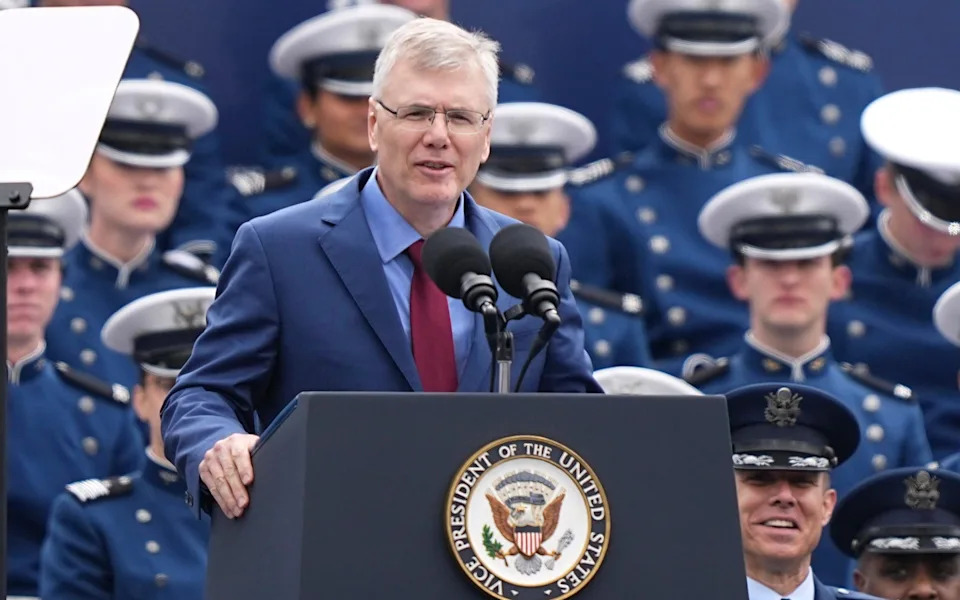
Troy Meink said the American weapon was in response to 'evolving threats' in space - Matt Rourke/AP Photo
Experts Weigh In
Because the administration withheld technical details, analysts have speculated about the system's likely capabilities. "It is very likely non-kinetic," said Dr Mark Hilborne, a senior lecturer in defence studies at King’s College London, referring to systems that do not rely on physical impact. Non-kinetic tools could include electronic warfare to jam or blind another satellite, or robotic systems that inspect, grapple or manipulate an opponent craft.
"Kinetic attacks — striking or colliding with a satellite — risk producing a cascade of high-speed debris that would endanger many other spacecraft," Dr Hilborne said.
Why Kinetic Options Are Risky
Past anti-satellite tests have illustrated the dangers. In 2021, a Russian test generated roughly 1,500 dangerous debris fragments across low-Earth orbit. On the ground, cyberattacks have also disrupted space-enabled operations — for example, hackers disabled Viasat systems used by Ukrainian forces in 2022.

A space park in China. Beijing is increasingly open about its launches and ambitions in space - Reuters/Maxim Shemetov
‘Orbital Dogfights’ And Manoeuvres
The Pentagon is also training for confrontations that occur entirely in orbit. Shortly before Mr Meink’s comments, US Space Command completed the first "Apollo Manoeuvres," a series of live-flight exercises simulating so-called "orbital dogfights" — where satellites move close to, harass or attempt to interfere with one another. Some satellites can reposition, but every manoeuvre consumes scarce onboard fuel, limiting lifetime mobility.
China’s Growing Capabilities
Beijing has displayed a growing ability to operate manoeuvrable satellites. US officials reported that China practised close-proximity operations with low-orbit craft in 2024. The Shijian-21 vehicle, described publicly as a debris-removal satellite, demonstrated refuelling in geostationary orbit and has previously shown the ability to tug other satellites — capabilities with both civilian and military implications.
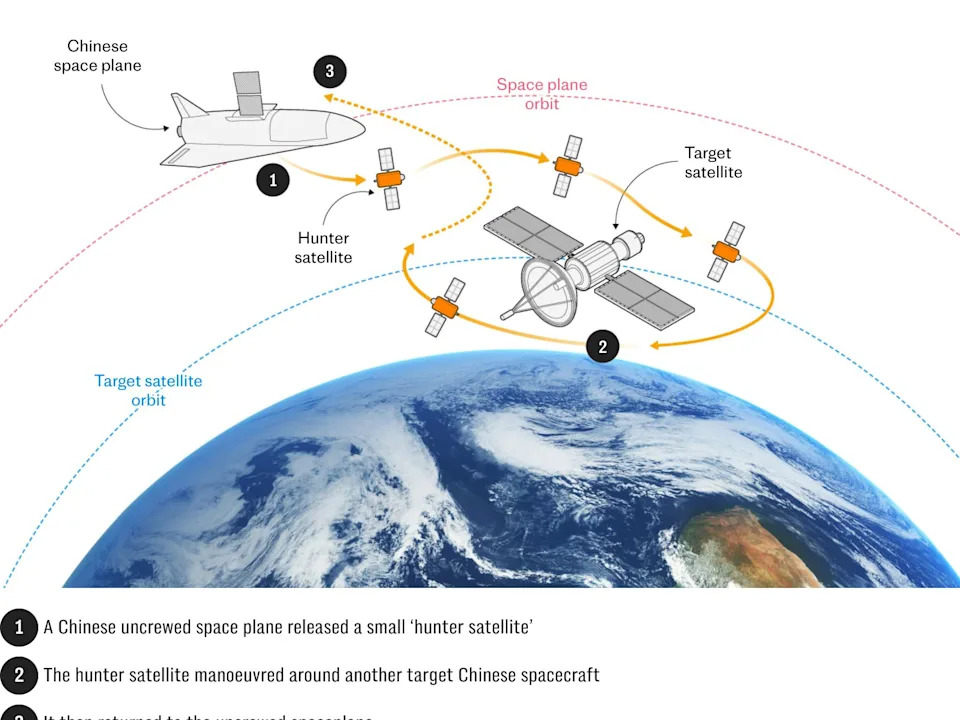
1609 Hunter satellites and orbital dogfighting
Deterrence, Proliferation And The Shape Of Future Conflict
The US has capabilities of its own — for example, the Air Force’s GSSAP "inspector" satellites — but has historically been cautious about public disclosures. Some of the recent messaging may aim to reassure the public and Congress about US preparedness and to deter Moscow and Beijing from escalation.
At the same time, the rapid proliferation of low-Earth constellations (from commercial providers such as Starlink to national programs like Russia's Rassvet and China’s planned networks) reduces the strategic attractiveness of single kinetic strikes. As Nick Eftimiades, a former US defence official, observed: with tens of thousands of satellites in orbit, attacking one or a few craft does little to cripple an opponent’s overall capabilities, pushing rivals toward cyber, electronic and non-kinetic means of contestation.
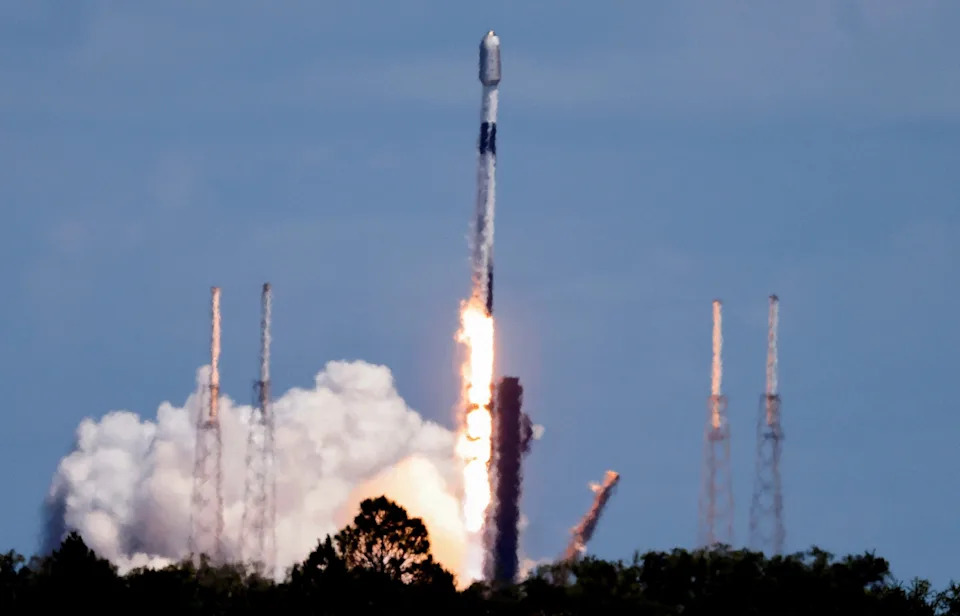
The US has put the most satellites in space which makes it the 'most vulnerable' - Joe Skipper/Reuters
Legal Framework And Risks
The 1967 Outer Space Treaty bans nuclear weapons in orbit but does not prohibit all military activities or tests in space. Experts warn that placing offensive systems in orbit could "cross a line" politically and may prompt Russia and China to respond in kind, increasing the risk of escalation and more aggressive manoeuvres in orbit.
Bottom line: The US announcement highlights how space has become a contested military domain. Whether through non-kinetic jamming, grappling or more aggressive manoeuvres, great-power competition in orbit raises new risks for satellites that underpin modern military and civilian life.
Help us improve.