The White House has pressed DHS to speed a review of voter rolls from at least 47 states to identify possible noncitizen registrants ahead of the midterms. DHS has redeployed hundreds of officers and used purchased Accurint data to enrich redacted state lists, producing concerns about false positives and mistaken matches. Officials say 1,620 cases are under investigation, but states and experts caution the evidence of widespread noncitizen voting is weak and that errors could harm lawful voters.
White House Presses DHS to Fast-Track Review of 47 State Voter Rolls, Raising False-Positive Concerns

FILE PHOTO: A North Carolina Election Integrity Team sign in Spanish warning non-citizens not to vote and that doing so could lead to deportation, a notice that advocacy groups say could intimidate legitimate voters who speak Spanish, ahead of the U.S. presidential election, is displayed near an early voting site in Durham, North Carolina, U.S. October 25, 2024. REUTERS/Jonathan Drake/File Photo
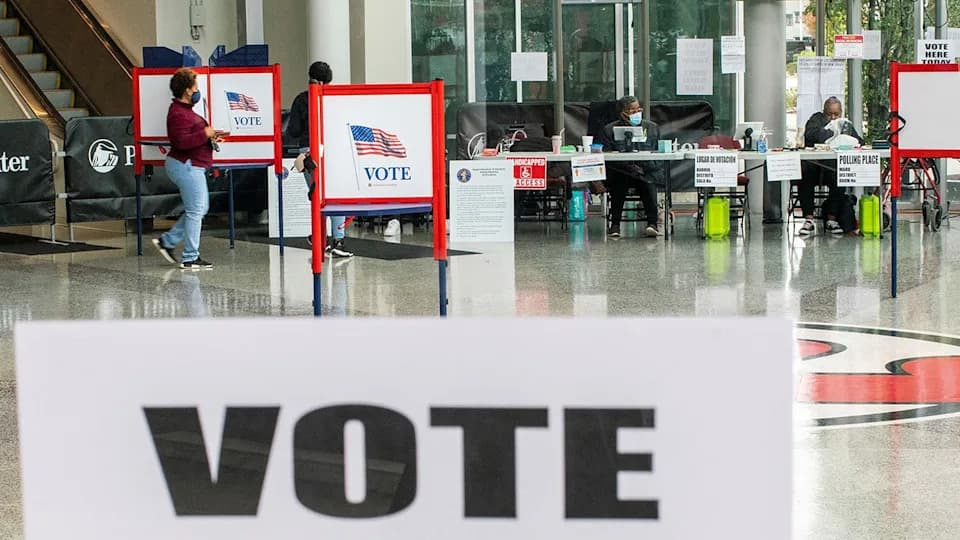
The White House has urged federal agencies to accelerate a review of voter rolls from at least 47 states obtained by the Department of Homeland Security (DHS), according to an internal Sept. 1 email reviewed by Reuters. The push—part of an "Unlawful Voter Initiative"—has redeployed hundreds of immigration and security officers to search for possible noncitizen registrants ahead of midterm elections.
How the Review Is Being Conducted
DHS officials used publicly available state rolls, many of which were redacted to remove sensitive fields such as driver’s license and Social Security numbers. To fill those gaps, the agency "enriched" the redacted lists with purchased data from Accurint, a commercial data broker owned by LexisNexis, which declined to comment. Investigators then cross-checked the augmented voter files against government databases including Immigration and Customs Enforcement (ICE), U.S. Citizenship and Immigration Services (USCIS), the State Department and the Social Security Administration.
Scale, Staffing and Targets
According to officials, DHS has 1,620 active cases under investigation. Hundreds of USCIS fraud-detection and national security officers were reassigned for at least three weeks starting in August and were reportedly asked to vet several names per hour—a target sources say was seldom met. Homeland Security Investigations teams at ICE were also asked to surge resources to determine whether any identified noncitizens could be charged with illegal voting.
Risks of False Positives and Real-World Consequences
Officials and outside experts warn that enriching incomplete public records with commercial data increases the risk of false positives—citizens mistakenly identified as noncitizens because of similar names, missing birth years, or data-entry problems. The Sept. 1 email acknowledged DHS had only "some degree of confidence" that flagged individuals were noncitizens who had "registered to vote and/or voted." Legal experts note that being flagged in government systems can trigger travel scrutiny, delays, and complications for those applying for immigration benefits or naturalization.
State Pushback and Evidence
Several states have pushed back or declined to fully cooperate with the administration's requests for unredacted voter rolls. Nevada, for example, was told in July by DHS that nearly 16,000 potential noncitizens appeared on its rolls; the state says DHS later verified only 185 of those cases and refused to provide additional documentation requested to corroborate the initial figure.
Context and Past Findings
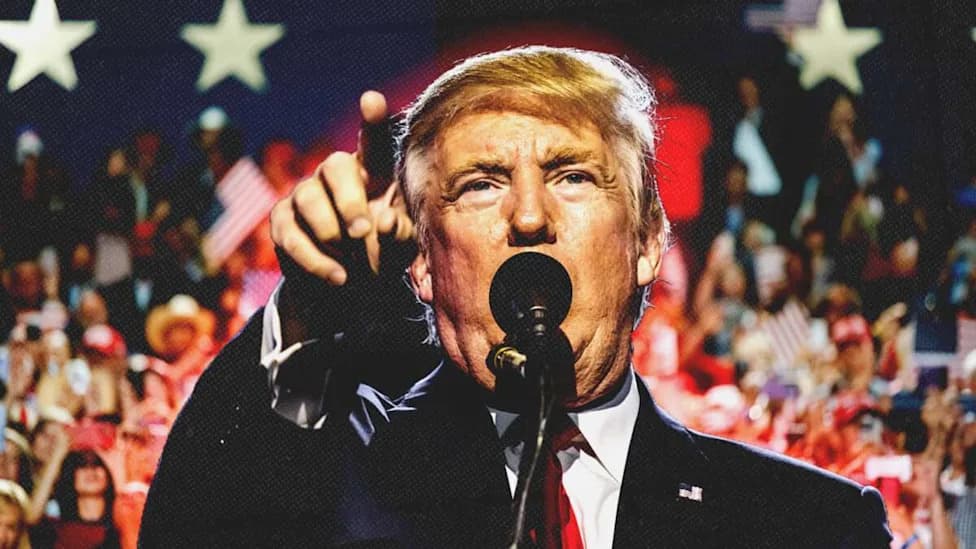
The initiative follows repeated claims by President Donald Trump that noncitizen voting is widespread—claims that have generally not been substantiated. Reuters reporting has found that software errors and clerical mistakes may have added more than 30,000 noncitizens to state rolls since 2000, though it is unclear how many of those individuals voted. A separate Reuters review noted just 129 prosecutions under the "Voting by Aliens" statute since 1996; the administration has brought roughly 20 additional charges in recent months.
DHS Statement: DHS said its investigative work is "conducted diligently and professionally in accordance with the law" and called it "an essential guarantee in the authenticity of our election results."
This review highlights tensions between federal election-integrity efforts and state control over election administration, and it raises questions about data quality, resource diversion, and risks to lawful voters flagged by automated or imperfect matches.
Help us improve.