Europe has announced a €20bn package to develop a crew capsule, Moon lander and a crewed mission, aiming to compete with the US private sector. China is advancing fast after landing on the Moon’s far side and is planning a manned lunar mission. The UK’s new £7.8bn strategy is modest by comparison, but Britain can still carve out a competitive role by specialising in components, maintenance and high-value services backed by targeted government support.
Britain Risks Being Sidelined in the New Space Race — But a Practical Niche Remains

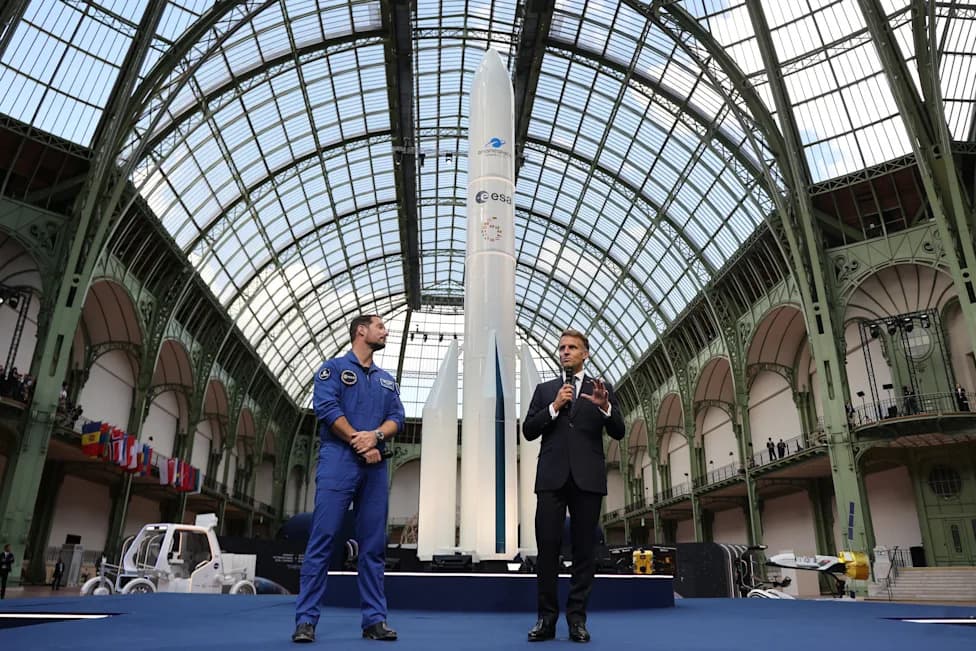
Ursula von der Leyen (centre left) and Emmanuel Macron (centre right) pose for a group photo at the International Space Summit in Paris, where they laid out an ambitious plan - Aurelien Morissard/EPA/Shutterstock
It was a polished, high-profile gathering in Paris where European leaders set out an ambitious push to build a competitive European space industry.
At an international summit last week, France’s president Emmanuel Macron and European Commission president Ursula von der Leyen announced roughly €20bn (£17bn) of funding and a programme that includes a European crew capsule, a Moon lander and a goal of a manned European mission within the next decade. The move is clearly intended to challenge the rapidly growing US private sector led by companies such as SpaceX and Blue Origin.
Three Blocs Take Shape
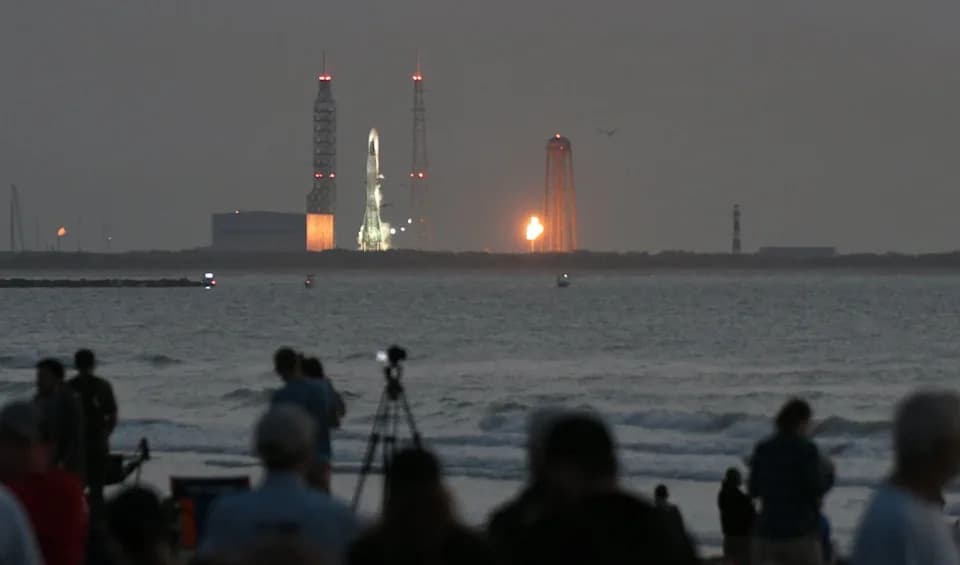
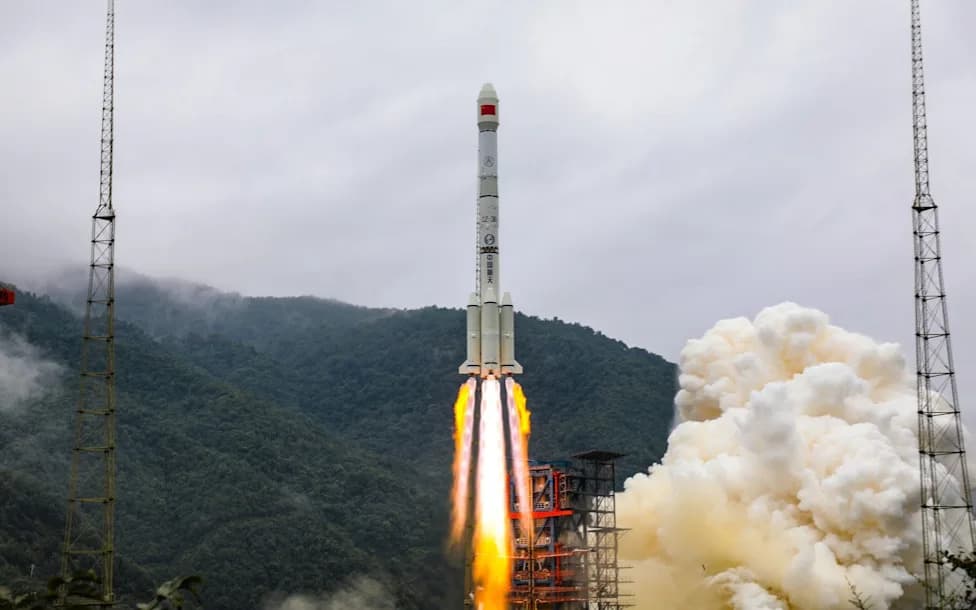
What is unmistakable is that a new space contest is forming: the United States remains the dominant commercial and military power in space, China is investing heavily and making high-profile gains (including a landing on the Moon’s far side and plans for a manned lunar mission this decade), and Europe is mobilising to catch up with a sovereign industrial push.
Where the UK Stands
By contrast, the United Kingdom’s new national space strategy—published as the Paris summit convened—looks modest. The UK’s headline commitment of £7.8bn is small beside both the announced European package and the scale of private US investment: SpaceX is valued at roughly $2tn (£1.5tn). The global space economy, meanwhile, is estimated at about $600bn today and is forecast to exceed $1tn before the decade ends.
The UK does have credentials: a history of independent rocket and satellite launches in the 1960s and 1970s, world-class university research, and successful technology spin-offs. But recent setbacks—most visibly the failed attempt to launch an orbital vehicle from Cornwall in 2023 and the sale of OneWeb to Eutelsat—underscore how difficult it is to compete at scale.
A Realistic Path Forward
Space capability is increasingly strategic and linked to national security, so governments will not leave everything to market forces. For the UK, competing head-to-head with the deep-pocketed US and an assertive China is unlikely to be realistic. That said, exclusion from the expanding market is avoidable.
Instead of bidding to build whole launch systems, satellite constellations or national crewed programmes, UK policy should prioritise narrow, high-value roles where British firms and universities already excel. Practical focuses include:
- Precision components and subsystems for satellites and launchers
- Maintenance, in-orbit servicing and refurbishment expertise
- Specialist consultancy, software, and data analytics for space operations
- Research and development supported by targeted grants and tax incentives
- Co-investment programmes to scale a handful of export-ready companies
With disciplined industrial policy—tax breaks, grants to university labs, export support and selective co-funding—British companies can win supplier and subcontractor opportunities from US and European programmes and pick up business created by China’s and the US’s big investments.
Conclusion
The headline European plan in Paris makes plain that a fresh space contest is under way. The UK’s budget is smaller, but that does not mean the country must be left out. By specialising in parts, services and high-skill support, and by creating the right incentives for innovation and export, Britain can secure a pragmatic and profitable niche in the growing global space economy.
Help us improve.