The UK government has launched a refreshed Space Strategy backed by £7.8 billion through 2030 to drive reindustrialisation and expand capabilities in communications, science and defence. Major allocations include contributions to ESA's Vigil mission, £880 million for space‑based ISR and £2.8 billion for LEO connectivity and SKYNET. The plan also funds regional projects such as SaxaVord Spaceport and rail upgrades and has received support from industry groups and senior ministers.
UK Unveils £7.8bn Space Strategy to Boost Communications, Science and Defence

Credit: Getty Images
The UK government has published a refreshed UK Space Strategy that aims to drive industrial renewal and expand national capabilities in communications, science and defence with a £7.8 billion package of funding through to 2030.
Replacing the 2021 National Space Strategy, the new plan brings together satellite programmes, space science projects and defence initiatives while highlighting benefits for everyday life — from improved rural connectivity to rail resilience — and longer-term ambitions such as orbital manufacturing and enhanced space‑weather forecasting.
Where the Money Goes
The central £7.8 billion fund is allocated across civil, commercial and defence priorities. Headline commitments include:
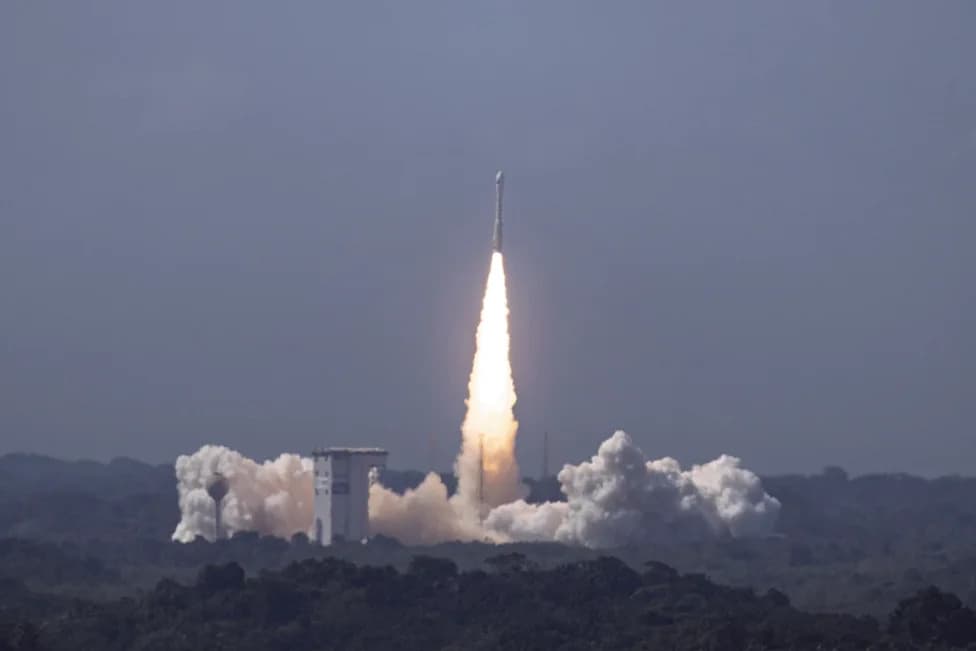
- £149 million as the UK contribution to the European Space Agency's Vigil mission (space situational awareness);
- £880 million to strengthen space‑based intelligence, surveillance and reconnaissance (ISR) capabilities to monitor threats and protect assets in orbit;
- £2.8 billion targeted at improving Low Earth Orbit (LEO) connectivity and supporting SKYNET defence communications;
- £163 million for space science and exploration missions, with projects such as the Rosalind Franklin Mars rover cited as examples;
- Smaller, targeted investments including £57 million for rail connectivity improvements and £30 million to develop the SaxaVord Spaceport in Shetland.
The government says the package is intended to help grow the UK space sector beyond its current estimated value of £18.6 billion and to support regional jobs and supply chains as part of a broader reindustrialisation agenda.
Industry And Political Backing
Industry groups and scientific organisations welcomed the plan. Representatives from UKspace, the ADS Group, the Space Academic Network and the Met Office signalled their support, as did Joanne Wheeler MBE, director of the Earth & Space Sustainability Initiative.
Jonathan Reynolds, Secretary of State for Business, Innovation, Science and Trade, said: "As space becomes a new frontier of economic and military competition, this plan will help keep Britain secure by strengthening our ability to launch satellites, detect threats and protect the services people rely on every day."
Defence Secretary Wes Streeting added: "As threats in orbit grow more sophisticated, so must our ability to detect and respond to them, ensuring we protect the interests of the UK and allies while fueling economic growth along the way."
Streeting also linked the strategy to the wider Defence Investment Plan, which includes a commitment to raise defence spending to 2.7% of GDP by 2029 as part of a longer‑term trajectory toward NATO targets.
What To Watch Next
Delivery will be the critical test: observers will look for clear timelines, procurement transparency and measures to ensure that investments translate into new jobs, stronger supply chains and demonstrable improvements in resilience and security. If successful, the strategy could accelerate the UK’s role in European and global space activity while strengthening domestic industrial capability.
Help us improve.