As autumn arrives, Kyiv residents are preparing for a potentially harsh winter amid renewed Russian strikes on energy infrastructure. Authorities report 4.8 GW of generation capacity repaired and aim to restore or add more than 10 GW this year; last winter peak demand reached about 18 GW while available capacity fell to roughly 11 GW. Nightly air-raid alerts and daytime attacks are disrupting schools, hospitals and daily life, prompting families to seek contingency plans.
As Attacks Intensify, Kyiv Girds For A Harsh Winter

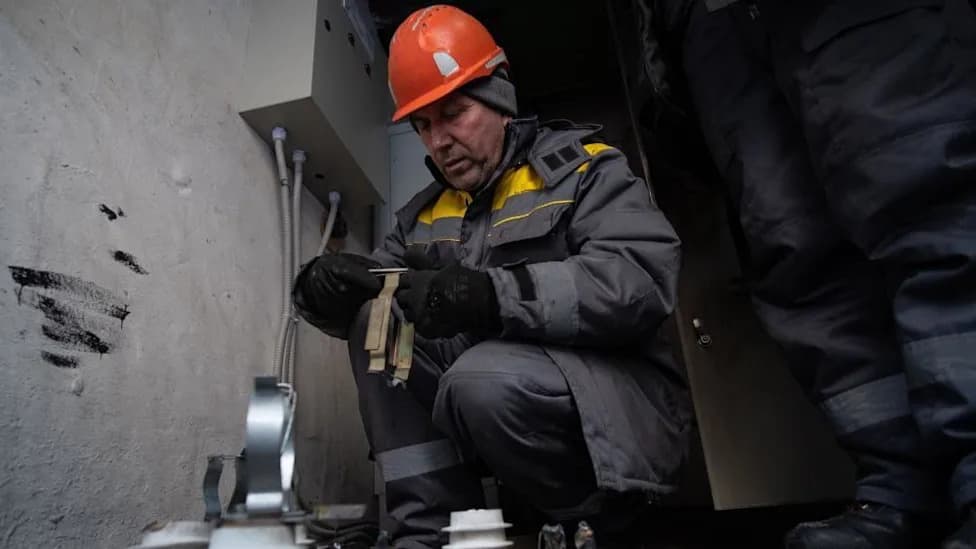
Repeated Russian strikes on energy infrastructure hit Ukraine's ability to keep the lights and heating on last winter (Anatolii STEPANOV)
The first chill of autumn has only just reached Kyiv, but conversations among residents have already turned to winter preparations — especially in case renewed Russian strikes once again cripple the city’s energy network.
Last Winter's Shadow
The memory of last winter looms large: Kyiv was plunged into darkness and endured bitter cold for weeks after Russian forces struck power and heating infrastructure, with temperatures falling to around -20°C. That experience is shaping how families, community groups and authorities are preparing for the months ahead.
Community Response
Families — and especially parents — are urgently weighing their options, said Oleksandra Matveieva, who runs a Facebook group for mothers. The Travel Mama Club, which began as a travel community and became a wartime advice forum, has seen a surge in posts about finding accommodation in relatively safer areas of western Ukraine or abroad.
"Now it seems Russians have started bombing Kyiv heavily," Matveieva said.
"Immediately, people, mostly mothers, started writing: 'we're ready to leave anywhere, as long as it's not too far and expensive'."
Many residents are looking for a Plan B: booking refundable apartments, scouting safer locations and preparing the practical kit — generators, portable batteries and hot-water bottles — they relied on last winter.
Rising Attacks And Disruption
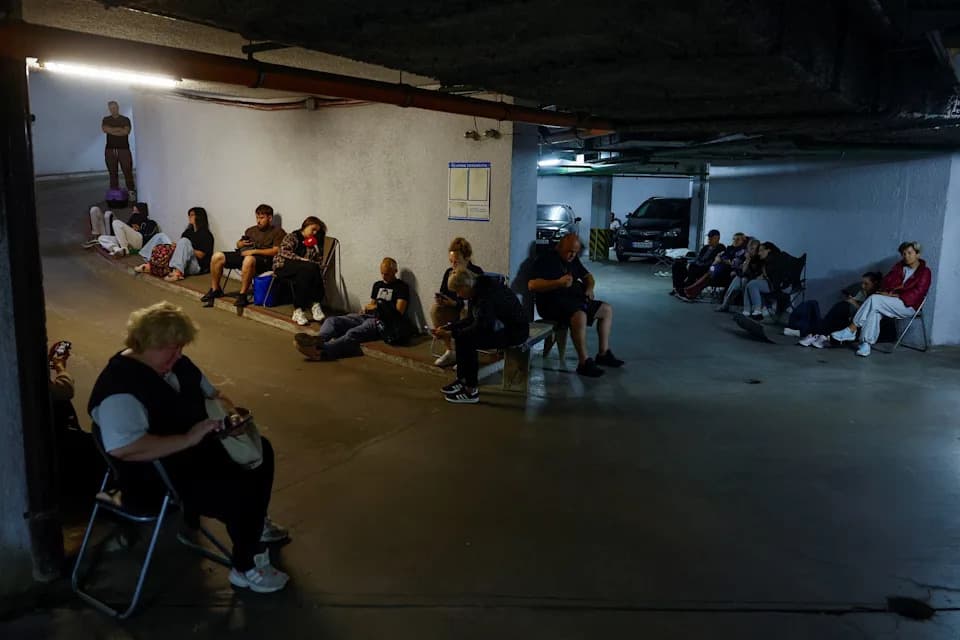
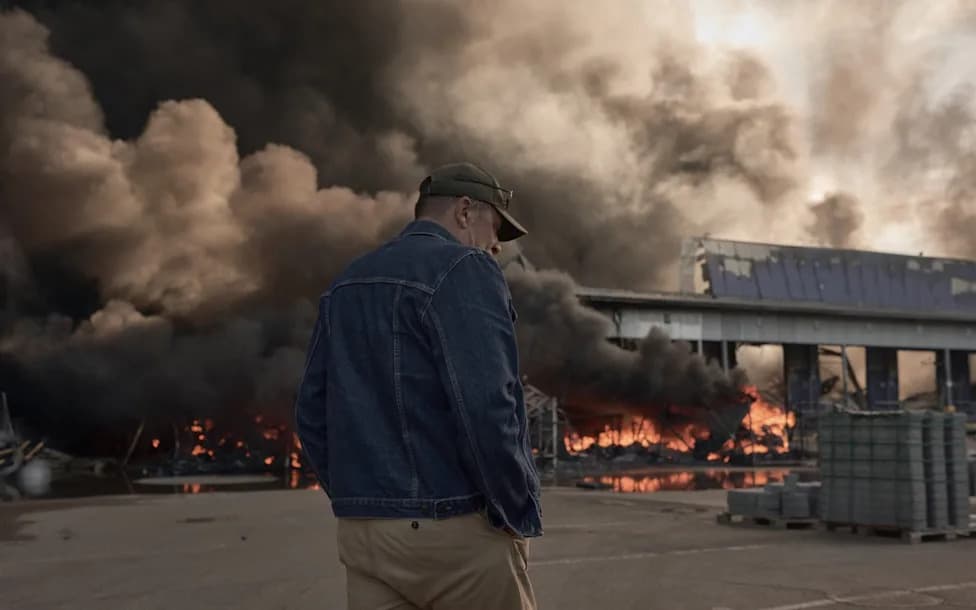
Over the past month, Russia has intensified strikes on Kyiv. Air-raid alerts warning residents to seek shelter because of incoming drones and missiles have become nightly — and increasingly daily — occurrences. Where attacks once tended to come during hours of darkness, Moscow increasingly strikes in daylight, disrupting schools, hospitals and everyday life.
Energy Capacity And Official Preparations
Ukrainian authorities and energy companies have accelerated efforts to shore up the battered power system. The energy ministry says 4.8 gigawatts (GW) of generation capacity have already been repaired and officials aim to restore or add more than 10 GW this year.
By comparison, the International Energy Agency estimated Ukraine had about 38 GW of dispatchable power generation capacity before Russia's full-scale invasion in February 2022. Last winter, peak demand reached roughly 18 GW while available capacity fell to about 11 GW after repeated attacks.
Kyiv mayor Vitali Klitschko said the city had completed roughly 80% of its winter preparations, though he has faced criticism for not presenting a more detailed public strategy. Naftogaz CEO Sergiy Fedorenko acknowledged the strikes were "stronger, broader, more dangerous," but said the company had prepared between heating seasons and expected to withstand the coming months.
Broader Risks And Outlook
UN investigators note that strikes on infrastructure by both sides have left civilians increasingly vulnerable as winter approaches. Ukraine's energy minister, Denys Shmyhal, warned that water supplies could also be at risk if infrastructure is targeted.
Despite preparations, many residents remain uncertain. Some hope for milder weather; others, like Matveieva, say they will leave if temperatures fall as low as they did last year.
"If it's cold again, as critically cold as it was last year, I will leave," Matveieva said. "I'll take her and get her out of here."
Help us improve.