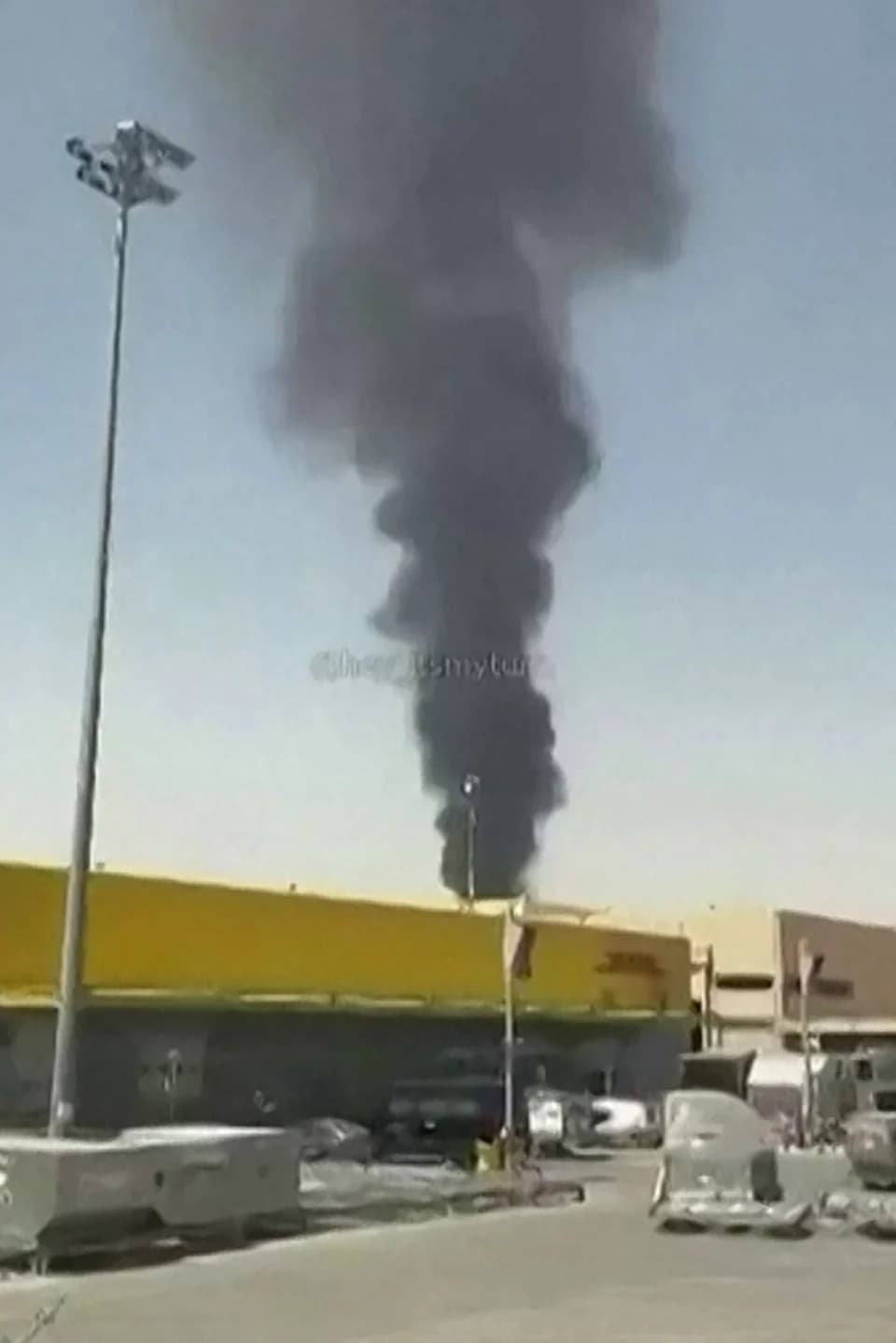
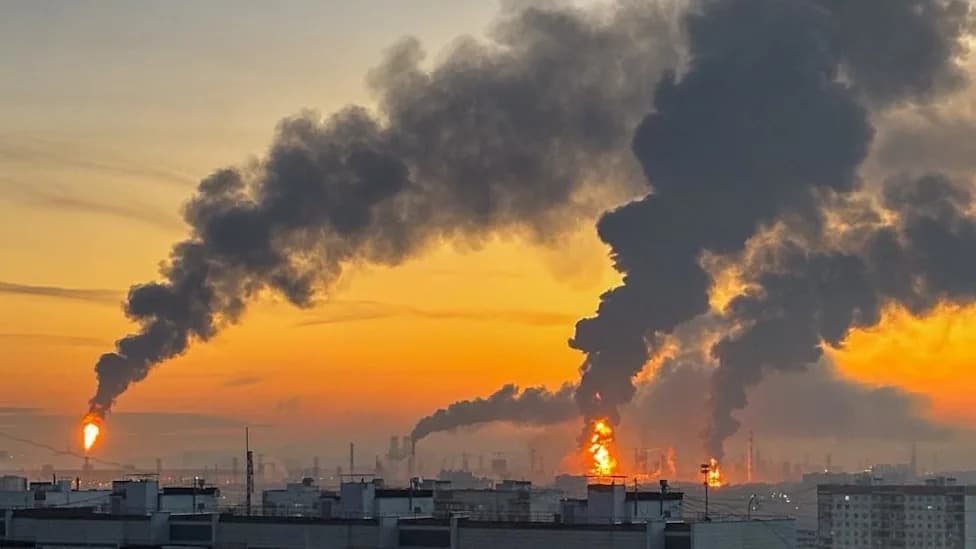
The UK is updating its long-neglected "war book" and urging citizens to prepare as military leaders warn of an unusually dangerous security environment. Modern threats — cyber-attacks and infrastructure sabotage — make asymmetric conflict likelier than conventional invasion. Countries nearer Russia, notably Finland and Sweden, have bolstered reserves, conscription and civic training; their models bind society closely to national defence. Britain now faces difficult choices about higher defence spending, possible mobilisation and the public debate needed to win democratic consent.
War May Be Coming: Is Britain Psychologically Prepared?

[BBC]
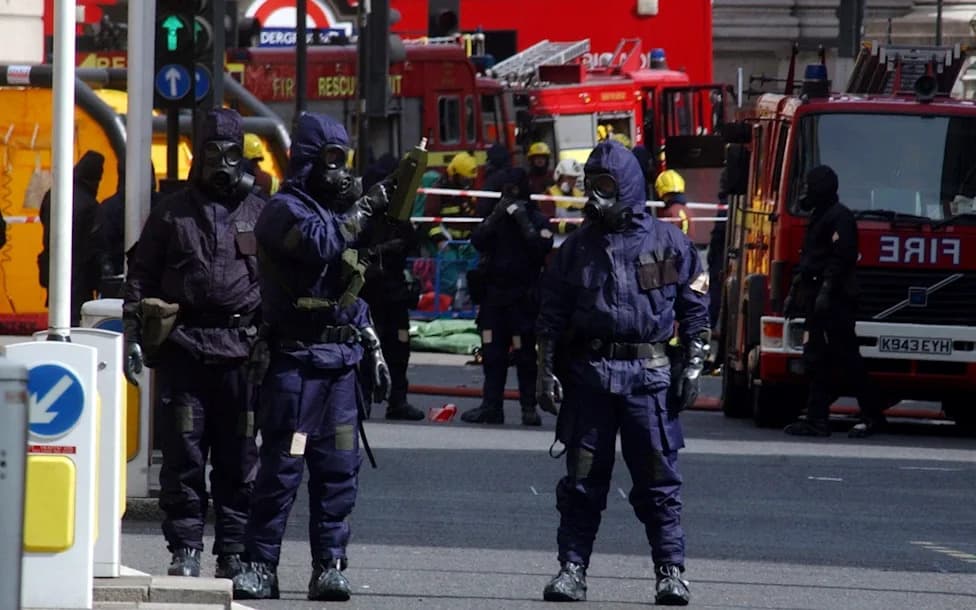
The UK government has begun updating a decades-old "war book" and is urging citizens to prepare for major disruption — stockpiling tinned food and water and strengthening civic resilience — as senior military leaders warn the security environment is the most dangerous in decades.
What The Threat Actually Looks Like
Unlike 1940, the likelihood of armoured divisions rolling into central London is remote. Experts say modern conflict is more likely to be asymmetric: cyber-attacks, sabotage of critical infrastructure, and disruption of undersea cables and supply chains could cause widespread chaos without a single traditional battlefield engagement.
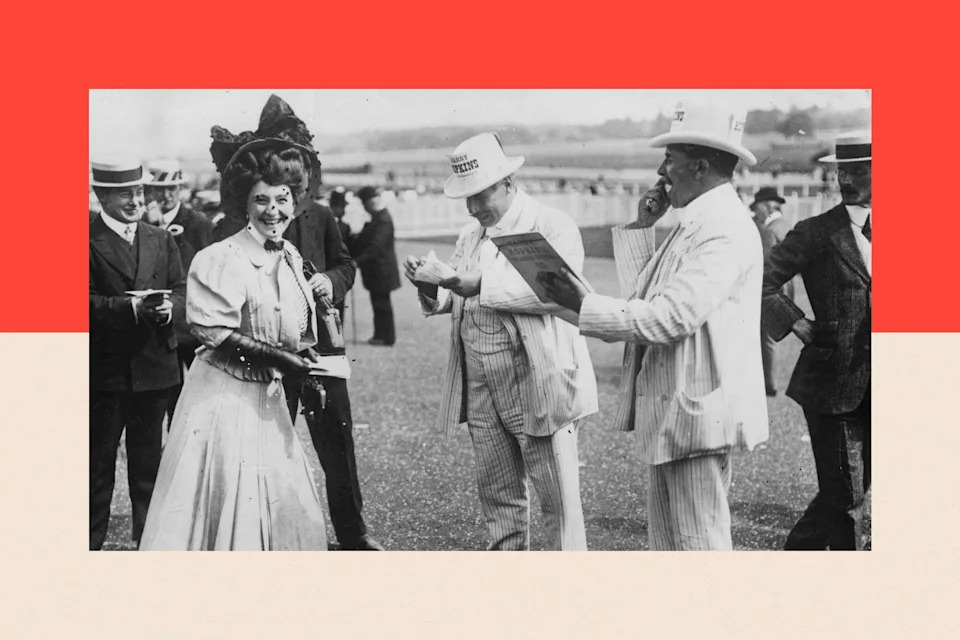
The summer before World War One has come to symbolise a lack of readiness for war [Getty Images]
"It's not the tanks you need to worry about," says historian Margaret MacMillan. "It's the cutting of cables on the ocean floor. It's the hacking into systems on which so many things depend."
Are We Psychologically Ready?
After more than 80 years without war on UK soil, many Britons assume peace is normal and permanent. That assumption — what some experts call a "crisis of disbelief" — can leave societies poorly prepared to accept the political, economic and personal sacrifices wartime demands.
Psychologist Jim Orford describes preparedness as a staged process: first psychological readiness, then public contemplation of conflict, and finally engagement. He suggests the UK is in the "contemplating" phase, a condition that makes honest public debate about trade-offs vital.
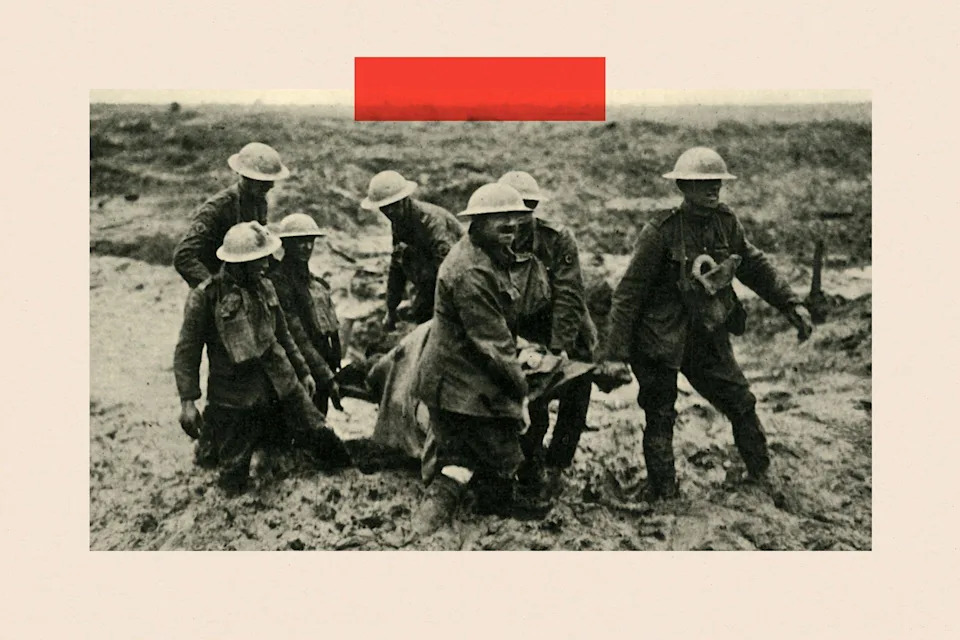
The horrors of the war touched every part of society [Heritage Images via Getty Images]
Lessons From Europe: Sweden, Finland And The Baltics
Readiness varies across Europe. Nations closer to Russia tend to be more alert. Sweden — long neutral — rapidly reversed course after Russia's 2022 invasion of Ukraine, reintroducing partial conscription and mobilising reserves while mapping civilian skills that could be used in crises.
The Baltic states, having regained independence after Soviet rule, keep high vigilance and host allied troops by invitation as a deterrent.
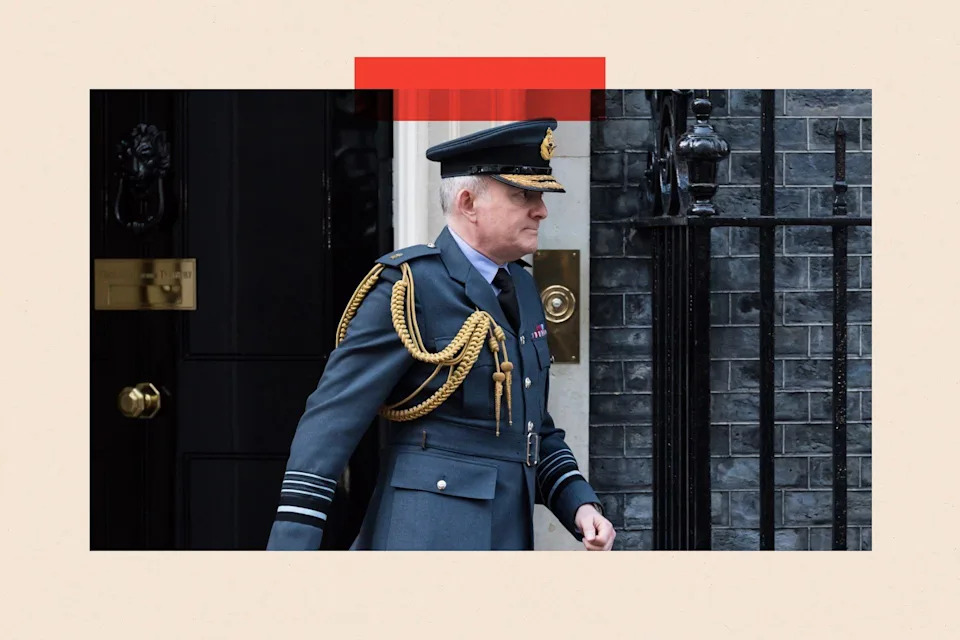
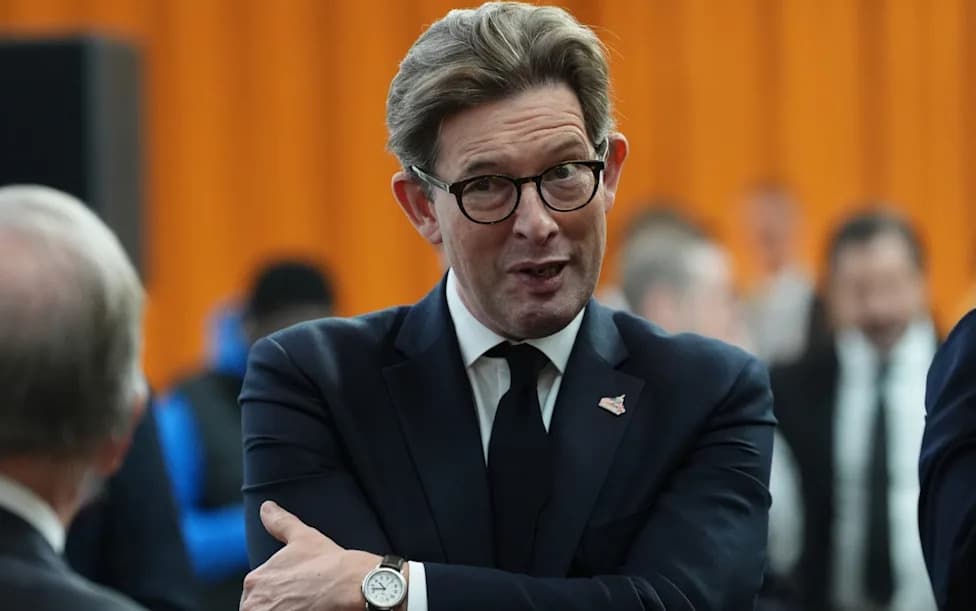
Richard Knighton says this moment is freighted with danger [Future Publishing via Getty Images]
Finland is perhaps the most cited model for mass civic preparedness. Rooted in historical experience — notably the Winter War of 1939-40 — Finland maintains universal male conscription (with many women volunteering), an extensive trained reserve, annual crisis training for civic leaders, and close integration between civilian and military planning.
"If conscription is done well, it ties every single family into national security thinking," says retired General Arto Raty. In Finland, hospitals, water utilities and other public services have explicit crisis plans and the armed forces and police rank among the nation's most trusted institutions.
Numbers And Spending
Comparing forces underscores different approaches: Finland (population 5.5m) fields a professional defence of roughly 23,000 and a trained reserve approaching 1 million, able to mobilise about 280,000 quickly. The UK has roughly 70,000 professional service personnel from a population of 66m. In 2025 Finland spent 2.5% of GDP on defence versus the UK's 2.3%.
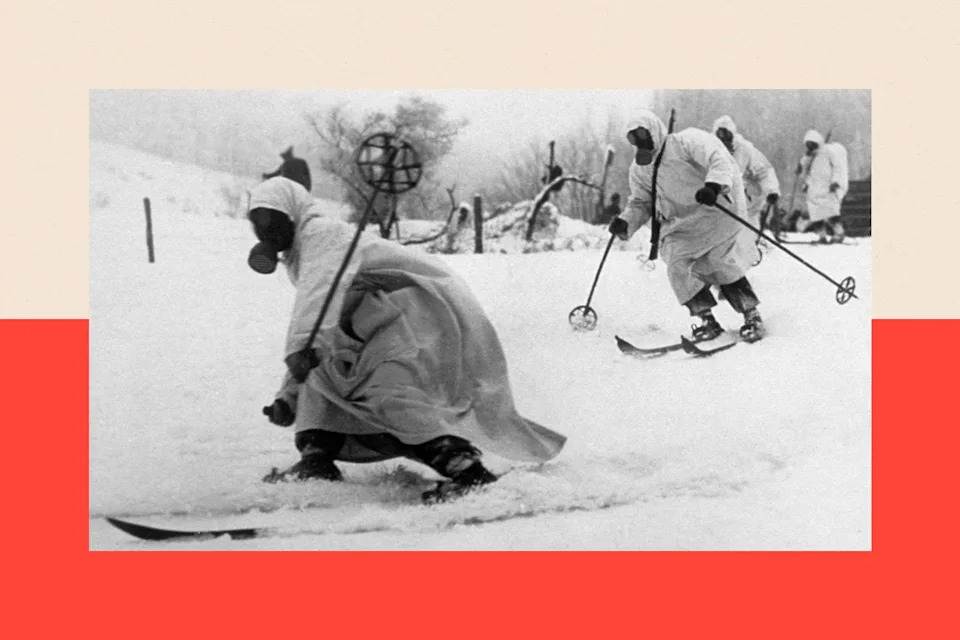
Finnish troops fought hard against Russia during World War Two [Getty Images]
Debate: Deterrence, Mobilisation And Democratic Consent
Some argue that stronger preparedness and higher defence spending deter aggression. Others warn that pushing populations toward wartime mindsets risks oversimplifying complex politics — casting nations as enemies and persuading publics to accept sustained sacrifice.
General Sir Richard Shirreff suggests the UK should debate options such as national service or registration systems like Norway's, where school leavers undertake training that later benefits careers. He stresses leaders must make a clear, honest case to the public about security choices and trade-offs.
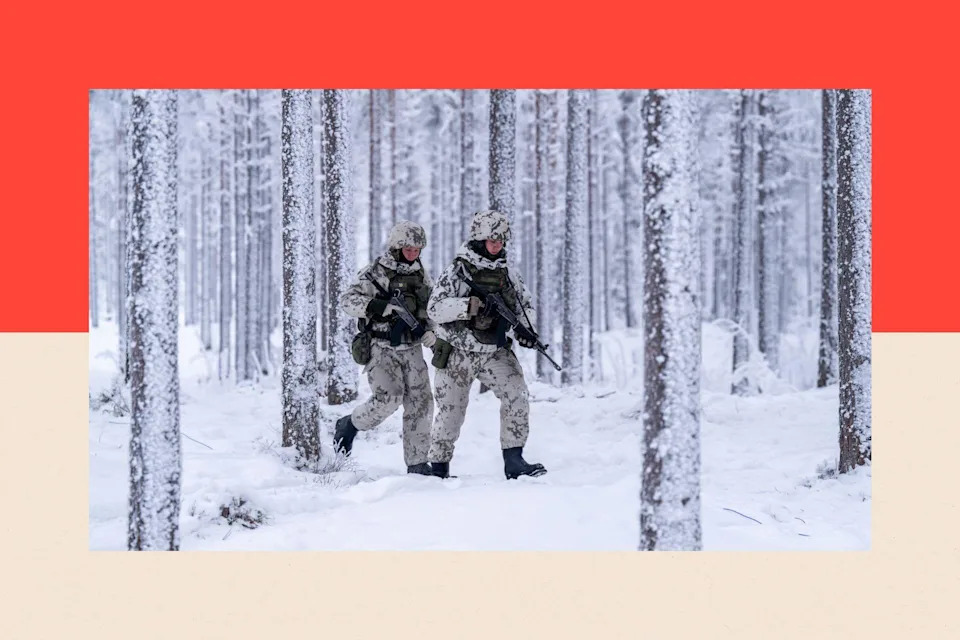
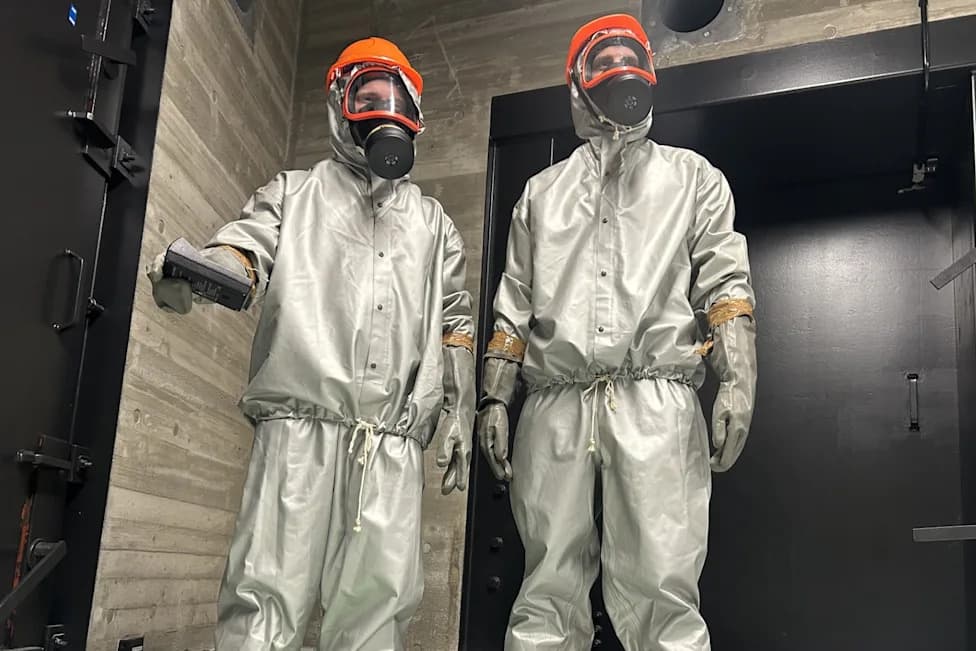
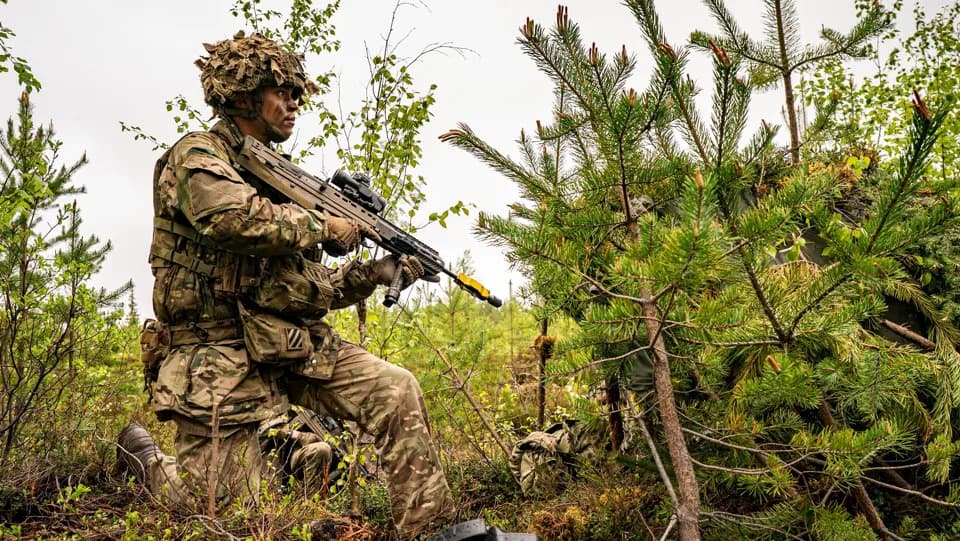
Finland has a large trained reserve force [AFP via Getty Images]
What Britain Must Consider
- Investing in cyber resilience, critical infrastructure redundancy and civil contingency planning.
- Deciding whether to strengthen reserves or introduce forms of national service to close the gap between military and society.
- Engaging the public in realistic, transparent discussions about the costs, benefits and values at stake.
As the government updates contingency plans and urges greater civic preparedness, the UK faces a choice: accept the inconvenience and expense of bolstering resilience now, or risk being surprised and profoundly disrupted later. The debate touches not only defence budgets and military posture, but the nation's willingness to adapt mentally and socially to new kinds of threats.
Lead image: Getty
Help us improve.