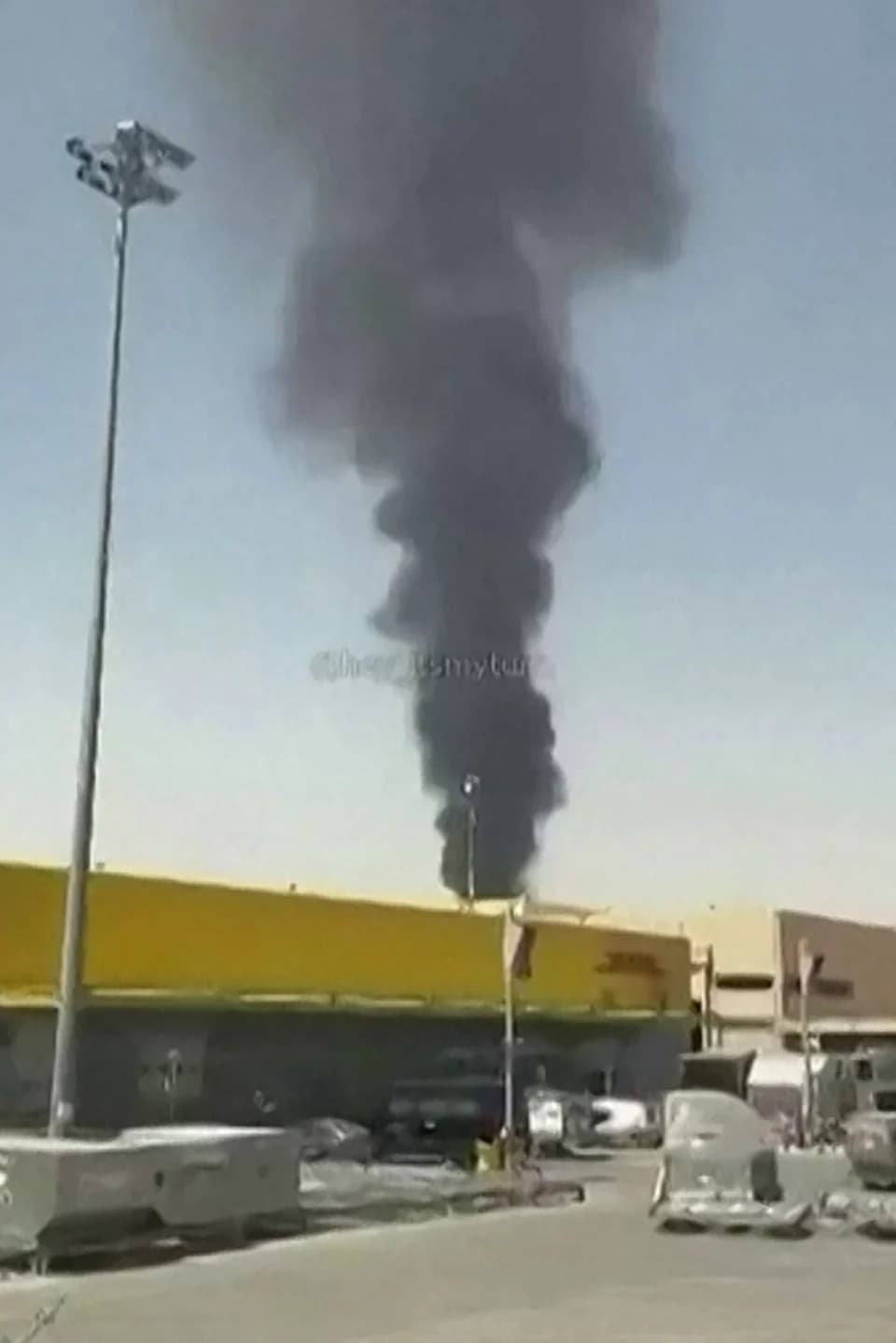
Europe faces its most perilous moment since the Cold War as Russia escalates attacks on Ukraine and steps up sabotage against NATO allies. Recent incidents include drone strikes near NATO borders, a drone shot down over Lithuania, and damage to undersea cables and transport hubs. Several European states are strengthening defences and infrastructure protection; critics say Britain must move beyond words to concrete spending and resilience measures.
Britain Must Act Now as Putin’s Shadow War Threatens Europe
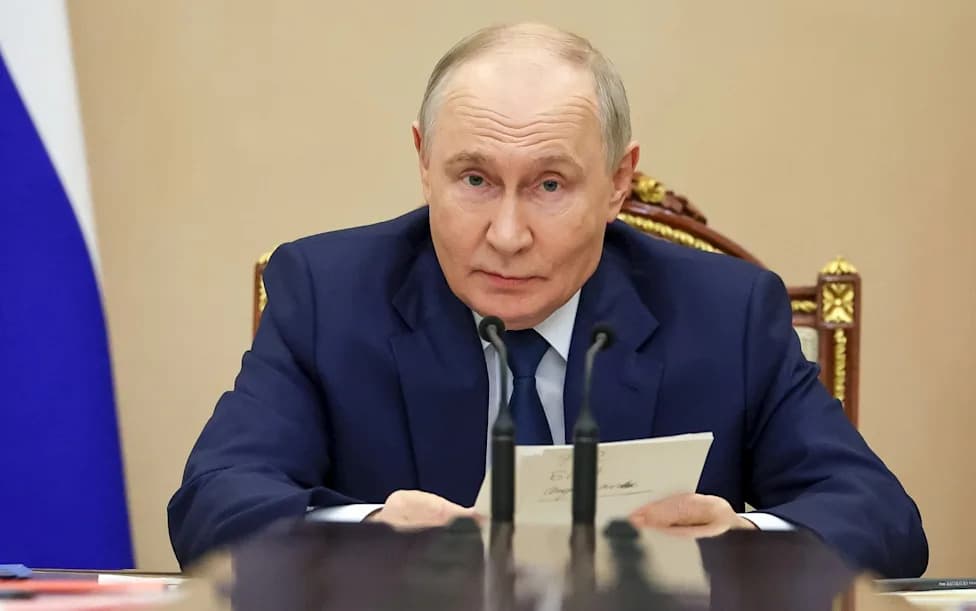
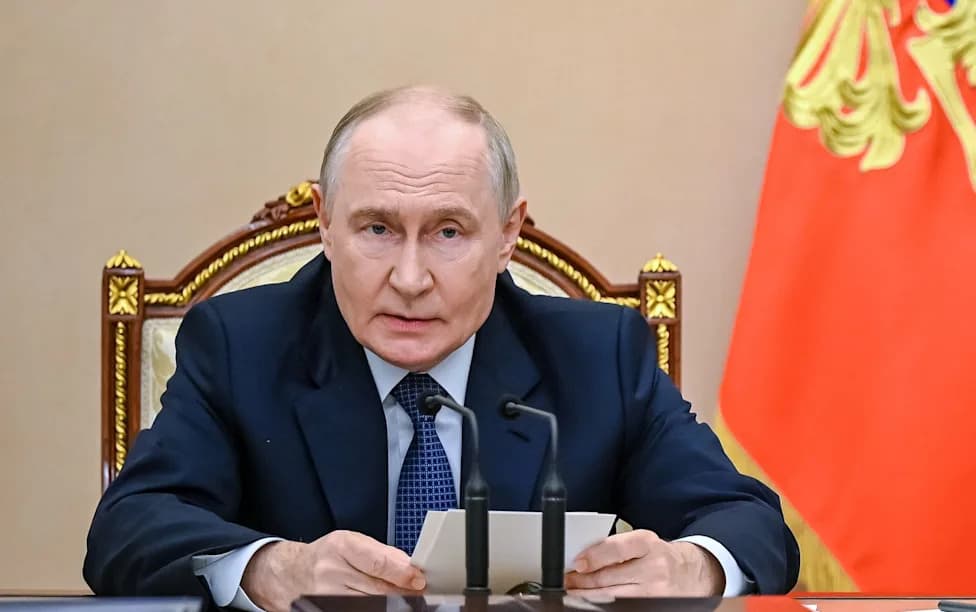
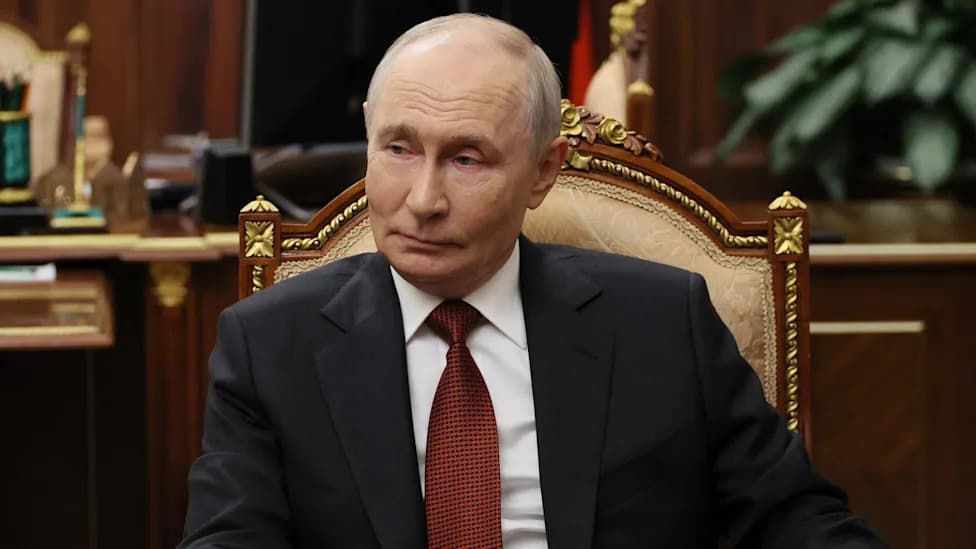
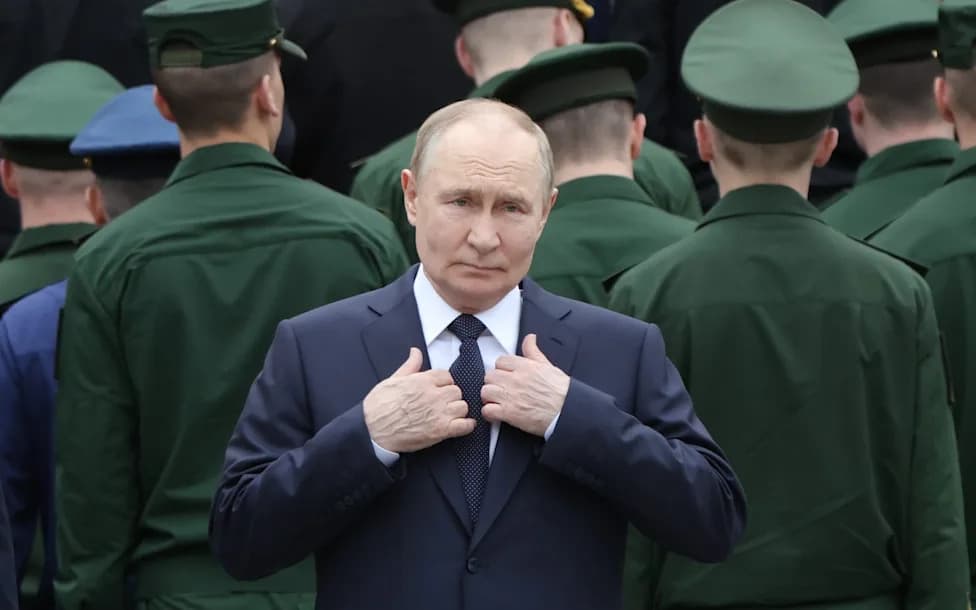
Vladimir Putin is preparing to escalate his war against Ukraine - Vyacheslav Prokofyev/Sputnik, Kremlin Pool Photo via AP
Europe faces its most dangerous moment since the Cold War as Vladimir Putin prepares to escalate his campaign against Ukraine and to increase pressure on Kyiv's allies. Recent incidents — from drone strikes near NATO borders to sabotage of critical infrastructure — show the conflict spilling beyond Ukraine’s frontlines and into the heart of the continent.
Escalating Tactics, Wider Risk
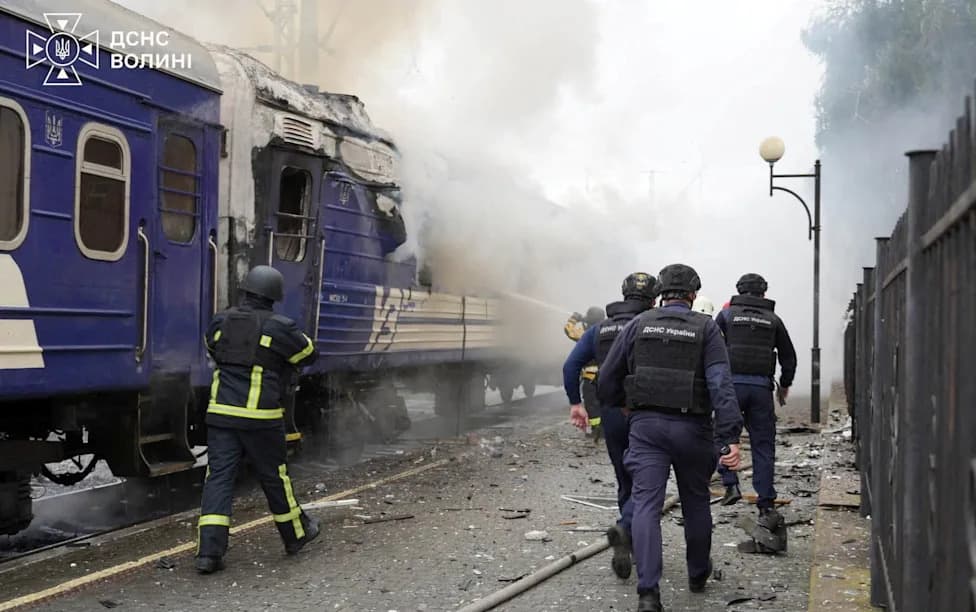
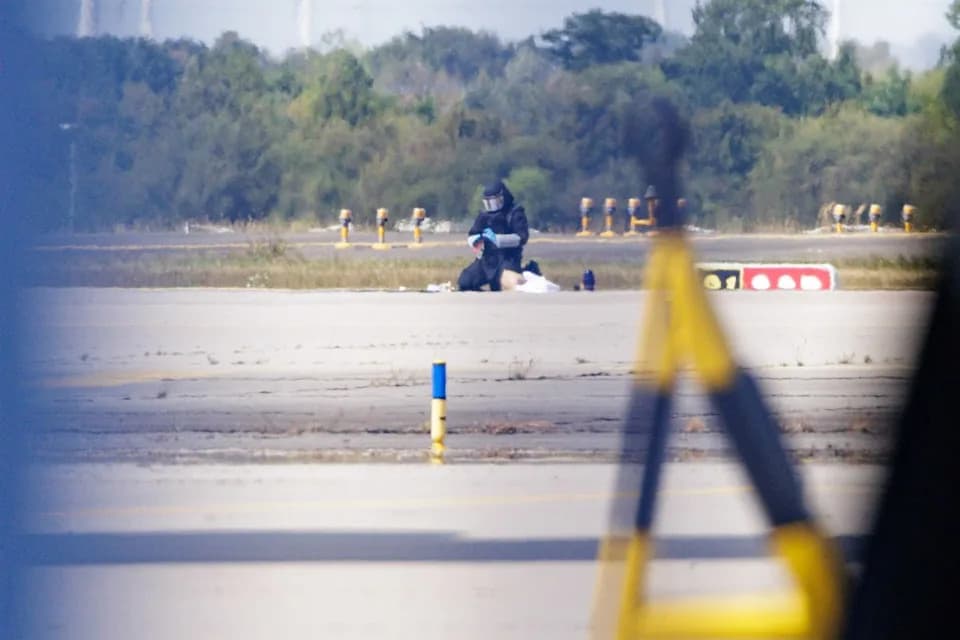
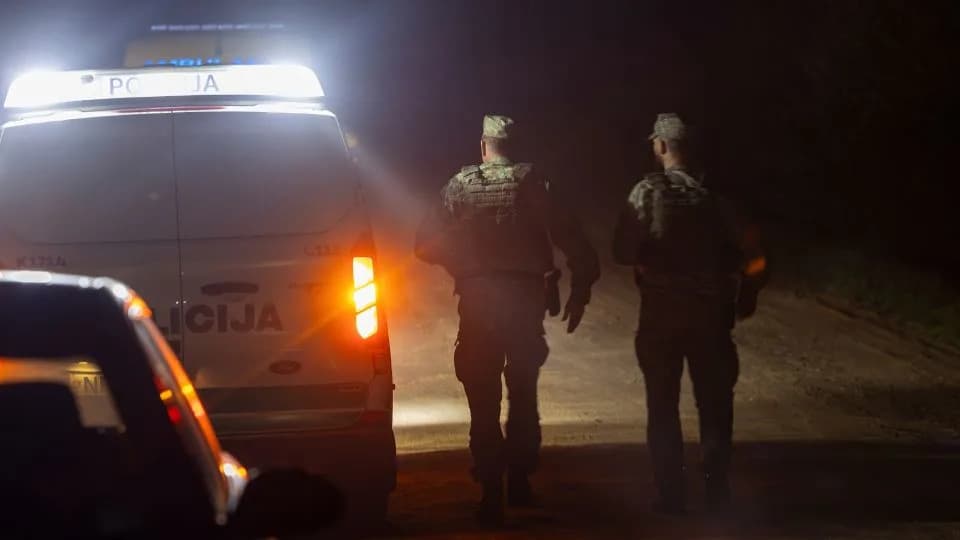
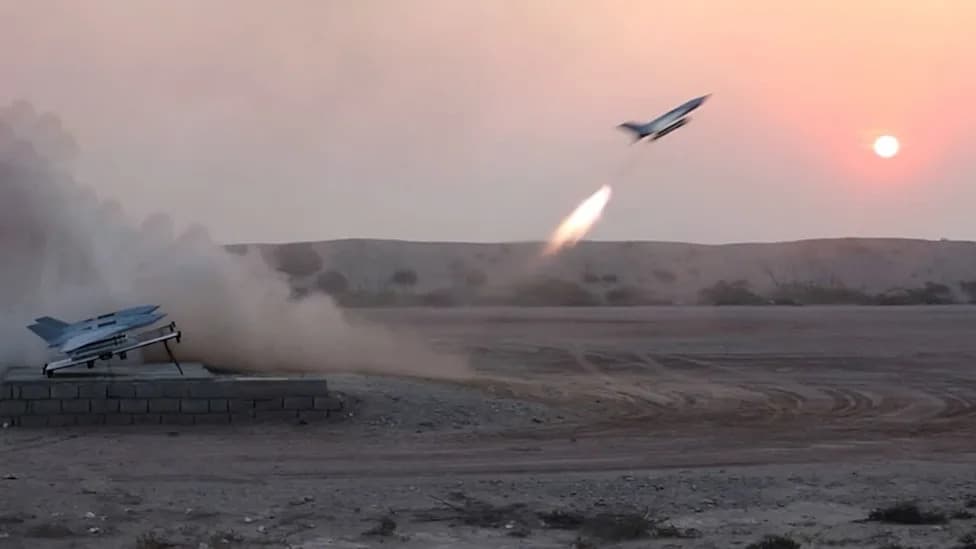
Only this week, a Russian drone struck western Ukraine just miles from the NATO border, prompting Poland to close two airports. NATO aircraft also shot down a drone that had entered Lithuanian airspace. Elsewhere, undersea cables in the Baltic were severed, and intelligence points to arson plots against warehouses and rail depots in the UK, Germany and Poland. Repeated drone incursions over airbases and airports underline a worrying pattern: a campaign of sabotage and disruption that Moscow appears to be sponsoring or encouraging as part of a wider hybrid war.
European Responses
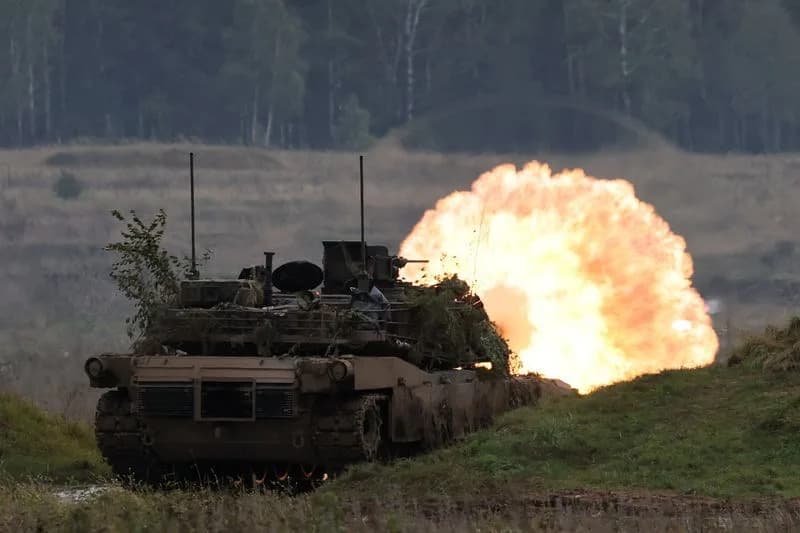
Several European governments have begun to respond. France has ordered a review and protection plan for critical infrastructure and defence industries. Poland is rapidly expanding domestic munitions production and strengthening its defences, reducing dependence on fragile supply chains. Germany, Croatia, Belgium and the Netherlands have all introduced or expanded forms of national service in recent years to boost resilience and readiness.
What Britain Is Doing — And Not Doing
By contrast, Britain’s response has so far been limited. Senior politicians have issued statements reaffirming support for Ukraine, but critics say words have not been matched by a coherent, resourced strategy to harden the UK’s defences or protect critical infrastructure. Mayor Andy Burnham has reiterated London’s commitment to Ukraine, and politicians across the spectrum have spoken out, but public debate has yet to produce a clear plan for increased investment, civil-defence measures or contingency logistics.
“Once we cut defence expenditure to the extent where our security is imperilled, we have no houses, we have no hospitals, we have no schools. We have a heap of cinders.”
— Denis Healey, 1969
That warning is being invoked again to argue that defence and resilience cannot be deferred without risking national security. Some politicians caution that social provision must not be sacrificed; others say national security underpins the ability to protect social services. The debate demands a proper policy response rather than soundbites.
What Needs To Happen
The UK should urgently:
- Conduct a national review of critical-infrastructure vulnerabilities and publish a resilience plan;
- Increase defence spending to meet emerging threats, including counter-drone and cyber capabilities;
- Strengthen domestic supply chains for munitions and essential defence equipment;
- Improve civil-defence measures and cross-border intelligence cooperation with NATO partners.
Europe is already responding; Britain should not be left behind. If the UK is to help deter further escalation and protect its citizens and interests, it must move beyond rhetoric to concrete, funded action.
Help us improve.