Summary: Europe has narrowly avoided several potentially catastrophic incidents recently, including a Russian drone strike near a diplomatic train at Yahodyn, a drone colliding with an Antonov An-124 at Leipzig/Halle, and a cruise missile detonating inside Poland. These events, alongside past attacks such as the Litvinenko polonium poisoning and the Salisbury novichok incident, point to a pattern of state-linked aggression. NATO should privately agree on unified, predefined responses to mass-casualty attacks to strengthen deterrence before luck runs out.
Near-Misses With Russian Weapons Raise Risk Of Direct Confrontation With Europe
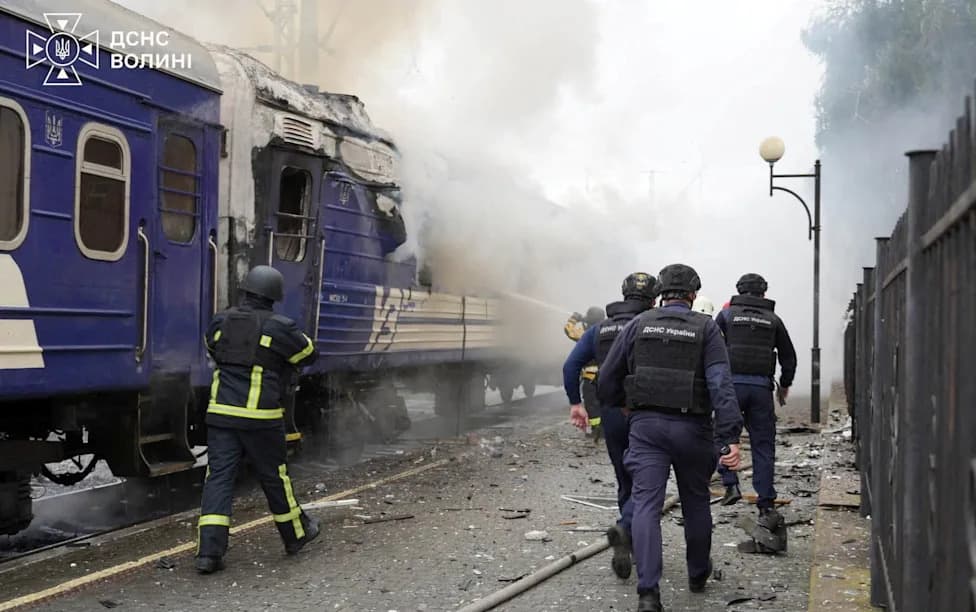
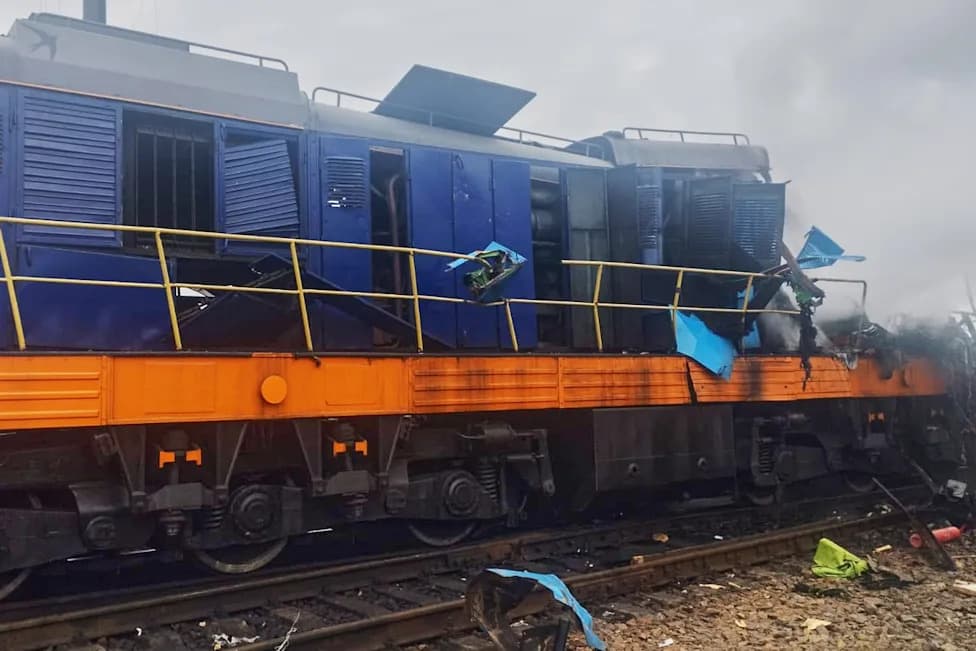
Firefighters extinguish a passenger train hit by a Russian drone strike near the Polish border last weekend - Reuters
Nothing that depends on sheer luck endures indefinitely. Recent incidents suggest Europe has repeatedly escaped potentially catastrophic attacks by a narrow margin, and the prospect of a deadly provocation that forces a confrontation with Russia is real.
Close Calls: Trains, Cargo Planes and Missiles
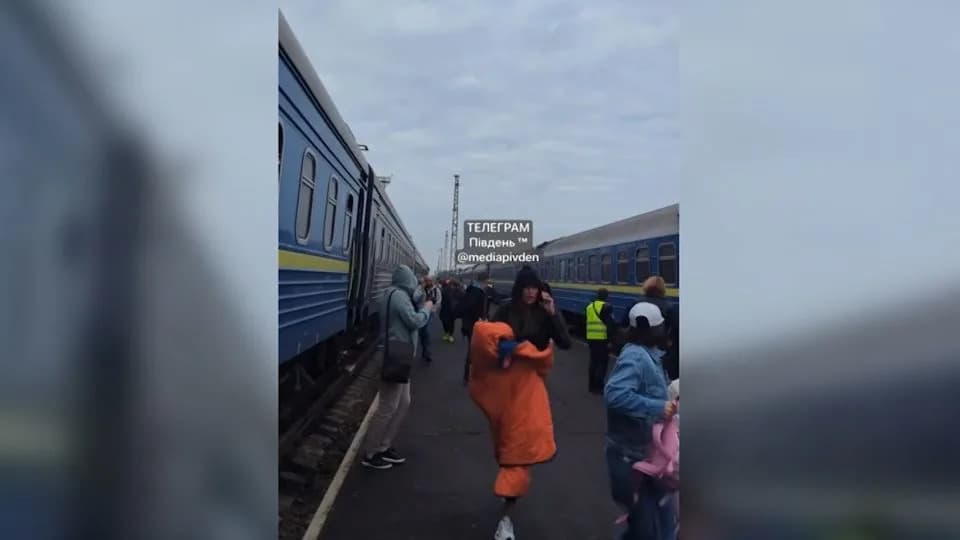
On Sunday night a diplomatic train carrying senior Western figures departed Yahodyn station in western Ukraine slightly ahead of schedule. Moments later, a Russian drone struck the engine of a different train that remained at the platform. Ukrainian railways commented that the diplomatic train may well have been the intended target.
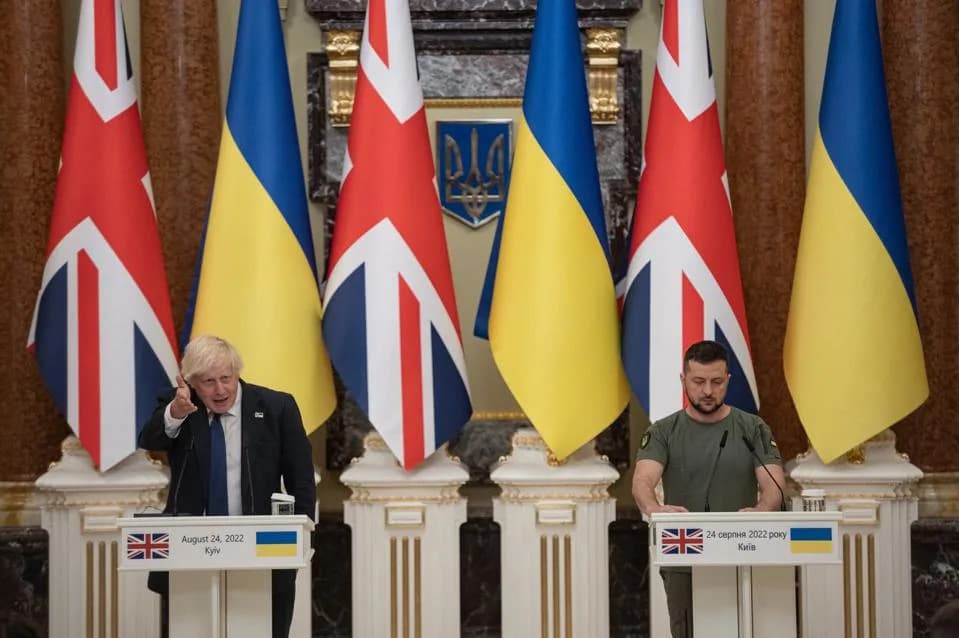
Among the delegates who might have been affected was former UK prime minister Boris Johnson; others on the trip included Jonathan Powell, senior European security officials and, on another train, Gen David Petraeus, former director of the CIA, who described the nearby blast as terrifying.
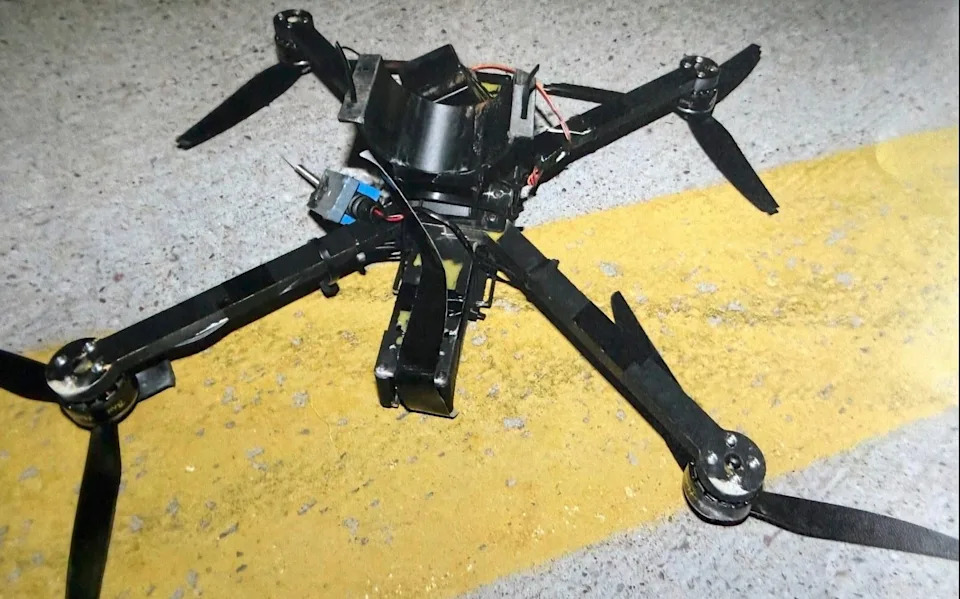
The drone, beside the Antonov aircraft at Leipzig-Halle airport, flew with an explosive concealed in a tin - Welt
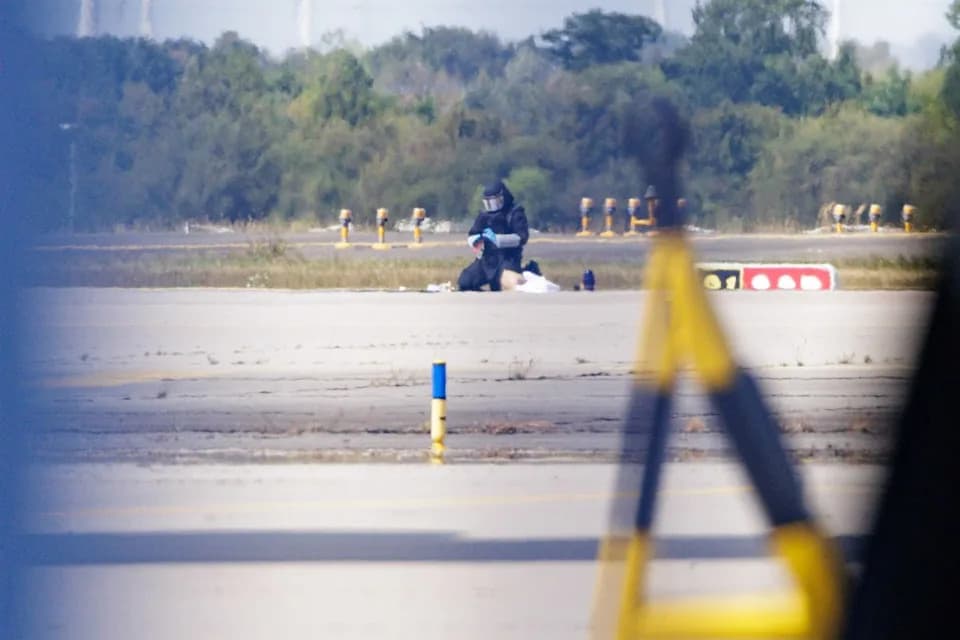
On August 4 a drone collided with a Ukrainian Antonov An-124 cargo aircraft parked at Leipzig/Halle airport in Germany. Investigators say the drone carried an explosive concealed inside a tin; only the apparent failure of that charge to detonate prevented a major fire at an airport that serves millions of passengers each year.
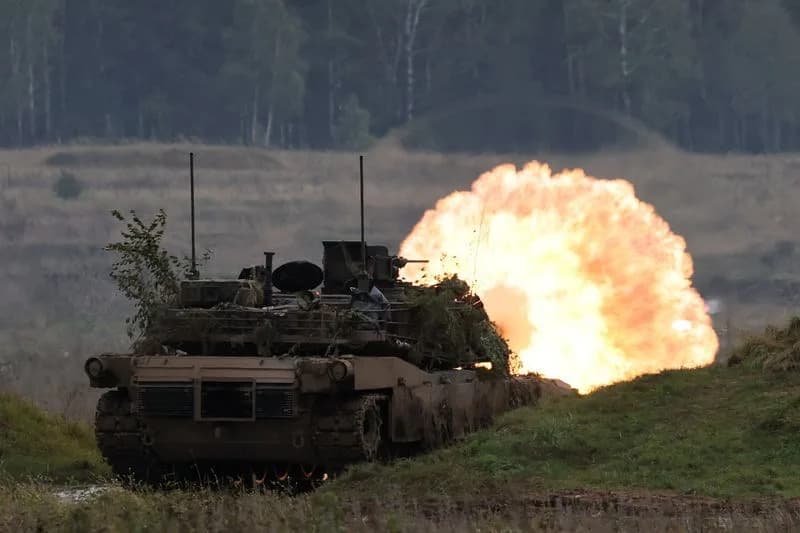
Days earlier, on July 30, a Russian cruise missile flew across Ukraine and exploded roughly 60 miles inside Poland. By luck it struck an empty field rather than a populated area, leaving a crater but no mass casualties.
Pattern Of Escalation
These incidents add to a series of operations across Europe attributed to Russian state services. In Britain last year, a man who had contact with a suspected Russian intelligence operative set fire to doors at properties linked to then-prime minister Sir Keir Starmer; another attack saw a car once owned by Starmer torched in north London. Such acts illustrate a willingness to risk civilian lives.
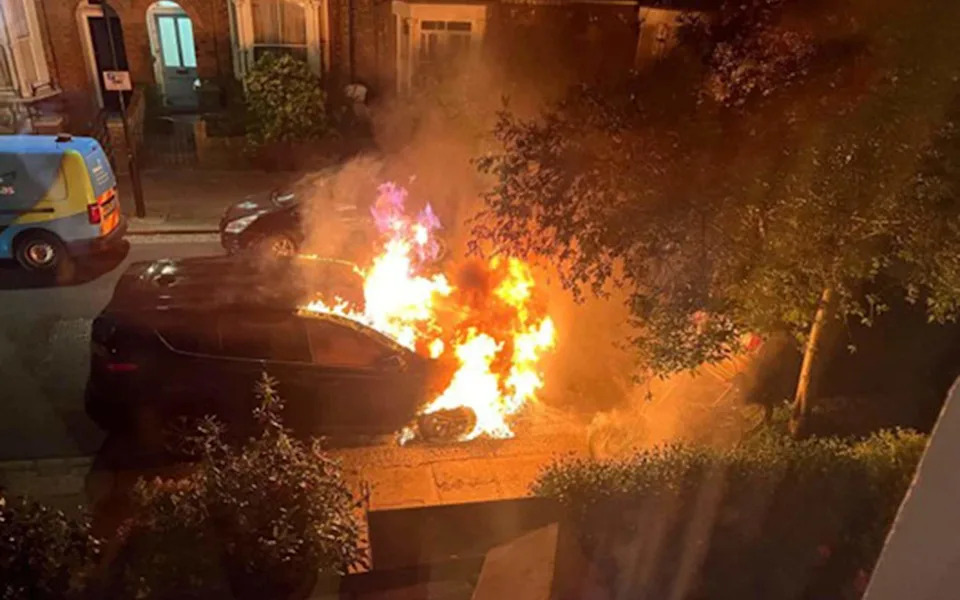
A car once owned by Sir Keir Starmer was set alight in a street in Kentish Town, north London, last May - Counter Terrorism Policing/PA Media
There is historical precedent for highly dangerous operations. In 2006 radioactive polonium was used in London to kill former intelligence officer Alexander Litvinenko. In 2018 two GRU officers attempted to murder Sergei Skripal in Salisbury using novichok nerve agent; Skripal survived but an innocent bystander, Dawn Sturgess, later died after exposure. These cases demonstrate the scale of risk when state actors deploy lethal means on foreign soil.
What Should NATO Do?
Given the pattern of near-misses and deliberate attacks, the prudent course is for NATO leaders to agree privately on how they would respond to a mass-casualty attack attributed to Russia. That consensus should include predefined measures, a clear threshold for collective action and a communications plan to make Kremlin leaders aware of the likely response. Doing so could strengthen deterrence by removing ambiguity about consequences.
Deterrence, however, depends on credible and predictable leadership. Uncertainty about how any single member, including the United States under an unpredictable presidency, might react weakens that clarity and may encourage further risky behavior from Moscow.
Conclusion
Repeatedly, Europe has been spared catastrophe by circumstance rather than design. If Russia continues a campaign that mixes sabotage, subversion and violence beyond its borders, there is no guarantee that luck will hold. NATO should prepare now so that, if the day comes when luck runs out, the allies have a united plan to prevent escalation and to respond decisively.
Help us improve.