Russia has intensified a calibrated "grey-zone" campaign across Europe, using drone strikes, suspected sabotage and border incidents to alarm and probe NATO without declaring open war. Incidents since late Sunday include attacks on a train carrying former officials, a downed drone over Lithuania, a drone on Polish shores, a near-miss with a Danish helicopter and rail disruption in the Netherlands. Moscow appears to be testing NATO’s response thresholds while leveraging cheap, mass-produced drones and missiles that prioritize volume over precision. Experts warn NATO is underprepared doctrinally and technologically for sustained low-intensity escalation, and that a Russian miscalculation could force a dangerous, rapid escalation.
Russia Intensifies 'Grey-Zone' Attacks Across Europe — Risk Of Dangerous Misstep Rises
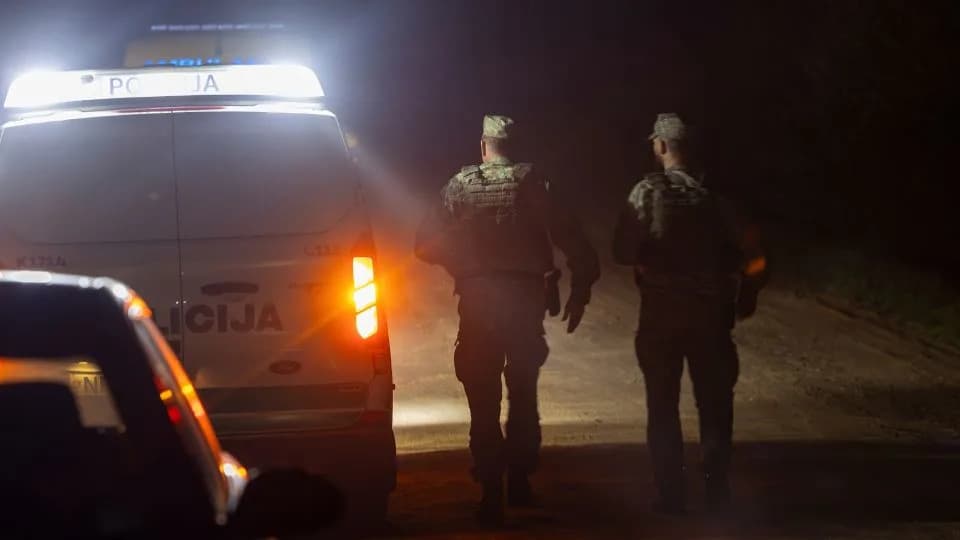
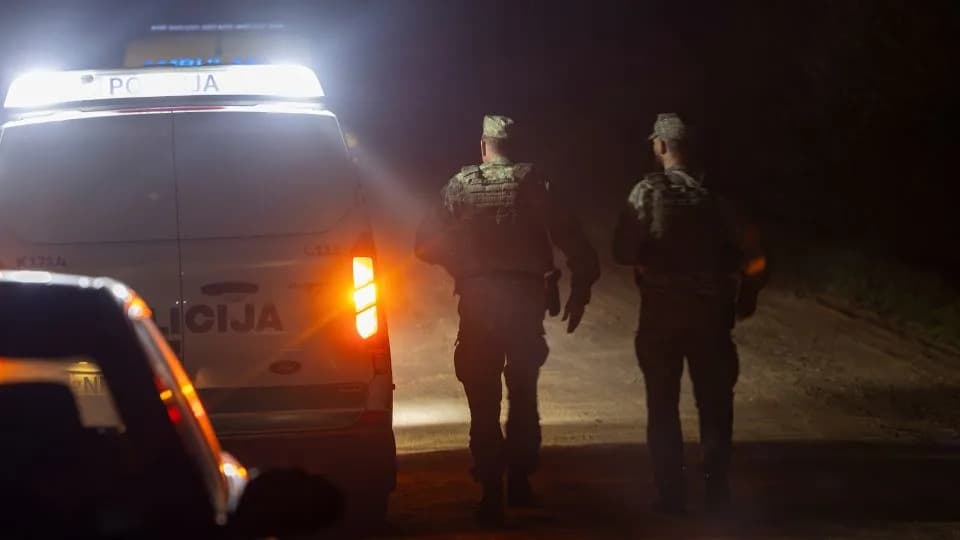
Lithuanian soldiers secure the area where Italian fighter jets participating in NATO's Baltic Air Policing Mission shot down a drone in Kaisiadorys district, Lithuania, in the early morning of Tuesday, September 15, 2026. - AP
Russia appears to be conducting a deliberate, calibrated "grey-zone" campaign across Europe: actions intended to make war feel nearer without provoking an outright, declared conflict. A cluster of recent incidents — including drone strikes, suspected sabotage and near-miss encounters — fit a pattern of escalation designed to alarm, test response thresholds and raise the political costs of supporting Ukraine.
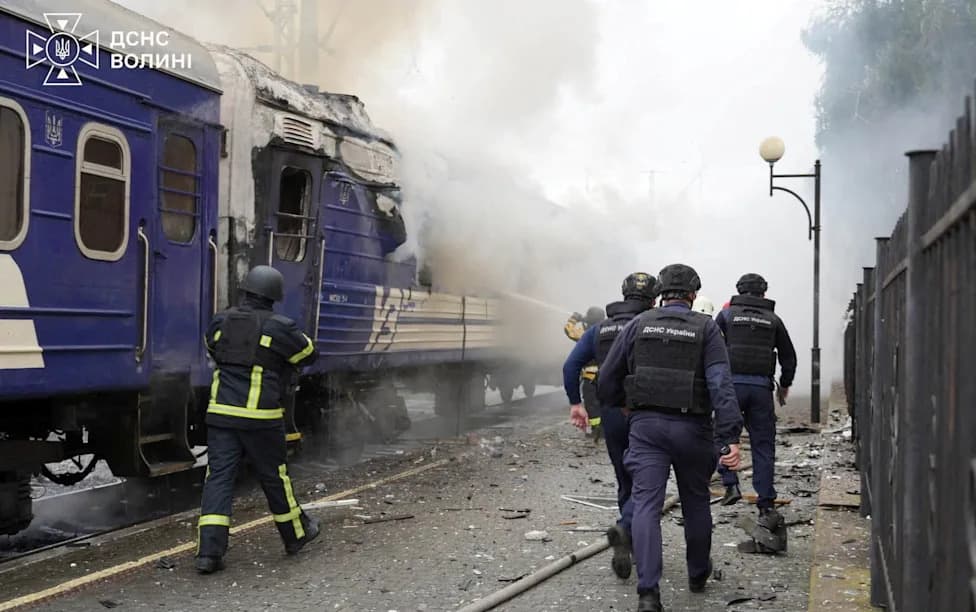
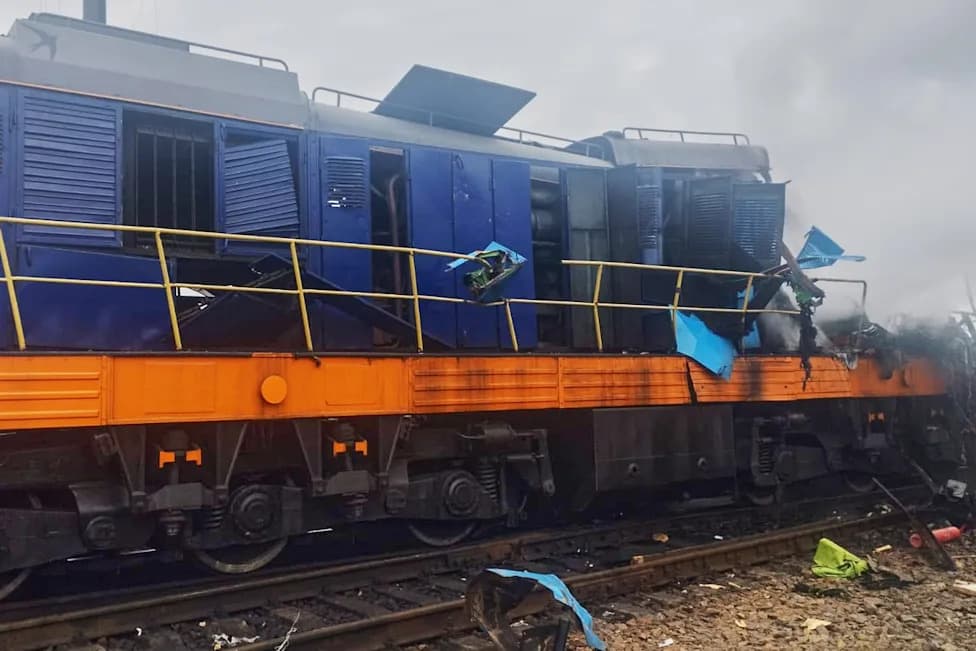
Since late Sunday, reported events include a drone strike on a railway carrying prominent former Western officials, a drone shot down over Lithuania, a drone that washed up on Polish shores, a Russian flare narrowly missing a Danish helicopter and suspected sabotage that disrupted Dutch rail services. Officials and analysts say these are not random episodes but part of a coherent strategy to probe NATO and unsettle European publics.
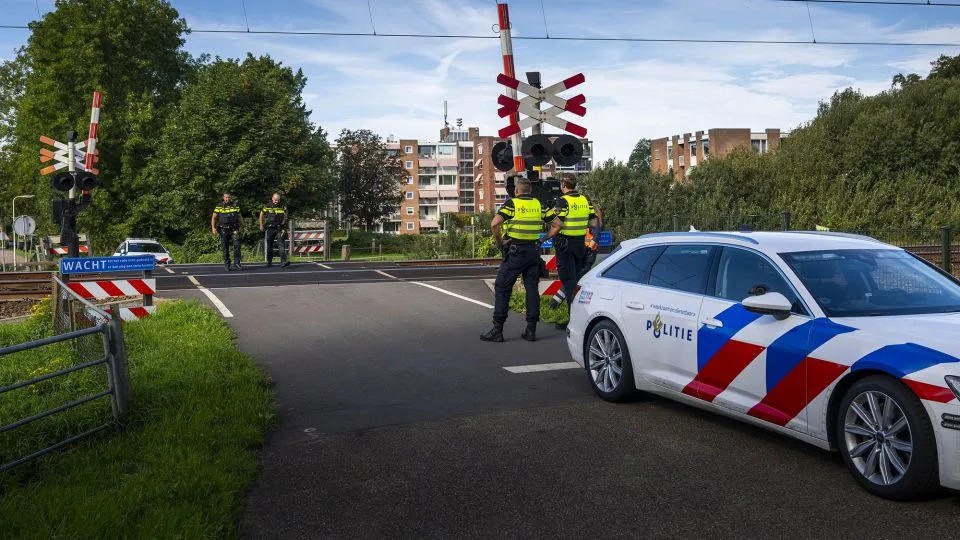
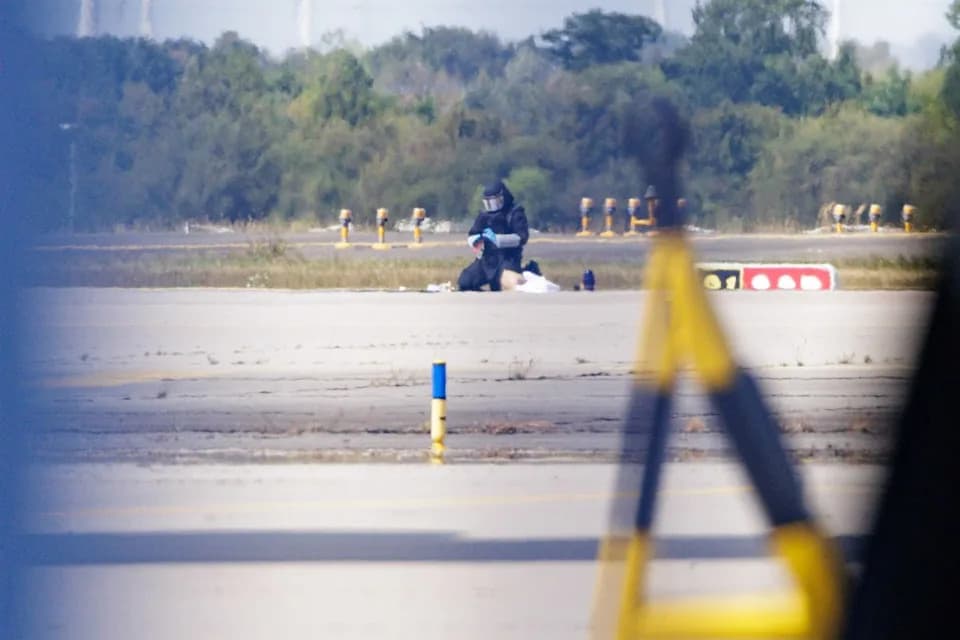
ProRail and police employees search the tracks in Zwolle, Netherlands, on Tuesday after suspected sabotage led to huge rail disruption across the country. - ANP/Shutterstock/Shutterstock Editorial/ANP/Shutterstock
Objectives And Capabilities
Analysts attribute two linked goals to the Kremlin: to make the economic and political costs of backing Ukraine feel immediate to European voters, and to probe the limits of NATO's collective-defence commitments, including Article 5. Moscow can gain leverage by keeping incidents below a threshold that would automatically trigger a unified military response while still eroding public support for continued assistance to Kyiv.
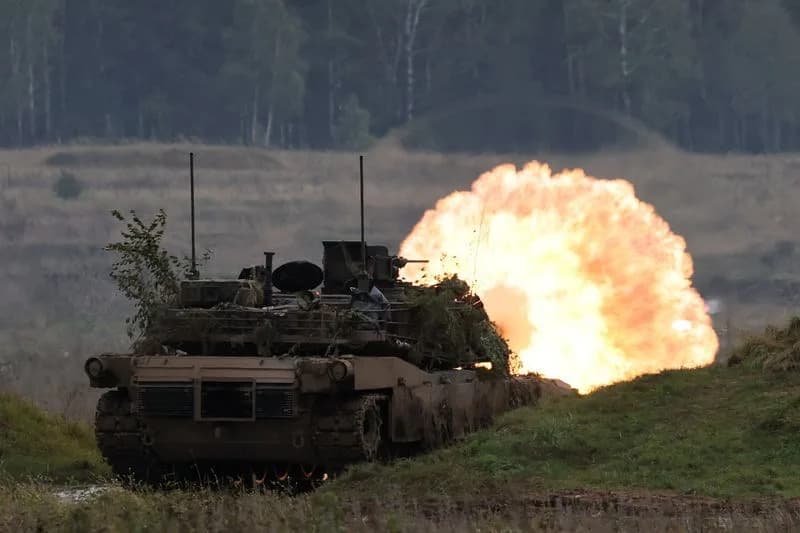
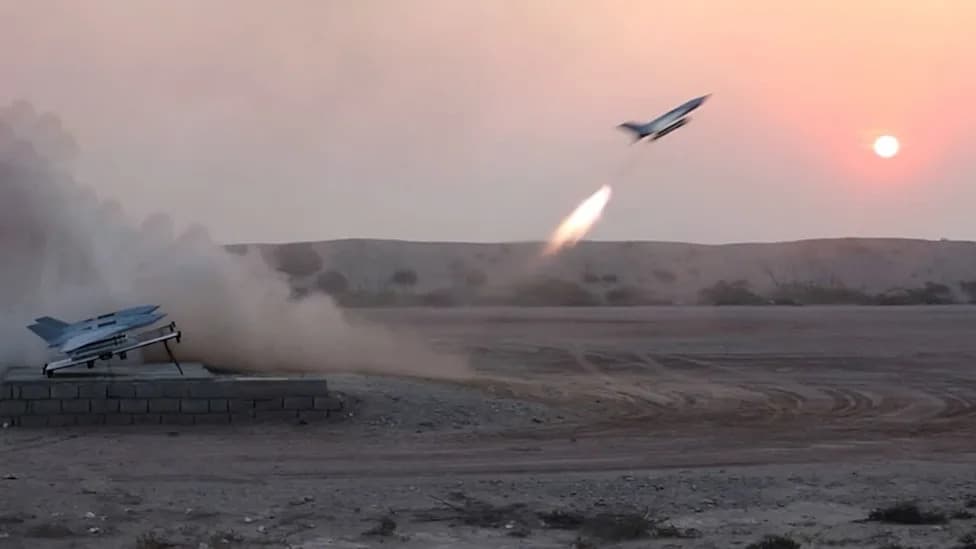
Russia's defence industry is reinforcing this approach with inexpensive, mass-producible aerial weapons. Reported examples include Geran-4 and Geran-5 drones, which use Chinese-made turbojet engines, and the Banderol cruise missile. Ukrainian and media estimates place engine costs around $40,000, drone unit costs roughly $70,000, and some cruise missiles at about $100,000. These systems trade precision for volume, and factories such as Alabuga are reportedly expanding production.

Denmark's Defense Minister Jeppe Bruus speaks to the press after parties were summoned for a briefing in Copenhagen, Denmark, on Tuesday. - Sebastian Elias Uth/Ritzau Scanpix/AFP/Getty Images
What Experts Say
Dr. Marina Miron of the Defence Studies Department at King’s College London emphasizes that production, supply chains, logistics and doctrine are central to modern conflict adaptation. She warns that NATO is behind in preparing for persistent low-intensity threats and that countermeasures require doctrinal change as well as new defenses.
"It's not just about building drone defenses," Miron said. "It is about rethinking doctrine and learning from the adaptations on both sides."
Other European diplomats and officials argue that incidents which would previously have triggered Article 4 consultations are now becoming more frequent, and that Russia is testing how far it can press without provoking a coordinated alliance response. One senior official noted that Russia's strategic culture has long been comfortable with calibrated, erratic escalation — an approach NATO has less experience managing.
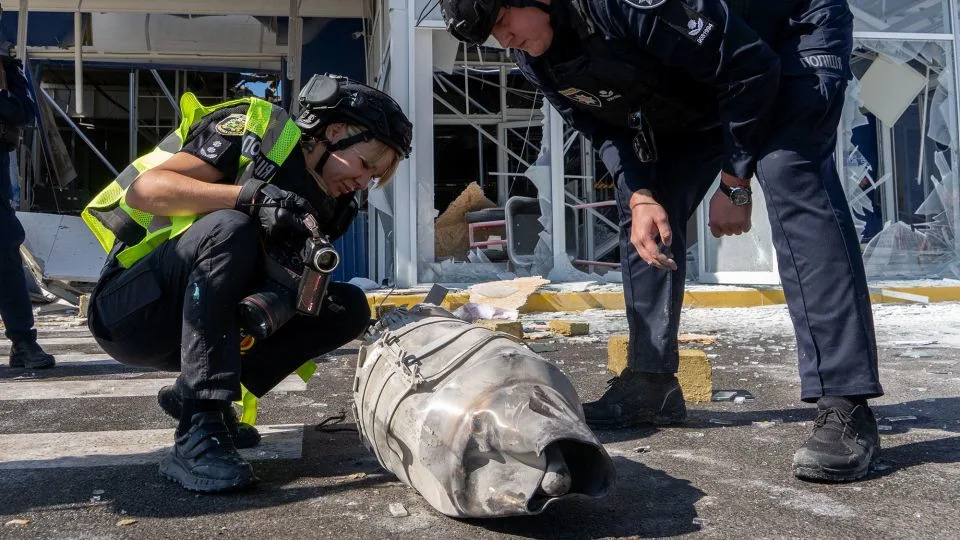
Police officers inspect fragments of a Russian drone after an air attack on a commercial building in Kharkiv, Ukraine, on Thursday. - Andrii Marienko/AP
Risks And Next Steps
The main danger is a miscalculation. Low-level, deniable attacks raise the odds that Moscow will eventually overstep or that an incident will force a NATO member to respond with force, producing a sudden and dangerous escalation. Past episodes — for example, clashes in Syria involving Russian-linked forces — show how quickly incidents can draw forceful retaliation.
For NATO the challenge is twofold: to strengthen defenses and deterrence against proliferating drone and missile threats while communicating clearly with the public about risks without causing panic. That will require faster doctrinal adaptation, better production and logistics planning, improved air-defense capabilities tailored to low-cost aerial threats and political cohesion across the alliance.
As incidents proliferate across Poland, Lithuania, Denmark, the Netherlands and beyond, the probability that a misstep triggers a larger confrontation grows. The situation is therefore both a tactical problem of countering new weapons and a strategic test of Western alliance resolve.
Help us improve.