Britain should stop softening Vladimir Putin’s cross-border sabotage with euphemisms and call it state-sponsored terrorism. A "massive" drone strike in western Ukraine, close to NATO territory, forced Poland to close airports and scramble jets — part of a pattern that includes arson, assassination plots and airspace harassment. A recent drone collision with a cargo plane in Germany highlights the risk of catastrophic miscalculation. The author urges Britain to quietly lead a subgroup of like-minded allies to define and privately convey credible deterrence to Moscow.
Call It State Terrorism: Britain Must Name Putin’s Campaign And Lead A Quiet Coalition
Vyacheslav Prokofyev/Sputnik
When confronted with a sustained campaign of cross-border sabotage, Britain should stop hiding behind euphemisms. What is often described as "hybrid warfare" is better understood, in many of its tactics and intent, as state-sponsored terrorism directed at civilians, critical infrastructure and the stability of allied nations.
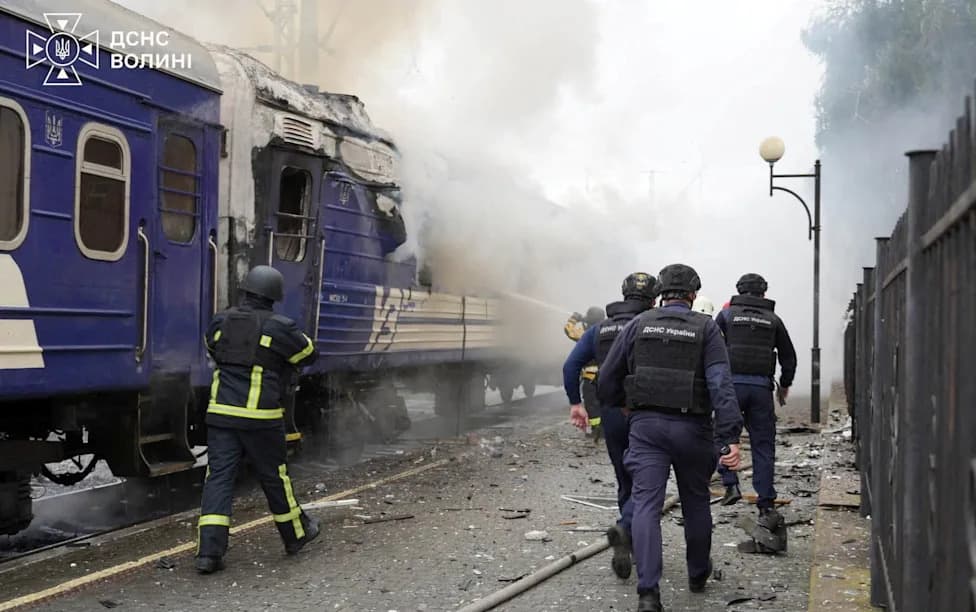
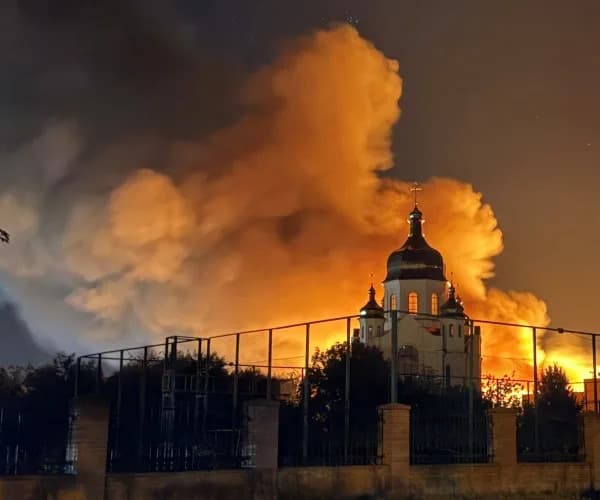
Today’s reported "massive" drone strike in western Ukraine — just miles from NATO territory — forced Poland to close two airports and scramble fighter jets for the second time in two days. Although this particular attack was contained, it fits into a worrying pattern of incidents across Europe.
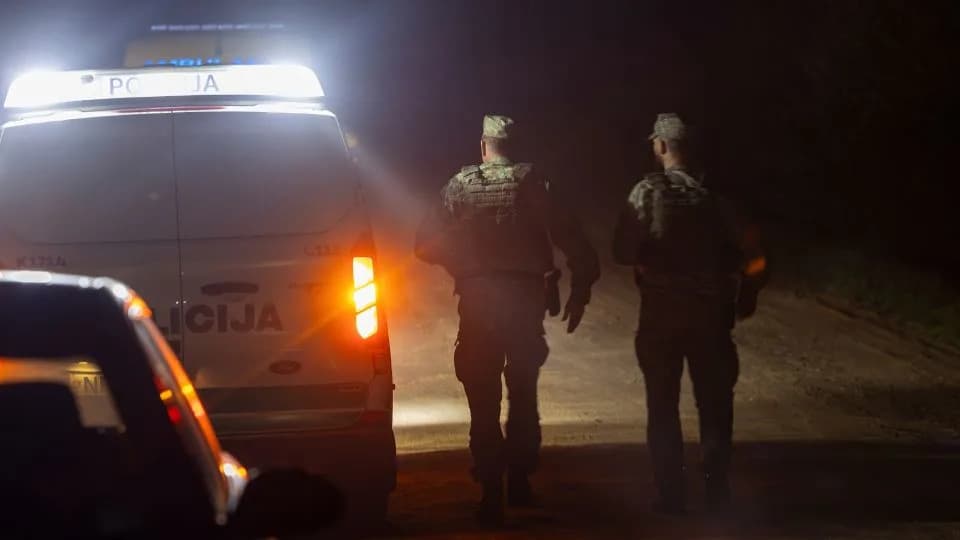
NATO leaders have warned repeatedly about the increasing brazenness of such operations. Arson, assassination plots, repeated drone incursions into allied airspace and other covert acts have become routine features of Russian activity, raising the risk of dangerous miscalculation. Drones and other proxy tactics do not always behave as intended; accidents or malfunctions can rapidly escalate a localized incident into a wider confrontation.
Only last month, a drone collided with a Ukrainian cargo aircraft at Leipzig/Halle airport in Germany — a near miss that, by luck, did not turn into tragedy. That close call underlines how small errors or misinterpretations can have catastrophic consequences when tensions are high.
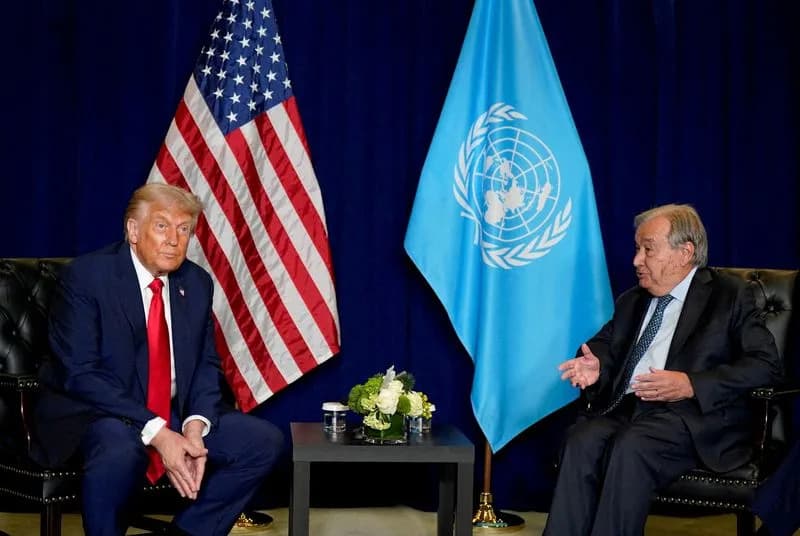
In past eras, NATO might have presented a more unified public front. Today, however, uncertainty about U.S. policy and the posture of its leaders has introduced doubts that adversaries can exploit. That strategic ambiguity risks encouraging greater Kremlin belligerence.
What Britain Should Do
London should quietly convene a subgroup of like-minded allies, operating outside NATO’s formal public structures, to agree privately on clear thresholds and proportional responses to state escalation. Once agreed, that determination of consequences should be communicated firmly — but discreetly — to Moscow. Credible, coherent deterrence requires consensus among those most threatened and the will to act if deterrence fails.
Bottom line: Name the tactic for what it is, build private allied consensus on red lines and consequences, and strengthen deterrence before a miscalculation spirals out of control.
Help us improve.