On day 203 of the Iran war (Sept. 19), at least five countries reported fuel rationing or empty pumps as Brent neared $110. The immediate problem is a refined-product shortage—roughly 4 million bpd missing from Russia and the Middle East—exacerbated by closed shipping routes. France, Pakistan, Bangladesh, Indonesia and Nepal have seen price spikes, rationing, factory disruptions and protests. With winter approaching, competition for limited cargoes intensifies and G7 coordination is being sought.
Fuel Shortages Hit Five Countries on Day 203 of the Iran War as Refined-Product Gap Widens
Photo by BeInCrypto
Day 203 of the Iran war has coincided with widespread fuel strain: as of September 19, at least five countries reported rationing, empty pumps or sharp supply disruptions while Brent crude traded near $110 — its strongest level since spring.
Supply Routes Under Pressure
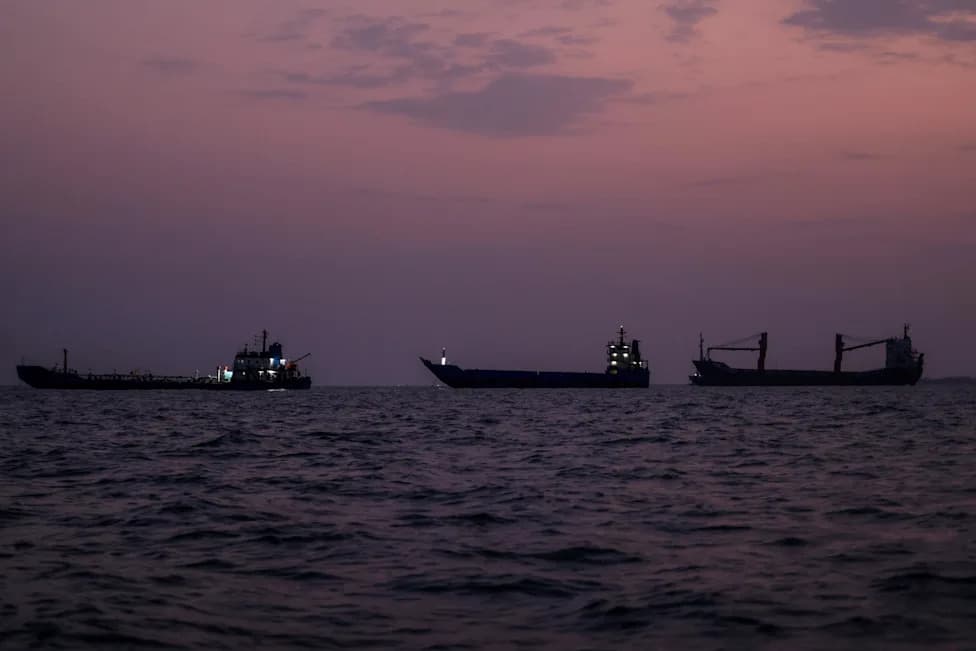
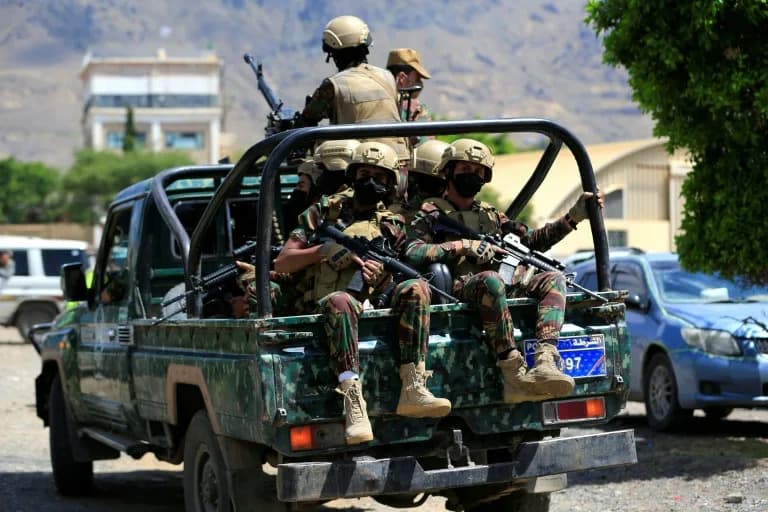
The Strait of Hormuz has been largely closed since Iran's retaliation to US and Israeli strikes on February 28. Recent Houthi advances around the Bab al-Mandab chokepoint have further squeezed the main alternative shipping route, amplifying global shipping delays and costs.
Refined Products, Not Just Crude
This month’s crisis is as much about refined-product shortages as it is about crude. Vitol CEO Russell Hardy told the Asia-Pacific Petroleum Conference that roughly 2 million barrels per day of refined products from Russia and almost 2 million bpd from the Middle East are missing from markets. The International Energy Agency (IEA) reports refined shipments leaving the Gulf remain below half their February pace, and the International Road Transport Union (IRU) says Russian diesel exports have roughly halved since June.
Country-Level Impacts
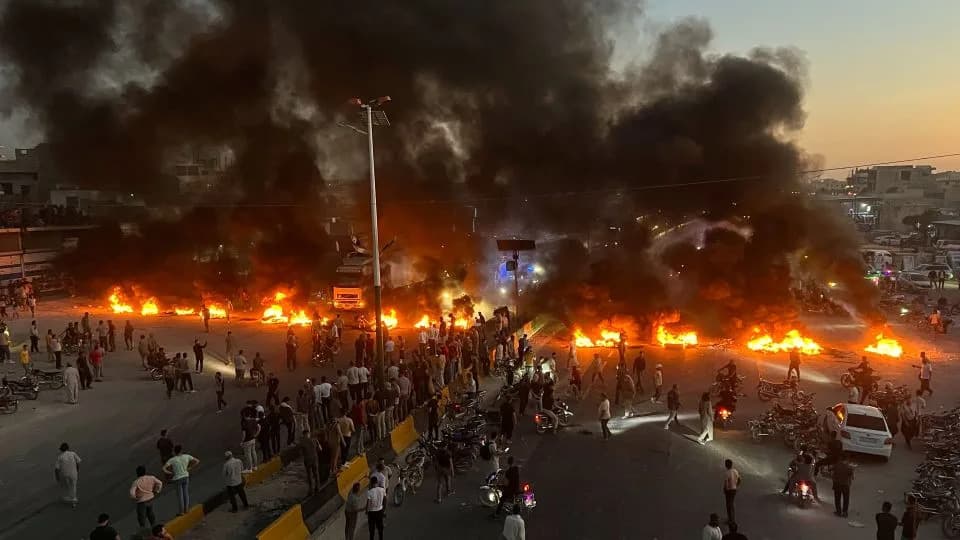
France: Government prix-carburant data cited by Connexion showed that between September 13 and 15, 10%–12% of service stations were out of at least one fuel; Grand Est reached 14%. SP95-E5 petrol hit a record €2.17 per litre after six consecutive weekly rises, and diesel was within 1% of its April high. President Emmanuel Macron said on September 18 that France may tap strategic reserves and has requested a G7 meeting to coordinate action. France holds about 118 days of net import cover in strategic reserves, underscoring that the immediate problem is refined-product distribution rather than crude availability. Protests also flared: fishermen blockaded the Fos-sur-Mer depot on September 15, clashing with police.
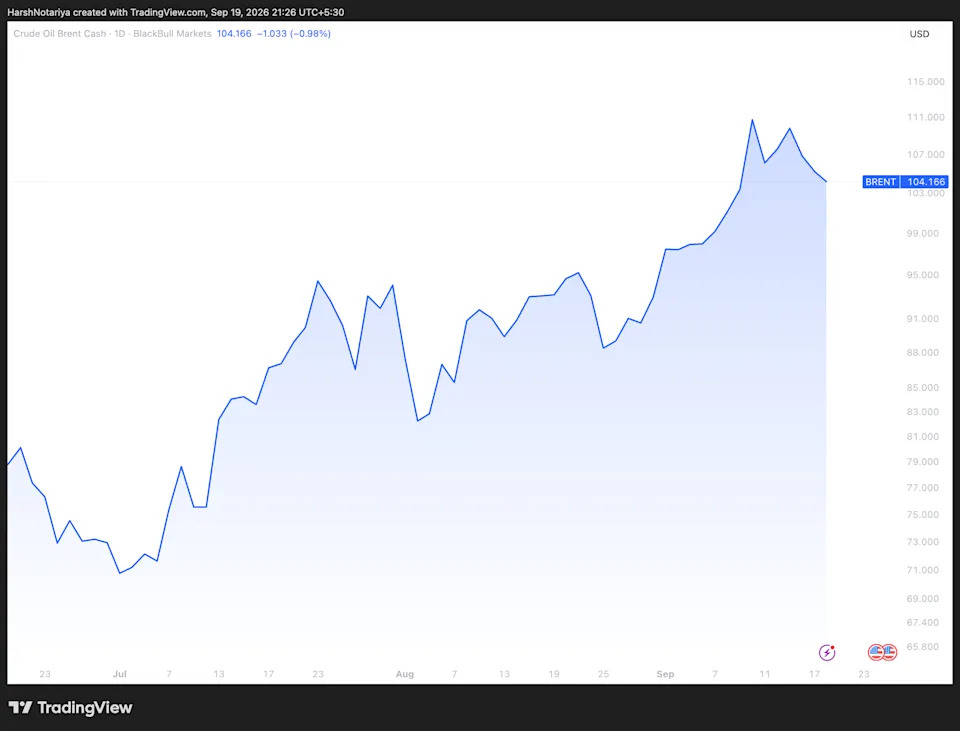
BRENT Price Performance. Source; TradingView
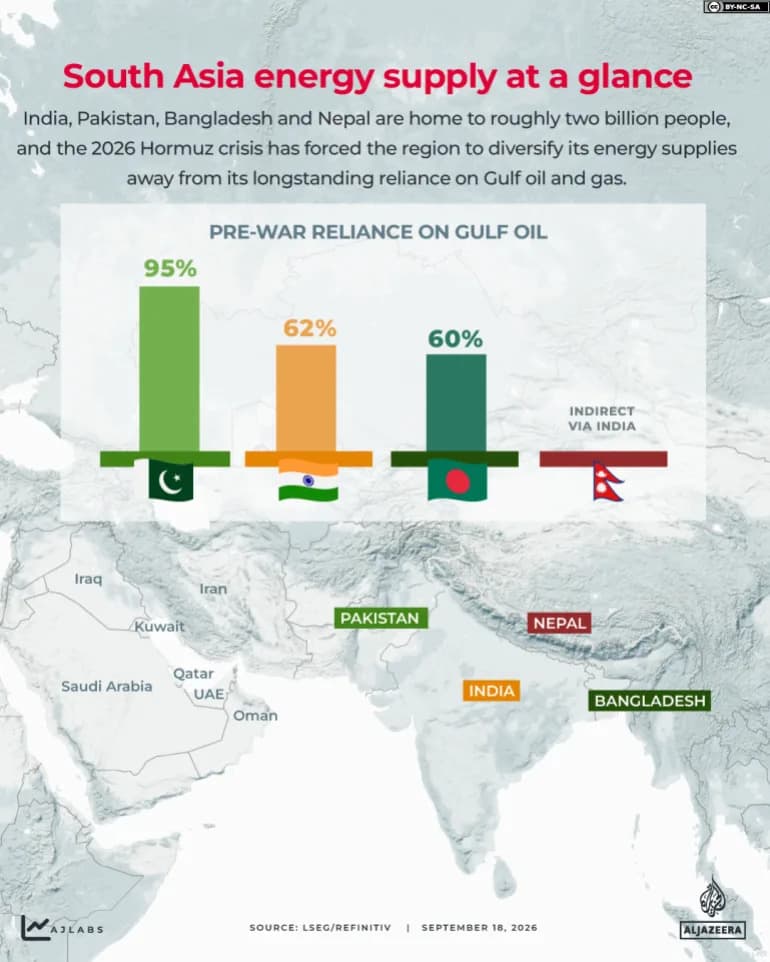
Pakistan: After briefly lifting emergency fuel curbs on June 20, Pakistan reimposed them 89 days later. From September 17, shops and malls must close by 21:00, wedding halls by 22:00, and restaurants by 23:00 for three months; government vehicles lost 50% of their fuel allocation (security vehicles exempt). The government also banned new official foreign travel and new vehicle purchases, and cut non-salary spending by 5% for fiscal 2026–27. Authorities warn the bigger risk is winter: Pakistan must secure oil and gas cargoes before November when global demand rises and Red Sea detours add about 10 days per voyage.
Bangladesh: With more than 90% of petroleum imported, Dhaka is rationing energy. Residents plan daily life around gas-pressure timetables — many families now cook at 01:00 a.m., the hour when piped gas pressure is strongest. The government ordered shops and markets to close by 20:00 (one hour earlier) and turned off illuminated billboards from 19:00, exempting hospitals, pharmacies and food shops. Garment factories — the country’s main source of foreign currency — face rationing and temporary closures, and some plants reported multiple daily power cuts.
Indonesia: By September 11, queues at Makassar pumps reached as long as one kilometre, with ride-hailing drivers reporting three-hour waits. South Sulawesi imposed rationing from September 12: cars fuel only on days matching plate numbers, private vehicles must show a fuel gauge below one bar, and trucks may fill only between 18:00 and 04:00. Protests erupted on September 14 when demonstrators stormed a Pertamina Patra Niaga office. Energy Minister Bahlil Lahadalia later said the Makassar shortage was resolved and national stocks cover 18–20 days; he blamed some of the pressure on drivers shifting from full-price fuel to subsidised Pertalite.
Nepal: The supplies minister resigned on September 10 amid a cooking-gas crisis made worse by a landslide that closed the Prithvi Highway, Kathmandu’s main supply road. Bottling plants were delivering only about 5% of the 35,000–40,000 cylinders the capital needs each day, and some households have gone a month without a refill. Students protested by cooking over firewood outside campus gates, and restaurants warned they may close if supplies do not improve.
Outlook
The Northern Hemisphere heating season begins in weeks, and Pakistan, Bangladesh, Indonesia and European buyers will compete for limited winter cargoes — potentially deepening shortages and price volatility. President Macron has pushed for a coordinated G7 release of strategic stocks before winter, but other members have not publicly committed to matching that action.
Bottom line: A global refined-product bottleneck, combined with disrupted shipping routes and rising crude prices, has pushed several countries into rationing and unrest. The coming weeks will be critical as winter demand ramps up.
Help us improve.