The widening conflict around Iran has disrupted Gulf crude and LNG flows, driving up fuel, electricity and food costs for nearly two billion people across India, Pakistan, Bangladesh and Nepal. India faces the largest exposure in absolute terms, while Pakistan and Bangladesh have limited alternatives and Nepal is vulnerable indirectly through India. Poor and low-income households report skipped school fees, reduced meals and a return to polluting fuels as immediate coping strategies. Governments face mounting pressure to shield vulnerable families with short-term relief and longer-term energy diversification.
'My Children Did Not Attack Iran': How a Distant War Is Hitting Nearly 2 Billion South Asians
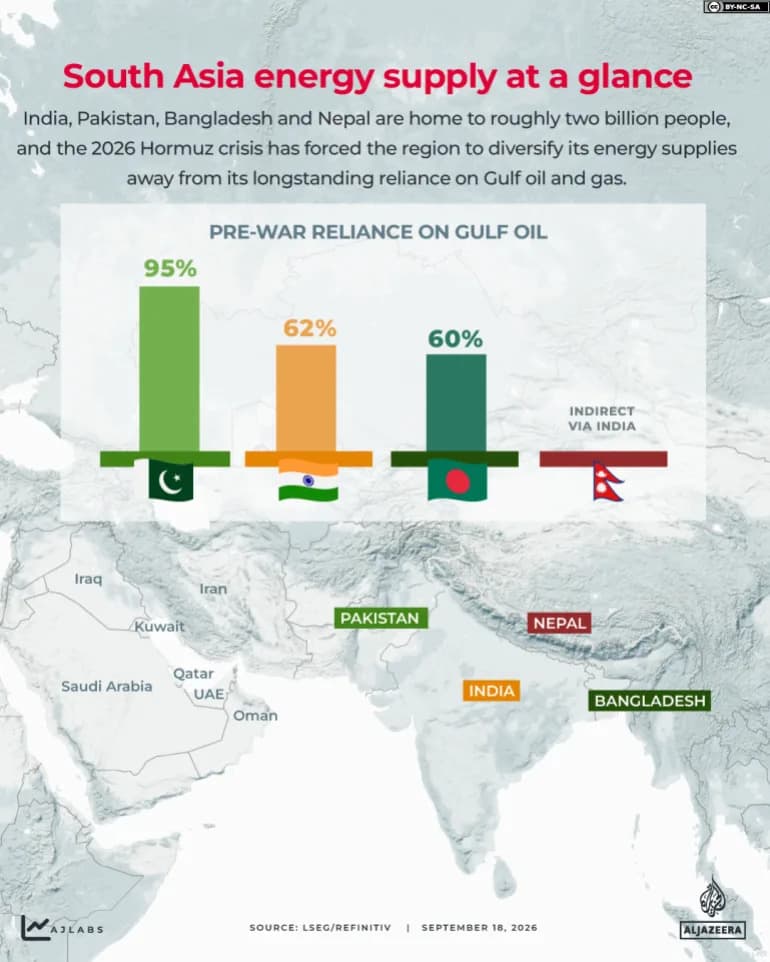
INTERACTIVE - South Asia energy supply at a glance - SEP18, 2026-1789720696
Nearly two billion people across India, Pakistan, Bangladesh and Nepal — about 23% of the world's population — are feeling the economic shockwaves of a widening conflict around Iran. The region already depended heavily on energy flows through the Gulf and the Strait of Hormuz; disruptions to those routes are now translating into higher fuel, electricity and food costs for ordinary households.
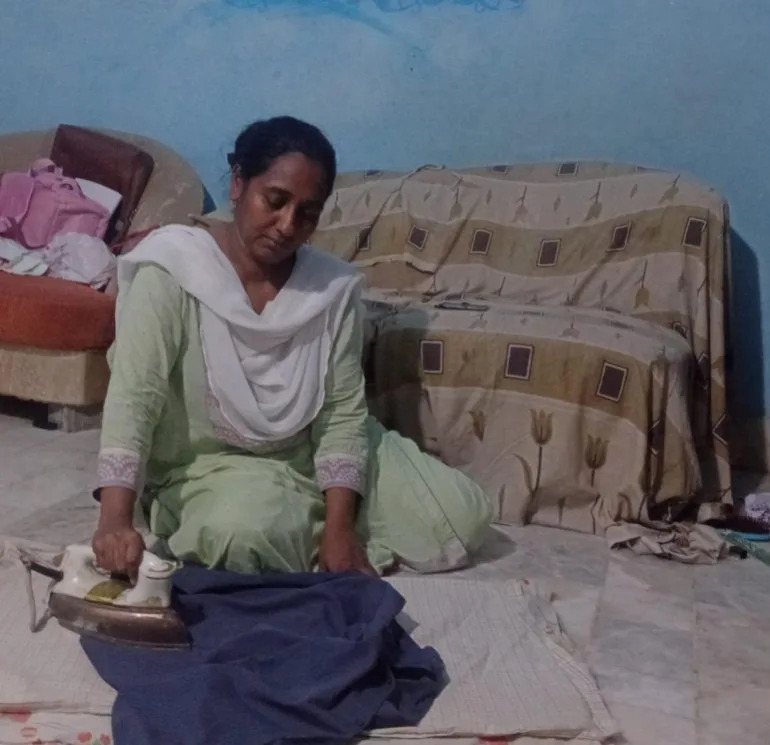
[Courtesy Sajida Jibran/Al Jazeera] (Al Jazeera)
How the Region Depends on Gulf Energy
India imports roughly 85% of the crude oil it consumes and is one of the world's largest crude importers. Gulf producers such as Iraq, Saudi Arabia, the United Arab Emirates and Kuwait have long been major suppliers, while Qatar supplies much of India’s liquefied natural gas (LNG). India also sources crude from Russia, Africa and the Americas, giving it a more diversified import mix than many neighbours.
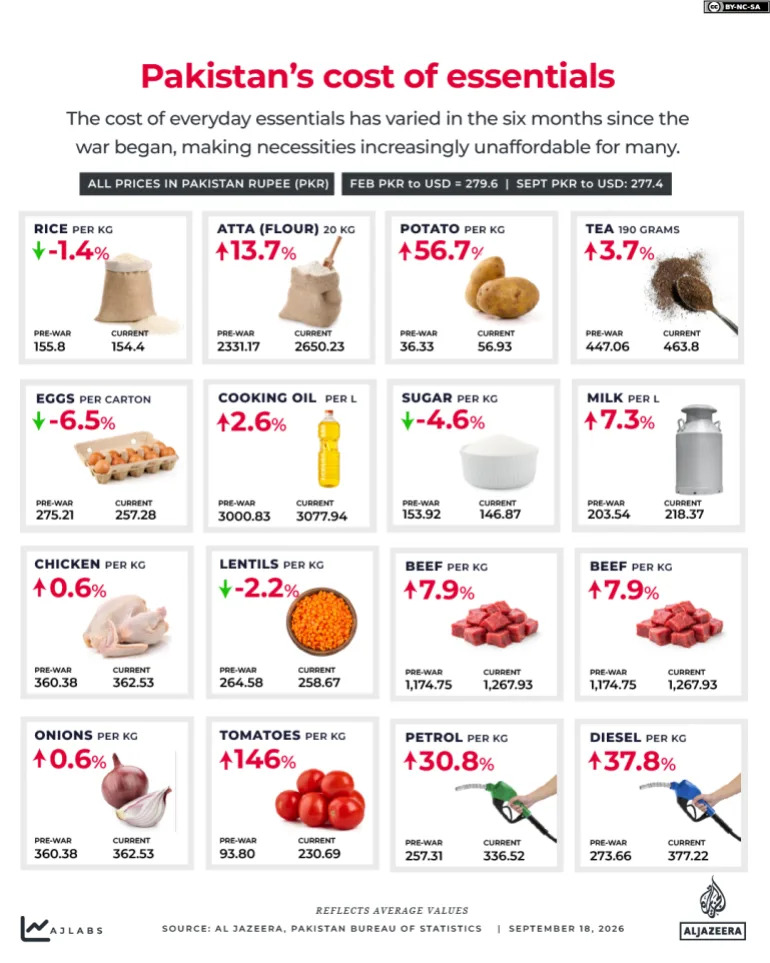
INTERACTIVE - Pakistan’s cost of essentials - SEP18, 2026-1789720743
Pakistan is also highly reliant on imported energy — crude oil, refined petroleum products and LNG. Saudi Arabia, the UAE and Kuwait have been important oil suppliers, and Qatar provides a significant share of Pakistan's LNG. With domestic gas reserves depleted, Pakistan now imports most of its natural gas.
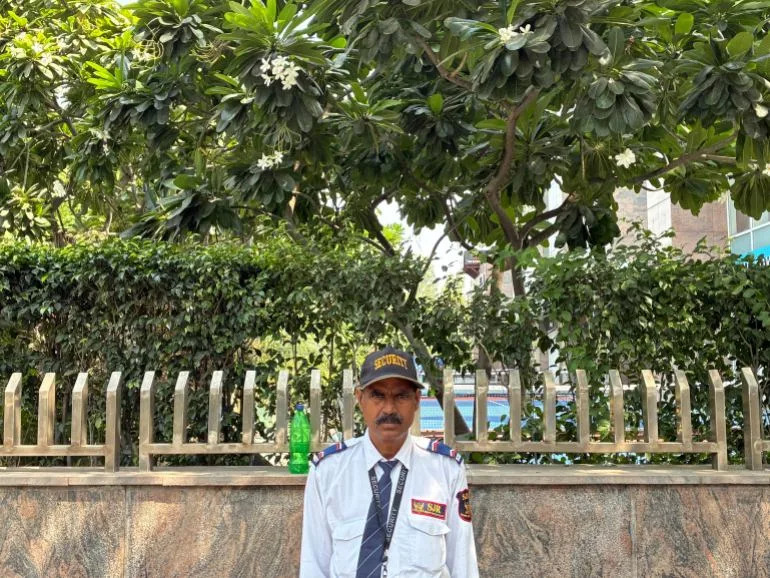
[Courtesy Balendra Singh/Al Jazeera]
Bangladesh produces natural gas domestically but has increasingly depended on imported LNG to meet growing demand. Qatar is a key LNG supplier, and Bangladesh also imports refined petroleum products.
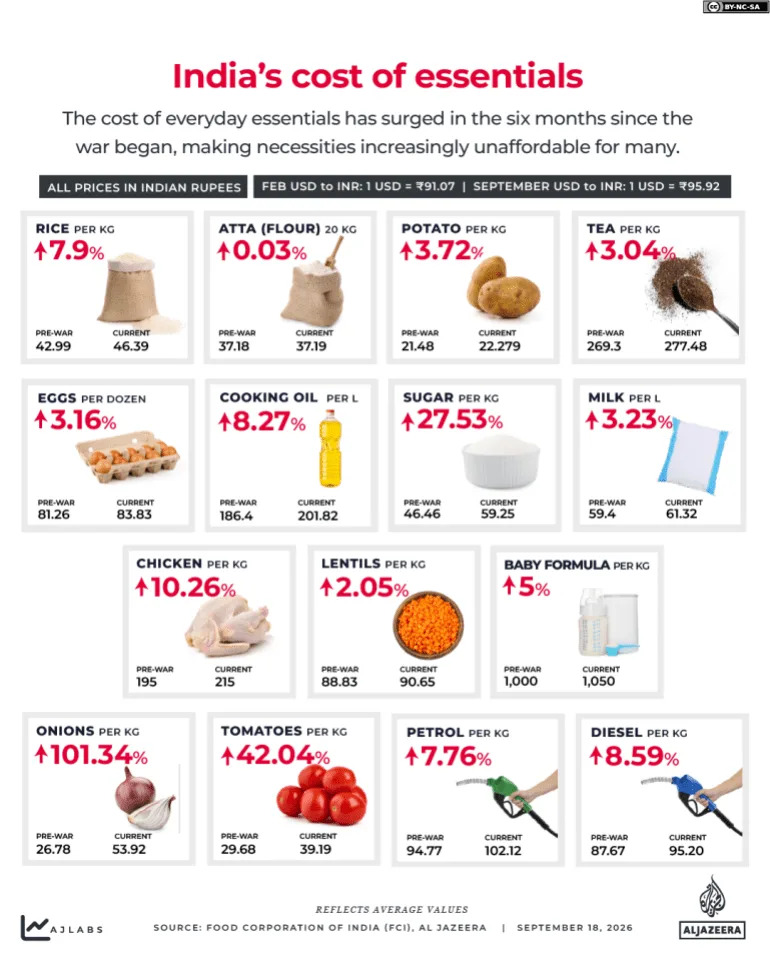
INTERACTIVE - INDIA’s cost of essentials - SEP18, 2026-1789720774
Nepal, a landlocked country, has no direct crude or LNG imports from the Gulf and depends on India for almost all petroleum products (petrol, diesel, kerosene and LPG). That makes Nepal indirectly vulnerable: Gulf disruptions that push up prices or create shortages in India can quickly ripple across the Nepali market.
Moudud Sajun / Al Jazeera (Al Jazeera)
Who Is Bearing the Burden?
In absolute volumes India faces the largest exposure because of the scale of its imports, while Pakistan and Bangladesh have fewer alternatives for some critical fuels. Nepal's vulnerability is mediated through India, but any interruption to Indian supplies filters rapidly into Nepal.
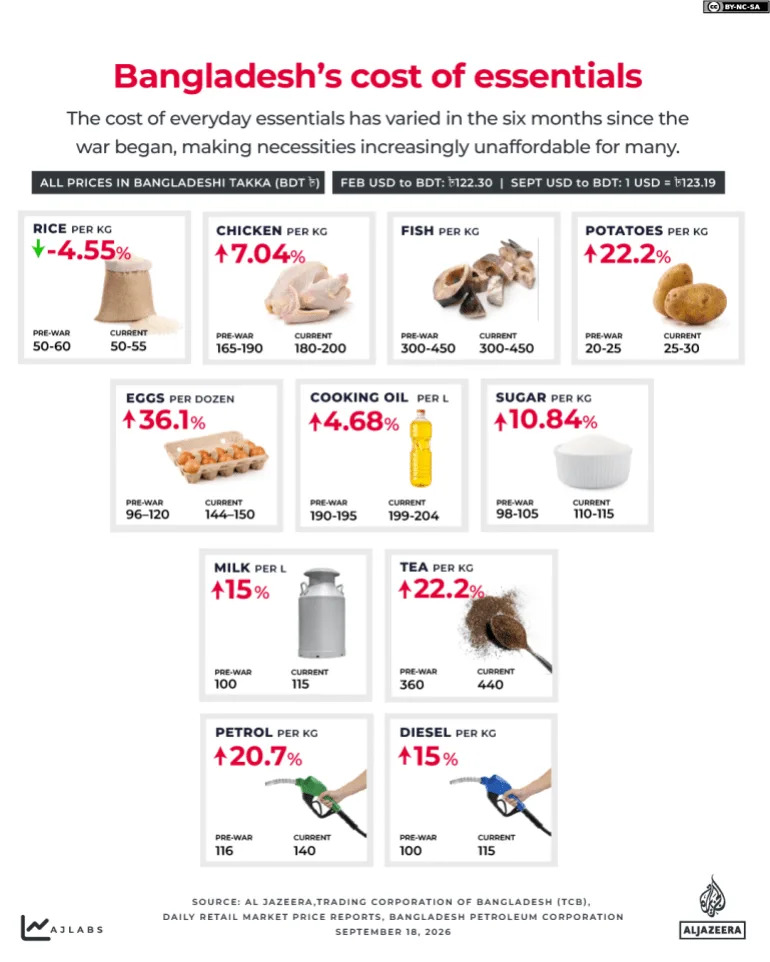
INTERACTIVE - Bangladesh’s cost of essentials - SEP18, 2026-1789720806
As with most economic shocks, the poorest and most economically vulnerable households are suffering first and worst: skipped school fees, reduced meals, unaffordable rents and utility bills, and a return to dirtier, health-damaging fuels.
[Courtesy Basent/Al Jazeera] (Al Jazeera)
Voices From the Ground
Sajida Jibran, Karachi, Pakistan
"My rent went from 15,000 Pakistani rupees ($54) at the end of last year to 25,000 rupees ($90) this month. Before the war, we could buy meat and chicken; now even vegetables are too expensive. Electricity bills that were around 1,500 rupees ($5.40) are starting at about 5,000 rupees ($18), and gas bills are a minimum of 2,000 rupees ($7). I had to stop paying my children's school fees — we had to choose between education and food."
Balendra Singh, Noida (near New Delhi), India
"I cannot afford to feed so many mouths in a big city today. Inflation has gotten the better of us. Rising fuel prices have pushed up rickshaw fares — even a five-rupee increase adds up each month. When LNG supplies were disrupted earlier, neighbours and I resorted to burning wood despite the health risks. My children did not attack Iran; we are paying the price for a conflict far from our homes."
Asma Begum, Dhaka, Bangladesh
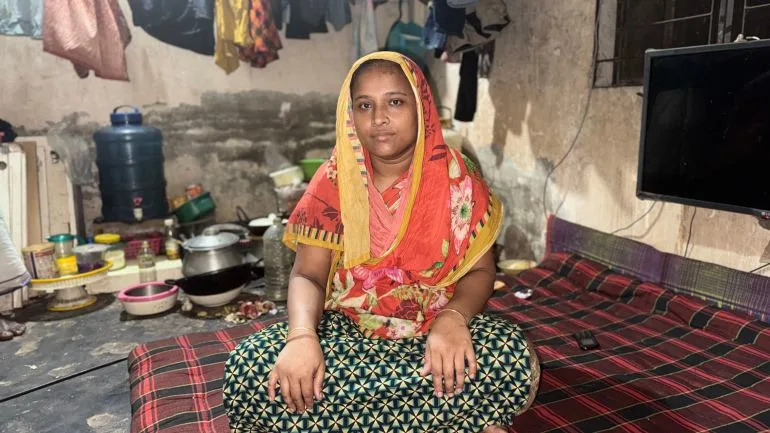
"I earn about 5,000 taka a month ($41) washing dishes. Richer households are under pressure too, so many are cutting paid domestic help. Demand for my work has fallen, and my family back in Barishal are struggling as well — my mother is ill and my father and brother do construction work that is now less steady."
Gyanu Basent, Kathmandu, Nepal
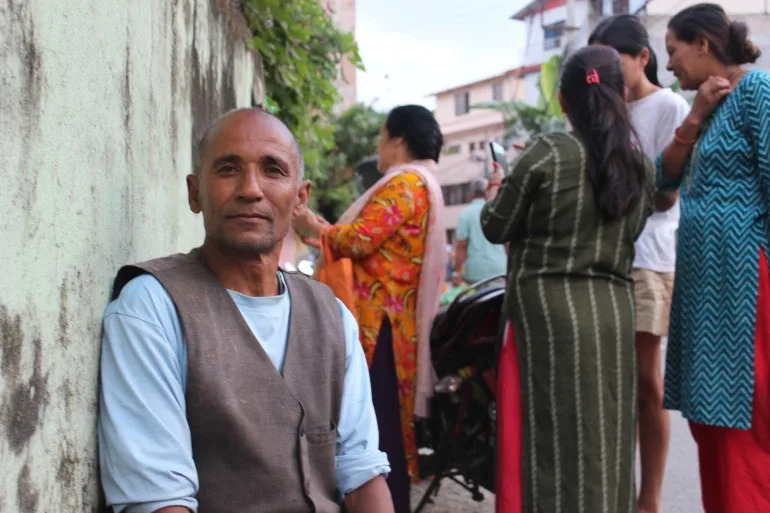
"I moved to the city after farming became untenable. I carry all kinds of loads — increasingly LPG cylinders — and earn around NPR 500 per day (about $4) when there is work. On slow days I make only NPR 200–300. I now eat at cheap eateries because cooking at home has become more expensive. A nonprofit pays for my daughter's schooling, and my father relies on an elderly allowance, but we can barely get by."
What Comes Next
With supply routes increasingly constrained and the conflict expanding, policy decisions in New Delhi, Islamabad, Dhaka and Kathmandu will shape how quickly households are insulated from further shocks. Short-term measures could include targeted cash transfers, subsidies for the most vulnerable, strategic fuel reserves and steps to diversify import sources. Longer-term resilience will require investment in domestic energy production, alternative imports, and social protections for low-income families.
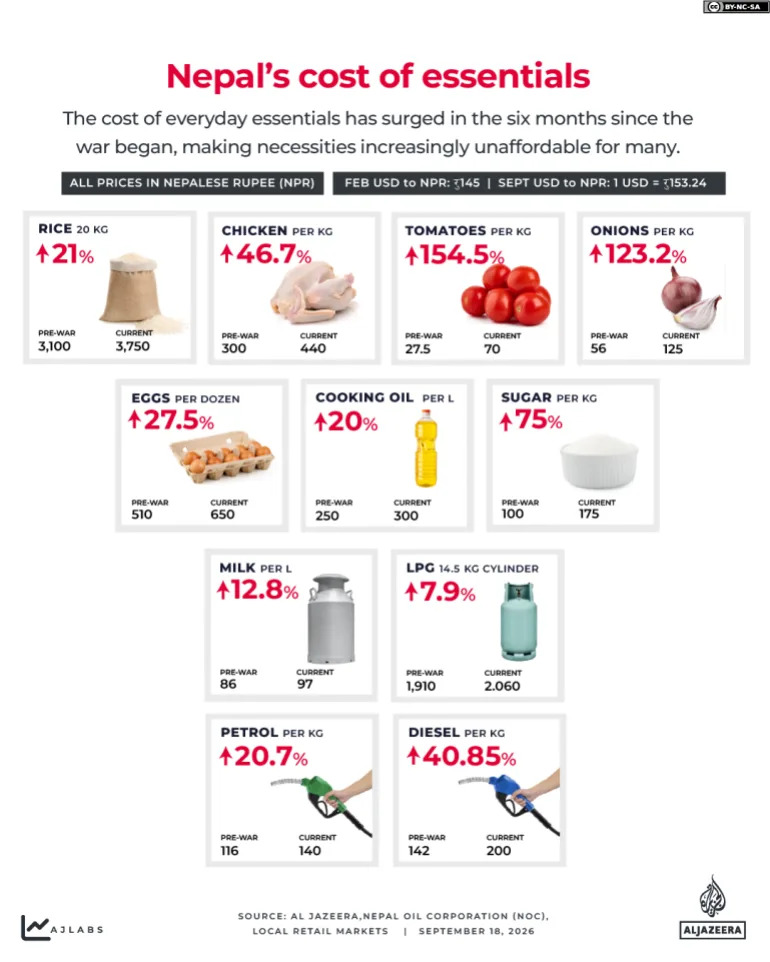
INTERACTIVE - Nepal’s cost of essentials - SEP18, 2026-1789720833
Reporting from Noida, India, by Yashraj Sharma; from Dhaka, Bangladesh, by Moudud Sajan; and from Kathmandu, Nepal, by Samik Kharel.
Help us improve.