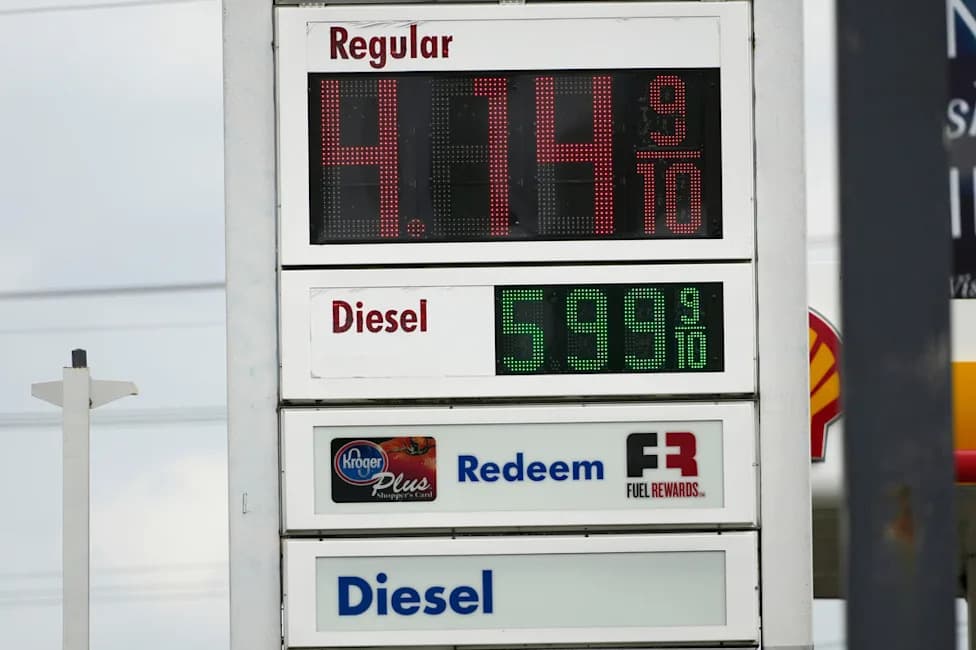
Global unrest over rising fuel costs: oil topped $100 per barrel after attacks on tankers and renewed fighting in Yemen, pushing energy prices higher worldwide. Protests have spread from Syria—where diesel rose roughly 40%—to Guatemala, Portugal, France and the Philippines. Governments are proposing temporary caps, subsidies and targeted relief for transport, emergency services and vulnerable households, but sustained price volatility could prolong economic pain and social unrest.
Skyrocketing Fuel Prices Spark Global Protests as Oil Tops $100
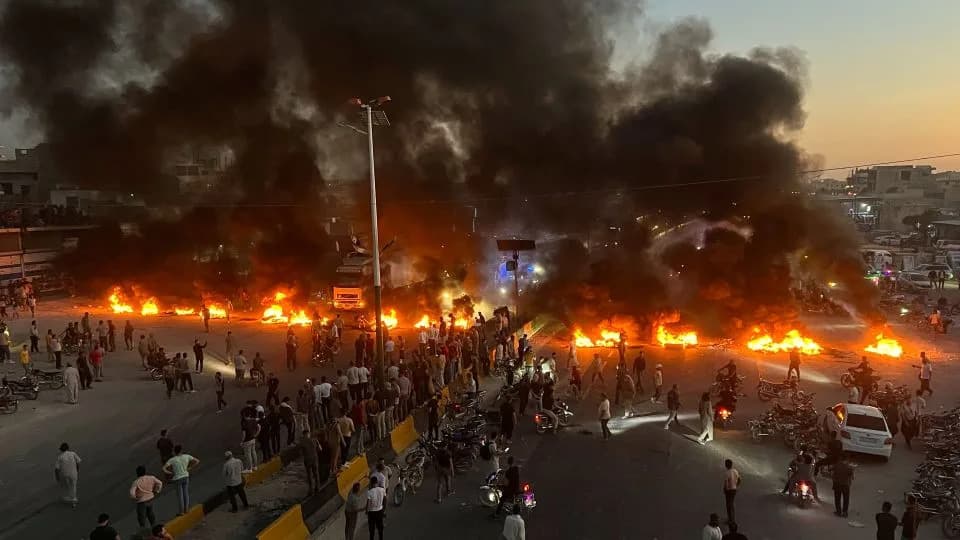
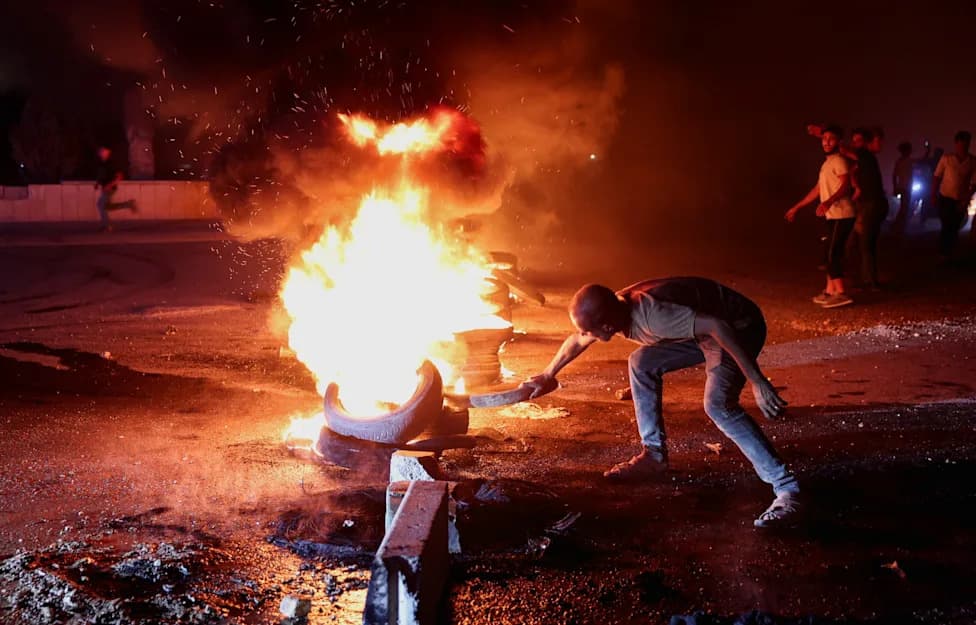
Protesters in Idlib province burn tires and other debris to block a highway as demonstrations over fuel price increases spread across Syria on September 13. - Ahmed Albam/AP
Global protests have erupted as households, transport workers and emergency services reel from surging fuel costs and intermittent power cuts. Analysts and market watchers link the spike in energy prices to renewed conflict involving Iran and threats to key shipping routes, pushing Brent crude above $100 per barrel.
Why Prices Are Rising
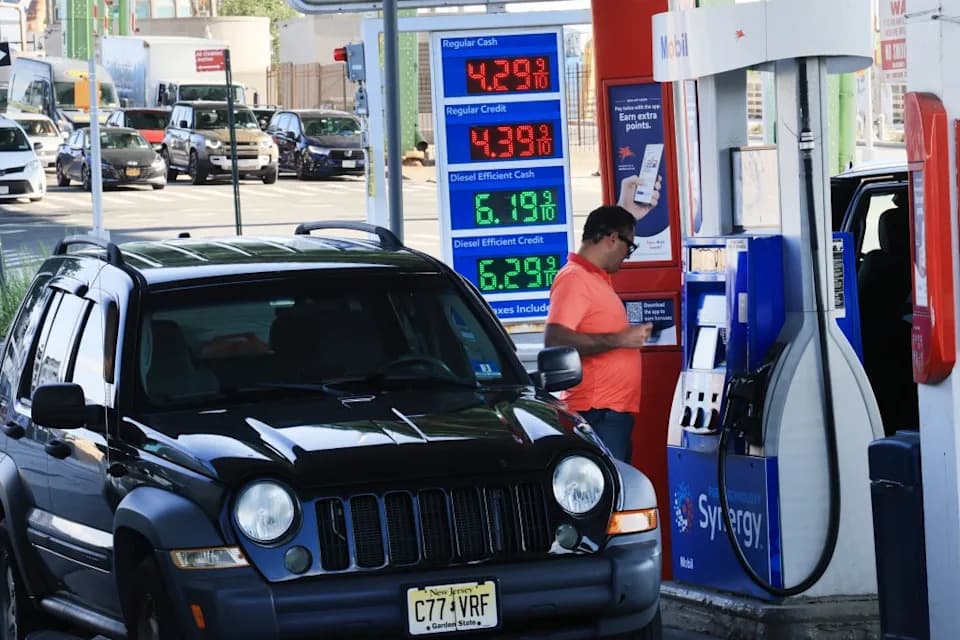
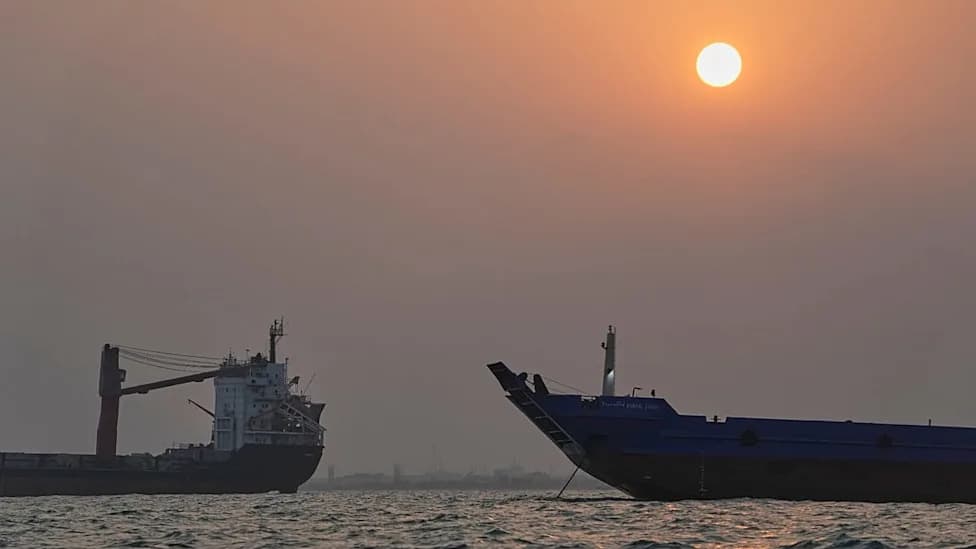
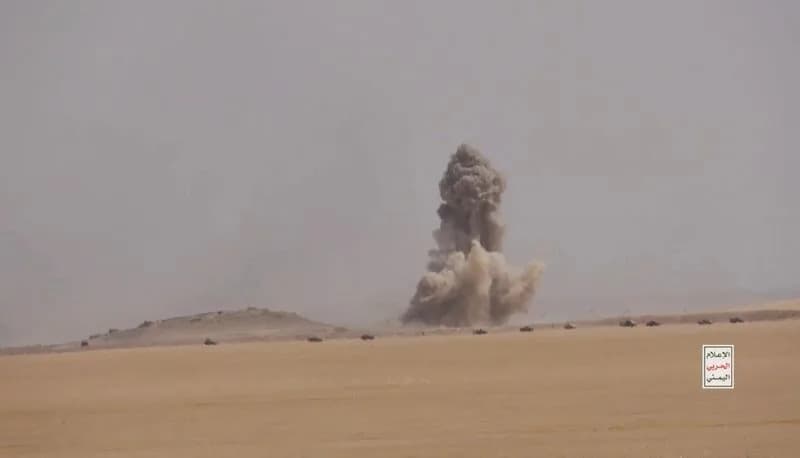
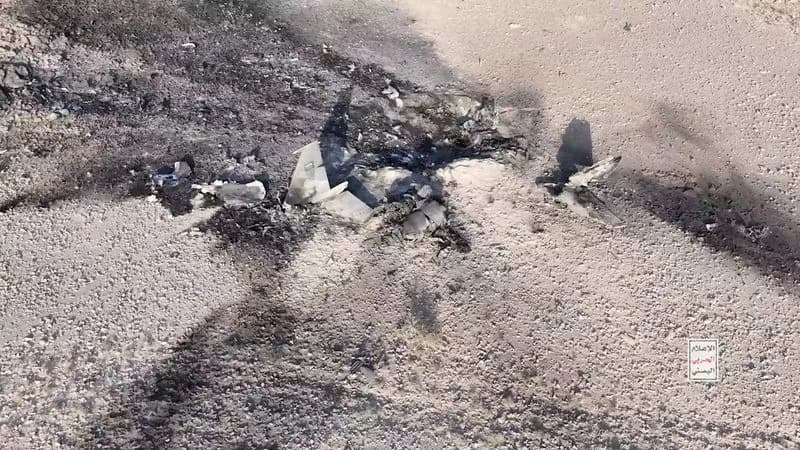
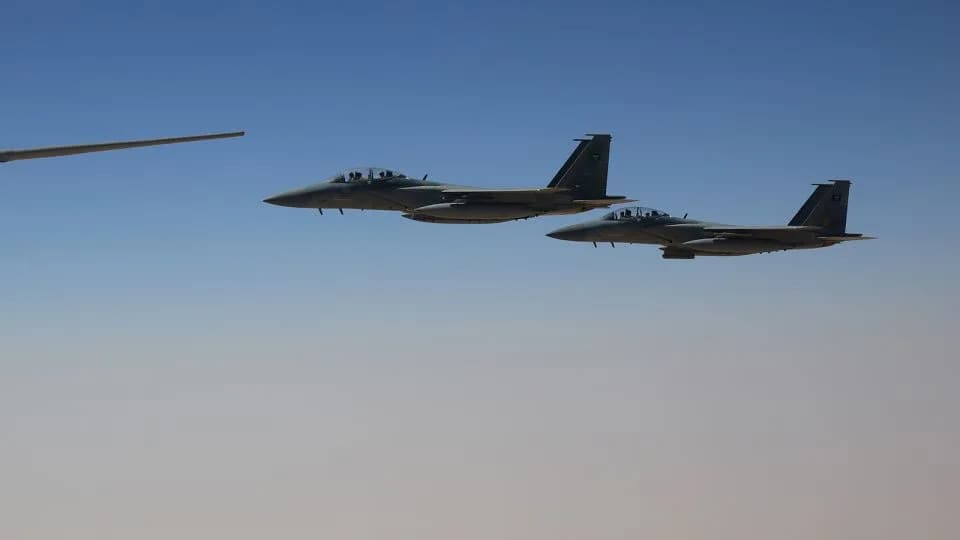
Oil climbed past the $100-per-barrel mark after further US strikes on Iranian oil tankers in the Gulf and renewed fighting in Yemen, which raised shipping risks through the Bab al-Mandab Strait. Analysts warn that continued disruption could push heating oil costs sharply higher for many households—some forecasts project increases around 30% if the conflict persists.
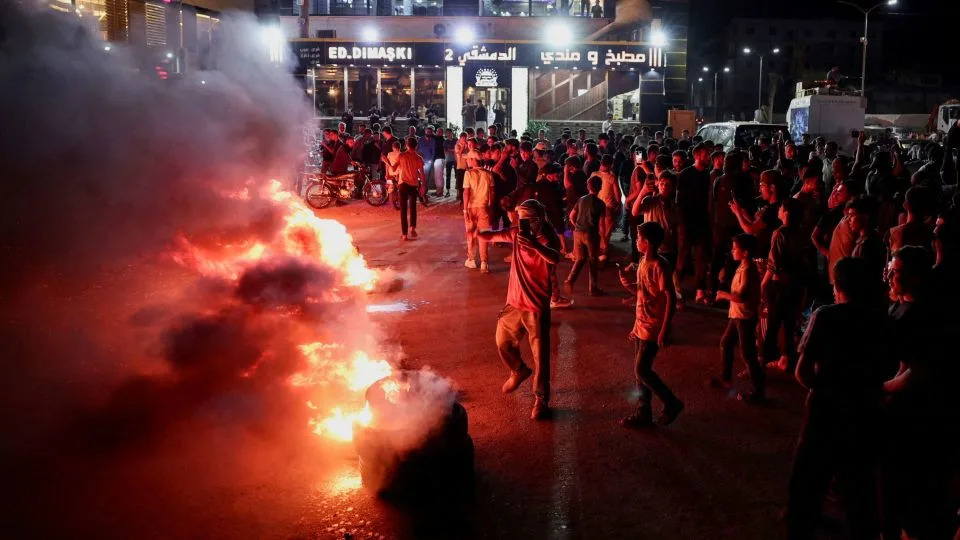
Protesters burn tires and block the road during a demonstration against rising fuel prices on the highway between Aleppo and Turkey, Syria, September 13. - Mahmoud Hassano/Reuters
Where Protests Are Erupting
Syria
A weekend spike in fuel prices prompted the largest street protests in Syria since the fall of the Assad regime two years ago. The government temporarily raised diesel prices to 175 Syrian pounds (about $1.43) per liter—roughly a 40% increase—and increased gasoline prices by more than 25%, the Syrian News Agency (SANA) reported. The Energy Ministry cited global price surges and maintenance at the Baniyas refinery, which has increased Syria's reliance on imports.
Observers from ACLED said demonstrators blocked the Hasaka–Deir ez-Zor highway, burned tires and halted oil tankers in some areas. Protesters issued economic and political demands, with one saying: 'We don't want higher wages, we want cheaper fuel.'
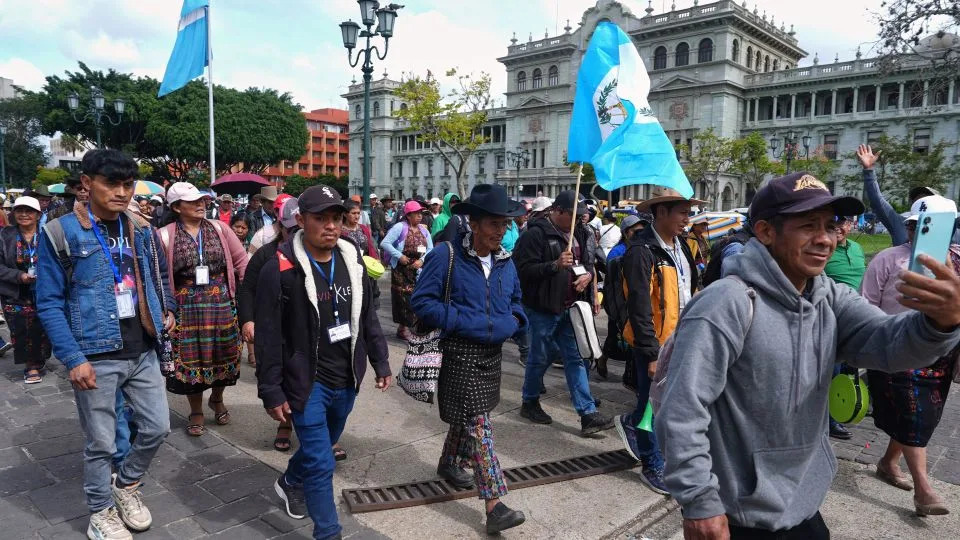
Indigenous march to Congress to protest against rising fuel prices and demand government subsidies in Guatemala City, September 8. - Moises Castillo/AP
Guatemala
Convoys of truckers and other protesters blocked highways across Guatemala, pressing for immediate government relief from rising pump prices. Congress is considering a bill to cap fuel prices until the end of the year; if approved, the proposal would trigger subsidies for fuel importers when market prices exceed the cap. Luis Contreras Colindres, president of Congress, said the government and legislature must resolve the problem because 'people cannot pay these prices and not feel the impact on their finances.'
Portugal
Around 80 local business owners and workers marched in Espinho to protest fuel costs and broader cost-of-living pressures, ending at the home of Prime Minister Luís Montenegro. The Portuguese Firefighters' League warned that rising fuel costs are straining volunteer brigades. The government announced a package of targeted measures to support freight hauliers, taxi drivers, fire services and social-sector actors.
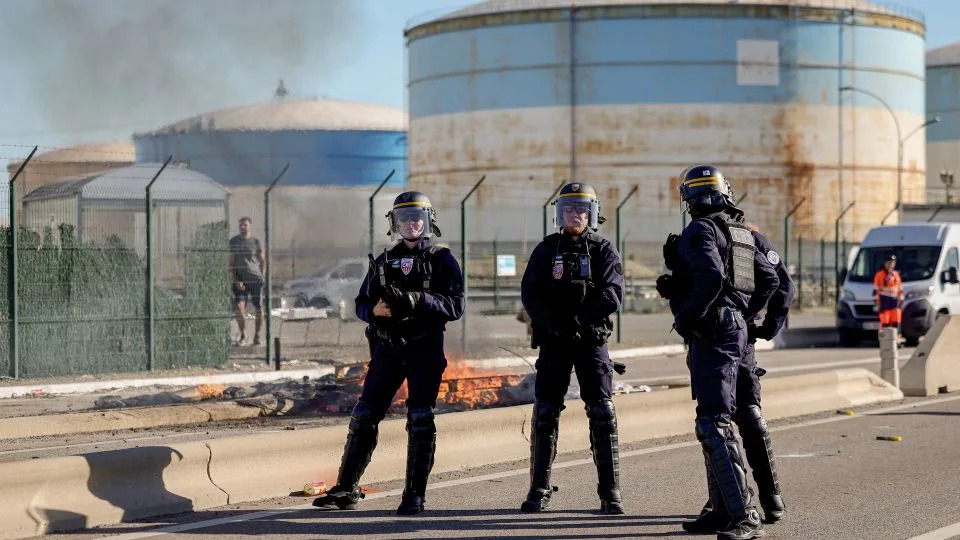
Riot police stand by a pallet fire after several dozen fishermen blocked an oil depot in the port of Fos-sur-Mer to protest rising fuel prices on September 15. - Clement Mahoundeau/AFP/Getty Images
France
About 50 fishermen briefly blockaded a major fuel depot in Fos-sur-Mer, protesting crippling fuel costs that threaten local livelihoods. The action led to short clashes with police. The town's mayor described the fishing sector as in 'profound crisis' and appealed for urgent state assistance.
Philippines
Transport group Manibela staged strikes after another round of price hikes, which raised gasoline by 5.68 pesos (around $0.01) per liter; diesel and kerosene also increased. Energy Secretary Sharon S. Garin said moves to ease excise taxes on petroleum products could now be considered. Demonstrations earlier in the year drew thousands in Manila as unions and student groups protested the broader cost-of-living squeeze linked to higher energy prices.
Global Implications
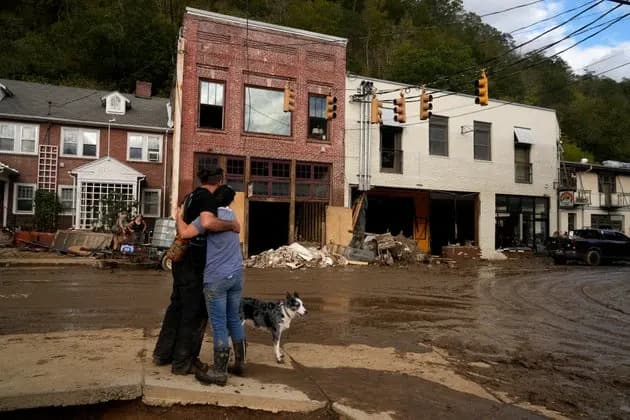
Rising fuel prices squeeze household budgets, raise operating costs for businesses, and threaten essential services such as volunteer fire brigades and the fishing industry. Governments are announcing temporary relief measures—price caps, subsidies and targeted support packages—but long-term volatility in energy markets could sustain public discontent if prices remain elevated.
Reporting contributions: CNN's Heather Law. For more coverage, see major international outlets and local reporting referenced in this article.
Help us improve.