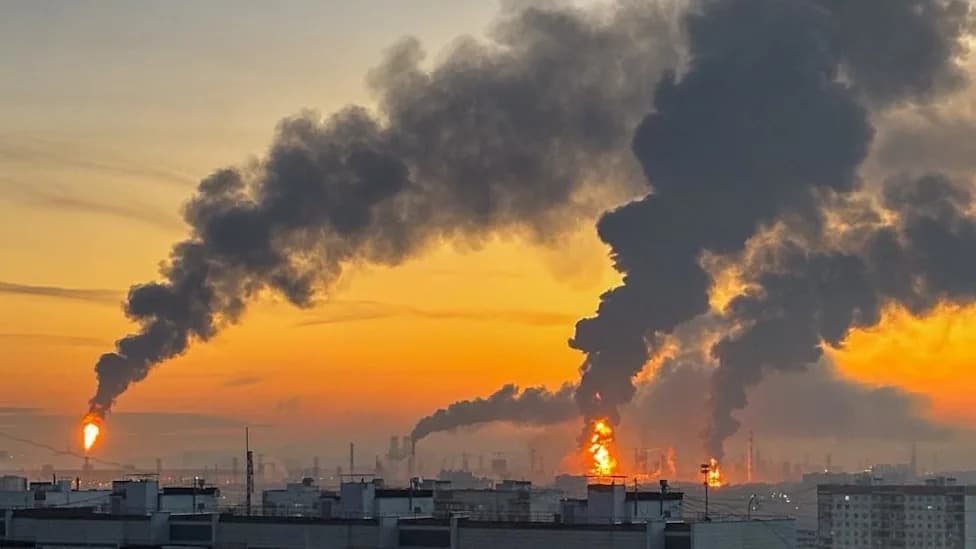
Global protests are spreading as oil prices top $100 a barrel amid US strikes linked to Iran and renewed fighting near the Bab al-Mandab Strait. Analysts warn heating costs could rise by up to 30% for some households. Countries from Syria and Guatemala to Portugal, France and the Philippines have seen demonstrations, strikes and blockades, prompting responses that range from temporary subsidies and price caps to austerity measures. The unrest reflects broader economic strain that is increasingly being directed at governments.
Rising Fuel Costs Ignite Global Protests as Middle East Tensions Push Prices Above $100
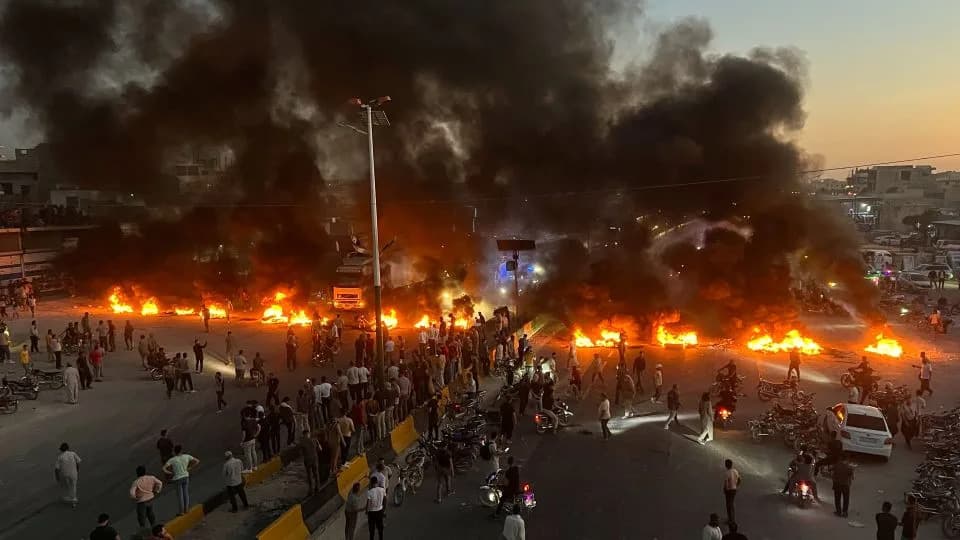
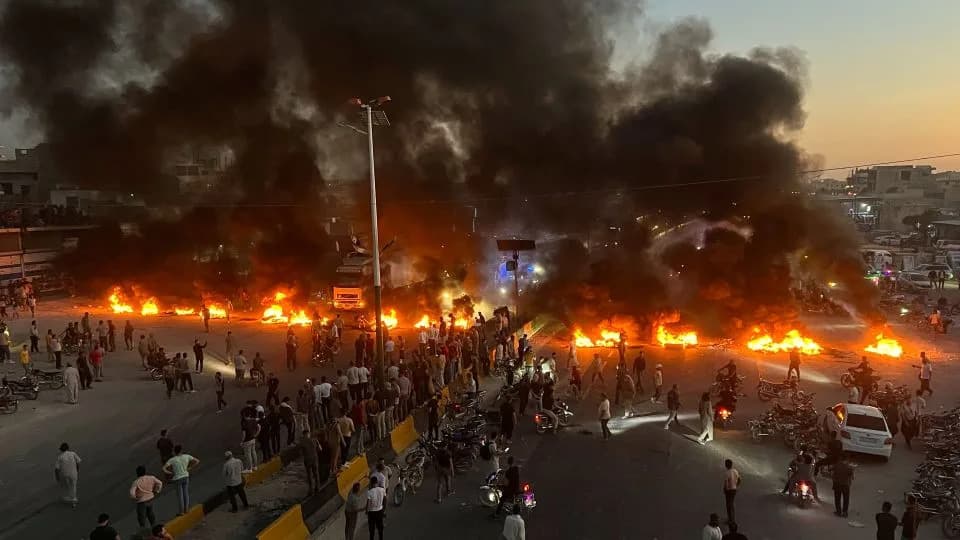
Protesters in Idlib province burn tires and other debris to block a highway as demonstrations over fuel price increases spread across Syria on September 13. - Ahmed Albam/AP
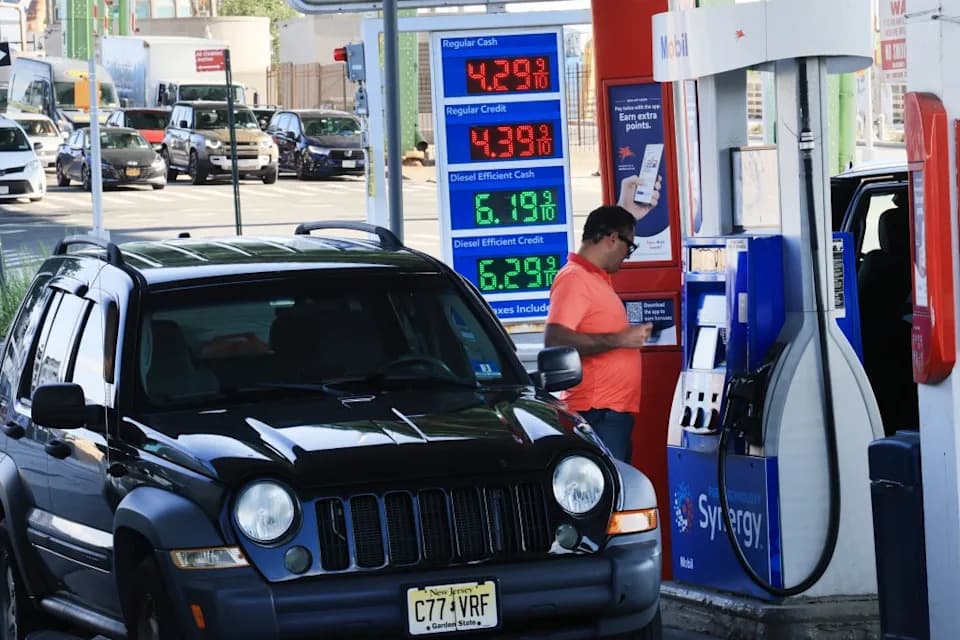
Protests have erupted worldwide as a sustained escalation of tensions linked to the US campaign against Iran has helped push oil above $100 a barrel, driving up pump prices, heating bills and operating costs for households and businesses.
Why Prices Are Surging
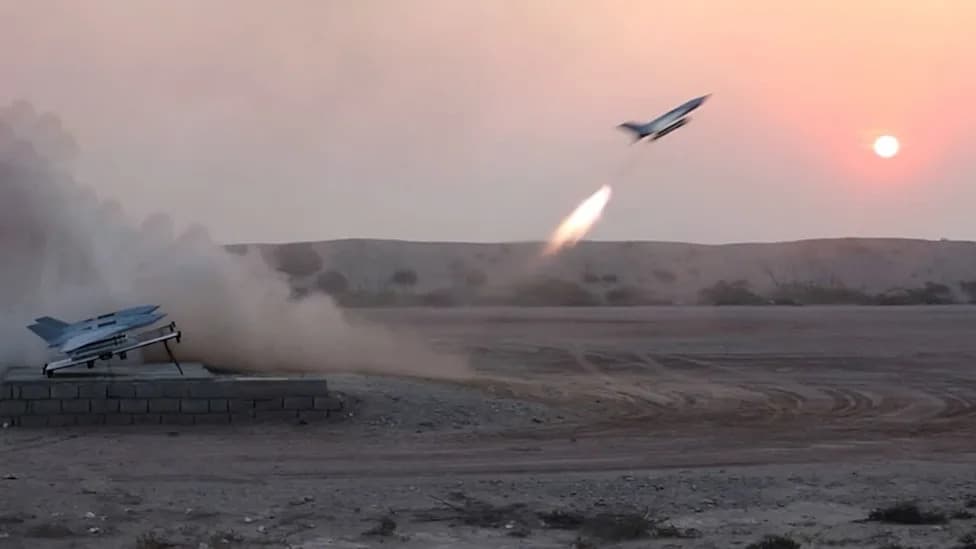
Oil prices climbed back above the $100-per-barrel mark after reported US strikes on tankers linked to Iran in the Gulf and renewed fighting in Yemen, which threatens shipping through the Bab al-Mandab Strait. Analysts warn the conflict could translate into steep increases in consumer energy bills — in some forecasts, heating costs could rise by as much as 30% for vulnerable households.
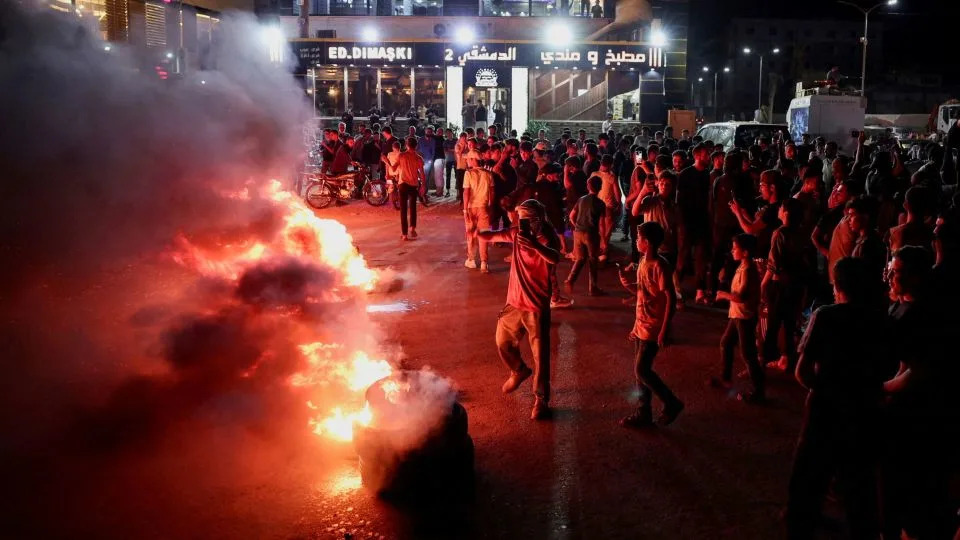
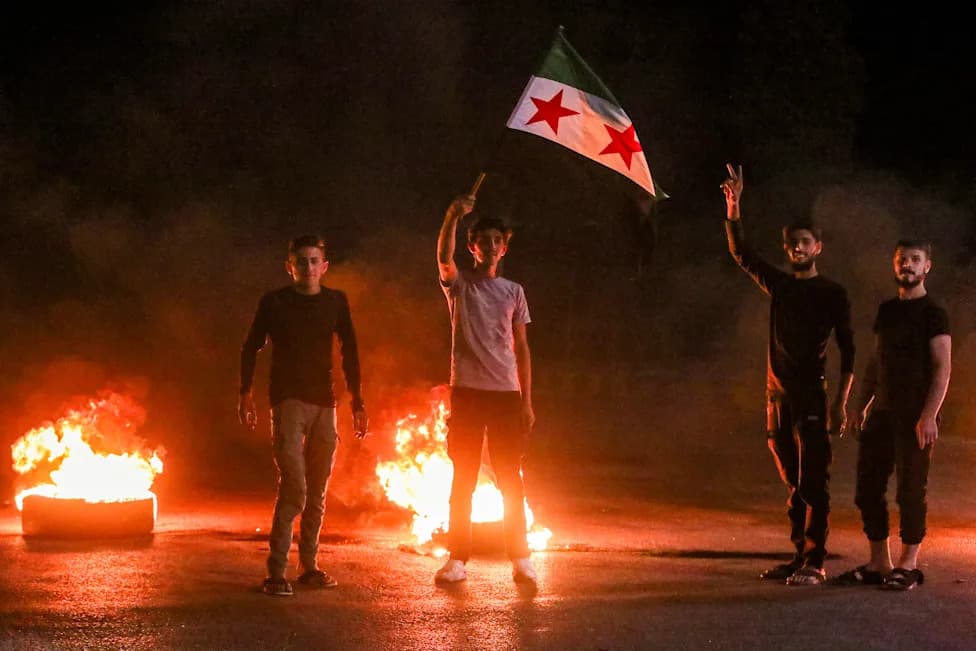
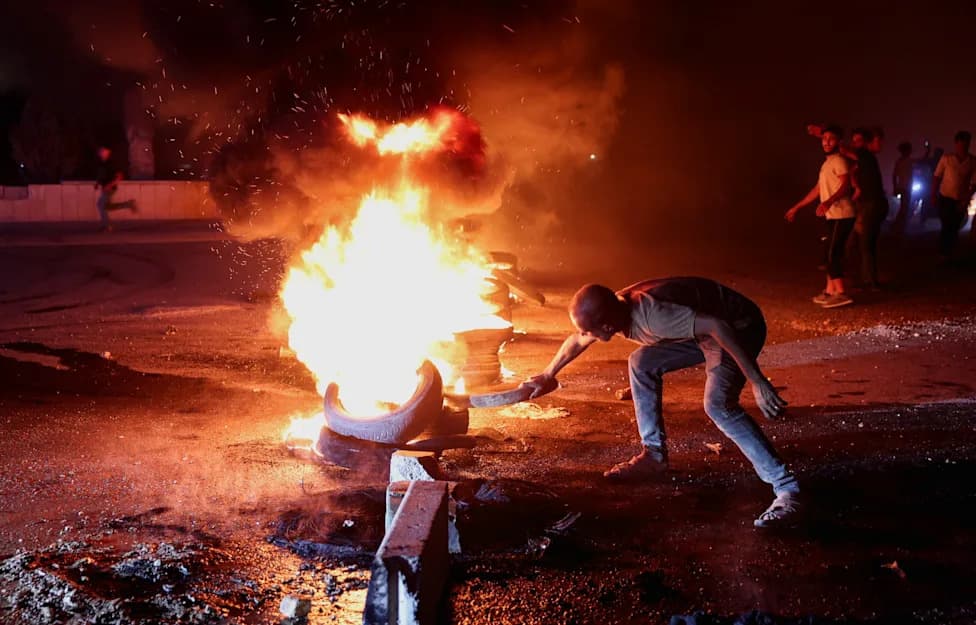
Protesters burn tires and block the road during a demonstration against rising fuel prices on the highway between Aleppo and Turkey, Syria, September 13. - Mahmoud Hassano/Reuters
How Countries Are Responding
Governments have adopted a range of measures as public anger mounts. Pakistan announced a nationwide austerity and energy-conservation campaign, including a temporary 50% cut in fuel allocations for government vehicles for three months, with exemptions for ambulances, fire services, law enforcement and other essential services.
Protests and Local Impacts
The price shock is provoking demonstrations, strikes and road blockades in multiple regions:
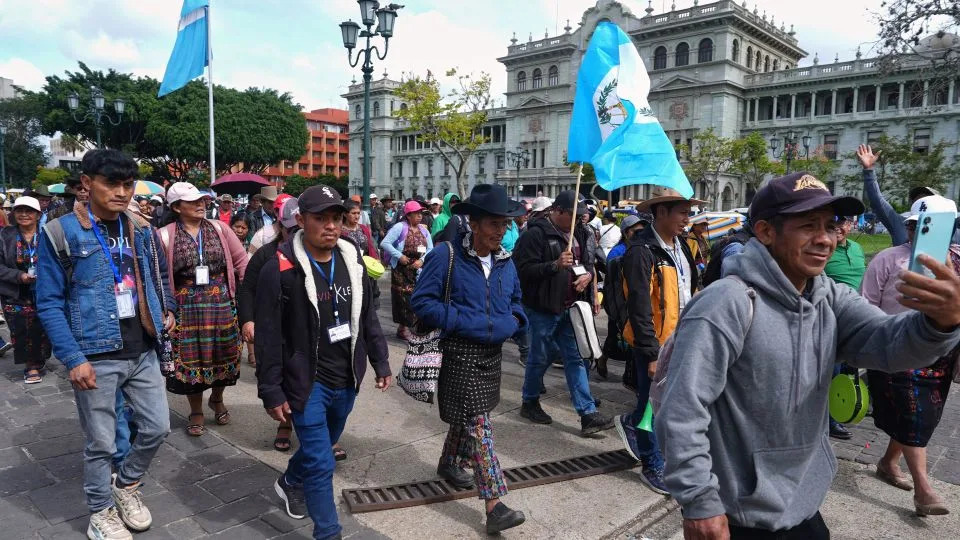
Indigenous march to Congress to protest against rising fuel prices and demand government subsidies in Guatemala City, September 8. - Moises Castillo/AP
Syria
The government temporarily raised diesel to 175 Syrian pounds per liter — roughly $1.43 — a near-40% increase, and increased gasoline prices by more than 25%. The hikes, attributed by state officials to global price spikes and refinery maintenance at Baniyas, sparked the largest protests in Syria since the fall of the Assad regime two years ago. Demonstrators blocked highways, burned tires and halted oil tankers, with demands widening from cheaper fuel to calls for policy reversals and government accountability.
"We don't want higher wages, we want cheaper (fuel)," a protester in Aleppo told Reuters.
Guatemala
Organized truckers and other groups blocked highways to demand immediate government action. Congress is considering a bill to cap fuel prices through the end of the year; if enacted, the government would subsidize importers when market prices exceed the cap. Lawmakers warned diesel price shocks threaten the country’s economy and livelihoods.
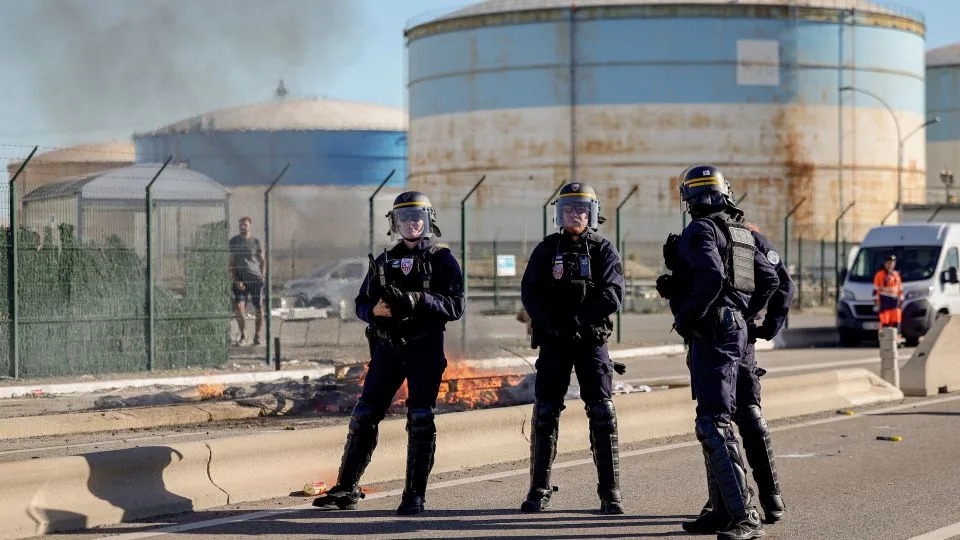
Riot police stand by a pallet fire after several dozen fishermen blocked an oil depot in the port of Fos-sur-Mer to protest rising fuel prices on September 15. - Clement Mahoundeau/AFP/Getty Images
Portugal
Dozens of local business owners and workers marched in the coastal city of Espinho to protest rising fuel and living costs, ending their march at the prime minister's residence. The government announced a package of targeted relief measures aimed at freight transporters, taxi drivers, firefighters and vulnerable social groups.
France
About 50 fishermen briefly blockaded a major fuel depot in Fos-sur-Mer, clashing with police and demanding urgent state support as the fishing sector faces mounting cost pressures.
The Philippines
Transport group Manibela staged strikes to demand subsidies and tax relief after petroleum companies implemented fresh price hikes, including an increase of 5.68 pesos per liter of gasoline. Officials signaled they may pursue reductions in excise taxes on petroleum products as part of relief efforts. Student unions and other groups have periodically joined protests over a broader cost-of-living crisis.
Why This Matters
Rising fuel costs ripple across economies: higher transport and production costs feed into food prices and inflation, hitting lower-income households hardest. As economic grievances deepen, protests are increasingly directed at political leaders and institutions, forcing governments to weigh temporary subsidies, price caps and austerity measures while facing growing public pressure for durable solutions.
Note: This report synthesizes multiple local accounts and official statements on protests, price changes and policy responses related to recent energy-price movements.
Help us improve.