China is confronting a tightening oil market after a major Saudi pipeline closure and constraints on shipments through the Strait of Hormuz limited Middle Eastern supplies. With Russian and Iranian barrels constrained by sanctions and conflict, Chinese refiners are sourcing alternatives from Russia, Latin America and Africa, but grade compatibility, distance and limited volumes cap replacements. As refinery runs rise and inventories fall, Beijing has launched diplomatic efforts to stabilise shipping and energy markets ahead of high-level talks.
China's Growing Oil Squeeze: Pipeline Shutdowns, Hormuz Risks and a Race for Crude
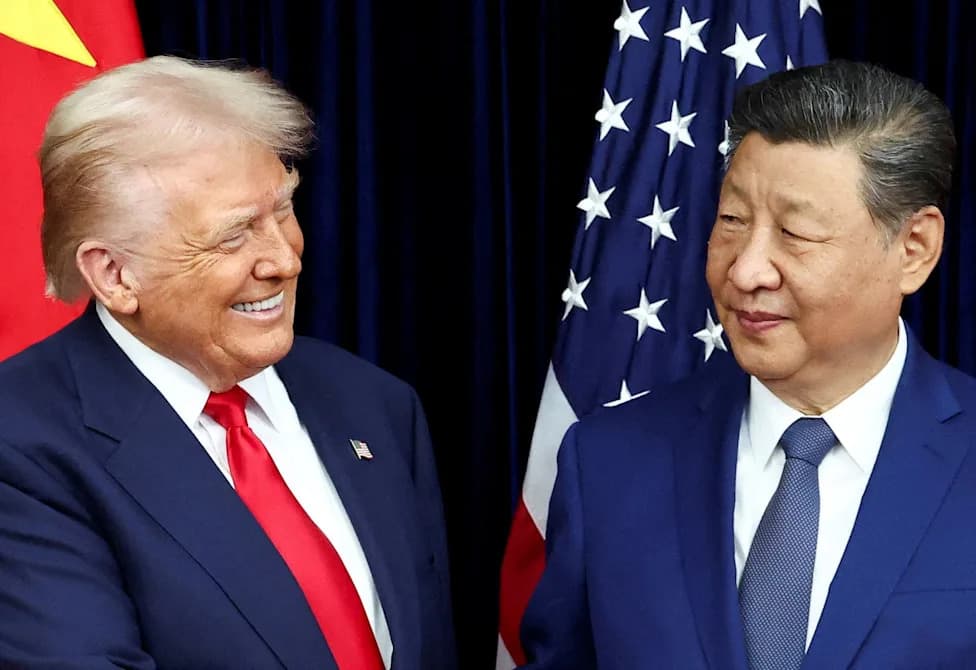
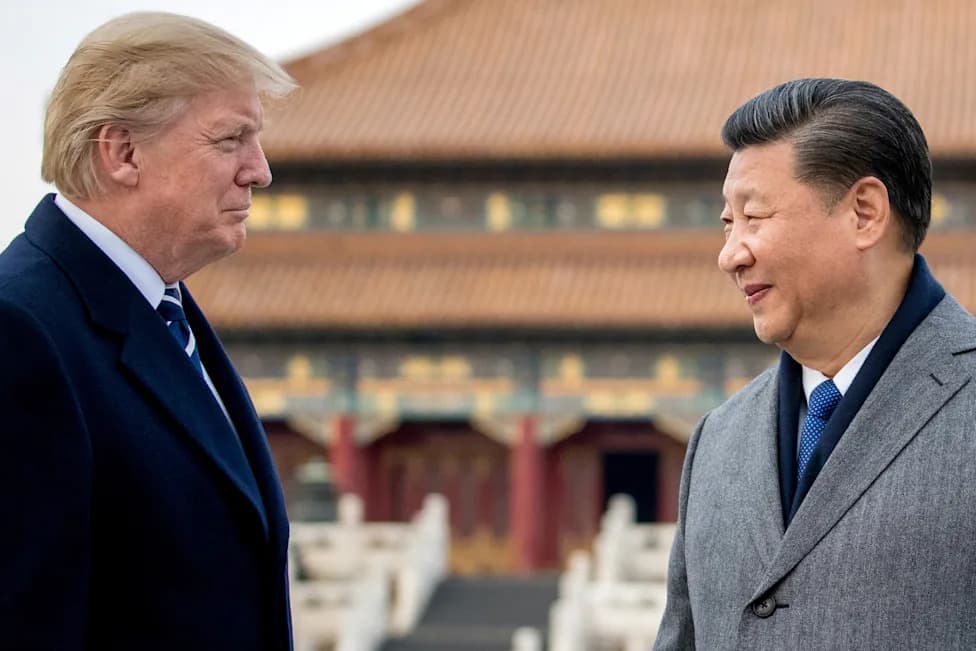
US President Donald Trump and Chinese President Xi Jinping react as they hold a bilateral meeting at Gimhae International Airport, on the sidelines of the Asia-Pacific Economic Cooperation (APEC) summit, in Busan, South Korea, October 30, 2025 [File: Reuters/Evelyn Hockstein]
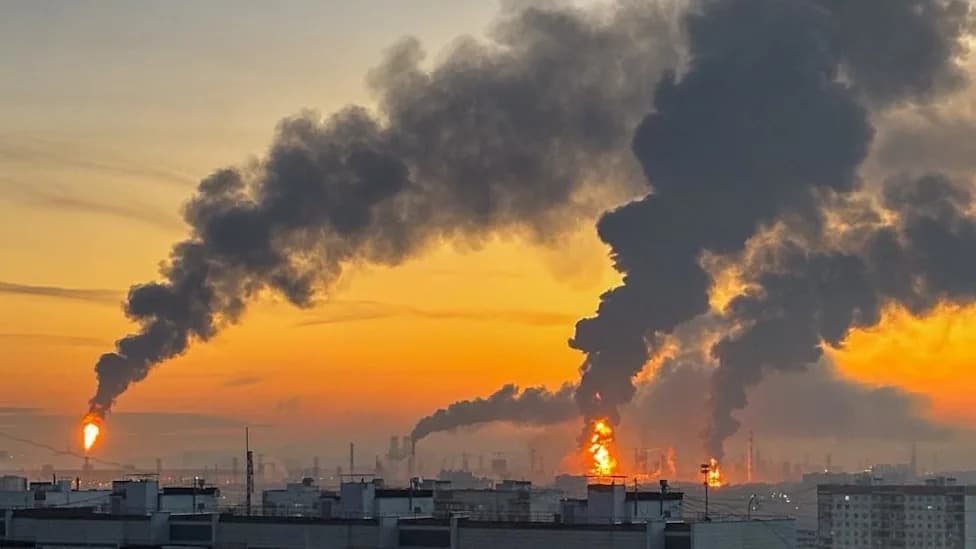
China is facing a mounting oil supply squeeze as pipeline closures and constrained shipments through the Strait of Hormuz have narrowed reliable routes for Middle Eastern crude. The disruption — amid wider regional conflict and attacks on infrastructure — has pushed domestic and global oil prices higher and forced Beijing into an urgent scramble for alternative supplies.
Supply Shock and Immediate Impact
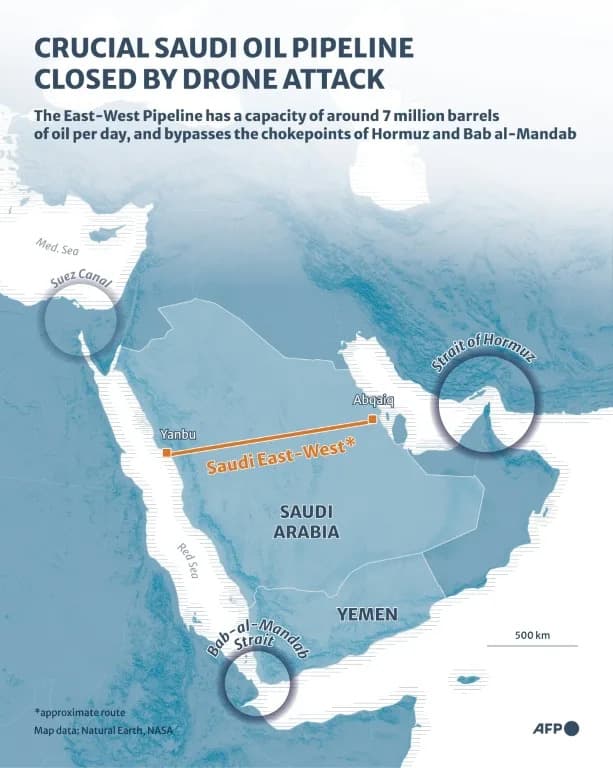
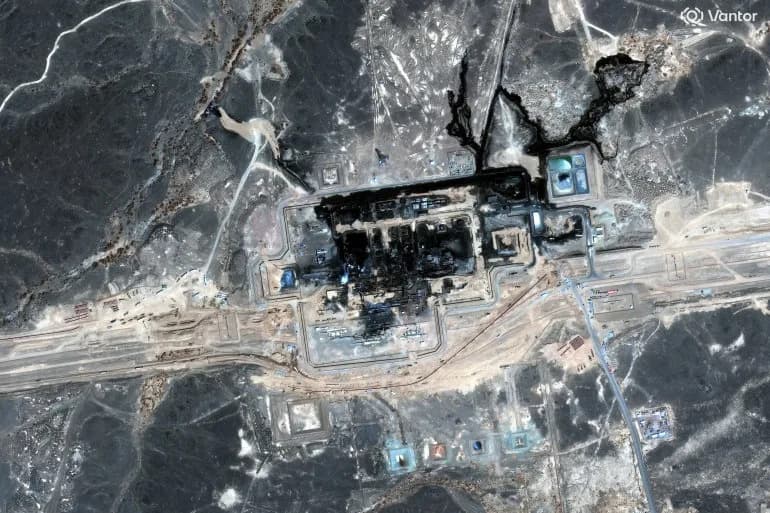
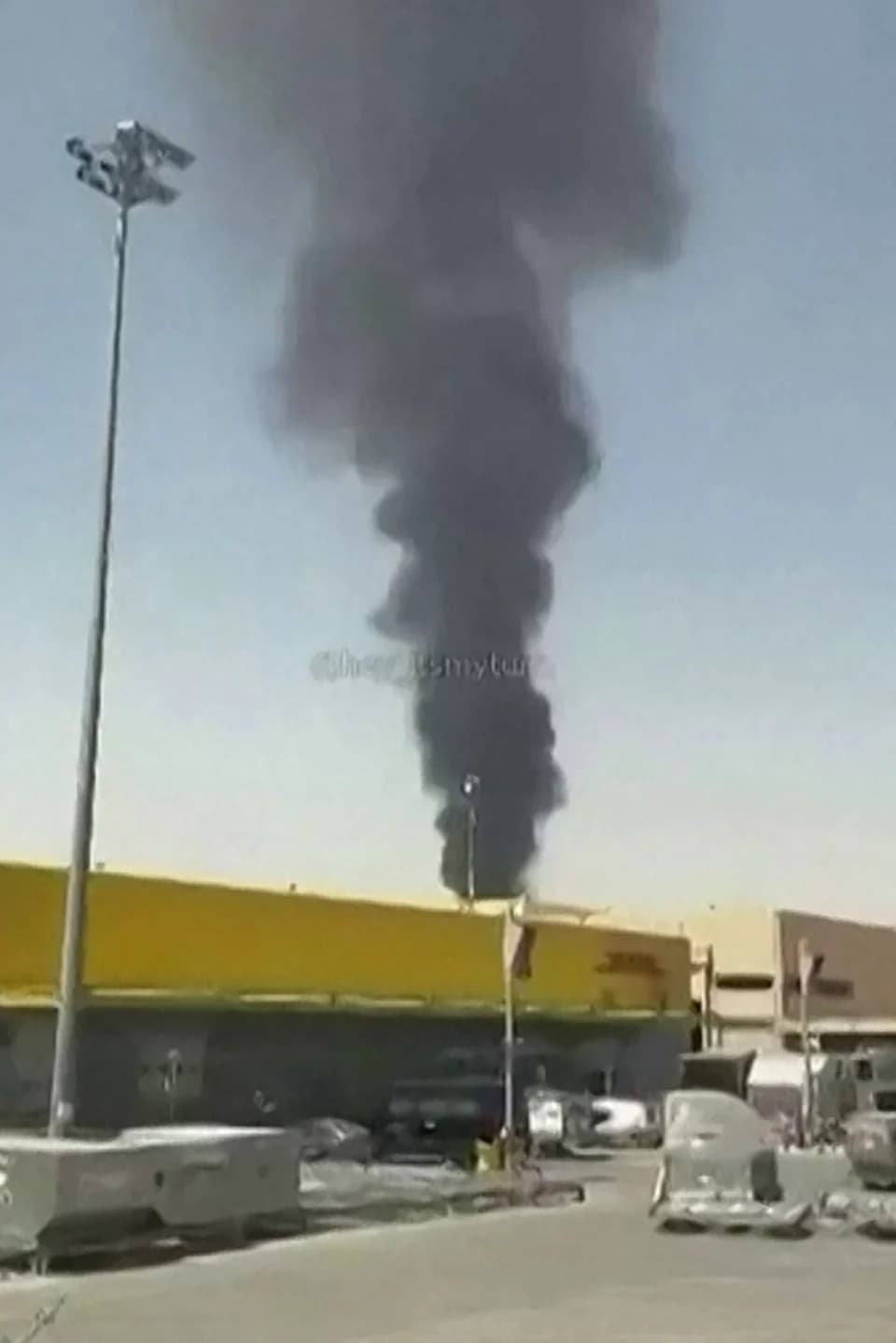
Saudi Arabia closed a major trans-Arabian pipeline to the Red Sea after attacks by an Iran-backed group in Iraq, while exports through the Strait of Hormuz have been limited by regional hostilities involving Iran, Israel and US forces. With two vital routes disrupted simultaneously, Chinese refiners have lost key, low-cost sources of Middle Eastern crude and must compete more aggressively for available barrels worldwide.
Why China Is Vulnerable
Before the conflict, China imported roughly 12 million barrels per day (bpd) of crude and produced about 4.4 million bpd domestically, allowing it to build strategic stockpiles estimated at 1.4 billion barrels. Recent data show imports averaged just 8.1 million bpd in Q2 — about 4 million bpd (32%) lower than Q1 — and refinery throughput remains far higher than domestic output. Chinese data cited by Reuters indicate domestic production of about 4.34 million bpd in August while refineries processed roughly 13.91 million bpd, leaving a gap near 9.6 million bpd that must be met by imports or inventories.
Where China Is Looking For Crude
China has leaned more heavily on Russia, which bypasses the key maritime chokepoints: ESPO crude from Russia's Pacific coast can reach Chinese ports in under a week and pipelines supply about 1 million bpd overland. Reuters reported Russia provided roughly 20% of China's crude imports in 2025; Kpler data show seaborne imports from Russia rose to about 1.68 million bpd in August.
Iran previously supplied an estimated 1.4 million bpd to China, but those volumes have been sharply curtailed by the conflict and US efforts to block Iranian exports. Beijing is also seeking barrels from Latin America and Africa — notably Brazil, Venezuela, Angola and the Republic of the Congo — but these options face limits related to grade compatibility, freight costs and finite spare capacity.
Constraints on Substitutes
Crude grades are not fully interchangeable: refineries are configured for specific densities and qualities. For example, Venezuelan heavy crude differs substantially from the lighter Russian ESPO grades many Chinese refineries have been buying. Distance matters too; Russian Pacific coast barrels arrive rapidly and cheaply compared with cargoes shipped across the Atlantic from Brazil or West Africa, which incur higher freight and time costs. Analysts estimate additional Russian and Iranian supplies can only partially close China’s feedstock gap if Middle Eastern disruptions persist.
Refinery Activity, Inventories and Demand
Beijing has eased some restrictions on refined-fuel exports, prompting independent refiners to boost runs and return to the market. As refinery throughput increases and inventories are rebuilt, China must compete with other global buyers for constrained supplies — a dynamic that adds upward pressure to both domestic and international oil prices. Structural demand changes — including rapid electric vehicle adoption and broader electrification — moderate long-term petroleum demand growth but cannot quickly replace oil in aviation, heavy transport and petrochemicals.
'What is happening in the Middle East is not good for China,' said energy analyst Marc Ayoub. 'China is in a critical situation...looking into the market for players outside of Hormuz.' Trita Parsi of the Quincy Institute noted Beijing's moves aim to protect China's economic stability and avoid a wider global recession.
Diplomatic Stakes
The supply squeeze has raised Beijing's diplomatic urgency. Chinese Foreign Minister Wang Yi met Iran's Abbas Araghchi in Beijing calling for a return to negotiations and for reopening the Strait of Hormuz to safeguard international energy flows. Those talks precede a planned meeting between President Xi Jinping and US President Donald Trump, where energy security and China's financial ties with Iran are expected to be discussed.
Outlook
In the near term, China will continue to diversify suppliers and try to rebuild inventories, but grade compatibility, transit times and sanctions-related limits mean it cannot fully replace lost Middle Eastern barrels quickly. The result is higher competition for available crude and additional upward pressure on global oil prices unless shipping lanes are stabilized or production is increased elsewhere.
Help us improve.