The Syrian government's overnight fuel-price decree — raising diesel by 40% and petrol by 28% — prompted nationwide protests and roadblocks that disrupted fuel deliveries. A growing diesel black market and frequent interceptions by security forces highlight acute supply pressures. With about 90% of Syrians living below the poverty line and domestic production covering only a third of needs, higher fuel costs are already pushing up transport and food prices.
Sudden Fuel Hike Sparks Nationwide Protests in Syria as Prices Surge and Supply Gaps Bite

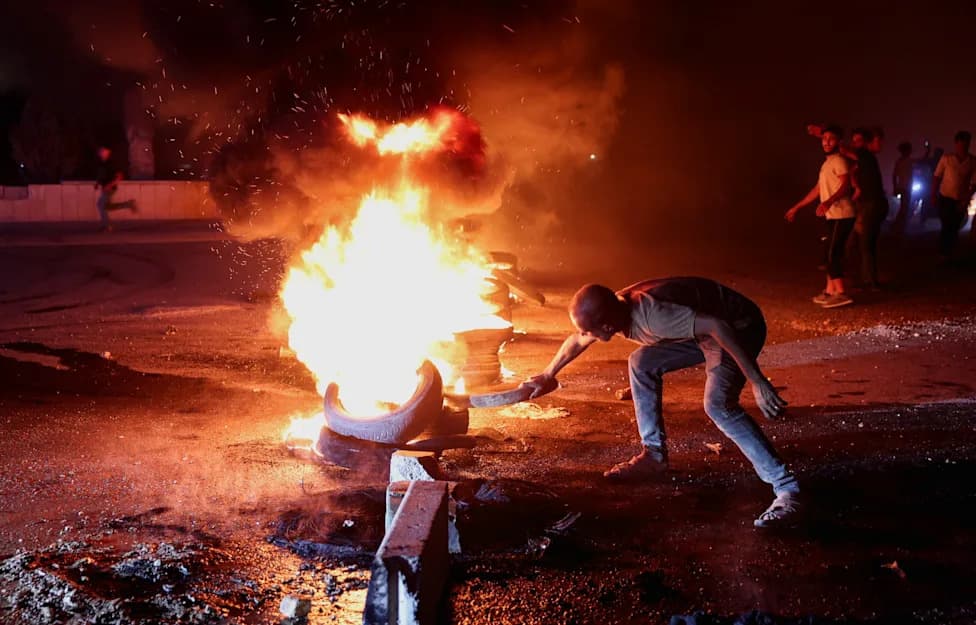
Demonstrators block a road with flaming tyres while protesting hikes to fuel prices in al-Bab, northeast of Aleppo in northern Syria, on September 14, 2026 [Bakr Alkasem/AFP]
Damascus, Syria — A government decree that took effect at midnight on Sunday sent fuel prices sharply higher and ignited widespread public anger across the country.
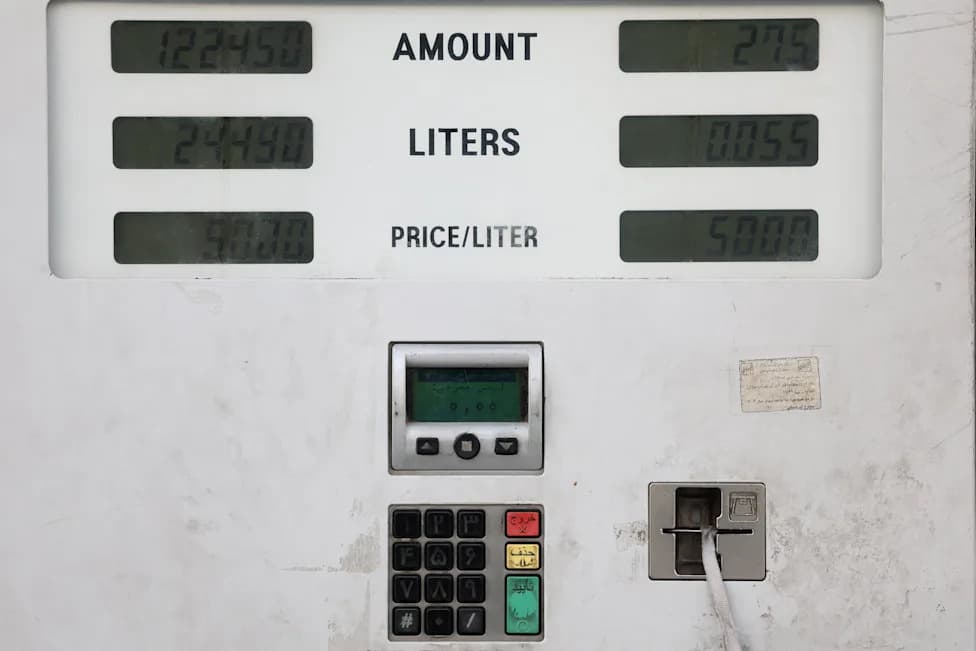
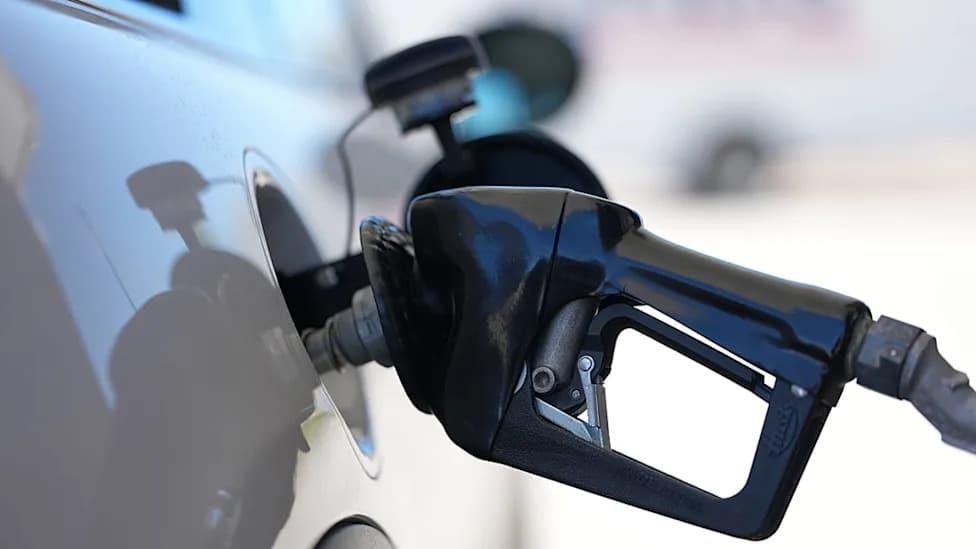
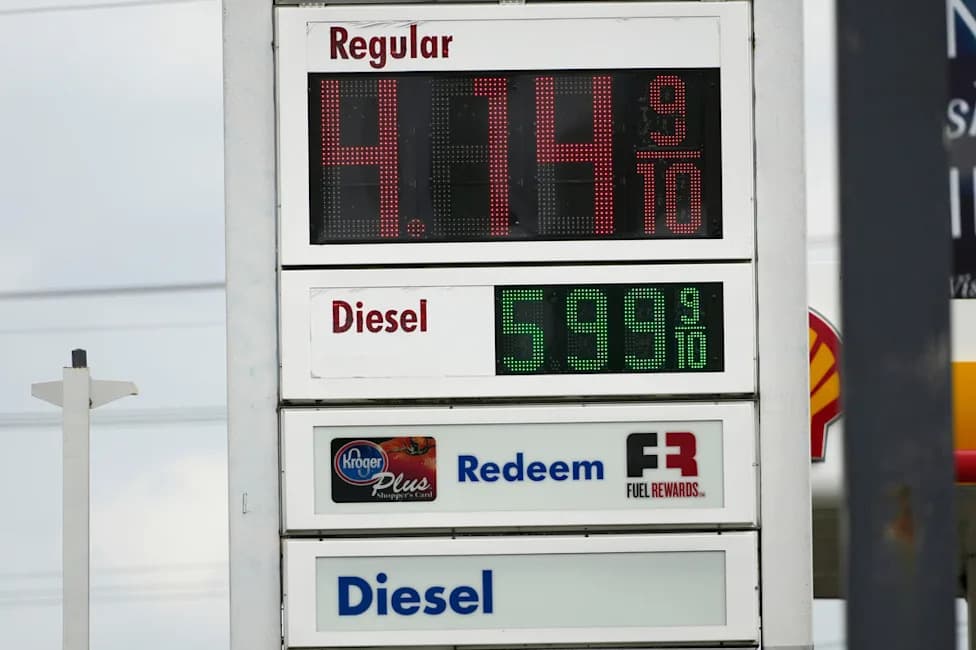
The move raised diesel prices by about 40% overnight and increased petrol by roughly 28%, a sudden burden for millions of households already struggling with high inflation and broken infrastructure.
Protests and Roadblocks
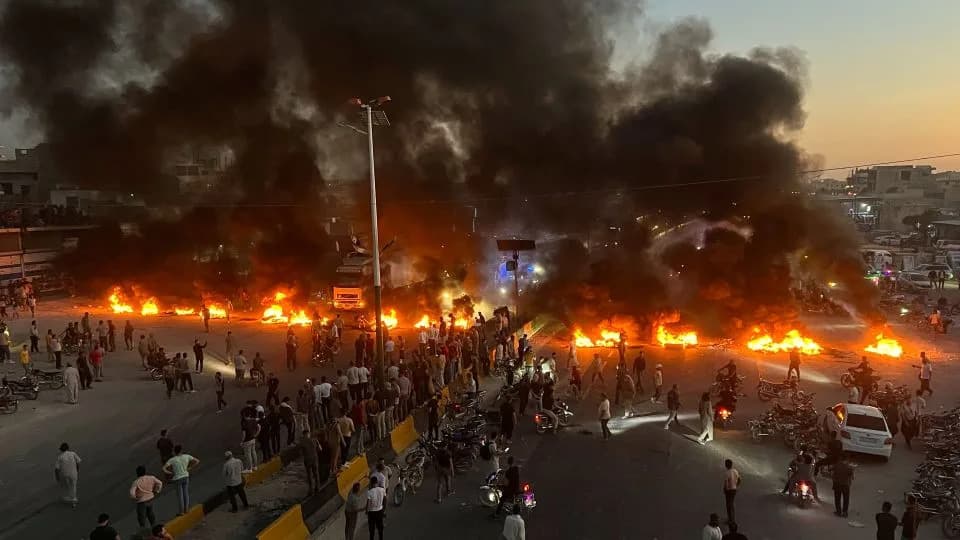
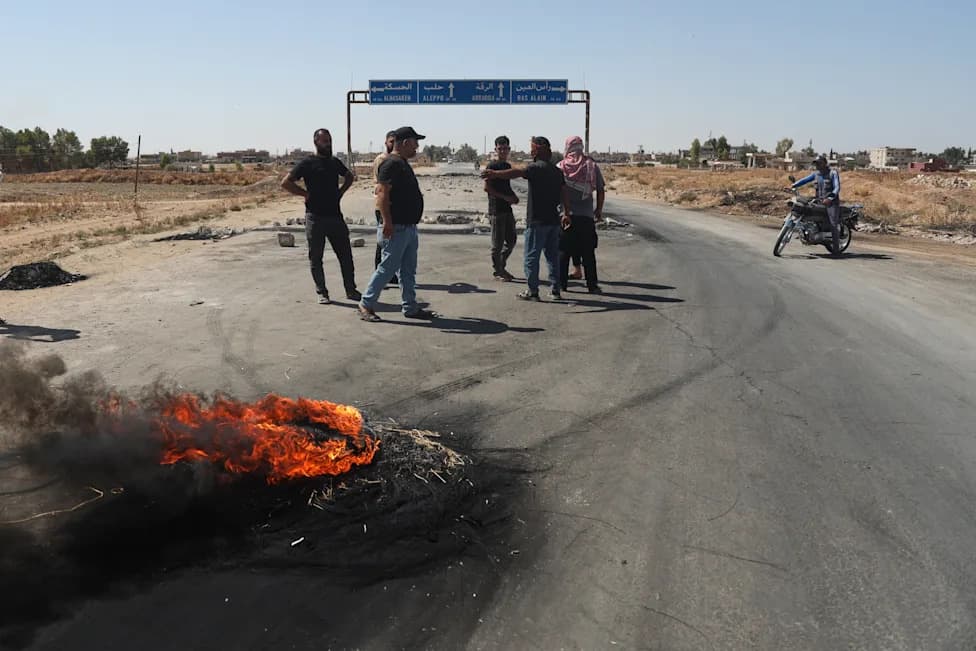
By Monday, demonstrators had poured into the streets from Aleppo and Idlib in the north, through Hama in central Syria, down to Deraa in the south. Protesters burned tyres and blocked major roads — including the key highway linking Damascus and Aleppo. In the northeast, activists briefly shut the M4 highway near Tal Tamr, leaving hundreds of oil tankers stranded and demanding a reversal of the price rises.
Black Market and Enforcement
Alongside street demonstrations, a black market for diesel has expanded rapidly. Security units report intercepting tankers bound for unlicensed refineries and seizing illegal fuel supplies, underscoring how shortages and price volatility often push consumers toward informal markets.
Why Prices Rose
Officials cite sharp increases in international oil prices and the difficulty of securing imports as the immediate cause. Analysts and local authorities also point to broader regional tensions and supply-chain pressures that have pushed global energy costs higher. The Ministry of Energy says Syria produces roughly 100,000 barrels of crude a day while domestic demand for oil and petroleum products is about 300,000–325,000 barrels daily, leaving the country heavily dependent on imports. Officials estimate about 60% of the country's diesel supply is currently imported.
Economic Impact on Ordinary Syrians
The United Nations estimates that nearly 90% of Syrians live below the poverty line, so any jump in fuel costs quickly pushes up transport and food prices. Public-transport fares, a lifeline for low-income commuters, rose immediately: in Damascus, minibus fares jumped from $0.30 to $0.45. Drivers say their small margins have been all but wiped out.
“I spent all my money on diesel. I only have four and a half dollars left,”
said Adel Ali Meree, a minibus driver who described long shifts that yield little after fuel expenses.
Operators of larger vehicles face similar pressure. Tour bus operator Bashar Sleiman said daily diesel costs for his 90-litre vehicle rose from the equivalent of about $84 to $120, and he expects to raise tour prices to cover the difference. Cross-border transport is also strained: an Idlib–Beirut round trip now requires roughly $280 in diesel alone, putting additional strain on companies that have so far absorbed some costs to avoid cutting passenger numbers.
Supply Chain Ripples
At local markets, the effect is immediate: delivery freight charges for produce have tripled in some neighbourhoods, forcing sellers to pass extra costs to consumers who have limited purchasing power. Retail price inflation for food and basic goods typically follows fuel spikes, compounding hardship for vulnerable households.
Government Response and Outlook
The government says the price increases are temporary and has pointed to the challenges of importing refined products to meet domestic demand. Syria's People's Assembly had planned to question Energy Minister Mohammed al-Bashir about the hikes but postponed the session until September 20 to allow the ministry more time to prepare.
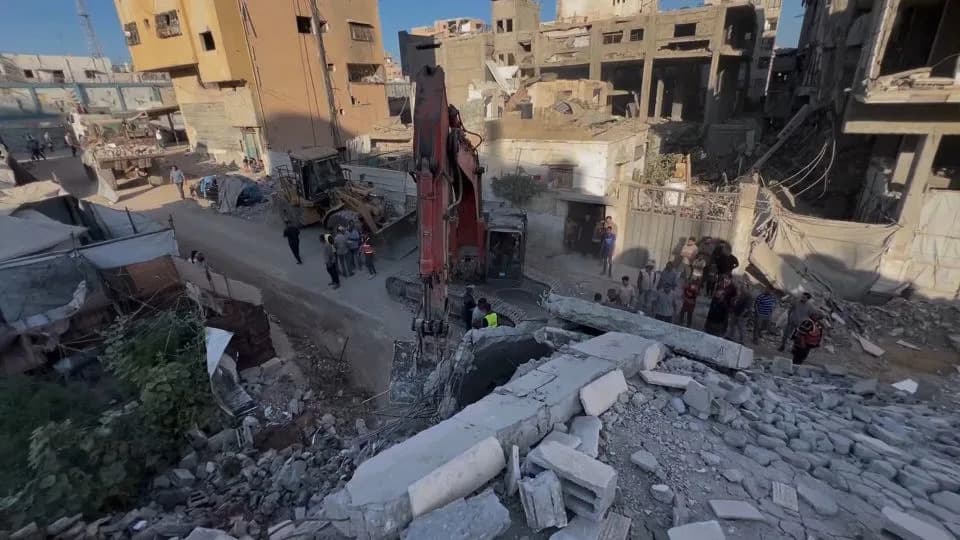
For many Syrians, however, a so-called temporary increase arrives amid long-term economic strain and damaged infrastructure, leaving families with little room to absorb additional costs. Until supply and price pressures ease, the immediate outlook for households relying on fuel for work and food transport remains grim.
Help us improve.