The government's decision to raise diesel by 40%, petrol by at least 25% and cooking gas by about 9% has sparked protests and roadblocks across Syria, highlighting frustration with slow economic improvement. Despite recent sanctions relief and renewed access to foreign finance, many Syrians say they have not seen benefits. Analysts warn the hikes deepen a severe cost-of-living crisis in a country where poverty affects roughly 90% of the population. Officials point to planned refinery upgrades and price reviews, but public patience is wearing thin.
Fuel Hike Triggers Nationwide Protests in Syria as Economic Recovery Falters
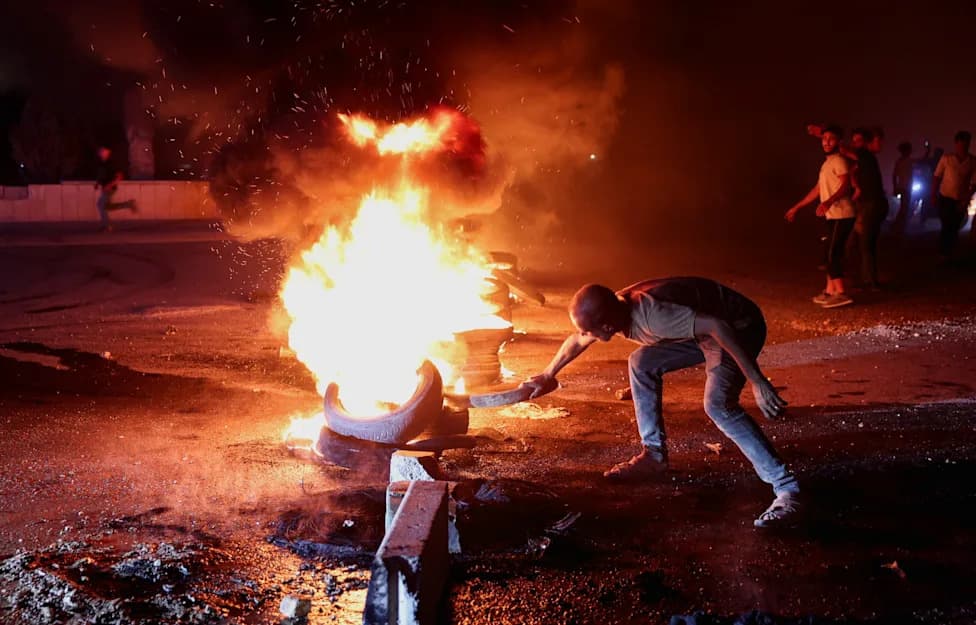
A protester in Aleppo burns tyres on the highway between Aleppo and Turkey to protest rising fuel prices in Syria, September 13, 2026 [Mahmoud Hassano/Reuters]
Roadblocks, burning tyres and street demonstrations across several Syrian cities have underscored public fury after the government raised fuel prices amid a broader cost-of-living squeeze.
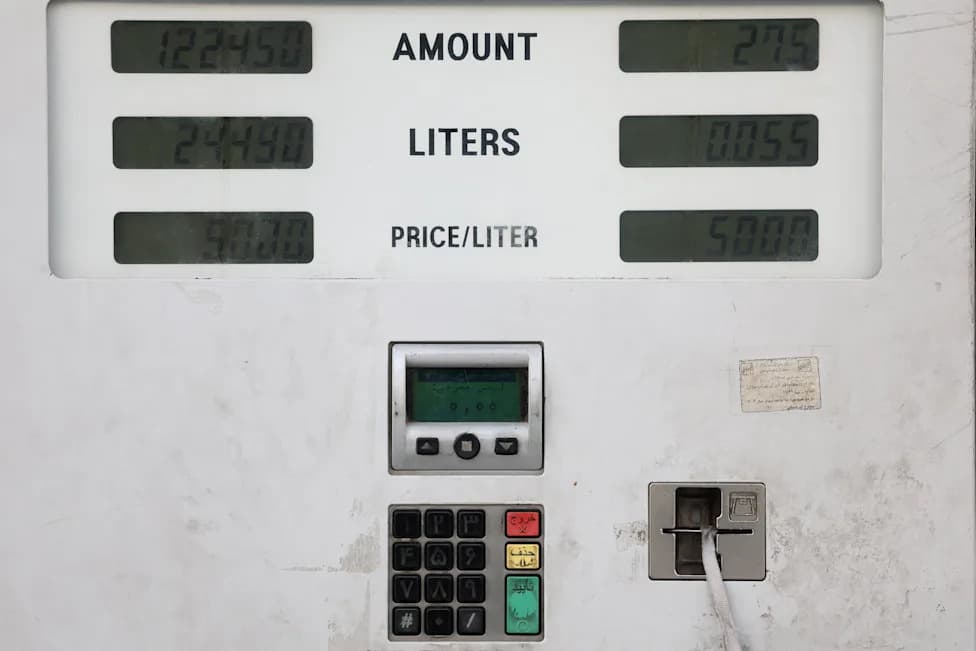
The immediate trigger for the unrest was an official announcement that diesel prices would rise by 40%, petrol by at least 25% and cooking gas by about 9%. Authorities say the increases are temporary and driven by a surge in refined petroleum product prices linked to regional conflict, but the move has nevertheless provoked mass protests and a swift political response: the Syrian parliament has summoned Energy Minister Mohammed al-Bashir for a hearing.
Economic Context and Expectations
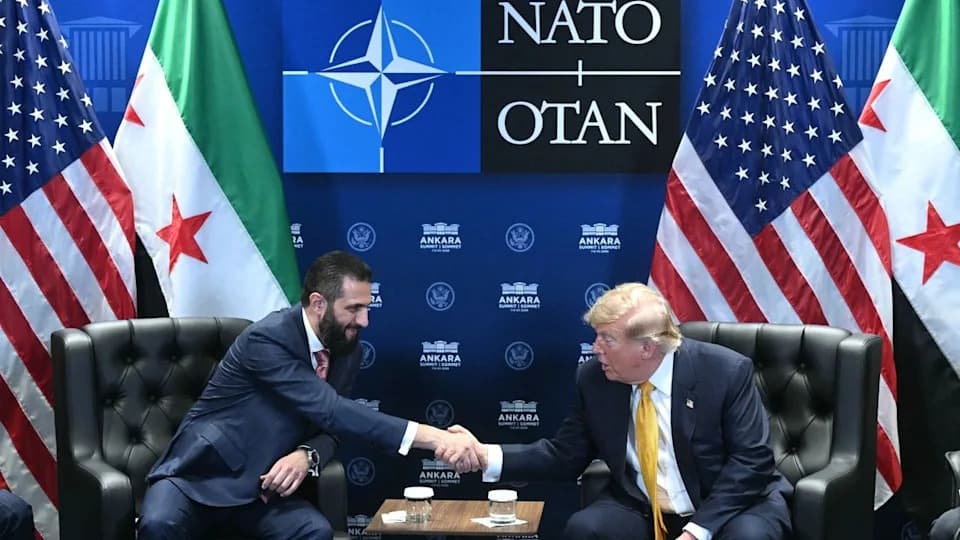
Since the political transition in December 2024, the new government led by President Ahmed al-Sharaa has prioritized restoring international ties and lifting sanctions. That strategy produced notable diplomatic results, including removal from the US list of state sponsors of terrorism and renewed access to foreign investment. Yet many Syrians say they have not felt tangible economic improvements.
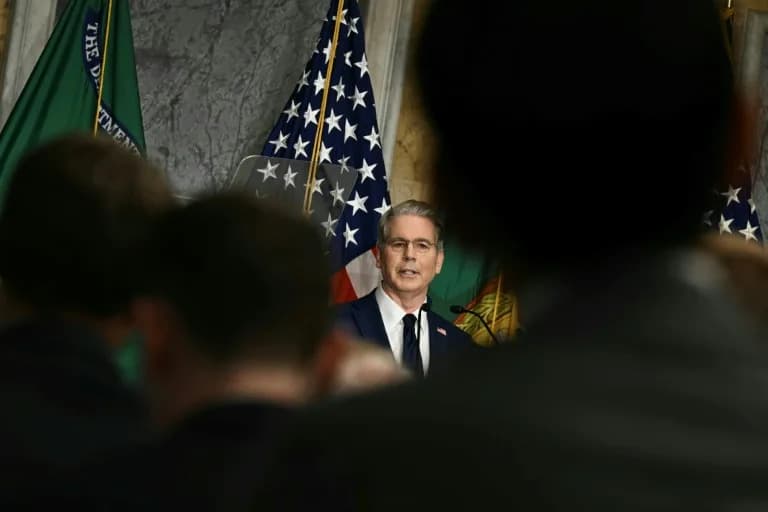
Syria remains heavily dependent on fuel imports. Energy Minister Mohammed al-Bashir says the country produces roughly 102,000 barrels of oil per day but needs about 325,000 barrels, forcing large-scale imports of diesel, petrol and other refined products. The government has announced plans to upgrade the Baniyas refinery to boost capacity from about 80,000 to 130,000 barrels per day, and the Ministry of Energy says prices will be reviewed as global market conditions evolve.
Human Impact and Policy Options
Fuel hikes ripple through the economy, lifting transport, food and service costs in a country where the UN World Food Programme estimates poverty at around 90%. Analysts warn that a 40% diesel hike threatens daily economic survival for households, farmers and small businesses.
"Fuel itself is not an isolated energy issue right now; it's related to the cost of living crisis for every household and business in Syria," said Vittorio Maresca di Serracapriola, sanctions lead analyst at Karam Shaar Advisory.
Political analyst Nanar Hawach told Al Jazeera that sanctions relief has raised expectations and shifted blame onto the new government: "Sanctions relief weakened the argument that hardship comes from outside and raised expectations at the same time. Much of the anger is also coming from areas that backed the change of government, making this the kind of discontent a government can answer only with results."
Observers and analysts have proposed mitigations including a protected diesel price for public transport and farmers, clear timelines for temporary price increases, and targeted subsidies that are less costly than concessions made after disruptive protests.
International Support and Fiscal Challenges
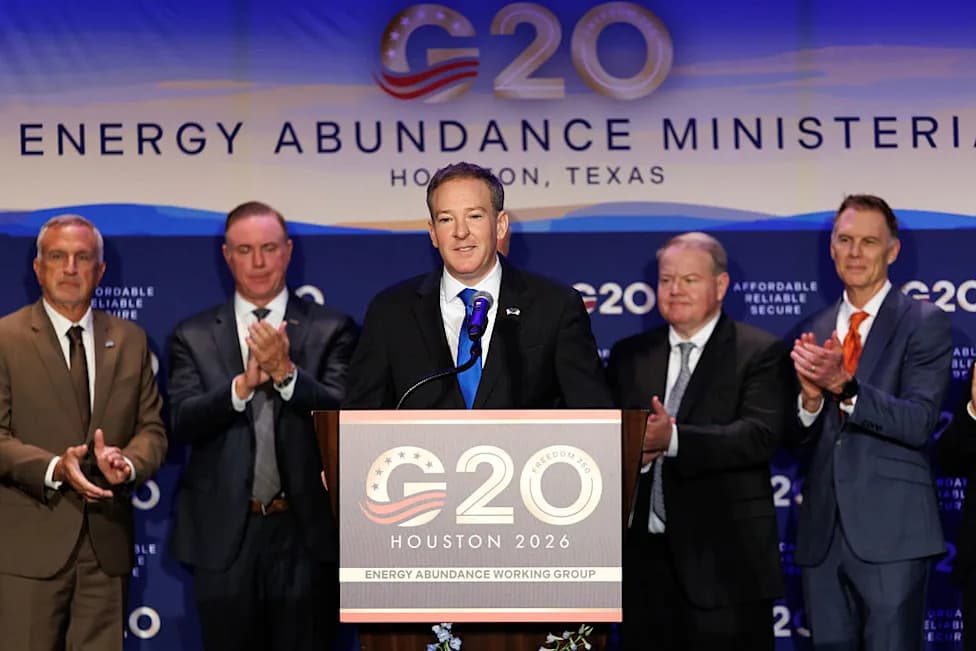
Sanctions relief has unlocked some international assistance: the World Bank has approved roughly $491 million in grants for Syrian infrastructure and economic recovery since last year. Still, the IMF has urged the government to strengthen revenue collection and prioritize spending to protect vulnerable groups and create fiscal space for development.
As diplomatic and financial openings continue, the central question remains whether economic recovery will translate into tangible relief for households, workers, small businesses and farmers facing inflation and higher energy costs. With public patience fraying, the government's next steps will be closely watched.
Help us improve.