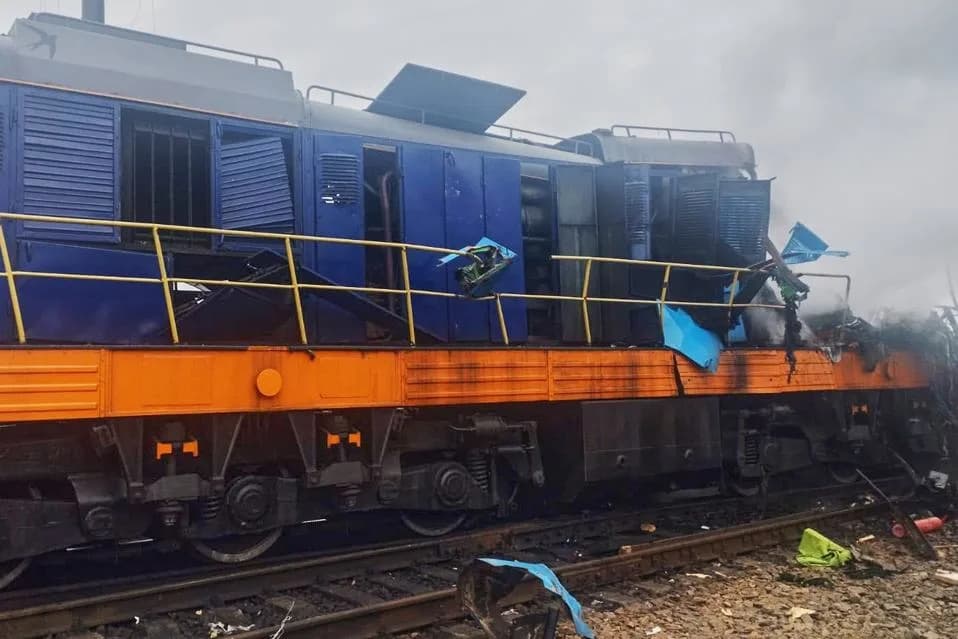
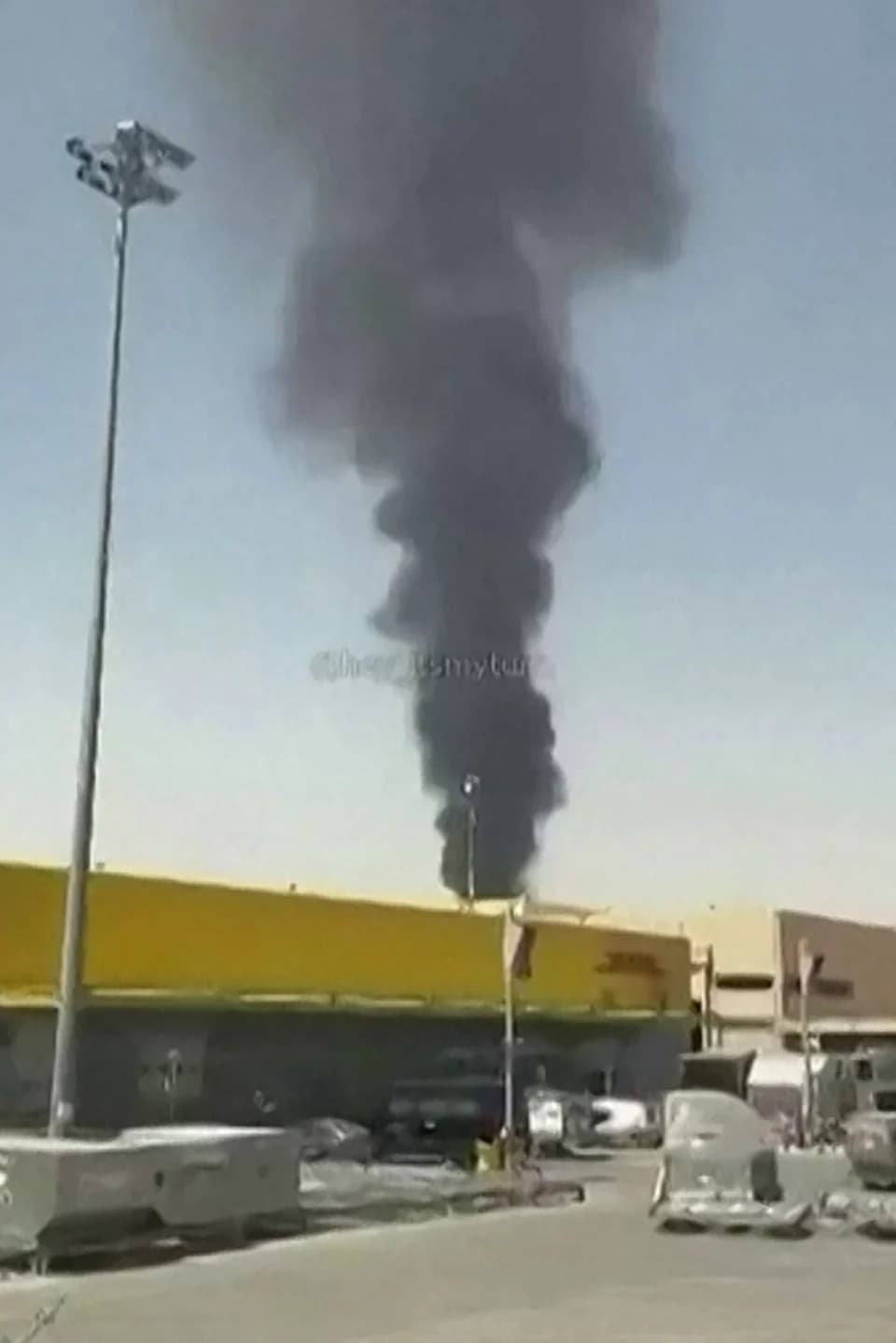
Key Developments: A drone strike destroyed a locomotive in Yahodyn near the Polish border shortly after a train carrying Boris Johnson departed; no casualties were reported. U.S. prosecutors unsealed charges against five people accused of acting for Russian intelligence to arrange killings abroad, allegations the Kremlin denies. Leaders warn that cross-border drone attacks and strikes on transport links could escalate tensions and disrupt energy and supply routes ahead of winter.
Drone Strike Near Polish Border and Alleged Russian-Linked Plots in U.S. Raise Escalation Fears
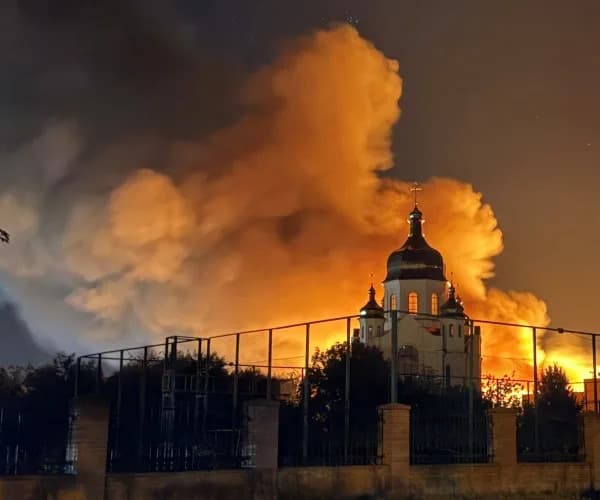
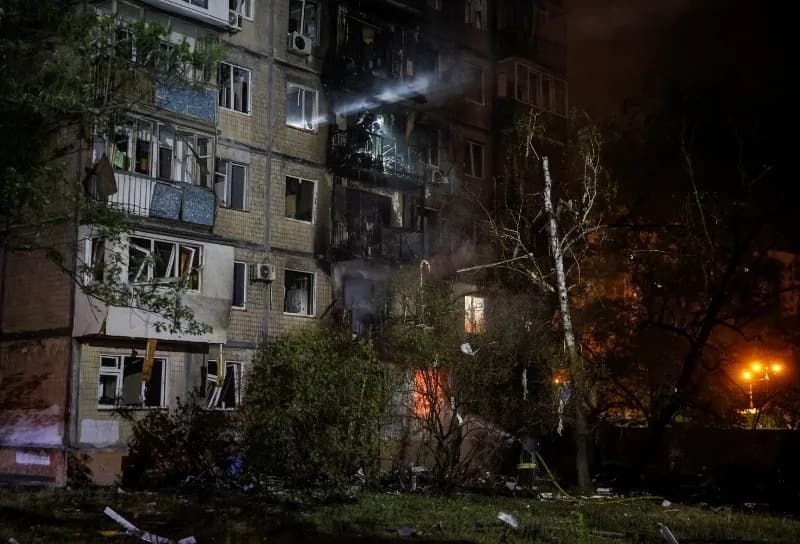
(Darya NAZAROVA / AFP via Getty Images)
Russian drone strikes near Ukraine's borders and recently unsealed U.S. allegations of assassination plots tied to Russian intelligence services have intensified concerns of a broader confrontation with Moscow, even as the Trump administration seeks to revive negotiations to end the war.
Locomotive Attack Near Poland
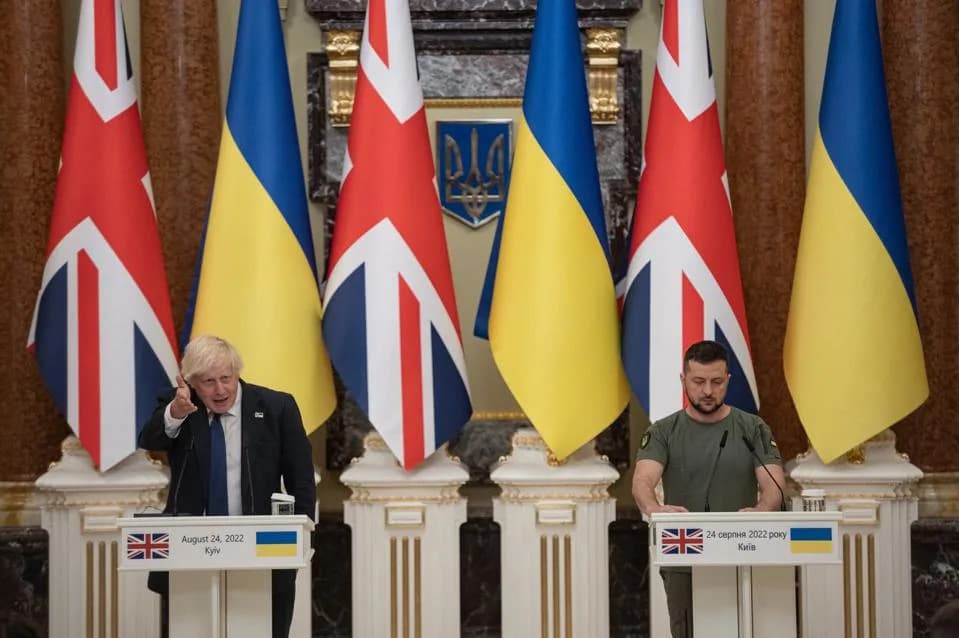
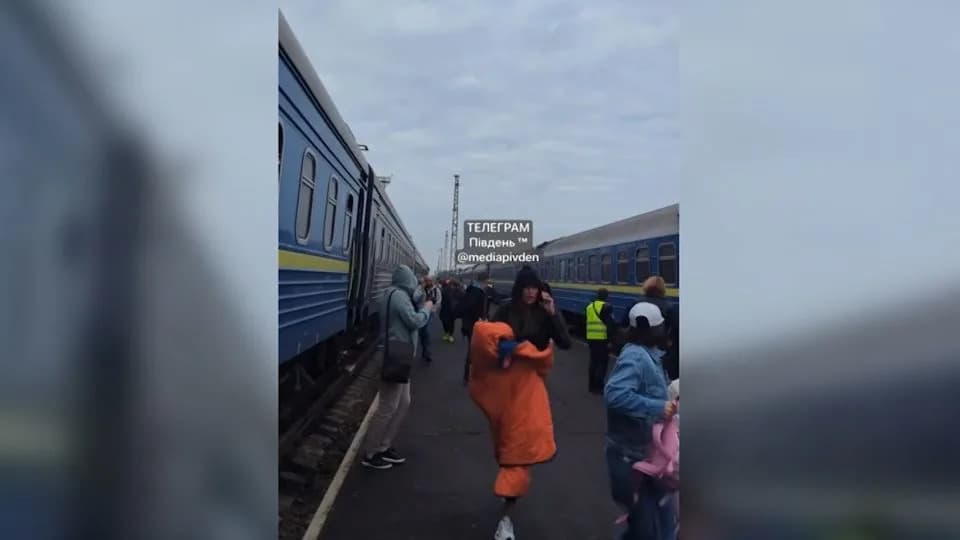
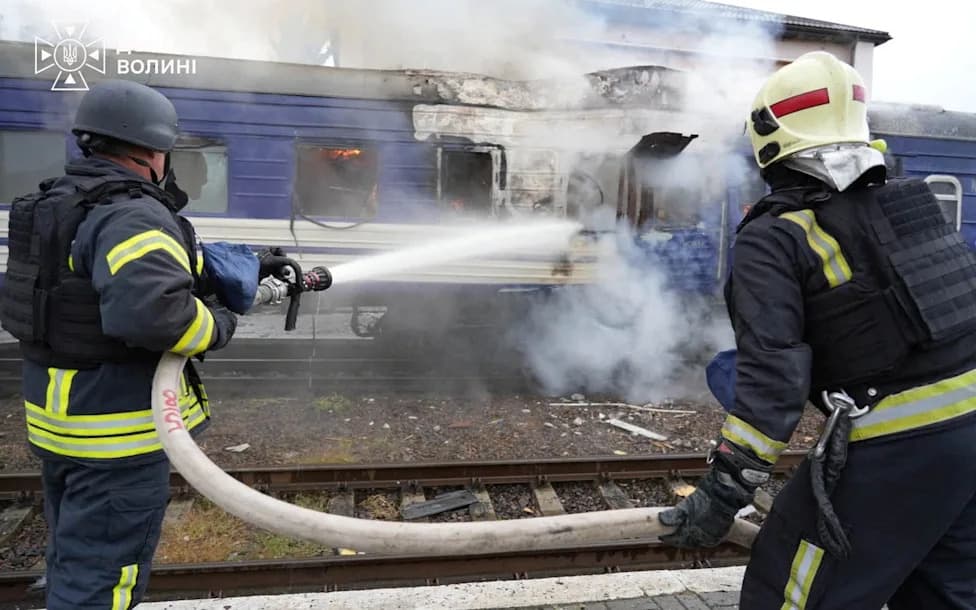
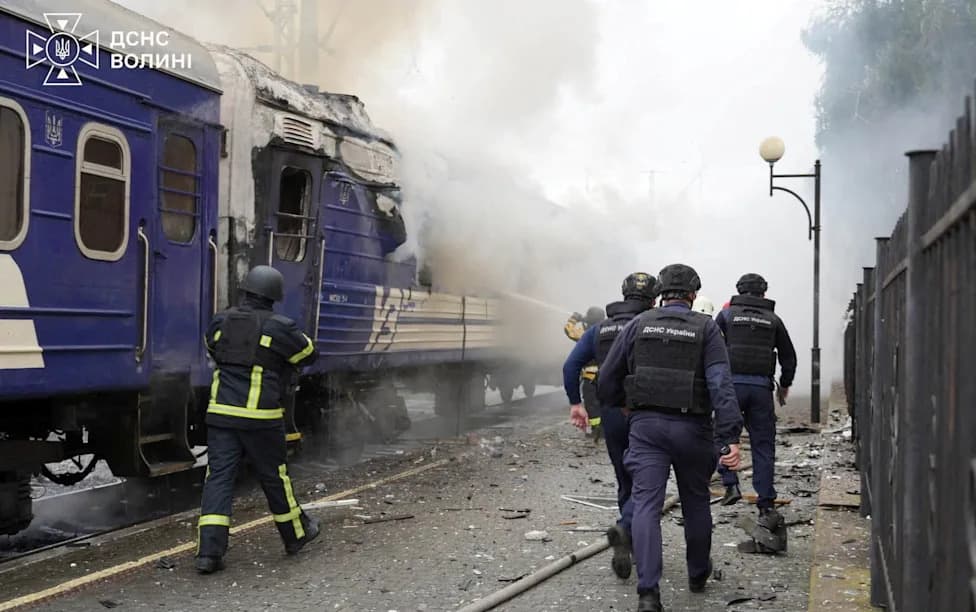
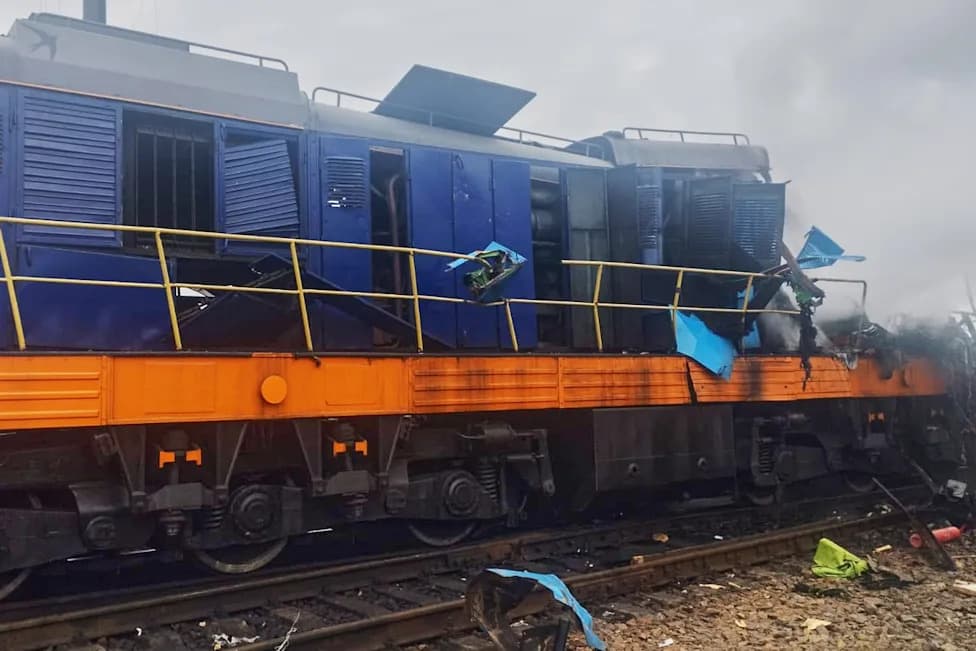
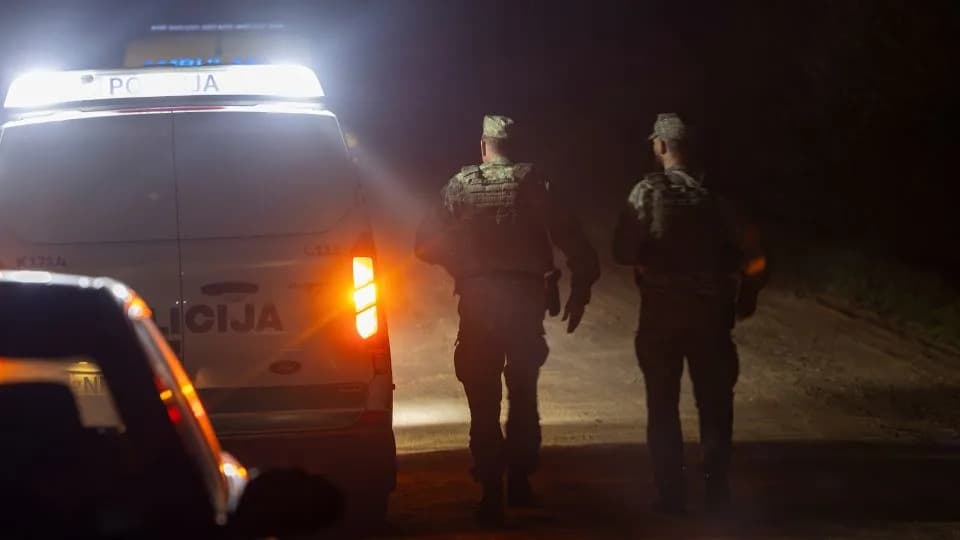
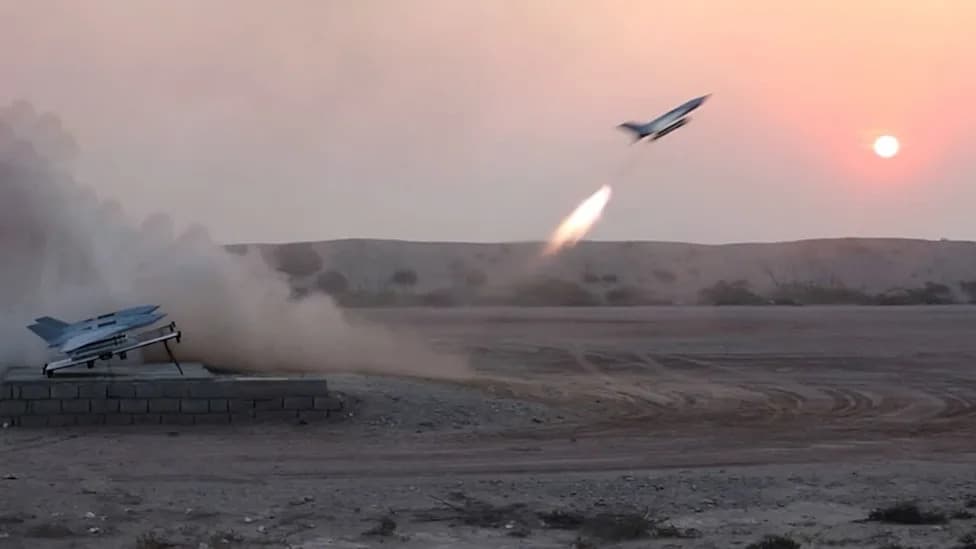
On Sunday, a drone strike destroyed a locomotive in Yahodyn, close to Ukraine's border with Poland, shortly after a train carrying former British prime minister Boris Johnson and other visiting officials had departed. Officials said there were no casualties.
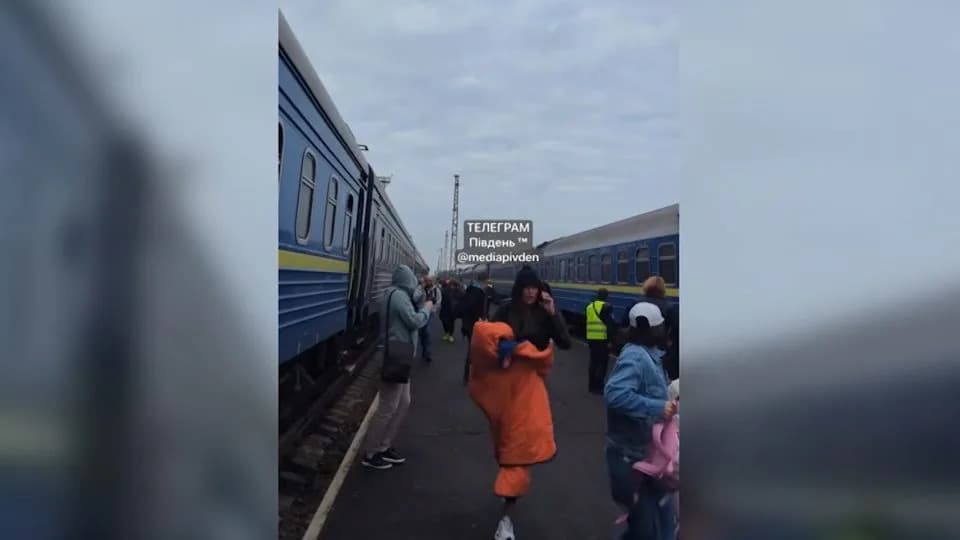
Former CIA director David Petraeus and two other former agency officials were aboard a different train that was evacuated before the blast, according to officials.
"My assessment was that it wasn't intended to kill Boris Johnson or David Petraeus. But it was definitely premeditated and intended to send a strong message: We don't want you coming to Ukraine. This is our sphere of influence. This is a warning," said Glenn Corn, a former senior CIA official, in an interview with The Washington Post.
Corn warned that a misdirected strike could produce a "snowball effect," setting off an "escalatory chain" between Moscow and Washington.
Ukraine's state railway operator said the diplomatic train left earlier than scheduled because of the risk of Russian attacks; its passengers had attended a security conference in Kyiv.
Airspace Incursions and Presidential Travel
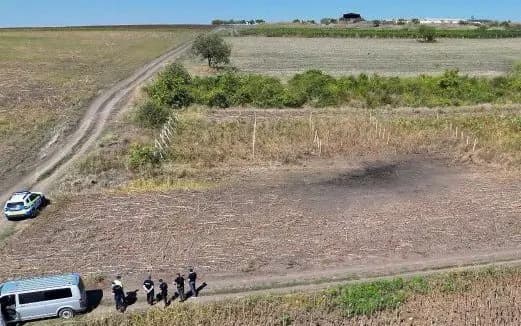
Ukrainian President Volodymyr Zelenskyy said Russian drones also entered Moldovan airspace while his presidential aircraft was transiting Chisinau. "In Moldova, my presidential jet was there, and that's why they attacked Moldova," Zelenskyy told CBS News. Moldovan officials confirmed airspace incursions but said the presidential plane was not struck. Ukrainian officials said it remained unclear whether the incidents were deliberate.
U.S. Charges Unsealed
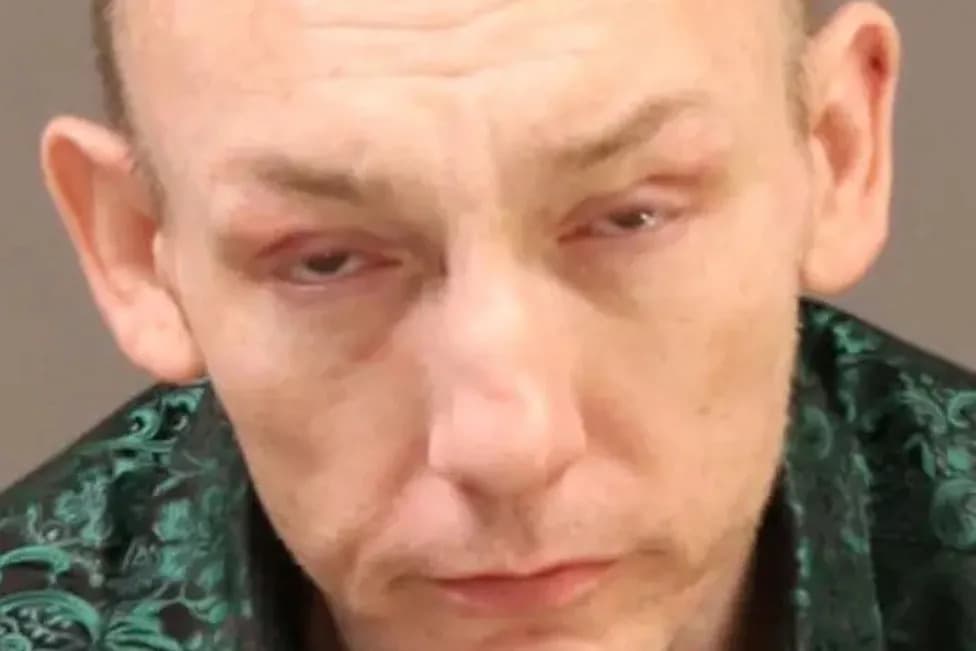
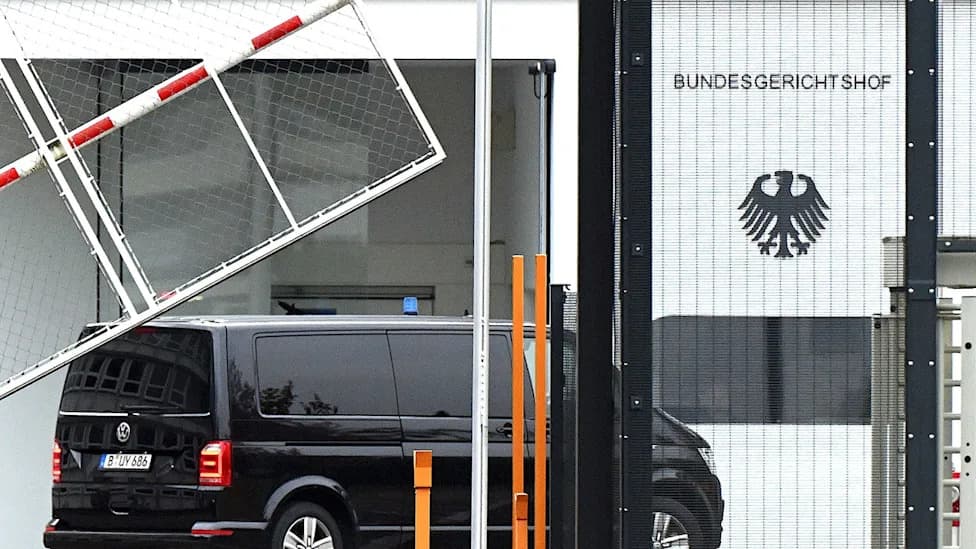
The U.S. Department of Justice on Tuesday unsealed charges against five people accused of acting for Russian intelligence services to arrange killings and other attacks abroad. The department said all five remained at large. Prosecutors allege members of the network offered $40,000 to "eliminate" or make a Russian dissident "disappear" in the Washington area, and that another operative offered about $25,000 to kill a Kremlin critic in Lithuania and discussed options including using fire or a knife.
All five defendants face charges of conspiracy to finance terrorism; three are also charged with conspiracy to commit murder for hire. Those allegations have not been proven in court.
The Kremlin rejected the accusations, saying Russia had seen "no coherent evidence or arguments based on anything tangible."
Regional Security Concerns
These developments come more than four years after Russia launched its full-scale invasion of Ukraine in February 2022. Attacks on Ukrainian rail lines and border crossings threaten transport routes linking the country to European supporters and could complicate supplies ahead of winter.
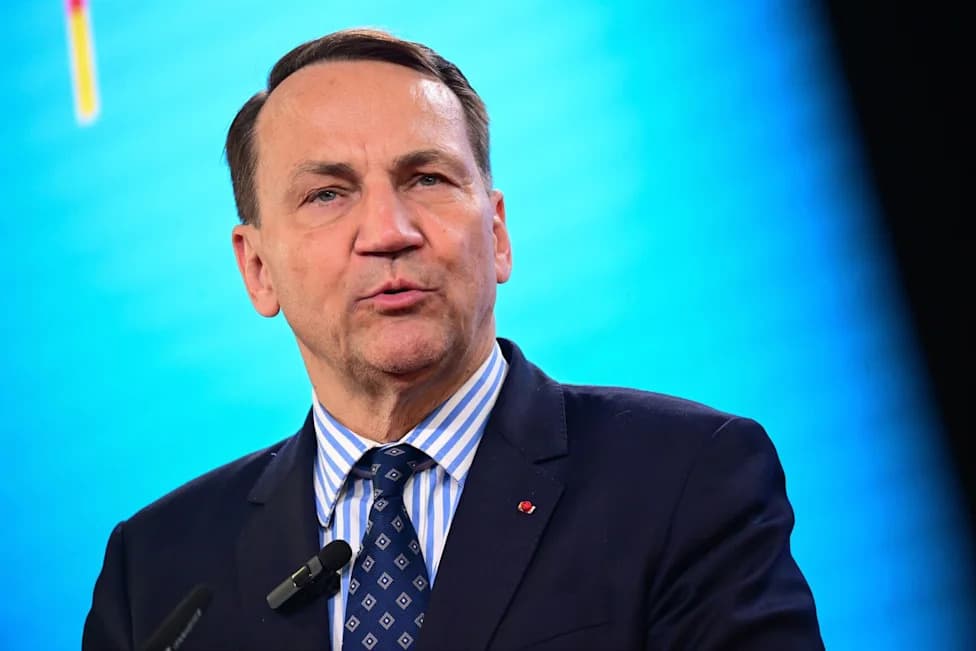
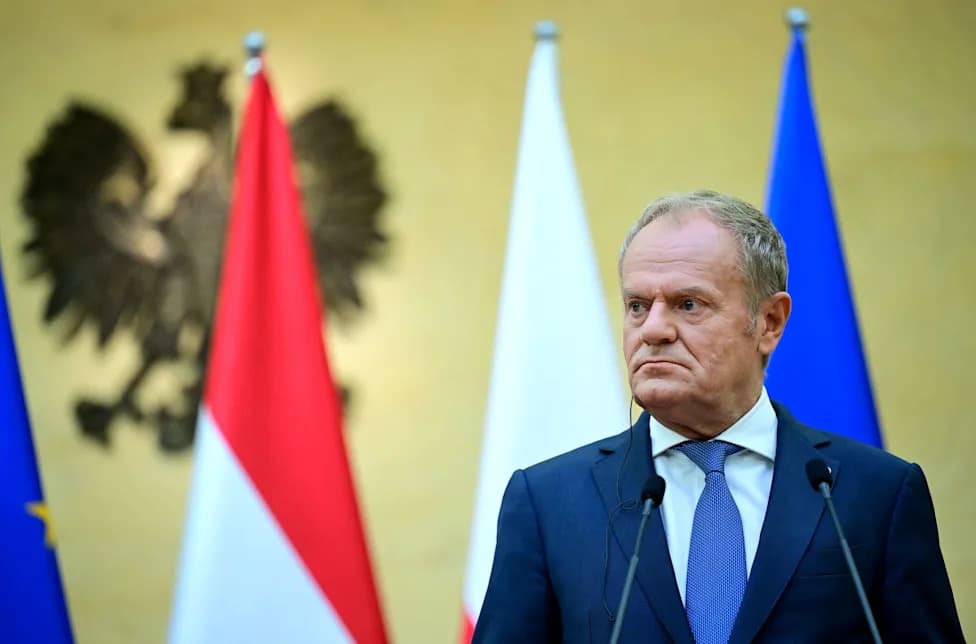
Polish Prime Minister Donald Tusk warned that Russia could be preparing drone or rocket strikes against European countries supporting Ukraine — including Poland — and might portray such attacks as accidents to weaken NATO's response. Tusk also cautioned that jet-powered drones, which fly higher and faster, are harder to intercept and could hamper efforts to protect energy infrastructure this winter.
Help us improve.