The South Carolina Environmental Law Project and partners have asked DOE and NNSA to prepare a supplemental Programmatic Environmental Impact Statement after Executive Order 14302 (May 23, 2025) directed a shift away from the long‑standing "dilute and dispose" policy. The groups say the decision to make 19.7 metric tons of weapons‑grade plutonium available to private firms for advanced reactor use was not analyzed under NEPA and raises proliferation, environmental and radioactive‑waste concerns. They demand DOE halt transfers until a nationwide programmatic review is completed and requested a response within 30 days.
Environmental Groups Demand New NEPA Review After DOE Shift On 19.7 Tons Of Surplus Plutonium
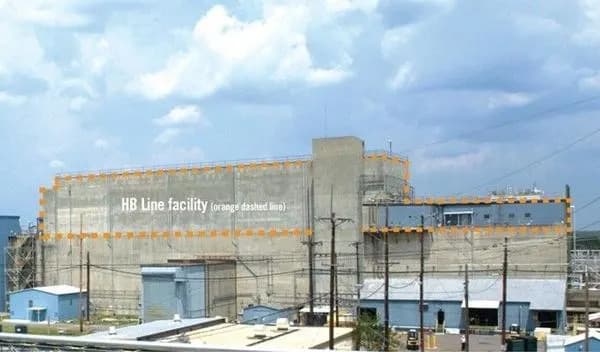
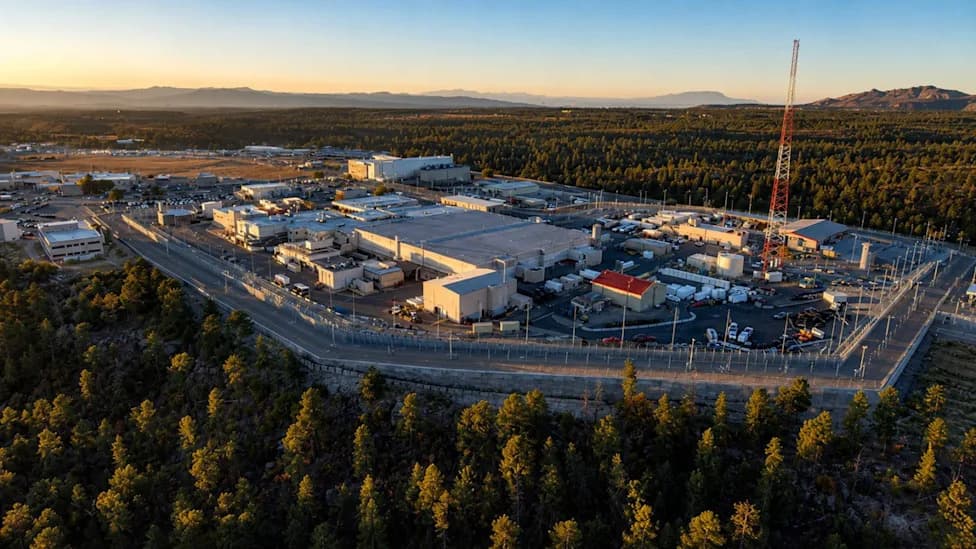
The HB-Line facility is located atop the H-Canyon chemical separations facility at the Savannah River Site. Submitted photo
AIKEN — A coalition led by the South Carolina Environmental Law Project (SCELP), representing SRS Watch, Nuclear Watch New Mexico and an Aiken County resident, has formally demanded that U.S. Department of Energy Secretary Christopher Wright and NNSA Administrator Brandon Williams prepare a supplemental Programmatic Environmental Impact Statement (PEIS) in response to a major policy shift in the Surplus Plutonium Disposition Program.
Why the Groups Are Objecting
In a letter from SCELP attorney Benjamin Cunningham, the coalition argues DOE and the National Nuclear Security Administration (NNSA) are "radically changing course" — specifically abandoning the long-standing "dilute and dispose" approach — without conducting the required National Environmental Policy Act (NEPA) review and without meaningful public comment.
The groups say President Donald Trump's May 23, 2025 Executive Order 14302, "Reinvigorating the Nuclear Industrial Base," effectively ends the agency's prior disposition policy and directs DOE to make surplus weapons-grade plutonium available in forms usable by private-sector advanced nuclear technologies and small modular reactors (SMRs). The letter notes that this commercial reuse or reprocessing option was not analyzed in the 1996 PEIS or subsequent NEPA documents.
Recent Developments
DOE's Office of Environmental Management announced March 6 that it is restarting HB-Line operations at the Savannah River Site (SRS) to recycle surplus plutonium and produce uranium‑plutonium mixed oxide (MOX) fuel for advanced reactors. HB-Line is part of H‑Canyon, the only chemical separations facility of its kind in the United States.
SCELP and partner groups say they only learned publicly of selection decisions after several commercial entities disclosed they were chosen for advanced negotiations under the Surplus Plutonium Utilization Program. The groups' Sept. 8 press release names five companies reportedly selected to receive access to the 19.7 metric tons of weapons‑grade plutonium: Oklo Inc., Exodys Energy, Shine Technologies, Standard Nuclear and Flibe Energy.
"There is an abysmal lack of information," Jay Coghlan, director of Nuclear Watch New Mexico, said, underscoring the groups' central demand for a full programmatic NEPA review.
Concerns Raised
The coalition warns that transferring weapons‑grade plutonium to private firms for processing and fuel fabrication raises serious proliferation, environmental, radioactive‑waste and public‑safety concerns. They also point to broader policy implications: reintroducing commercial uses of plutonium may conflict with long‑standing U.S. nonproliferation commitments.
Tom Clements, director of SRS Watch, said the program "impacts S.C. directly" because of SRS's role in plutonium recycling and potential processing. The groups have demanded that DOE and NNSA halt any transfers of weapon‑grade plutonium to civilian reactors or private facilities until a legally required environmental review is completed.
Procedural Status
The SCELP letter requested a response within 30 days. On Sept. 9, Clements said DOE confirmed receipt of the demand letter.
What Happens Next: The groups are seeking a nationwide PEIS that would analyze the environmental, safety and nonproliferation implications of repurposing surplus plutonium for commercial advanced reactors and fuel fabrication. If DOE declines, the coalition could pursue litigation or other administrative remedies to enforce NEPA requirements.
Help us improve.