The NRC has proposed removing the long-established ALARA ('As Low As Reasonably Achievable') expectation while keeping numeric exposure caps: 5 rem per year for workers and 0.1 rem per year for the public. A new provision could allow some workers up to 10 rem in a single year, with a 25 rem cap over five years. Supporters say the change would clarify rules and speed reactor deployment to meet rising electricity needs, including AI data centers; critics warn it could weaken incentives to minimize exposures. Public comments are open through August 31.
U.S. NRC Moves To Drop 50-Year 'ALARA' Radiation Expectation as Officials Push Faster Nuclear Buildout
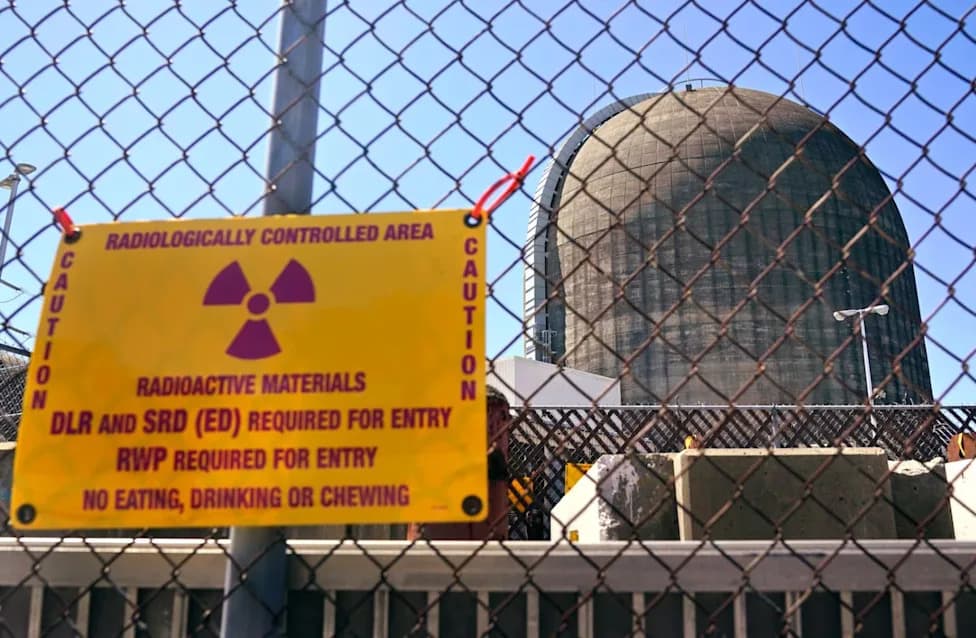
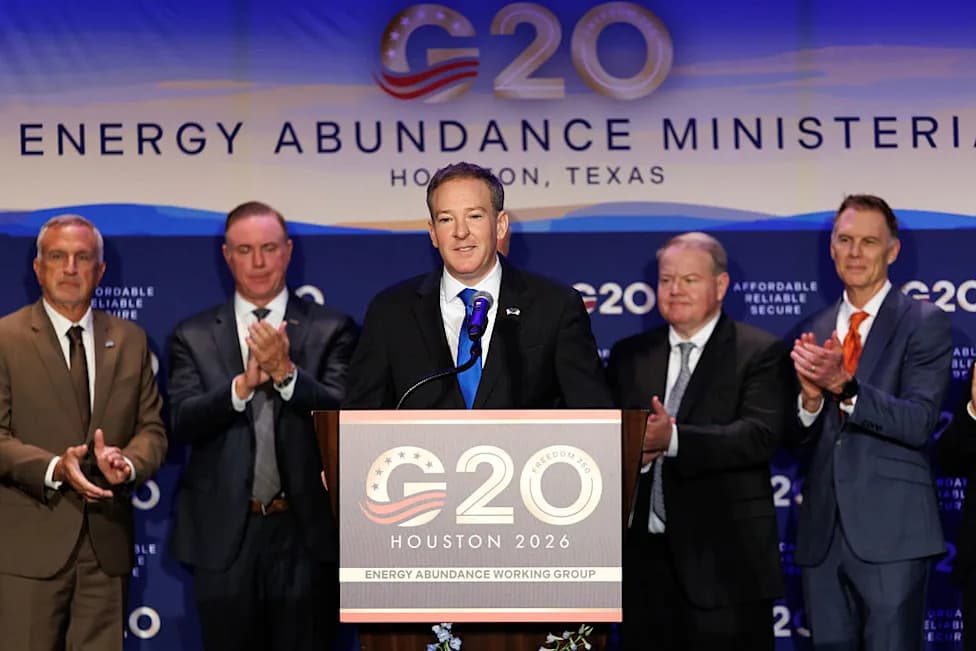
Photo Credit: Seth Wenig / AP
The U.S. Nuclear Regulatory Commission (NRC) has proposed removing the long-used radiation‑safety expectation known as 'As Low As Reasonably Achievable' (ALARA), a change supporters say could speed approvals for new reactors as electricity demand rises — in part because of power-hungry AI data centers. The proposal would keep numeric exposure caps in law but eliminate the regulatory expectation that licensees actively reduce doses below those limits when reasonably practicable.
What the Proposal Would Change
Under the draft rule, annual statutory caps would remain in place: 5 rem for occupational workers and 0.1 rem for members of the public. The NRC would also introduce a planned occupational dose limit extension that could allow some workers up to 10 rem in a single year, provided cumulative exposure does not exceed 25 rem over five years. ALARA — the decades-old expectation that doses be driven below numeric limits where reasonably possible — would be removed from the regulatory language.
Arguments For And Against
Supporters, including NRC officials, say ALARA's ambiguity can complicate design and permitting for new reactors, especially small modular reactors, and that modernizing regulatory wording will clarify requirements and speed deployment. NRC Chair Ho Nieh has compared the doctrine to adding an unclear speed expectation on top of a posted limit: it can be confusing for designers and operators.
Critics counter that removing ALARA would weaken a long-standing safety culture focused on minimizing exposures and could reduce incentives for operators to pursue additional protections. Edwin Lyman of the Union of Concerned Scientists warns the change could "devalue and deemphasize the harm of ionizing radiation exposure." Emily Caffrey, a radiation health physicist, has argued that ALARA's wording can be subjective — "what's 'reasonable' to one person isn't reasonable to another" — but that removing it outright risks lowering precautionary practices.
“At high radiation doses, nobody's really arguing radiation causes cancer,” said David Brenner, director of the Center for Radiological Research at Columbia University. “At lower doses... it becomes much harder to measure any added danger because cancer is already widespread in the general population.”
Policy Context And Implications
Proponents see the change as a way to simplify regulatory hurdles for a nuclear expansion the administration wants to accelerate to meet growing electricity demand, including from large-scale data centers used for artificial intelligence. Opponents emphasize public health: ALARA has functioned as a non-numeric safety driver when scientific uncertainty about low-dose risks remains.
The NRC says it would retain the Linear No-Threshold (LNT) model used to evaluate radiation risk, asserting the proposal updates regulatory language rather than overturning the underlying science. The public, industry stakeholders, workers, and experts have until August 31 to submit comments on whether fixed exposure limits are sufficient or whether ALARA's expectation to minimize doses should remain.
Broader Energy Tradeoffs
Nuclear power can deliver steady, low‑carbon electricity without the air pollution of fossil fuels, a benefit that has renewed interest in reactors — from restarts like Michigan's Palisades to siting proposals that reuse former coal-plant sites with existing grid connections. But nuclear deployment raises persistent concerns about radioactive waste, plant safety, costs, and proliferation risks. Experts urge policymakers to balance the goals of meeting energy demand and decarbonization with robust protections for workers and nearby communities.
Bottom line: The proposed rule would keep numeric caps but remove a long-standing culture and regulatory expectation of minimizing doses whenever practicable. The outcome of the public comment period and continuing debate will shape how the United States balances nuclear growth with radiation safety.
Help us improve.