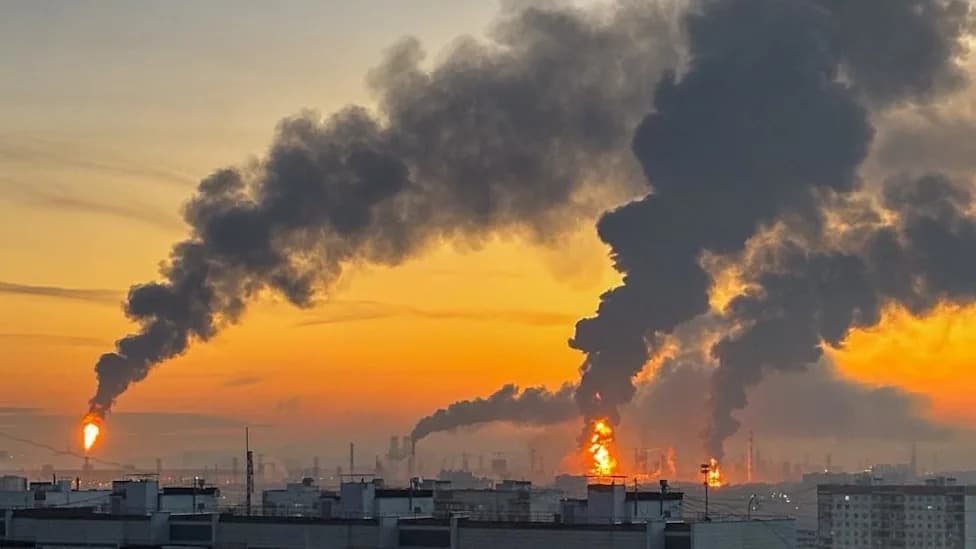
Powerful surf and coastal erosion have drawn renewed attention to roughly 3.6 million pounds of spent nuclear fuel stored about 100 feet from the San Onofre shoreline. Southern California Edison says the dry‑cask system is monitored and designed to withstand seismic and coastal hazards, while critics warn rising seas, storms and earthquakes could challenge protections. Nationally, stalled permanent repository plans have left spent fuel at many reactor sites, and the DOE is studying consolidated interim storage options.
Storm Waves Renew Concern Over 3.6M Pounds Of Spent Nuclear Fuel Stored 100 Feet From San Onofre Shore
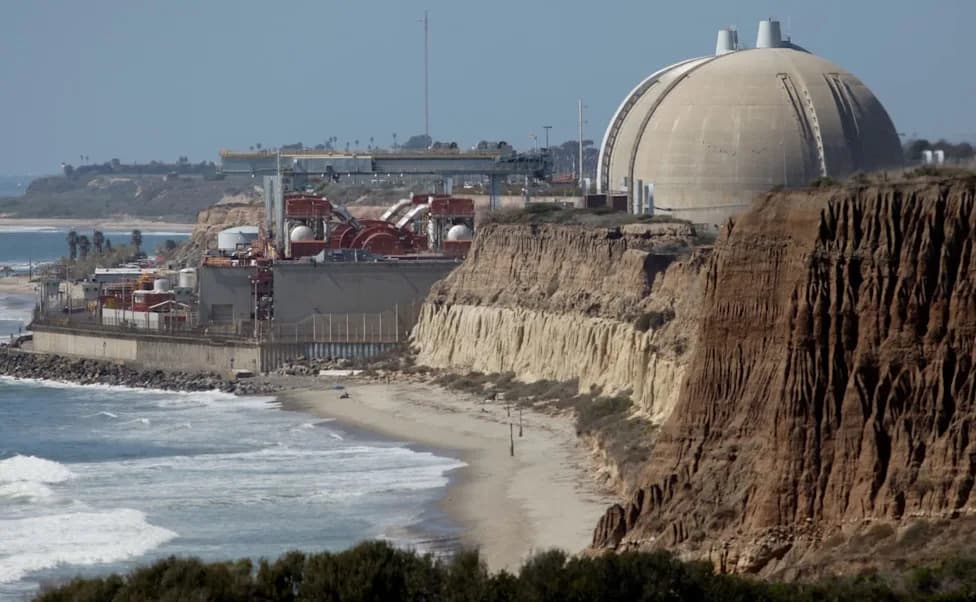
Photo Credit: Getty Images
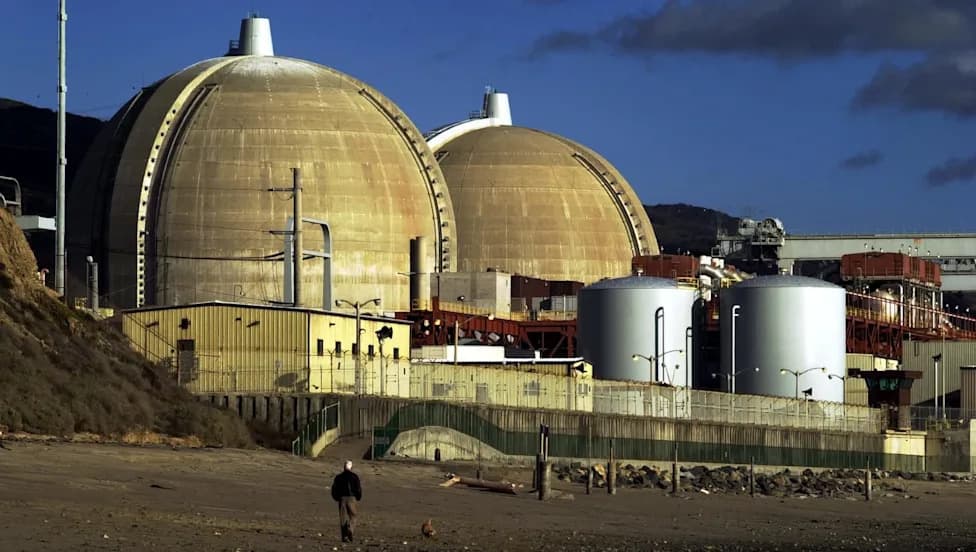
Storm-driven coastal erosion and high surf in Southern California have renewed public scrutiny of roughly 3.6 million pounds of spent nuclear fuel stored about 100 feet from the shoreline at the decommissioned San Onofre Nuclear Generating Station near San Clemente.
What’s Stored At San Onofre
High-level radioactive waste sits in steel dry-storage canisters on a concrete pad behind a seawall at the decommissioned site. San Onofre ceased operations in 2013 after problems with faulty steam generators; much of the plant has been dismantled and its twin domes are slated for demolition in early 2027. The spent fuel, however, is expected to remain on site for the foreseeable future.
Safety, Monitoring And Risks
Southern California Edison says the dry-cask storage system was engineered to withstand coastal hazards and seismic activity. The utility monitors temperatures and radiation levels, inspects canisters for external cracking, and periodically examines test canisters for signs of degradation. Edison has also told the California Coastal Commission it would move waste to higher ground on the property if projections show sea-level rise or erosion becoming a significant threat.
"Rising sea levels, storm waves, El Niño which increases wave height ... these could wash away a section of the walkway that protects the San Onofre seawall and the waste canisters are just 100 feet away from that,"
— Kim McCoy, former wave-dynamics researcher and long-time critic of beachside waste storage
Most experts quoted by the Los Angeles Times say there is little immediate danger. Geology professor James Day (UC San Diego) described the area as seismically active and underlain by relatively young rocks. Greg Jaczko, a former chairman of the Nuclear Regulatory Commission, said Edison "could be doing more monitoring."
"The maximum credible tsunami here would not even overtake the seawall,"
"The maximum credible earthquake, somewhere around a 7.0 magnitude, would produce something about half of what this system is designed to withstand,"
— Manuel Camargo, Principal Manager of Decommissioning, Southern California Edison
One detail reported in some coverage — that Edison may begin transferring fuel into new canisters in 2103 — appears anomalous and may reflect a typographical or reporting error; the timeline for repackaging or long-term relocation remains subject to regulatory, technical and funding constraints.
National Context
Efforts to build a permanent federal repository (Yucca Mountain) effectively stalled after years of political opposition, leaving spent fuel stored at roughly 80 reactor sites nationwide. Utilities have filed claims against the federal government to recover storage costs; those litigation-related expenses have been reported to cost taxpayers on the order of millions per day.
In July 2026, the U.S. Department of Energy announced agreements with Utah, Tennessee, Oklahoma, Idaho and Louisiana to study potential consolidated interim "campus" storage sites linked to economic benefits for host communities. Proposals for consolidated storage remain politically contentious—"Our communities have always said no to becoming a waste site," said Carmen Valdez of the nonprofit Heal Utah. "We don't want to be the toilet bowl of the nation."
Why It Matters
The San Onofre situation underscores a broader dilemma: nuclear power produces low‑carbon electricity, but the long-lived high-level waste it creates poses logistical, political and technical challenges that persist for generations. How governments, utilities and communities resolve where and how to store that waste will shape the future of nuclear energy and public trust.
Key Developments To Watch
- Ongoing monitoring results and inspection findings for San Onofre canisters.
- Updated coastal erosion and sea‑level projections for the site, especially with El Niño influences.
- Federal and state decisions about consolidated interim storage and long-term repository plans.
Help us improve.