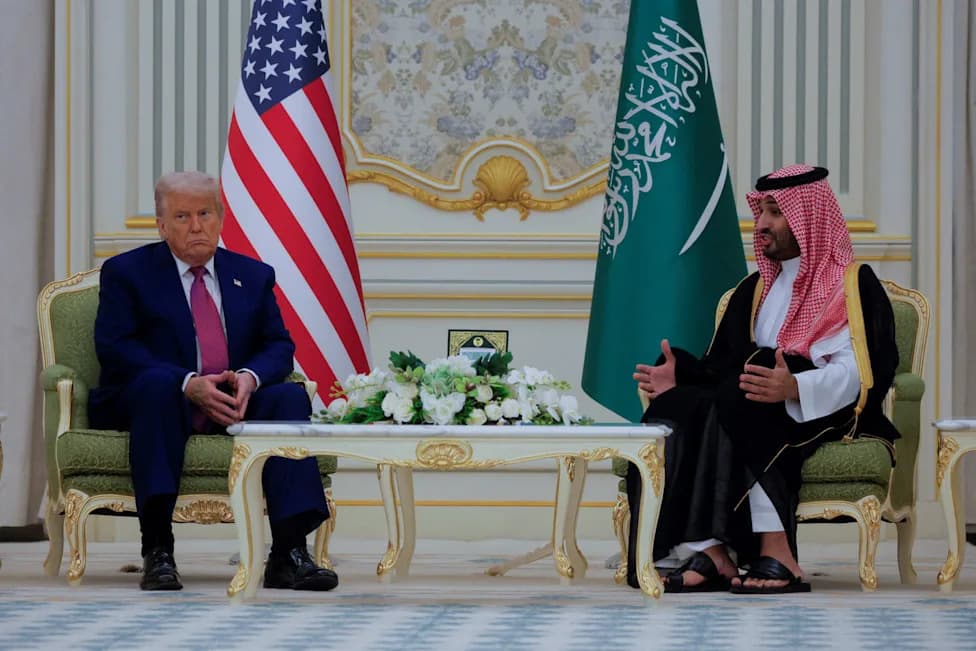
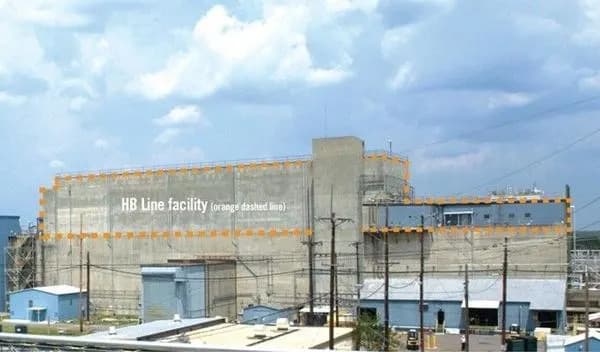
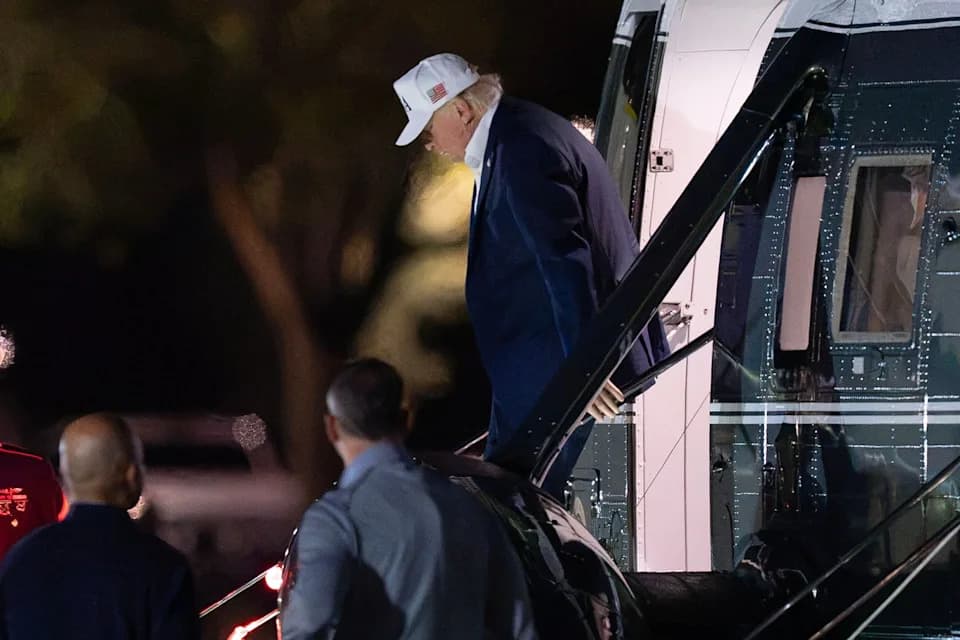
A bipartisan group of U.S. senators has asked the Trump administration to declassify and publish all materials related to a proposed 30-year civil nuclear pact with Saudi Arabia, including two classified "side letters." The senators say the full texts are necessary for the Senate and the public to assess commitments made by both countries. The deal would fund AP1000 reactor construction worth tens of billions and has drawn criticism for not explicitly barring uranium enrichment or reprocessing, unlike the UAE's 2009 "gold standard." The administration maintains the pact contains required nonproliferation measures.
Bipartisan Senators Demand Declassification Of Trump-Saudi Nuclear 'Side Letters'
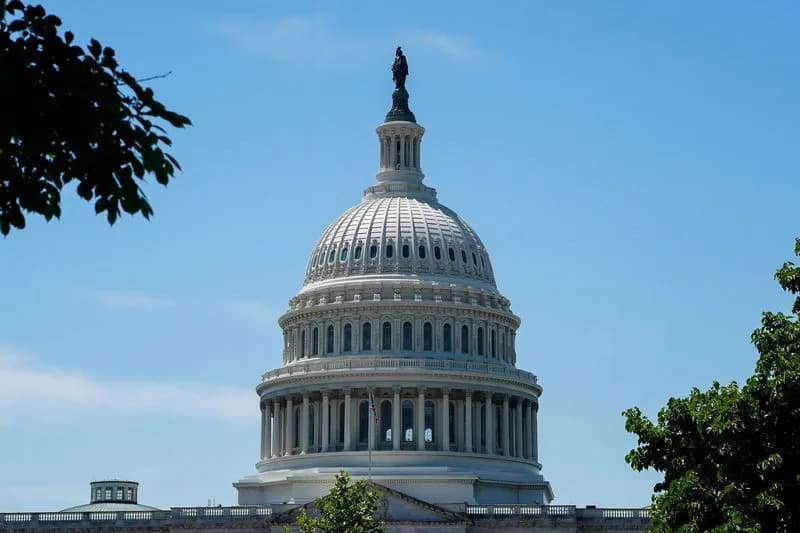
FILE PHOTO: A general view of the U.S. Capitol building in Washington, D.C., U.S., May 12, 2026. REUTERS/Elizabeth Frantz/ File Photo
WASHINGTON, Sept 16 — A bipartisan group of U.S. senators has formally asked the Trump administration to declassify and release all documents tied to a proposed 30-year civil nuclear cooperation agreement with Saudi Arabia, including two classified "side letters" negotiated alongside the main pact.
The senators addressed a letter to the U.S. Secretary of State and the Secretary of Energy, noting that the government has routinely concluded dozens of so-called "123" civil nuclear agreements with other countries without withholding comparable material. They argued that access to the full texts is essential for the Senate and the public to understand the commitments being made on both sides.
"Access to the full text is required for the Senate and the public to have a clear understanding of the commitments being made on the nation's behalf and those being made by Saudi Arabia to the United States," the letter said.
The letter was led by Democrats Jeff Merkley of Oregon and Ed Markey of Massachusetts and was signed by 13 other Democratic senators, one independent who caucuses with Democrats, and two Republicans: Rand Paul of Kentucky and John Kennedy of Louisiana. State and Energy Department officials did not immediately respond to requests for comment.
Congressional Review And Points Of Contention
President Trump sent the proposed agreement to Congress in August, triggering a 90-day review period during which lawmakers can consider and potentially pass a resolution of disapproval. Since then, lawmakers have pressed for the declassification of the side letters and the release of related documents so Congress can conduct a full review.
The deal envisions construction of AP1000 reactors in Saudi Arabia — a program estimated to be worth tens of billions of dollars and expected to benefit U.S. nuclear suppliers, including Westinghouse.
Critics, including some Democratic lawmakers and nonproliferation advocates, have raised concerns that the agreement does not explicitly prohibit uranium enrichment or spent fuel reprocessing — two technical pathways that could be used to develop a nuclear weapon. By contrast, the United Arab Emirates accepted such restrictions in its 2009 civil nuclear agreement with Washington, often referred to as the "gold standard." The Trump administration has said the Saudi deal includes the nonproliferation safeguards required under U.S. law.
The proposed agreement has also prompted questions about whether the pact is tied to broader diplomatic steps: President Trump has said the deal would only take effect if Saudi Arabia normalized relations with Israel, but congressional aides have noted that the agreement as submitted to Congress contains no explicit linkage to normalization. The senators' declassification request did not raise the Israel-normalization issue.
(Reporting by Patricia Zengerle; additional reporting by Timothy Gardner; Editing by Jonathan Spicer.)
Help us improve.