The National Trust warns Nant Ffrancon in Eryri (Snowdonia) is facing serious ecological decline, threatening species such as the ring ouzel and rare alpine plants. A new £1m programme will restore and protect 4,040 acres using targeted habitat work, ecological monitoring and precision grazing with GPS collars. The initiative brings together the Trust, Plantlife Cymru, local farmers, volunteers and funders to secure long-term recovery. Community engagement and school visits will help measure and share progress.
Snowdonia Valley Declared In 'Nature Emergency' — £1m Plan to Restore 4,040 Acres and Protect Rare Species
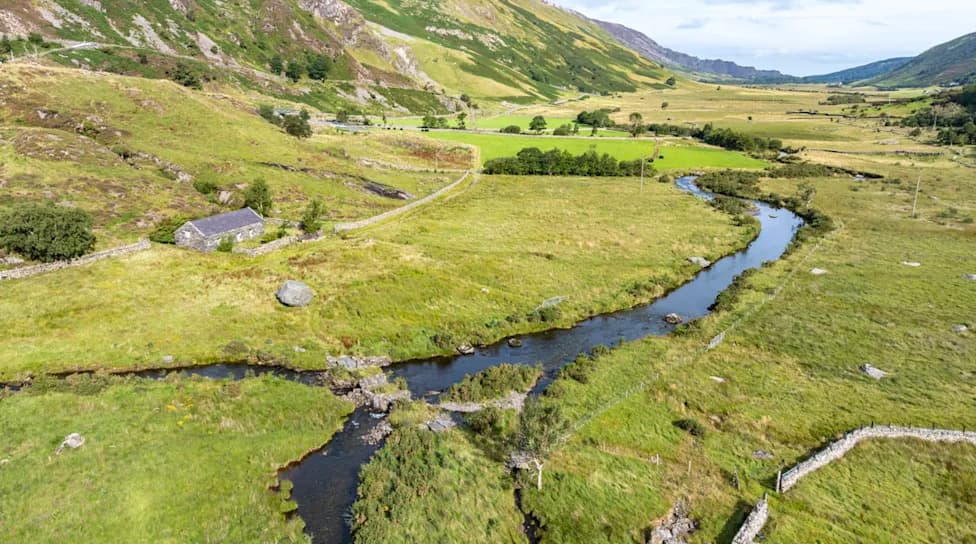
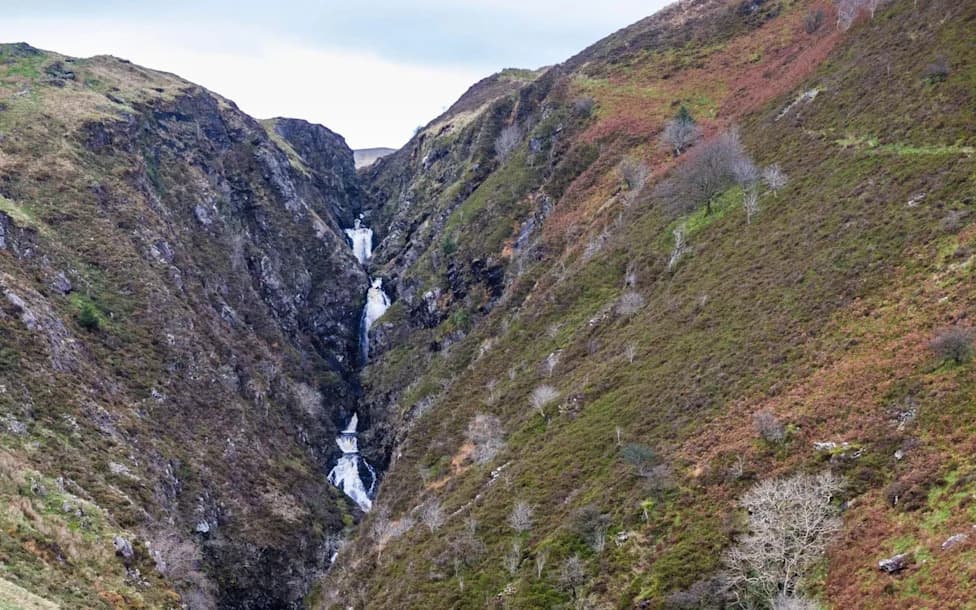
Nant Ffrancon is one of the most special and unique landscapes in Wales but experts say its habitats have deteriorated [National Trust Cymru]
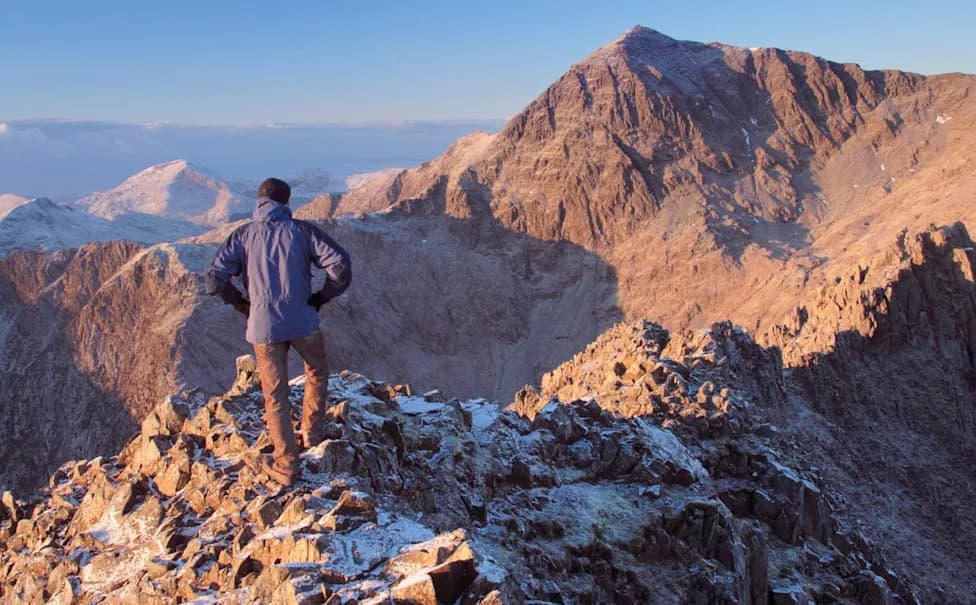
The National Trust has warned that Nant Ffrancon — a distinctive valley within Eryri (Snowdonia) National Park — is experiencing serious ecological decline, putting several of Wales' most vulnerable species at risk of local extinction. A new £1 million project aims to restore and protect 4,040 acres of upland habitat across the valley.
Urgency and Local Strongholds
Simon Rogers of the National Trust describes the situation as a "nature emergency", saying many species in the valley "really are on the brink". The project will target species already showing sharp declines locally and nationally, including the ring ouzel — a red-listed bird — as well as the mountain blackbird and mountain finch.
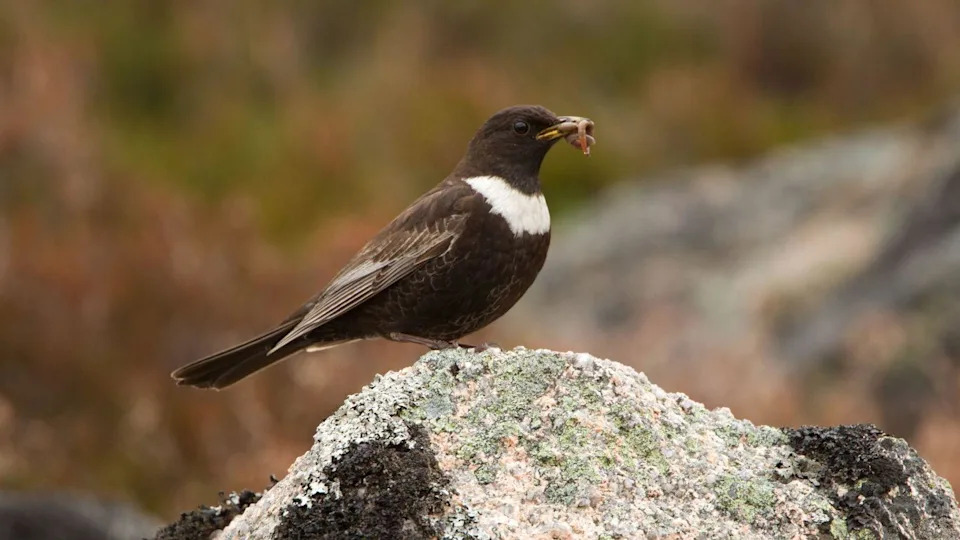
The ring ouzel bird has been in decline across the area [Getty Images]
Rare Plants Under Threat
Cwm Idwal supports unique arctic–alpine flora. One alarming example is the Tufted Saxifrage: only seven plants were recorded at the start of the year (all in Cwm Idwal), and following an intense summer drought only three survived — the last known individuals in Wales. Conservationists say this highlights how quickly rare plants can be pushed to the brink without action.
How the Project Will Work
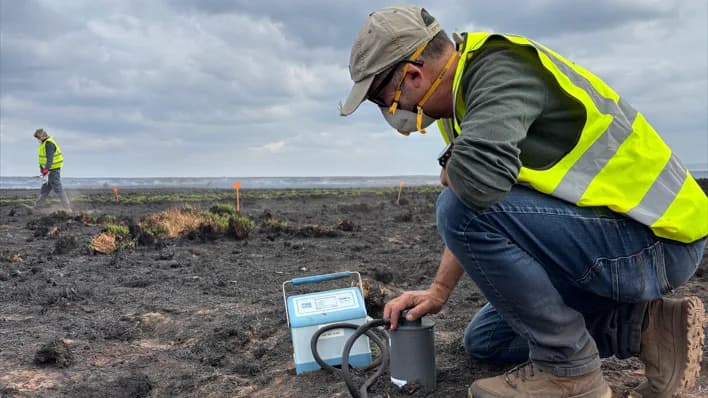
Led by the National Trust in partnership with local communities, tenant farmers, Plantlife Cymru and other organisations, the programme will combine habitat restoration, ecological surveys and long-term monitoring across 4,040 acres. Species chosen as indicators of recovery include birds (ring ouzel, woodcock), mammals (otter) and plants (aspen, juniper).
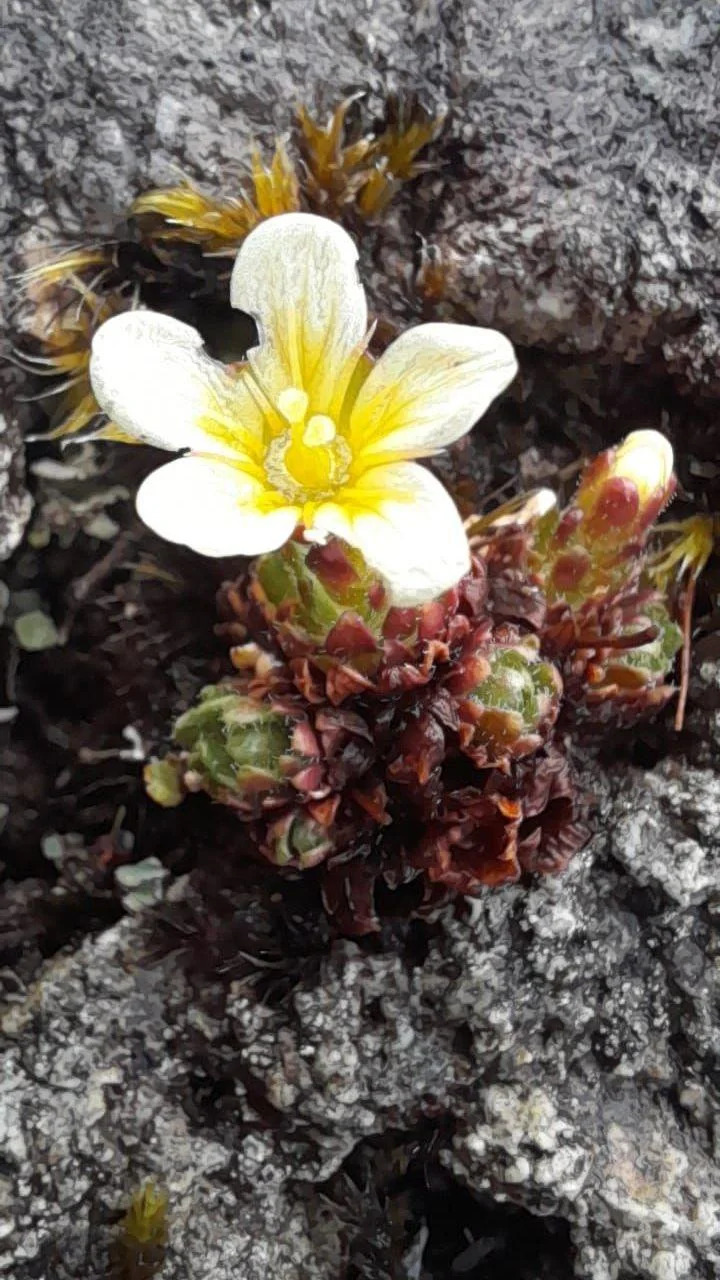
Tufted Saxifrage is an alpine flower which has suffered due to the summer's drought [National Trust]
Innovative Grazing Management
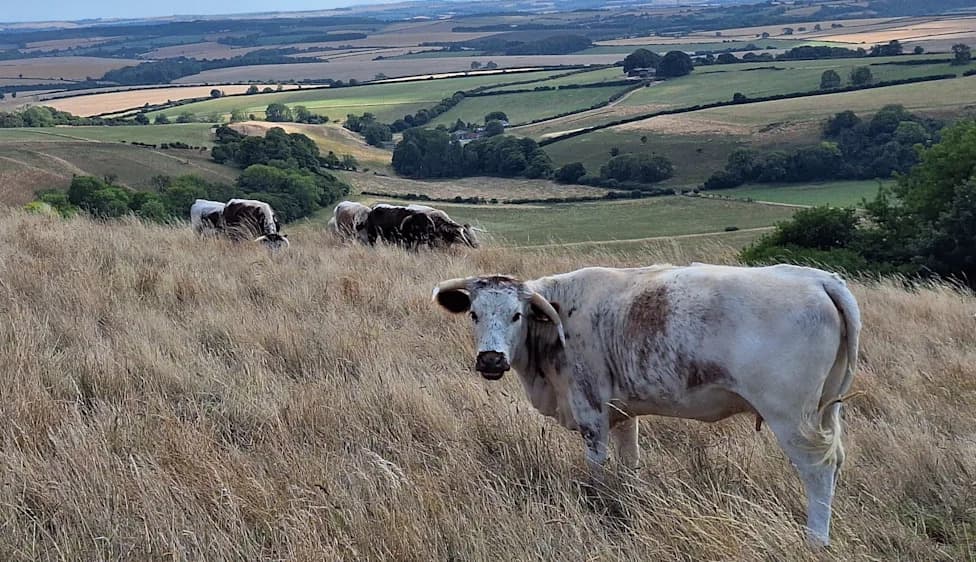
The project will expand precision grazing techniques using GPS collars on livestock to manage where and when animals graze. Cwm Idwal Partnership Officer Rhys Wheldon-Roberts explains that live data helps farmers move cattle to the right places at the right densities, making grazing more effective for both livestock and nature.
Community, Education and Monitoring
Volunteers, local people and school groups will be invited to take part in monitoring, habitat work and education activities. The project emphasises community involvement so people can see the effects of conservation grazing and learn how to protect this special landscape for the long term.
Funding and Long-Term Goals
Funding comes from nearly £1 million awarded through the Nature Networks Fund, delivered by the Heritage Fund on behalf of the Welsh Government, in partnership with Natural Resources Wales. "What we're trying to do with this project is set a foundation for the future," Rogers said, noting the aim that early gains will enable recovery to continue for decades.
Key objective: Restore habitat condition and secure populations of priority species in Nant Ffrancon so that the valley remains a stronghold for rare upland wildlife.
Help us improve.