Researchers used Gaelic and Scots place names to rediscover long-lost oyster beds on Scotland's West Coast, finding at least one previously undocumented bed and evidence of historical oyster locations on Mull, Islay and Lewis. Project Eisirean, led by the University of Glasgow with local partners, combines linguistic clues with field surveys to locate historic oyster habitats. The team will trial mobile hatcheries—starting in Millport—to supply larvae for restoration and to reconnect communities with their shellfish heritage.
Gaelic Place Names Lead Scientists to Long-Lost Oyster Beds on Scotland’s West Coast

Lost oyster beds rediscovered thanks to Gaelic and Scots language
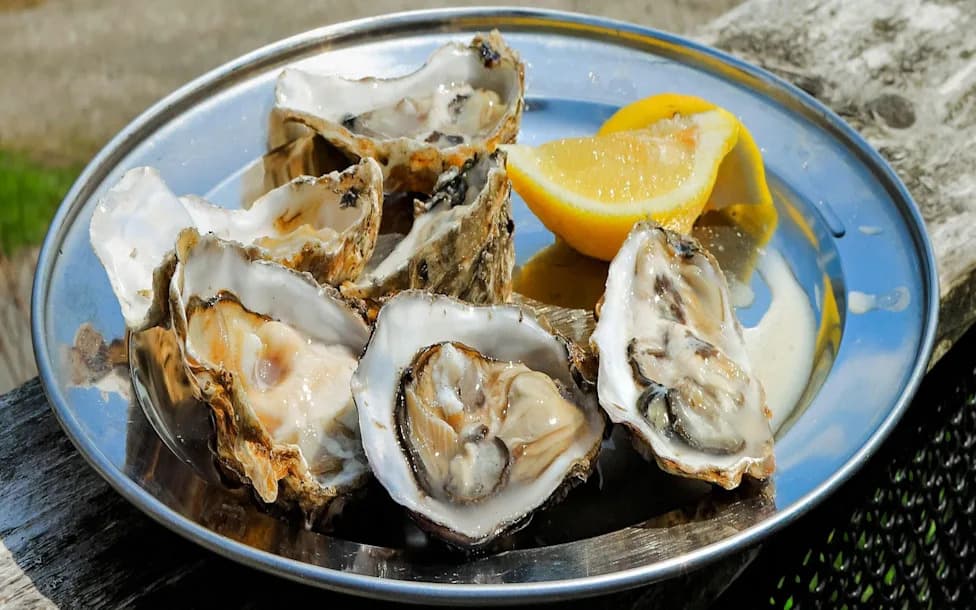
Researchers have used Gaelic and Scots place names to pinpoint long-forgotten oyster beds along Scotland's West Coast, uncovering at least one previously undocumented bed and supporting evidence that oysters once occupied additional sites on Mull, Islay and Lewis.
Project Eisirean: Linking Language, Memory and Science
Project Eisirean is a multi-year collaboration between coastal ecologists, Gaelic and education specialists at the University of Glasgow and local community organisations. The team searched coastal toponyms for Gaelic words meaning "oyster"—eisir, eisirein and eisirean—and for habitat-related names such as sandbanks and tidal causeways, then visited named sites to assess their suitability for oysters.
Dr Anna McGregor, a coastal ecology lecturer at the University of Glasgow, devised the approach of using traditional place names to guide scientific surveys. "This is a really exciting outcome for a project that started by mapping the historic distribution of oysters along the West Coast," she said. "We wanted to see whether local memory and linguistic heritage could point us to places where oysters used to be."
"We found two places with 'oyster' in the name on Mull and, after about two years, another site on Lewis. We then broadened our search to include habitat-related names like sandbanks," Dr McGregor added.
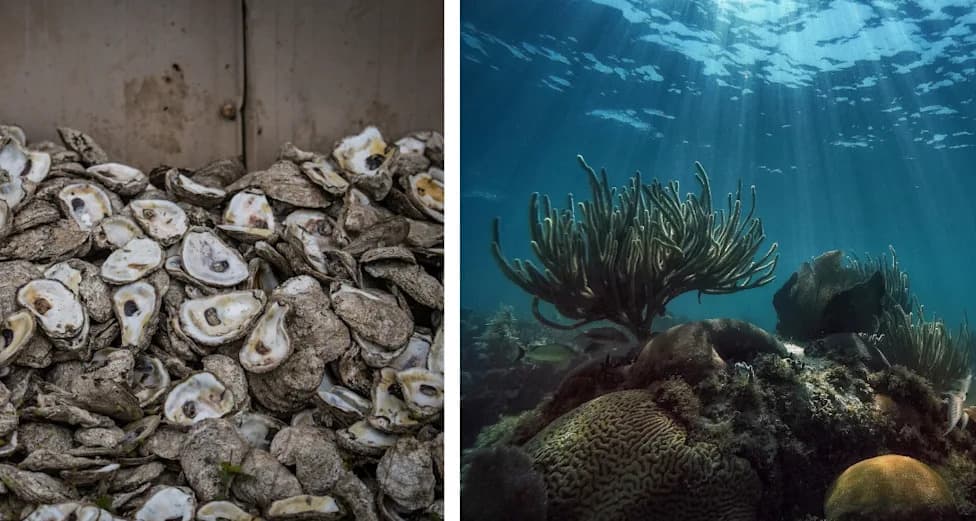
Following the toponymic search, researchers evaluated physical factors such as seabed type and tidal flow to identify sites likely to support oyster beds now or in the future. Native oysters once thrived around Scotland and elsewhere in Europe but have largely declined because of overharvesting, habitat loss and disease. Restoring oyster populations can bring multiple benefits: oysters filter water, create reef habitat for other species and help stabilise shorelines.
From Discovery to Restoration
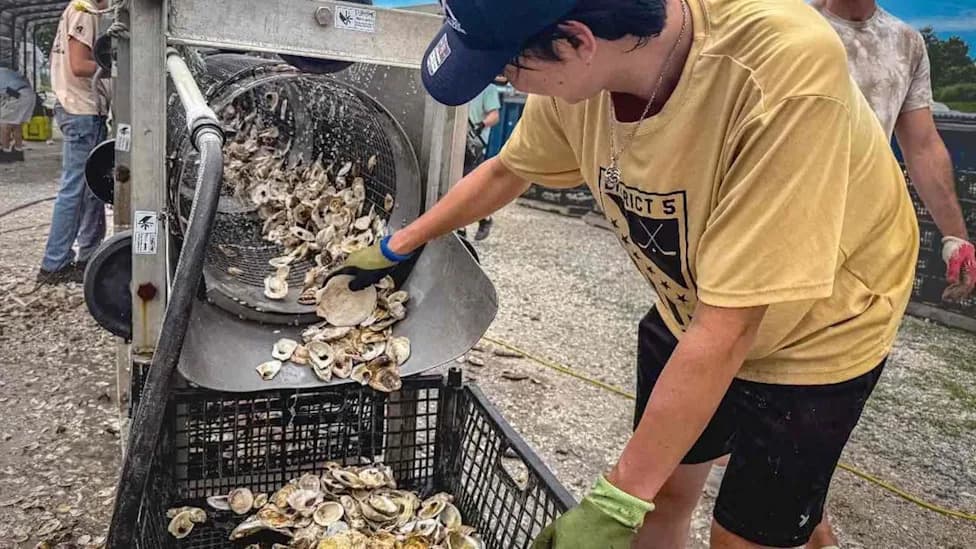
The team plans to build on these discoveries with community-led restoration and protection work in priority locations on Islay and Mull. A key next step is trialling mobile oyster hatcheries that can supply larvae to coastal communities and seed restoration efforts at multiple sites. The first such hatchery is currently being trialled in Millport, with further pilots planned.
Hein Sas, secretary of the Native Oyster Restoration Alliance (NORA), said Project Eisirean "can serve as an example for other efforts of how cultural heritage can help identify suitable restoration sites." The project aims not only to rebuild oyster numbers but also to reconnect communities with a coastal food resource and heritage.
What Comes Next: Continued field surveys, community engagement on Mull and Islay, trials of mobile hatcheries, and targeted reef restoration and protection in identified sites.
Help us improve.