The New Zealand mudsnail, an invasive species capable of self-reproduction, has been found at Carter Lake in northern Colorado. Colorado Parks and Wildlife has launched boat inspections and containment measures; the species has been confirmed in 41 other Colorado waters. Inspectors check vessels on entry and exit, focusing on live wells, anchors and hidden crevices, while officials work to prevent spread in Larimer County. Because the snail can reproduce without a mate, it is likely to persist locally and management centers on limiting new introductions.
Self-Replicating New Zealand Mudsnail Detected at Carter Lake; Boat Inspections Underway
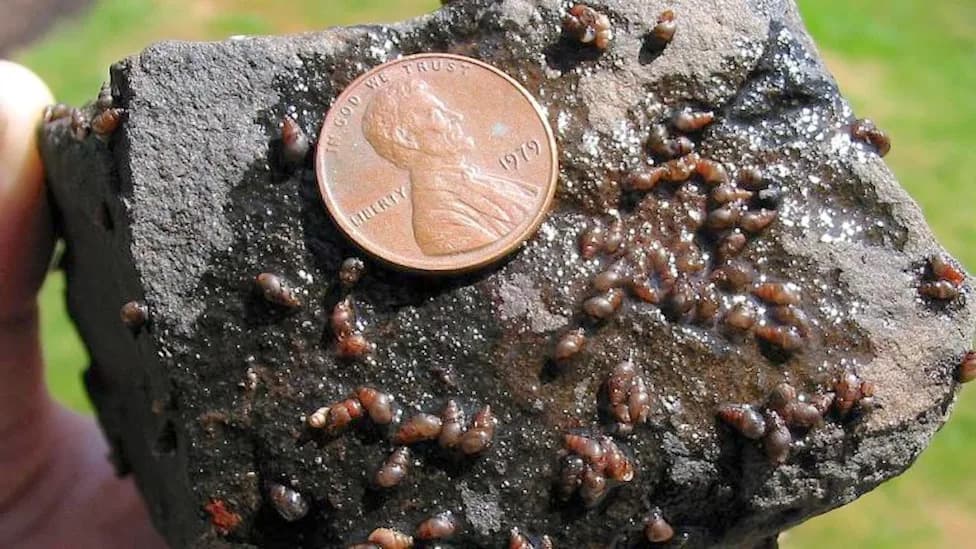
Photo Credit: Colorado Parks and Wildlife
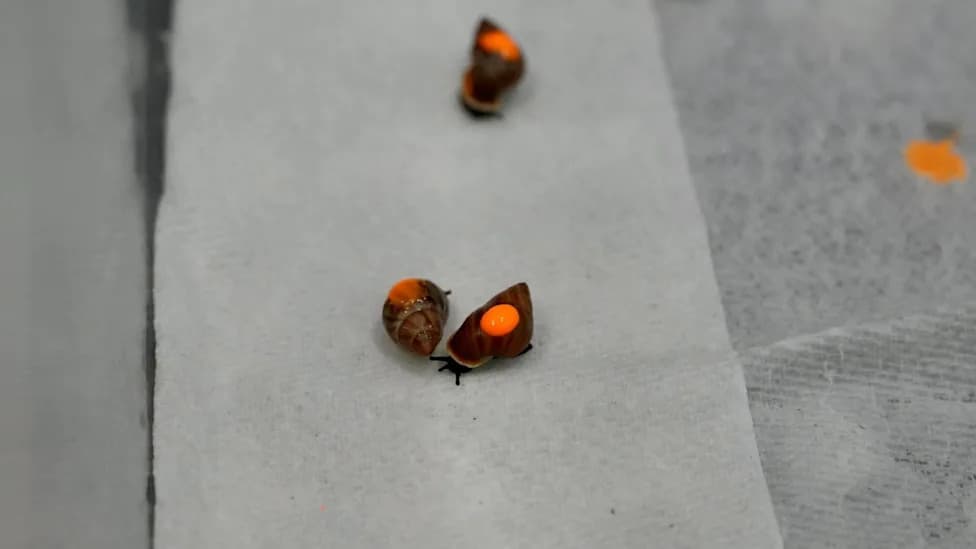
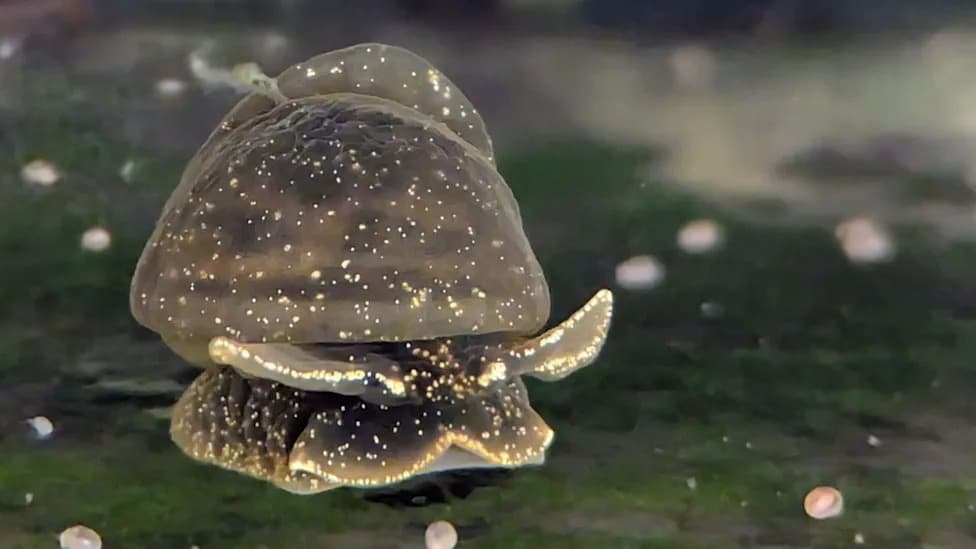
A tiny invasive mollusk, the New Zealand mudsnail, capable of reproducing without a mate, has been detected at Carter Lake in northern Colorado. Colorado Parks and Wildlife (CPW) has set up inspection and containment measures at the popular recreational lake to try to prevent the snail from spreading to other reservoirs and streams.
Why This Is Concerning
Although small and brown in appearance, the New Zealand mudsnail can have outsized ecological effects once it becomes established. As a nonnative species with few natural predators in Colorado waterways, it can reproduce rapidly and outcompete native aquatic animals for food and habitat, contributing to declines in biodiversity.
Kara Van Hoose, a spokesperson for Colorado Parks and Wildlife, said the snails 'are very big eaters, and they just kind of go through all of the different nutrients that are in an ecosystem and don't really provide any benefits back to anything else in there.' She also noted the species has been confirmed in 41 other bodies of water across the state.
CPW biologists add that the snails are poor prey for many local species: they are often unpalatable to fish and can pass through birds that eat them undigested, allowing the snails to survive and potentially be transported to new locations.
Containment and Boat Inspections
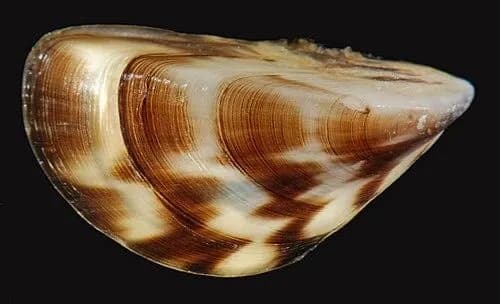
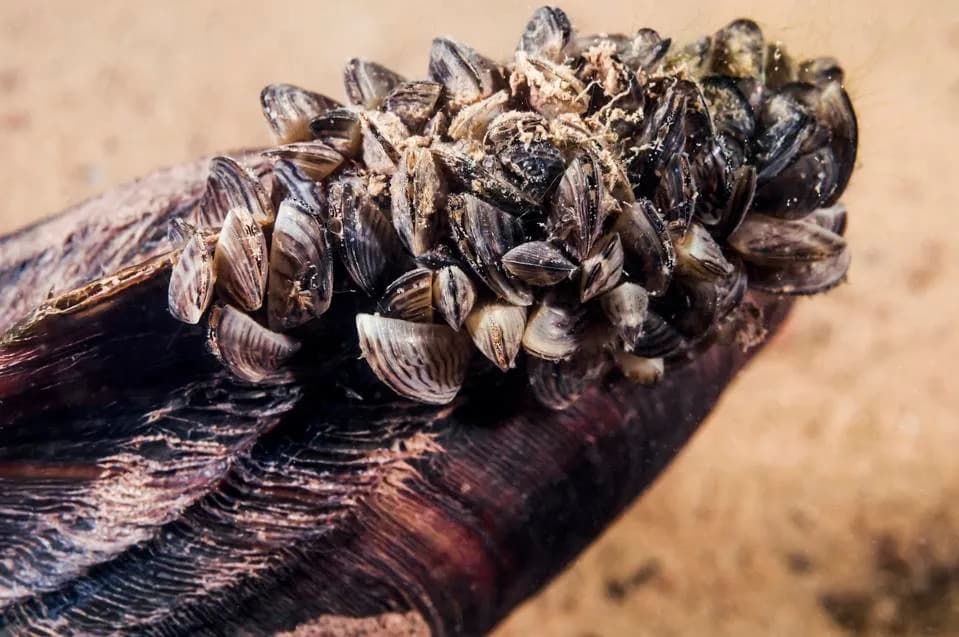
Inspection stations at Carter Lake are checking boats for the New Zealand mudsnail and other invasive organisms such as zebra mussels. Inspectors examine vessels both on arrival and departure, focusing on small, concealed areas where tiny stowaways can hide, including live wells, anchors, the hull, and trailer components.
Boat owner Byron Maine described the checks: 'They just examine the boat, look for live wells, look at your anchor, the bottom of the boat on the trailer, things like that.' He added that staff make sure boats are drained of water and cleared of plant material before leaving.
Outlook and What Boaters Can Do
Because the New Zealand mudsnail can reproduce by cloning (parthenogenesis), eradication after establishment is unlikely, so management emphasizes preventing movement to uninfested lakes and streams. CPW expects the snail to persist at Carter Lake and is concentrating efforts on keeping it out of other waterways in Larimer County.
Boaters and anglers can help by following inspection guidance: drain water from boats and equipment, remove and dispose of plants and mud, and clean and dry gear before moving between water bodies. Vigilance and cooperation reduce the risk of further spread and the long-term ecological and financial costs of managing invasive species.
Help us improve.