The St. Louis Zoo received 500 adult Partula snails bred at the Detroit Zoo; they will be released in Tahiti to help rebuild wild populations harmed by invasive predators. The snails travel priority overnight in temperature-stable packaging and pause in St. Louis for a special diet before release. Each 2026 release snail is marked with an orange, UV-fluorescent dot for cohort monitoring. This effort is part of a broader international recovery program that has returned 11 species—over 17,000 snails—to native habitats.
500 Partula Snails Mailed to Tahiti in a Global Push to Restore Wild Populations
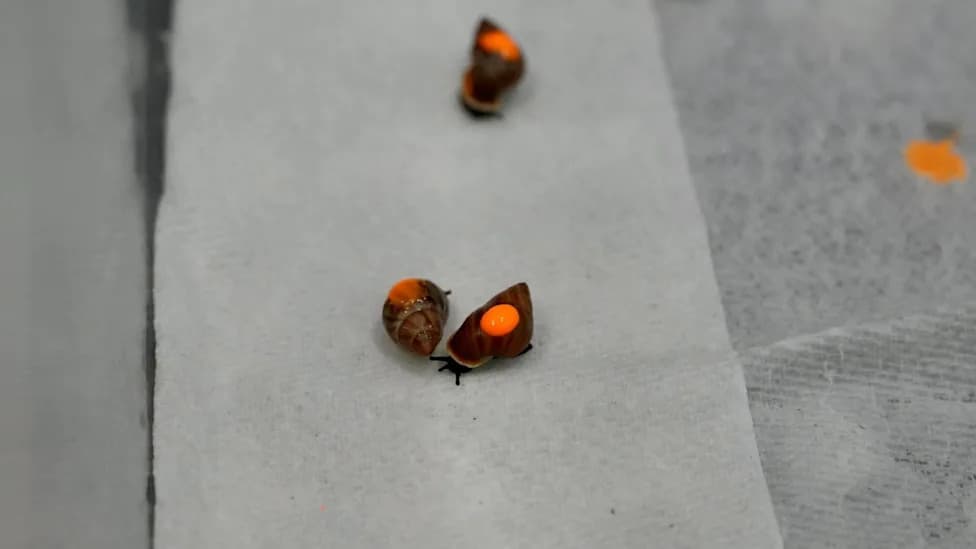
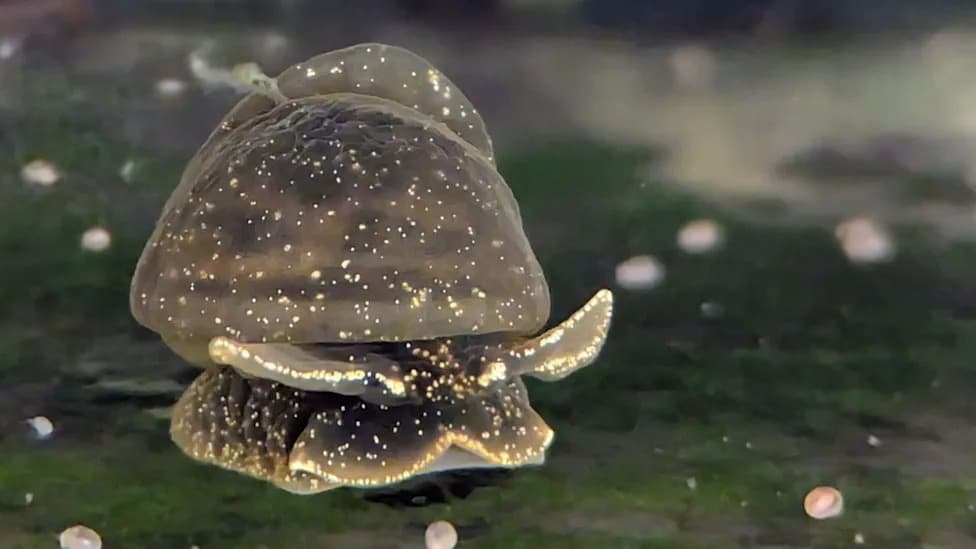
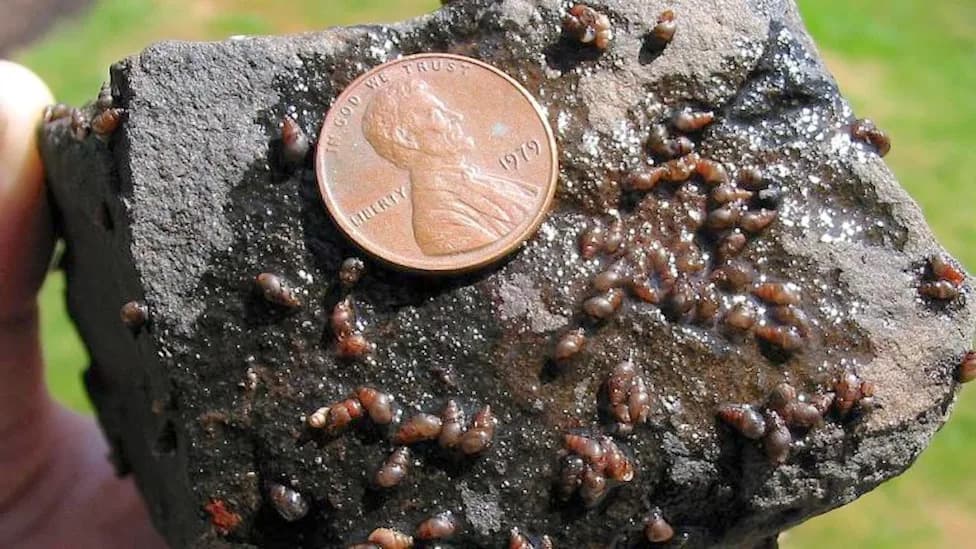
The orange markings indicate that these snails were released in 2026.
Staff at the St. Louis Zoo in Missouri recently received an overnight shipment of 500 adult Partula snails bred at the Detroit Zoo. The snails are en route to Tahiti, where they will be released into the wild as part of an international recovery program aimed at rebuilding native Partula populations devastated by invasive predators.
Careful Transport and Pre-Release Preparation
The animals travel "priority overnight" via FedEx or UPS, packed with insulating materials and special phase-change temperature-stabilizing packs to protect them during transit. According to Mark Vassallo, Curator of Amphibians at the Detroit Zoological Society, the snails are making a short stop at the St. Louis Zoo to receive a special diet that helps prepare them for survival back in the wild.
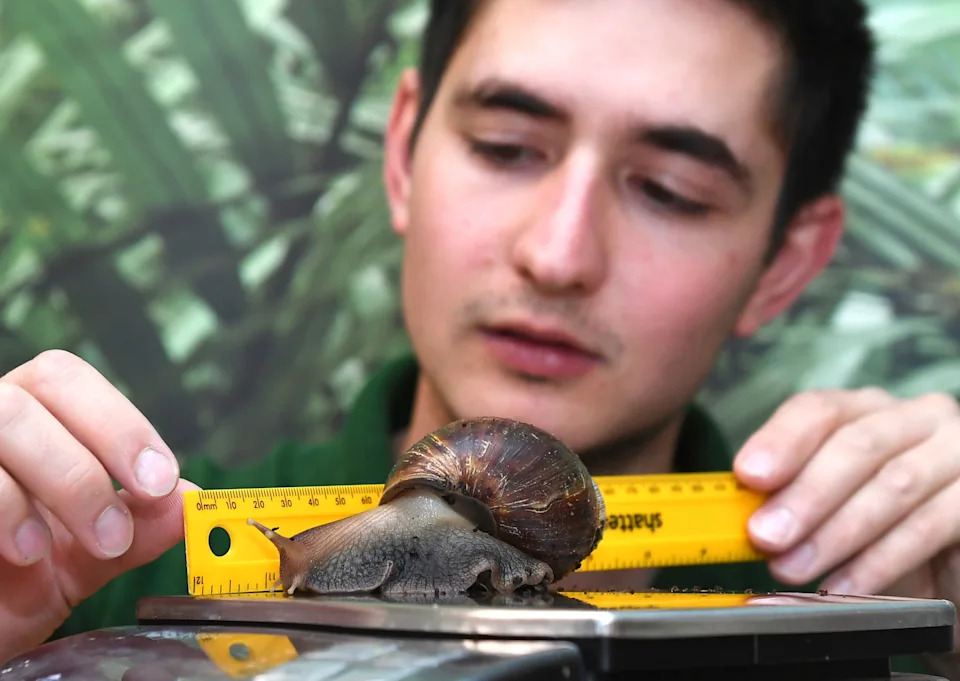
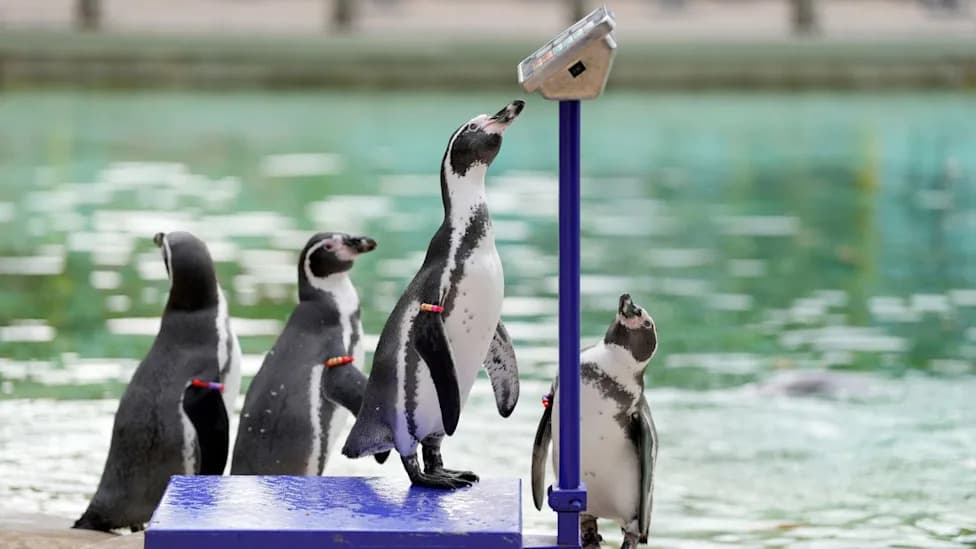
APartulasnail is weighed and measured by keeper Tom Maunders, during the annual weigh-in at Whipsnade Zoo in England.Image: Joe Giddens/PA Images via Getty Images.
Why Partula Snails Matter
Partula snails are small, tree-dwelling mollusks native to islands across French Polynesia. They hold cultural significance in the region—traditionally, distinct Partula shells are linked to different islands. Populations crashed after humans introduced the predatory rosy wolf snail to control another invasive species, which instead decimated many native Partula species.
Release Strategy and Monitoring
All 500 snails on this shipment were bred at the Detroit Zoo. Each individual in the 2026 release cohort bears an orange dot of animal-safe paint on its shell that fluoresces under ultraviolet light; each release year uses a different color so conservationists can quickly identify and monitor specific cohorts in the field.
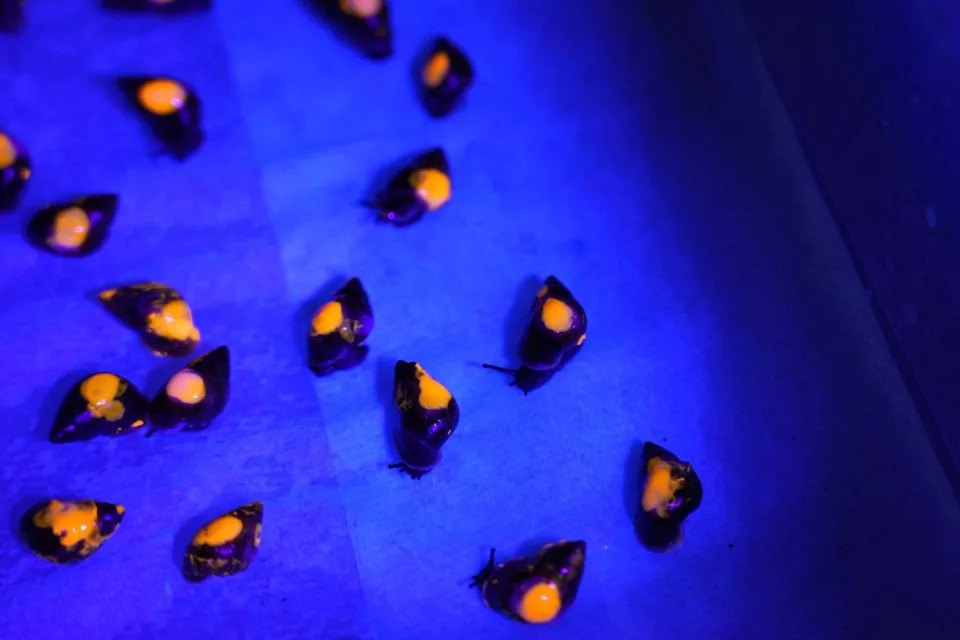
Orange markings onPartula nodosasnails bred at the Detroit Zoo glow under ultraviolet light. The markings will help researchers identify and monitor the 2026 release group after the snails are returned to the wild in Tahiti.Image: Detroit Zoo.
An Ongoing International Recovery Effort
The release is part of a coordinated international program that has returned 11 Partula species—previously declared extinct in the wild—to their native habitats, totaling more than 17,000 individual snails. The Audubon Nature Institute in New Orleans recently contributed 200 additional Partula snails to support reintroduction efforts in Tahiti.
“Success for a conservation project can be defined in stages but ultimately, a self-sustaining population with consistent reproduction and, very importantly, proper habitat that is protected to sustain that species,”
Vassallo explained. The ultimate goal is to establish self-sustaining populations that reproduce reliably in protected habitat, ensuring long-term recovery and stabilization.
Signs of Hope
Some species—such as Partula nodosa—were once considered extinct in the wild. Reintroduction efforts have produced encouraging results, including reports of wild-born offspring following recent releases, showing that these efforts can lead to real recovery when paired with habitat protection and ongoing monitoring.
Image credit: Detroit Zoo / Joe Giddens/PA Images via Getty Images
Help us improve.