Young Maldivian activists are taking visible, grassroots action to defend their islands from damaging coastal development and climate change. Groups such as Project ThimaaVeshi, Ripple and Barnacles stage kayak protests, run weekly cleanups, remove fishing lines from coral and teach youth about environmental rights. Despite political pushback, they stress urgency as experts warn that roughly 80% of the Maldives could become uninhabitable within 50 years if current trends continue.
Maldives Youth Rise Up Against Coastal Development and Climate Threats
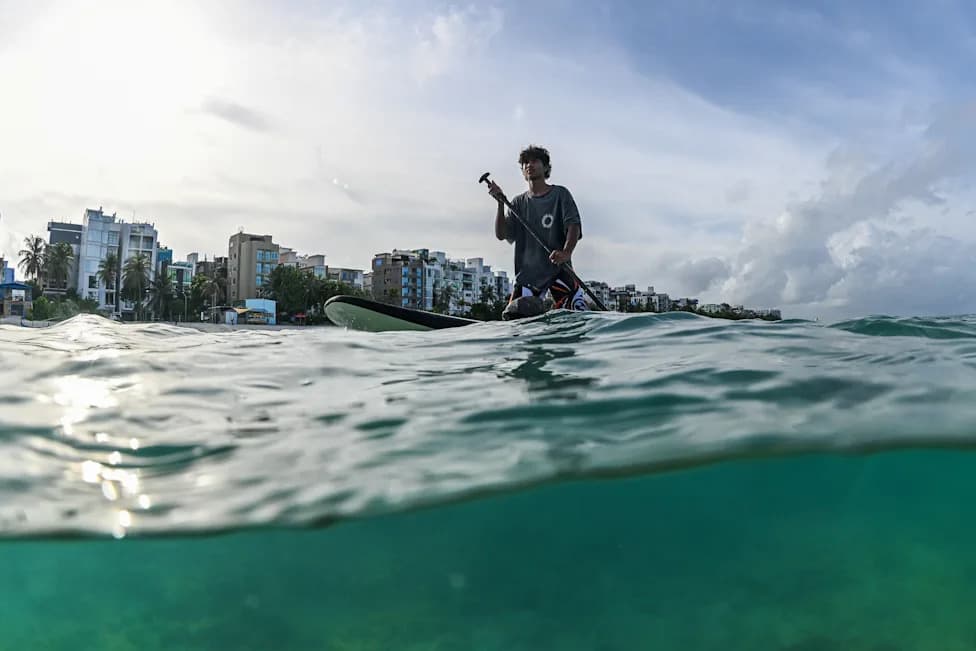
A surfer from Aloha Ufaa Surf Club in Hulhumale participates in an underwater trash clean up session with Ripple, a youth group, off the coast of Hulhumale, Maldives, June 27, 2026. (AP Photo/Sophia Nasif)(AP Photo/Sophia Nasif)
Young activists across the Maldives are taking bold, visible action to protect their islands from the twin threats of rapid development and climate change. From kayak protests to weekly beach cleanups, these youth groups are turning local concern into organized, civic activism.
Direct Action to Protect Fragile Wetlands
In Addu City, members of Project ThimaaVeshi — which translates as "self and surroundings" — paddled kayaks into a UNESCO biosphere reserve to protest land reclamation that sliced through protected mangrove wetlands. Protesters even spray-painted "ECOCIDE" on reclaimed patches to dramatize the damage.
Grassroots Cleanups and Education
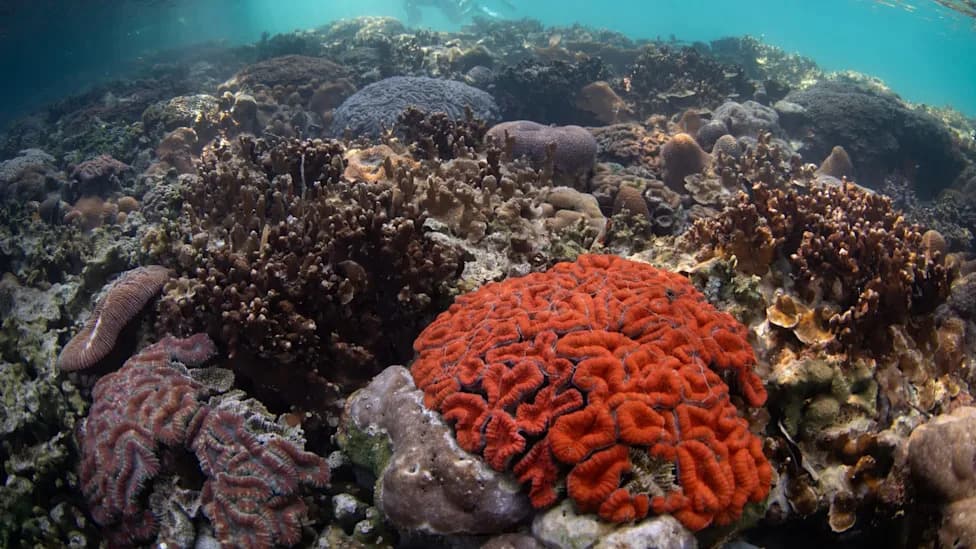
In Malé and nearby Hulhumalé, youth-led groups such as Ripple and Barnacles focus on plastic pollution and climate education. Volunteers team up with surfers and community members to remove fishing lines from coral, collect single-use water bottles and run weekly cleanups. The groups also emphasize teaching young people about their right to a clean and healthy environment.
From Student Groups to Registered Nonprofits
Project ThimaaVeshi was founded by former student leaders Yameen Maumoon and Mishal Mushahid after their work with the Addu City council evolved into a registered nonprofit. Ripple began informally after friends started posting cleanup videos on TikTok; Barnacles grew from a school presentation into a group focused on youth leadership and climate education.
"It was just us and a bunch of hopes and dreams," said 21-year-old co-founder Yameen Maumoon.
Political Pushback and a Sense of Urgency
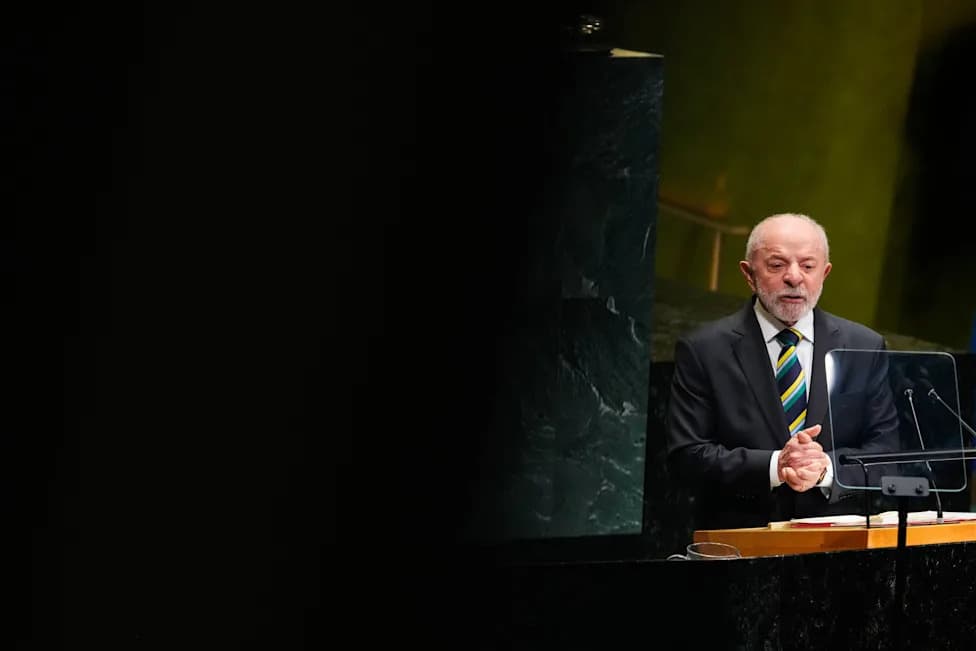
Activists say the government has at times framed development as requiring trade-offs and that protective measures are moving too slowly. Last year, the country's minister of climate change, Ali Shareef, remarked in a public forum that young people "have too many emotions and can't be trusted with decision-making," a comment activists say reflects wider dismissal of youth-led action.
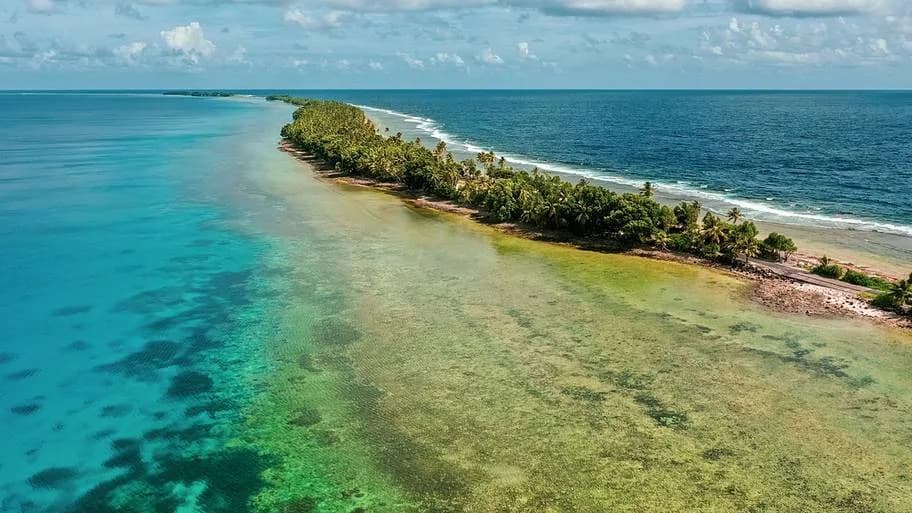
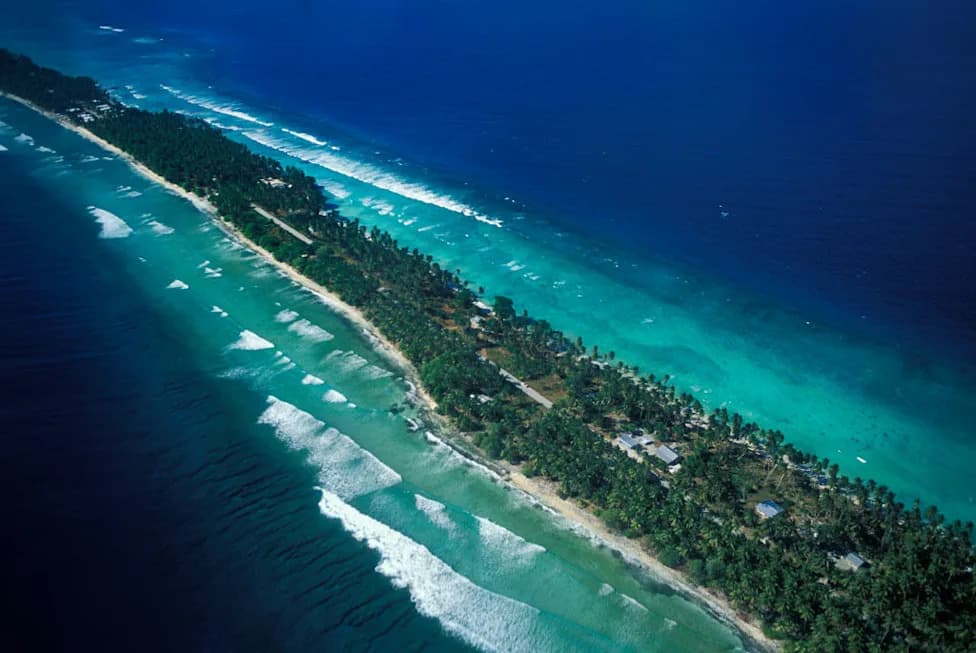
Experts warn that if sea-level rise continues on its current trajectory, roughly 80% of the Maldives could become uninhabitable within the next 50 years, a prospect that underpins the urgency driving these groups.
"We are deciding what kind of ancestors we will be," said Barnacles co-founder Yania Hussain Ishan. "We are defending our home, our heritage and the right of every Maldivian child yet to be born to stand on these shores."
While the activists acknowledge they cannot solve the country’s complex challenges alone, they insist grassroots pressure, public education and local conservation work are essential steps toward protecting their islands' future.
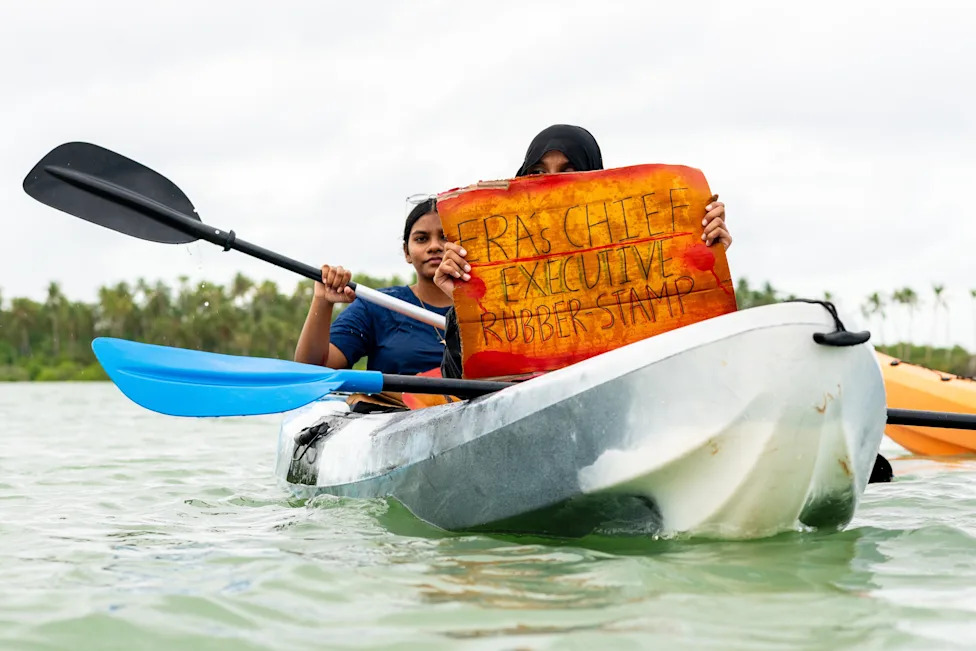
A participant holds a sign as part of Project ThimaaVeshi, a youth-led demonstration against ongoing reclamation project damaging mangroves off the coast of Addu City, Maldives, June 3, 2026. (AP Photo/Sophia Nasif)(AP Photo/Sophia Nasif)
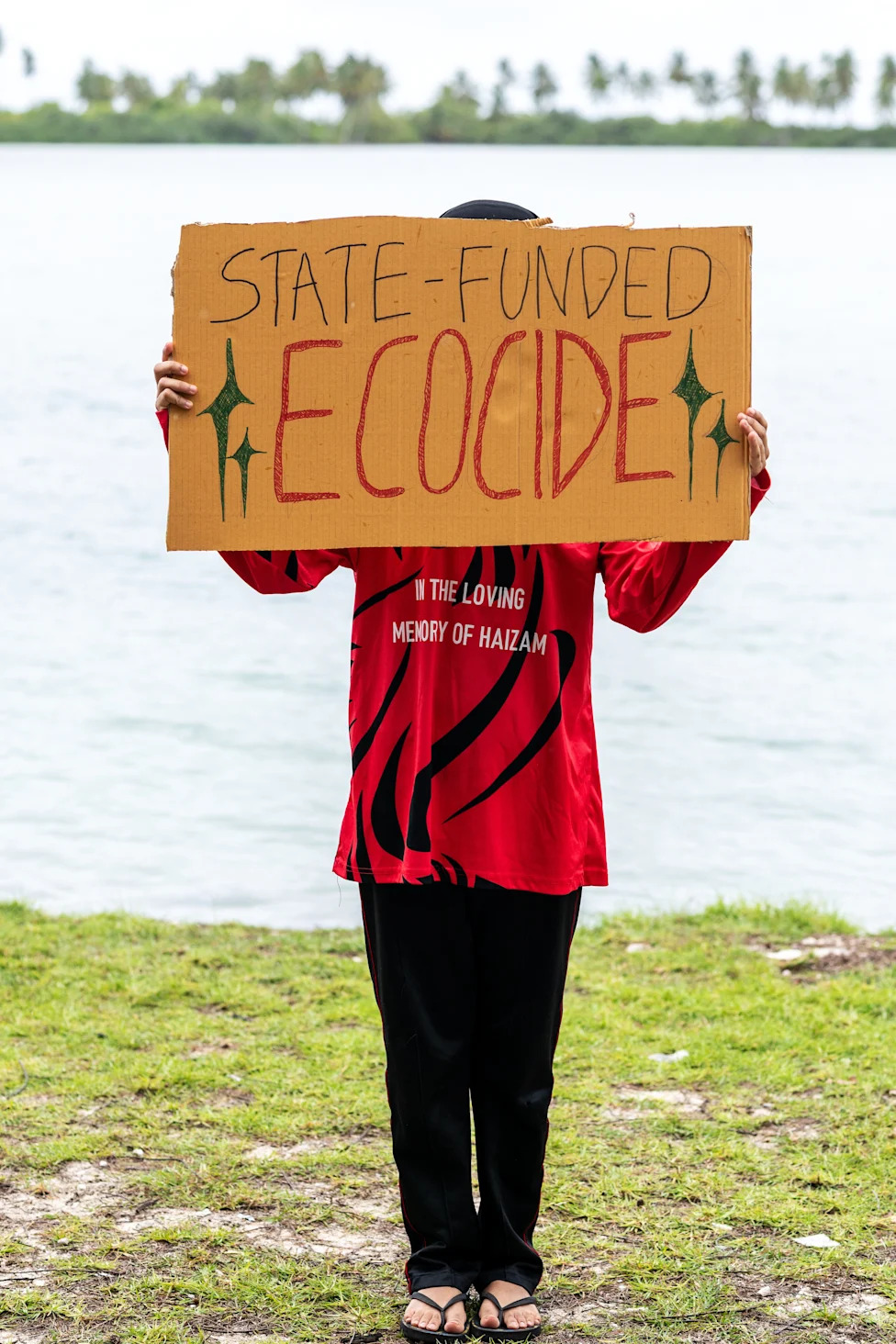
A demonstrator holds a sign while participating in an action as part of Project ThimaaVeshi, a youth-led protest against ongoing reclamation projects damaging mangroves, in Addu City, Maldives, June 3, 2026. (AP Photo/Sophia Nasif)(AP Photo/Sophia Nasif)
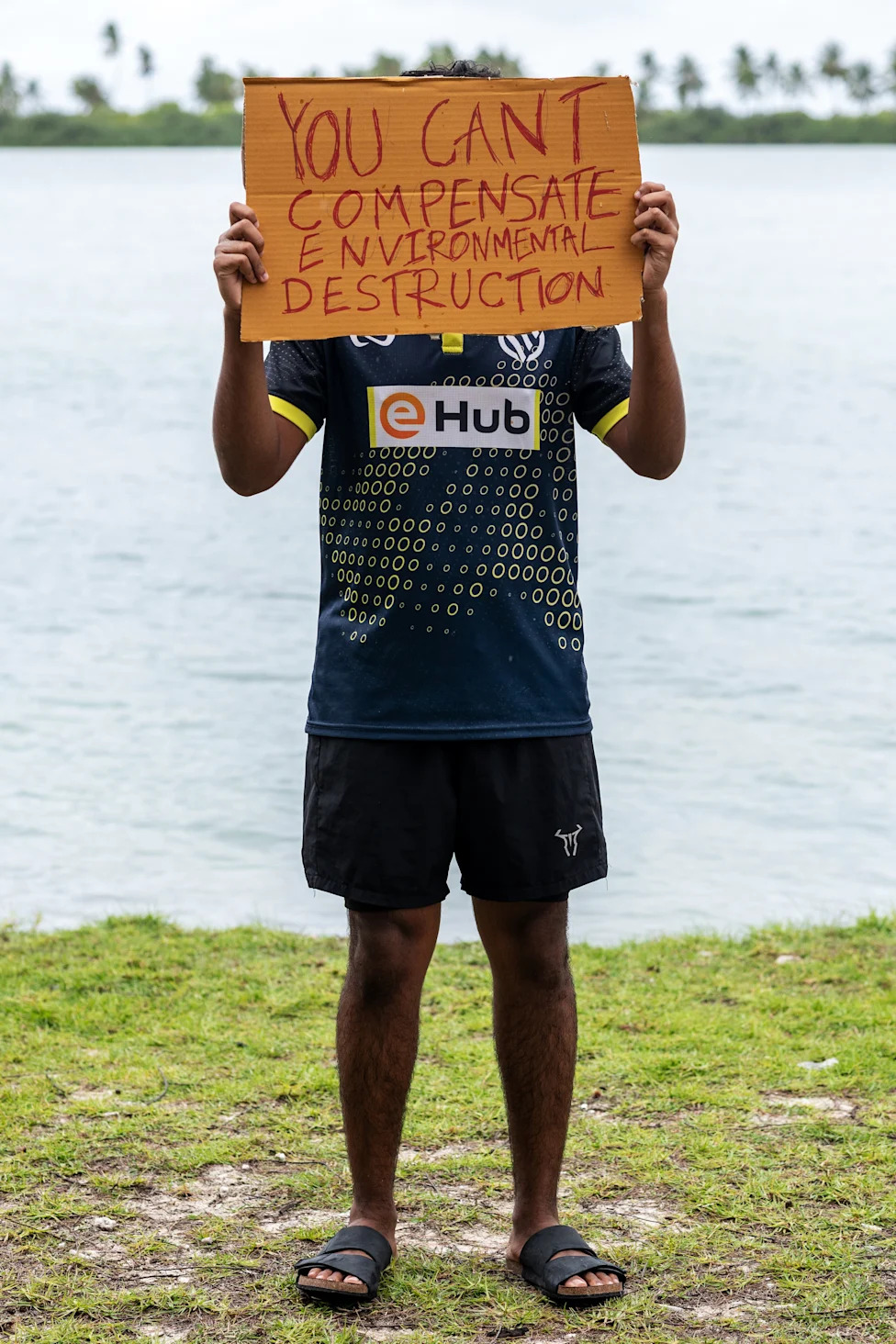
A demonstrator holds a sign while participating in an action as part of Project ThimaaVeshi, a youth-led protest against ongoing reclamation projects damaging mangroves, in Addu City, Maldives, June 3, 2026. (AP Photo/Sophia Nasif)(AP Photo/Sophia Nasif)
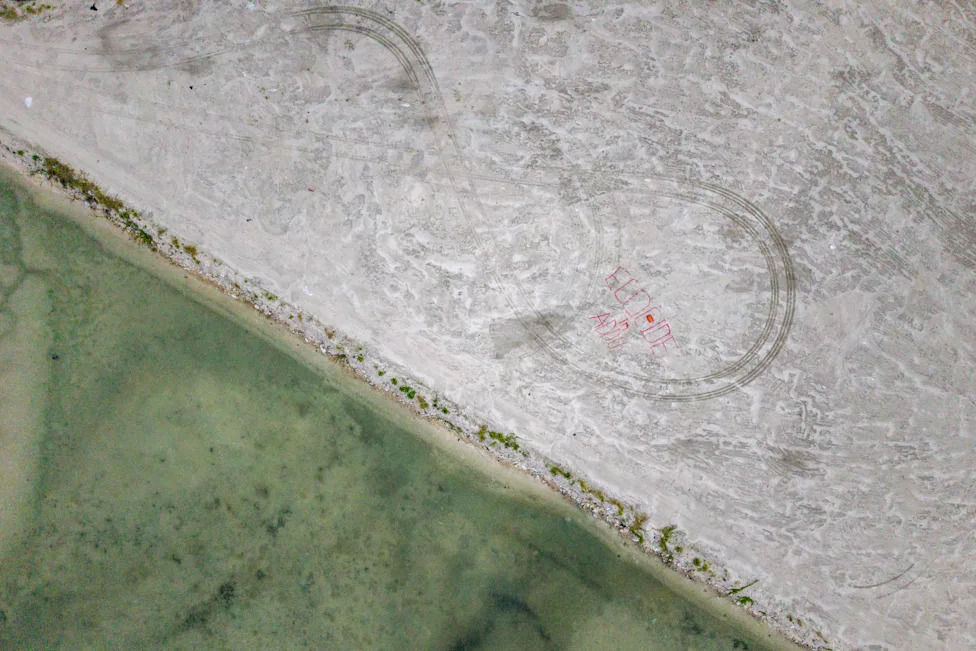
"Eccocide in Addu" is displayed on reclaimed land by Project ThimaaVeshi, a youth left group, as part of a demonstration against ongoing reclamation projects in Addu City, Maldives, June 3, 2026. (AP Photo/Sophia Nasif)(AP Photo/Sophia Nasif)
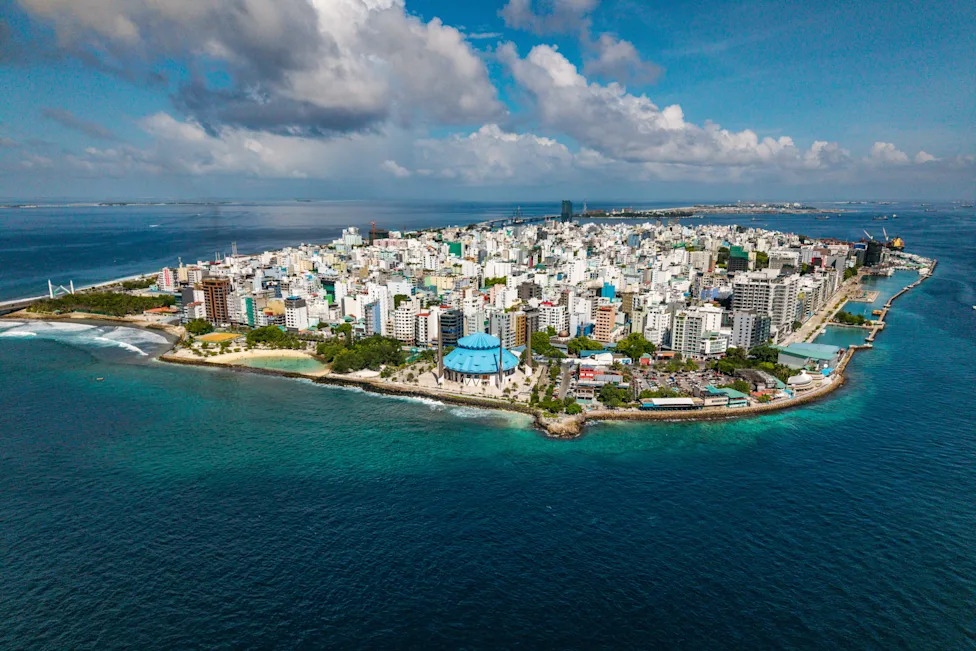
Buildings stand on Male, the capital city of the Maldives, June 19, 2026. (AP Photo/Sophia Nasif)(AP Photo/Sophia Nasif)
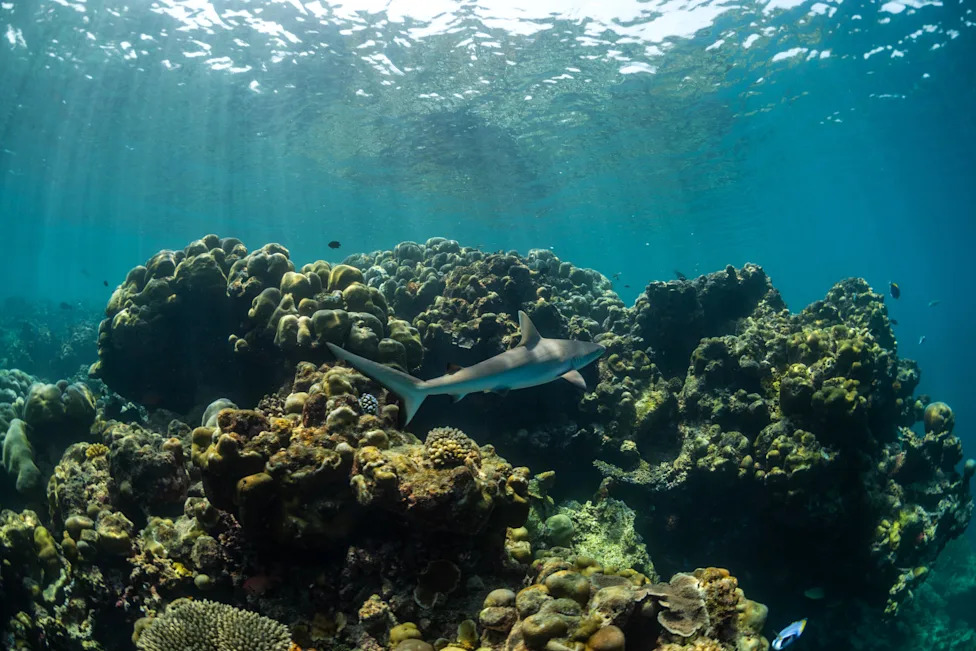
A juvenile grey reef shark swims at Addu Nature Park, a protected UNESCO Biosphere Reserve, off the coast in Addu City, Maldives, Feb. 23, 2026. (AP Photo/Sophia Nasif)(AP Photo/Sophia Nasif)
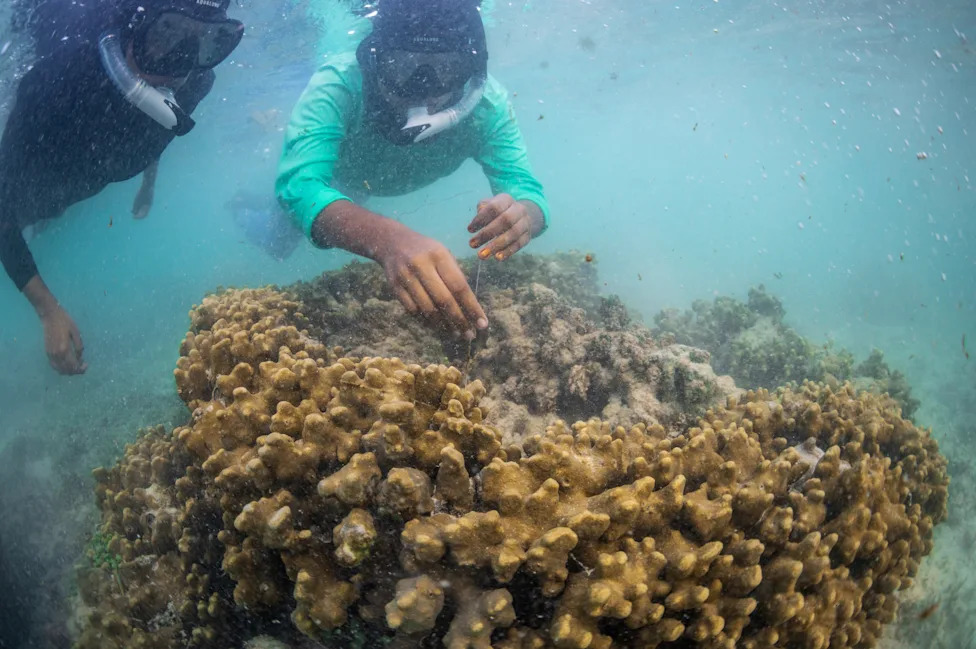
Yoohaa Ibrahim Saeed and Mariyam Ulfa Ahmed of Ripple, a youth group, pull out a fishing line that has become entangled with a coral during an underwater clean up session with the Aloha Ufaa Surf Club off the coast of Hulhumale, Maldives, June 27, 2026. (AP Photo/Sophia Nasif)(AP Photo/Sophia Nasif)
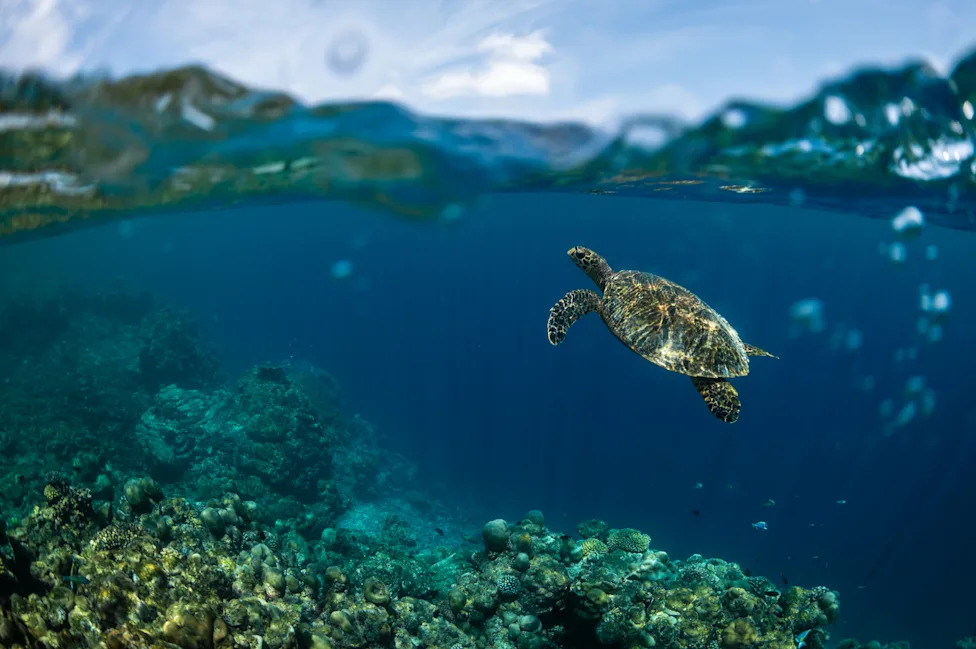
A hawksbill turtle swims at Addu Nature Park, a protected UNESCO Biosphere Reserve, off the coast of Addu City, Maldives, Feb. 23, 2026. (AP Photo/Sophia Nasif)(AP Photo/Sophia Nasif)
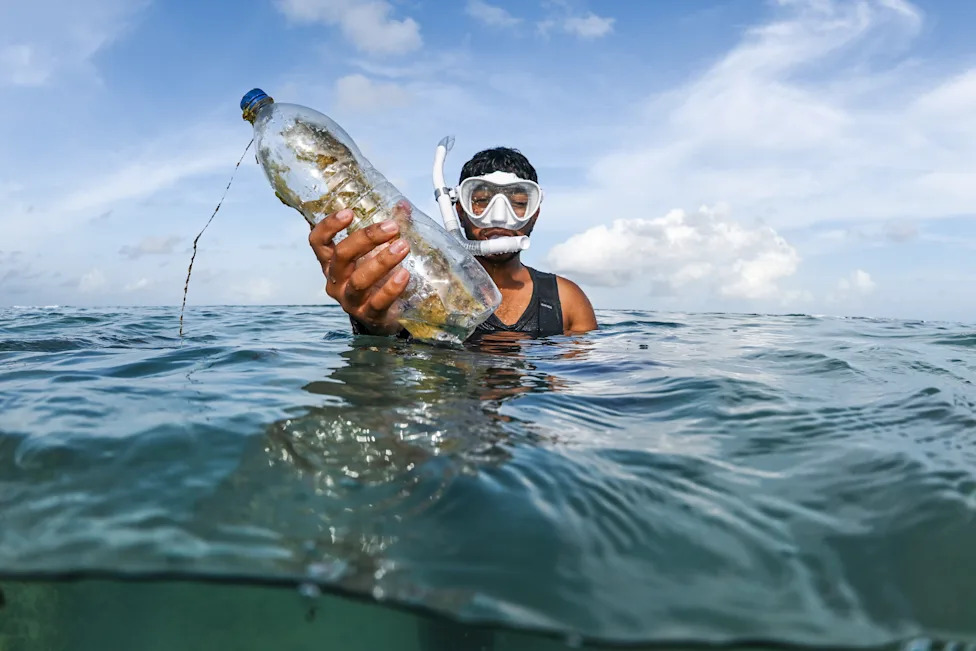
Ahmed Akif Ali, of the youth group Ripple, holds up a plastic bottle found underwater during a clean up session being held with Aloha Ufaa Surf Club, off the coast of Hulhumale, Maldives June 27, 2026. (AP Photo/Sophia Nasif)(AP Photo/Sophia Nasif)
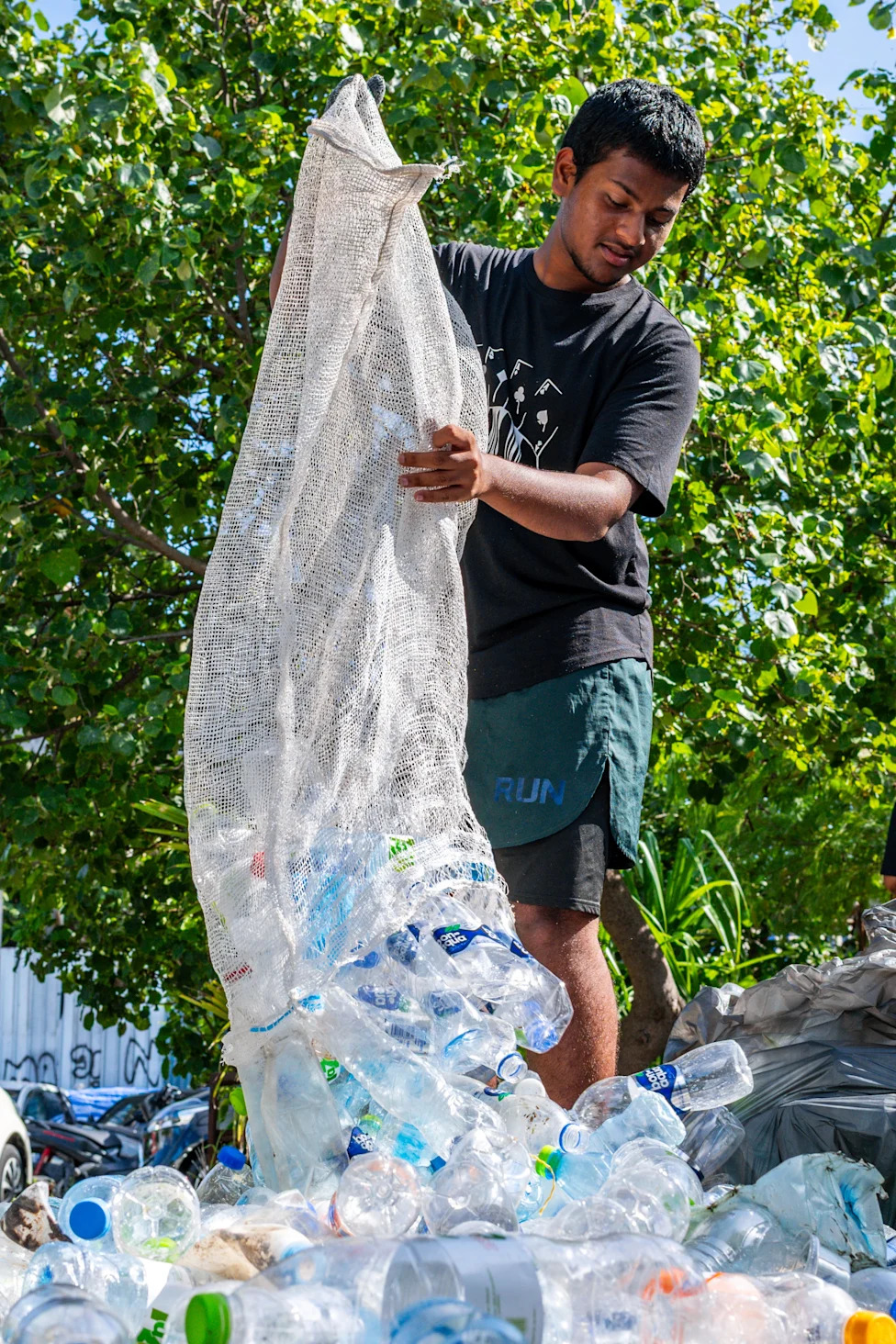
Mohamed Ma'al Nazeel, co-founder of Ripple, a youth led group, empties out his full bag of plastic waste collected during a joint plastic pollution clean-up in Male, Maldives, June 19, 2026. (AP Photo/Sophia Nasif)(AP Photo/Sophia Nasif)
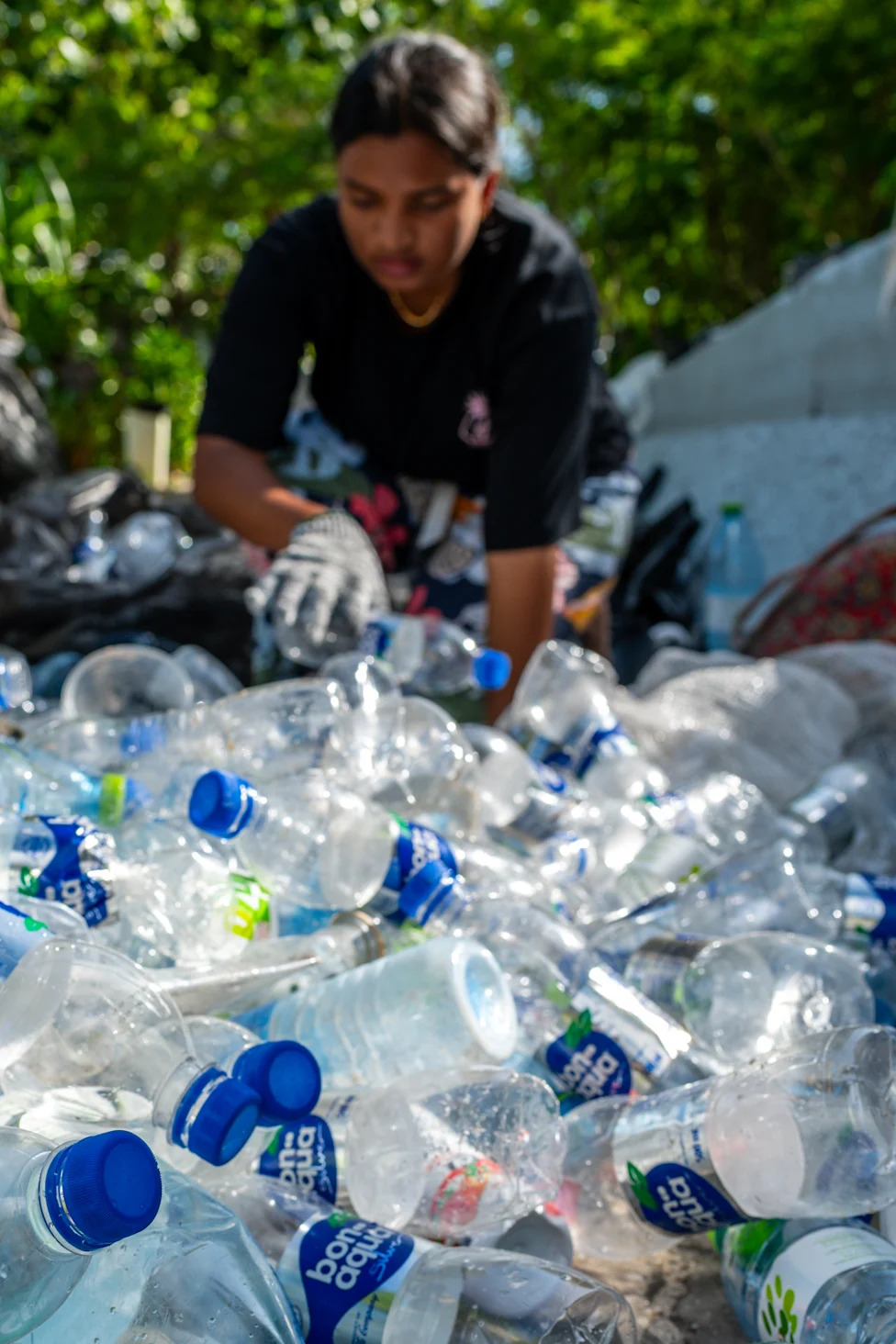
Yania Hussain Ishan, co-founder of youth group Barnacles, sorts through the first batch of plastic waste collected in the joint plastic pollution clean in Male, Maldives, June 19, 2026. (AP Photo/Sophia Nasif)(AP Photo/Sophia Nasif)
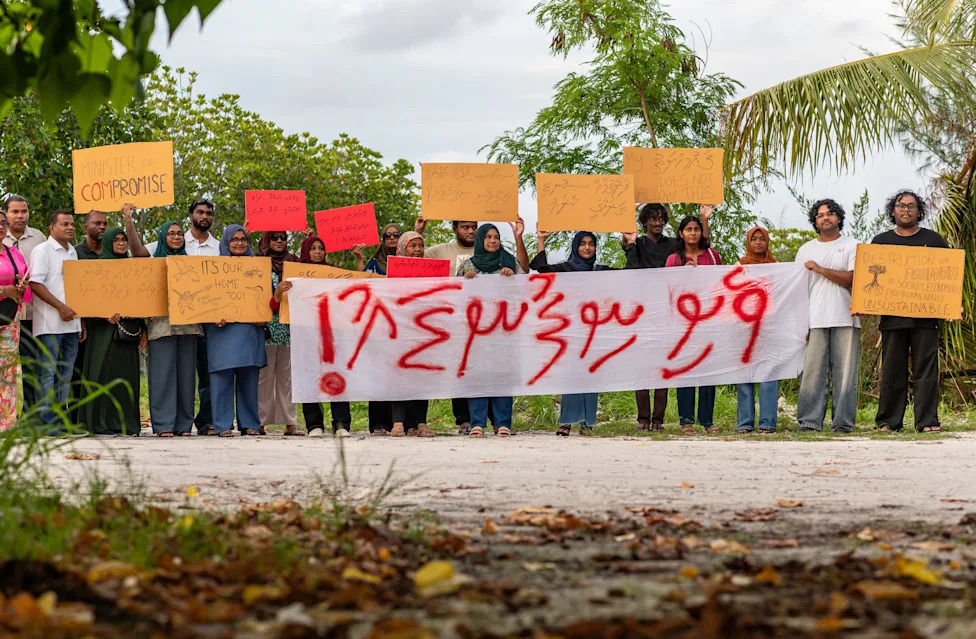
Members of Project ThimaaVeshi, team up with Veshi Saafu, a group of older women who also campaign on environmental matters, to demonstrate against ongoing reclamation projects on World Environmental Day in Addu City, Maldives, June 5, 2026. (AP Photo/Sophia Nasif)(AP Photo/Sophia Nasif)
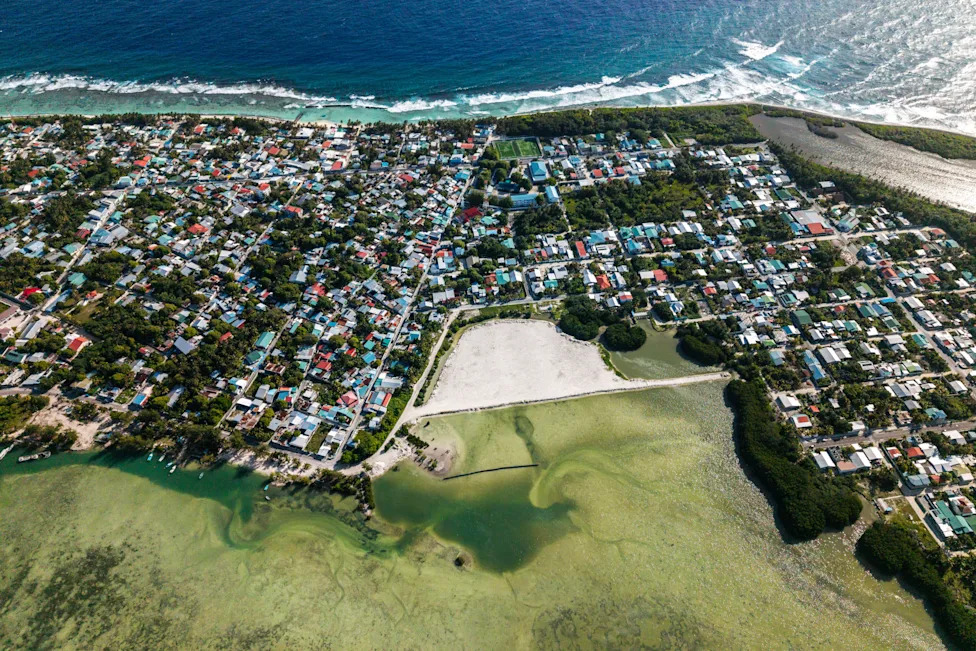
Mangroves line the shore of Hithadhoo Island, part of a UNESCO Biosphere Reserve, with reclamation work visible through it in Addu City, Maldives, June 5, 2026, (AP Photo/Sophia Nasif)(AP Photo/Sophia Nasif)
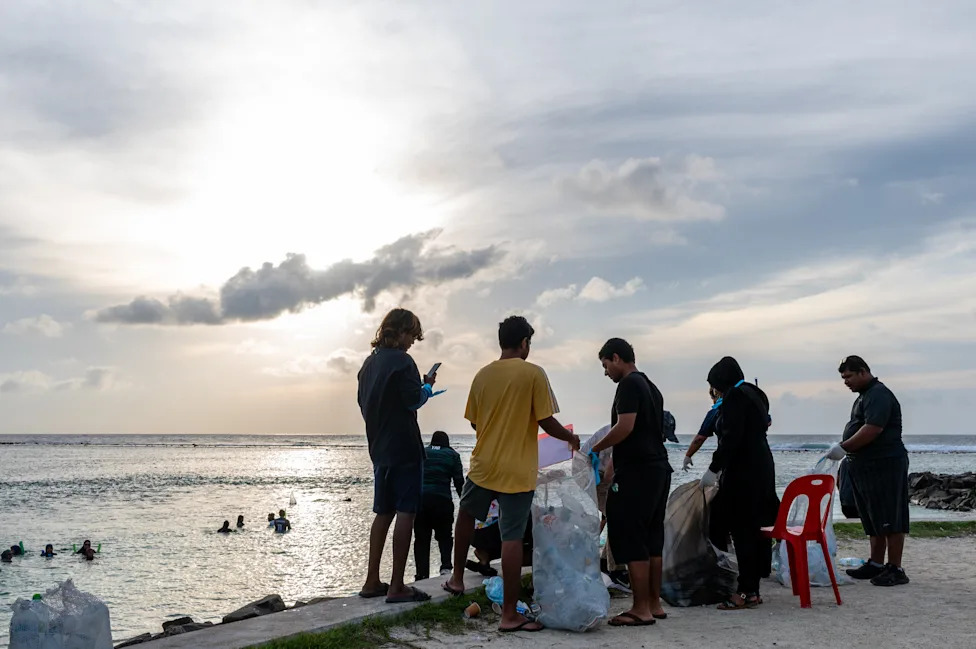
Ripple, a youth group, joins an early morning beach clean up organized by the Ministry of Youth, on Dhiraagu Beach in Hulhumale, Maldives, June 12, 2026. (AP Photo/Sophia Nasif)(AP Photo/Sophia Nasif)
Help us improve.