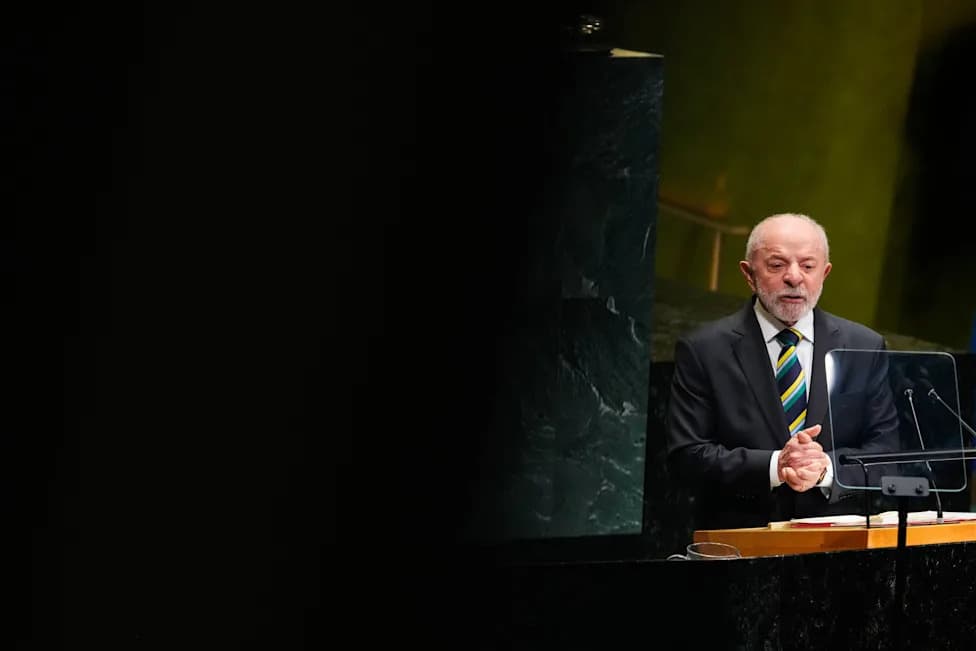
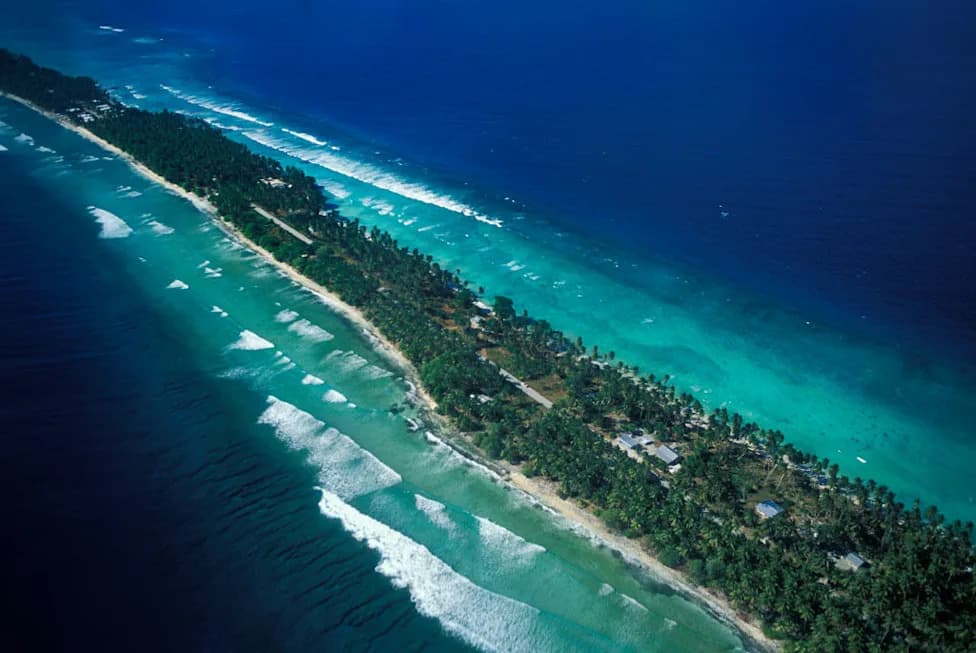
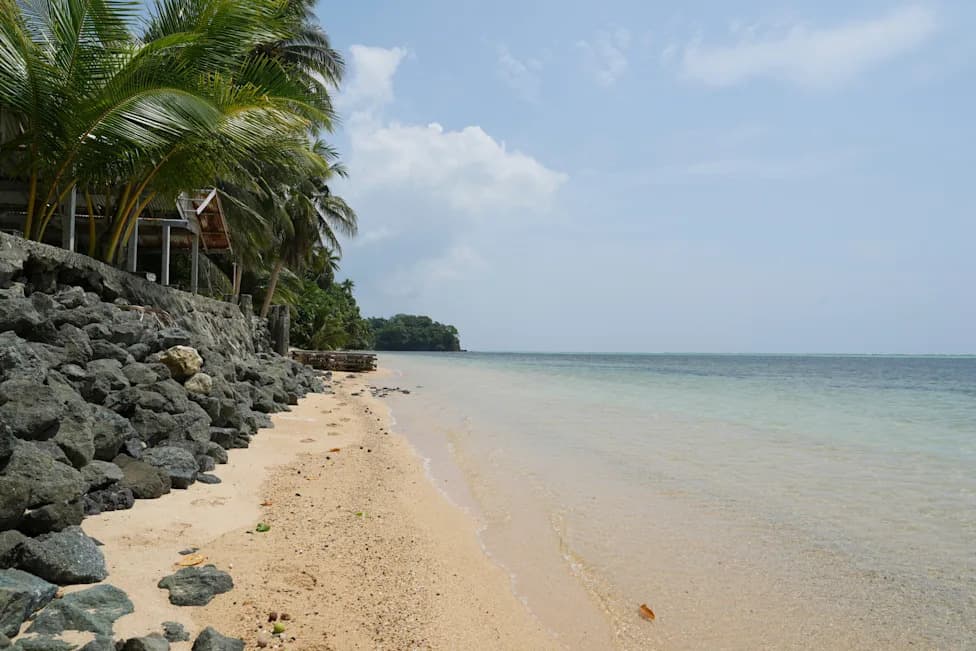
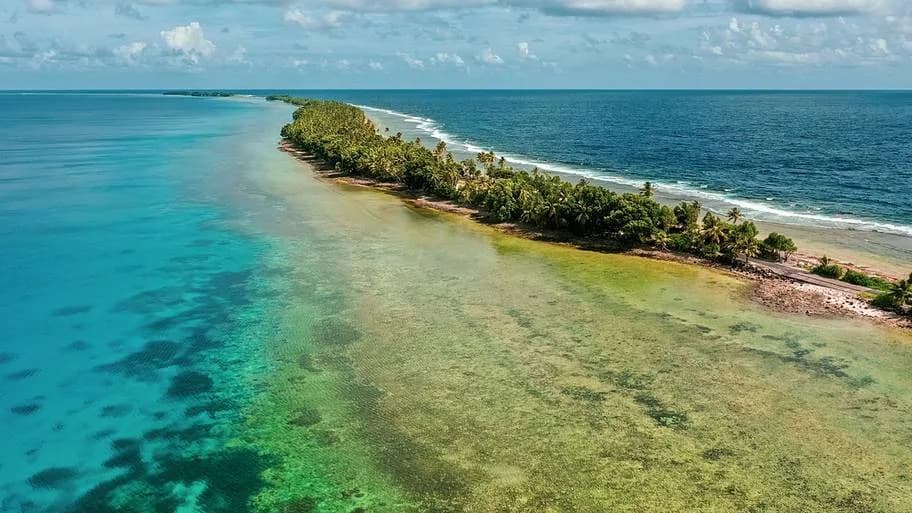
The United Nations on Thursday adopted a unanimous resolution demanding stronger global action to confront accelerating sea-level rise — an existential threat to low-lying island states and coastal communities driven by ocean warming and melting ice sheets and glaciers.
Record Annual Rise and a Stark Warning
Scientists recorded an almost six millimetre rise in global sea levels in 2024, the largest single-year increase on record. Without drastic reductions in greenhouse gas emissions and large-scale adaptation financing, sea levels could climb by a metre or more by the end of this century, with profound human, legal and economic consequences.
“Sea-level rise is measured in millimetres, but its toll is measured in millions of shattered lives, uprooted communities, and stolen futures,” said Secretary-General Antonio Guterres. “We cannot allow countries and cultures to vanish beneath the waves — or leave the aspirations of billions dead in the water.”
What the Resolution Does
The declaration aims to reinvigorate global efforts to cut emissions and to mobilise finance and technical support for vulnerable nations to strengthen resilience and adaptation plans. It also addresses urgent legal questions about the fate of states and territories as shorelines recede and land is inundated.
Notably, the text affirms that maritime zones — such as territorial seas and exclusive economic zones — can remain in force even if coastlines shift. It also states that “once a State is established, the disappearance of one of its constituent elements would not necessarily entail the loss of its statehood,” clarifying protections for nations at risk of partial or full inundation.
Voices From Vulnerable Nations and Experts
Palau President Surangel Whipps Jr., speaking for the Alliance of Small Island States, said the measure is a major step forward for countries that have warned of these dangers for decades, noting earlier efforts such as the 1989 Male Declaration on Global Warming and Sea Level Rise.
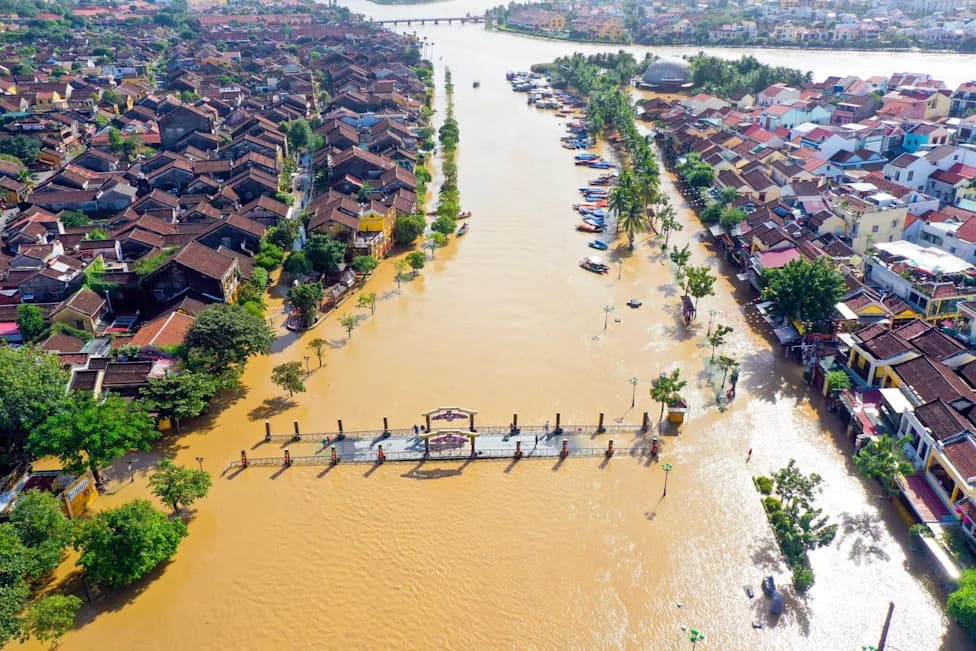
Tom Mortlock, a senior catastrophe research analyst at Aon, highlighted the local impacts: one centimetre of sea-level rise can translate to roughly one metre of coastline retreat, and flooding events that might now occur once every 50 years could happen every three to four years if sea levels rise by half a metre.
Mortlock also emphasised nature-based solutions such as mangroves, which can reduce coastal risk while delivering co-benefits like carbon sequestration — addressing both the symptoms and some causes of the climate crisis.
Why This Matters
The resolution provides legal clarity that can help vulnerable nations plan for migration, preserve sovereign rights, and secure international assistance. It also sends a political signal intended to accelerate emissions cuts and direct climate finance toward adaptation measures, coastal defences and nature-based restoration.
While the declaration does not solve rising seas, it creates a framework that can protect legal rights, unlock funding, and focus global attention on rapidly escalating coastal threats.