Palau's reefs have largely avoided mass bleaching, making the islands a focus for coral‑resilience research. Scientists are identifying, cultivating and transplanting heat‑tolerant corals and trialing larval reseeding to restore damaged reef areas. Experts warn these measures can buy time but do not replace the urgent need to cut greenhouse gas emissions. Successful recovery will require restoration plus stronger coastal management and emissions reductions.
Palau Cultivates Heat‑Tolerant Corals to Restore Reefs Threatened by Warming Seas
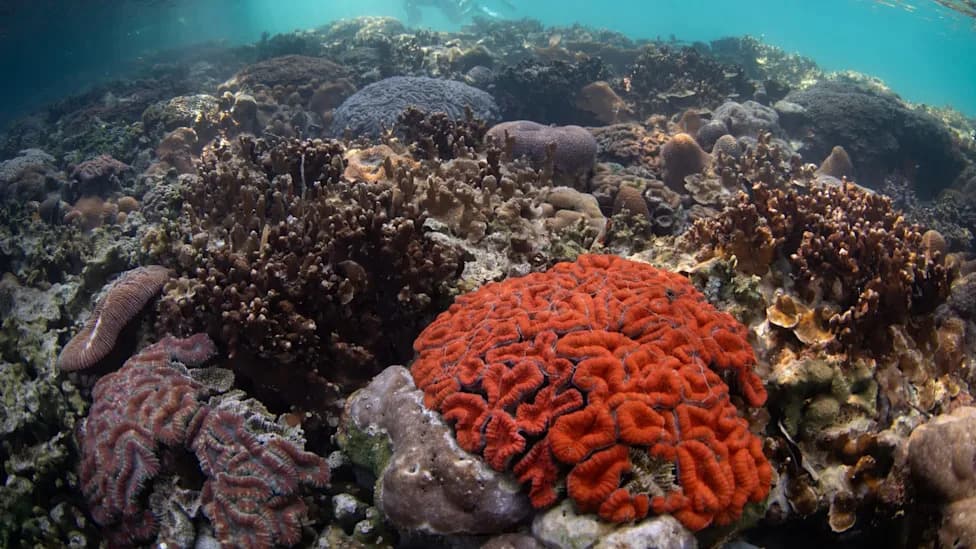
Photo Credit: iStock
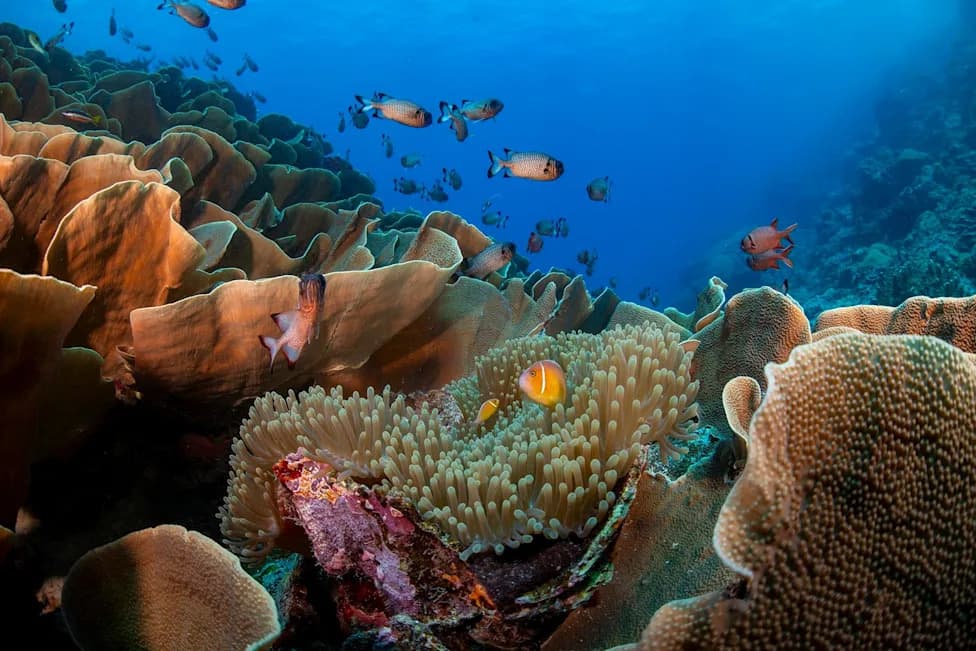
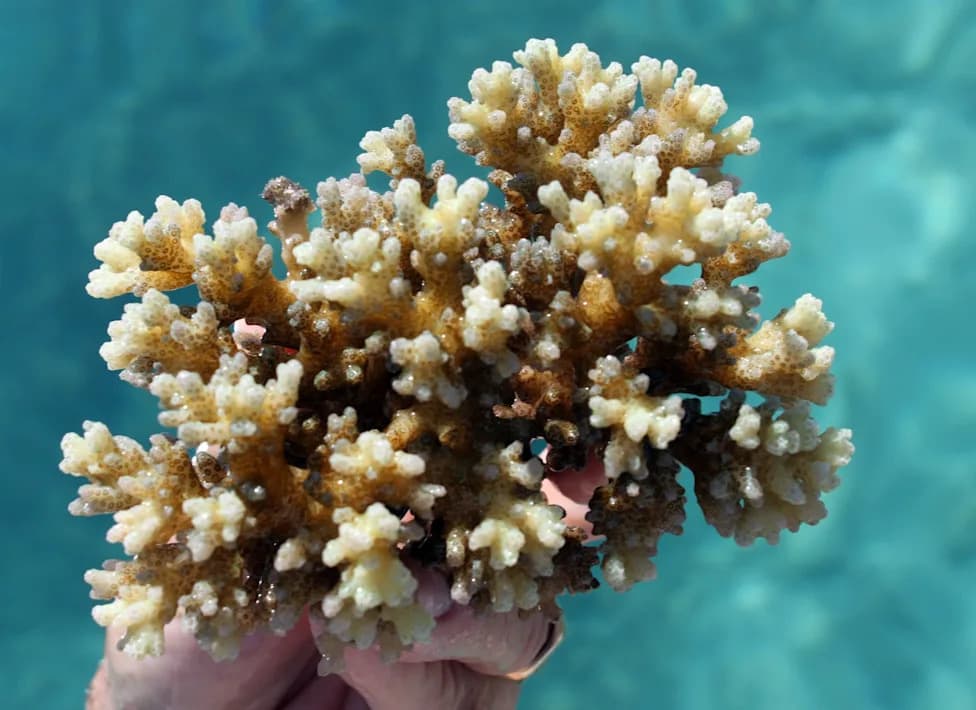
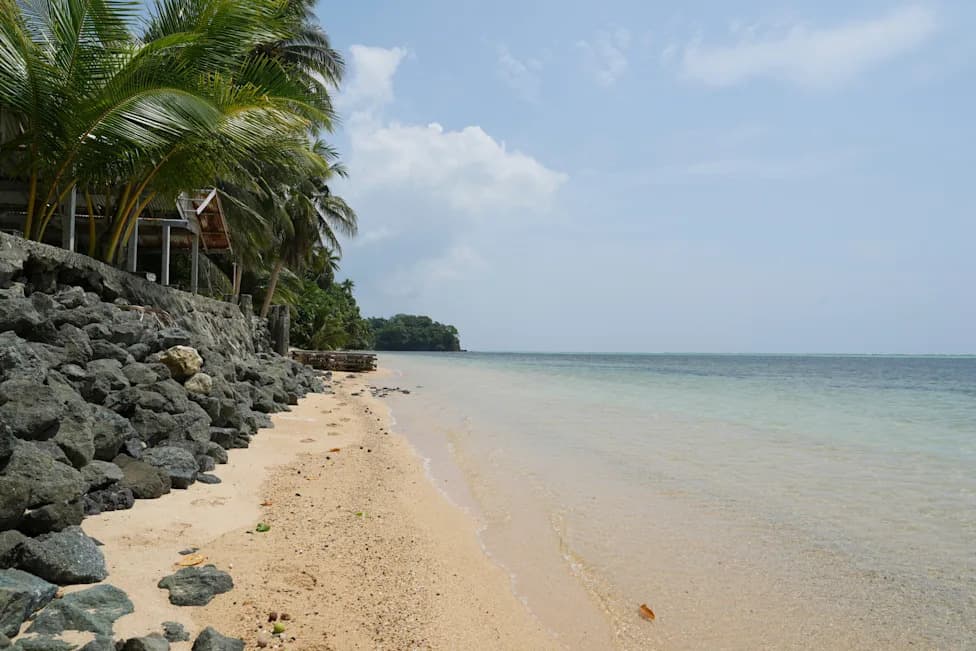
Palau's coral reefs have shown an unusual resilience to recent marine heat, largely avoiding the mass bleaching events that have devastated many other reef systems. That resilience has turned the Pacific island nation into a living laboratory for scientists testing ways to help reefs survive as oceans warm.
Why Palau Matters
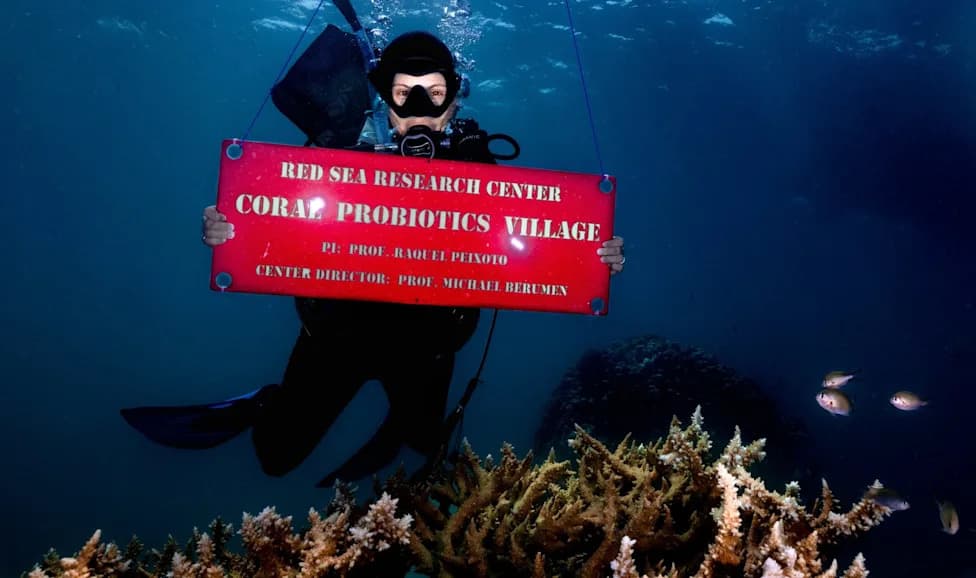
A video report shared on TikTok by Al Jazeera English (@aljazeeraenglish) followed 101 East correspondent Eric Campbell as researchers searched for corals that tolerate higher temperatures. The team then raises those corals in nurseries and transplants them to damaged reef areas—an approach many experts consider one of the most promising tools for reef restoration worldwide.
How The Work Is Done
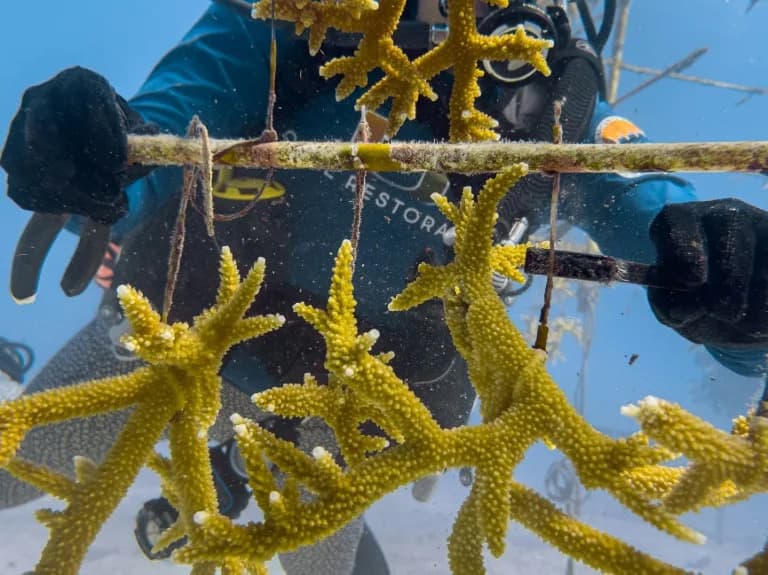
Researchers identify colonies that show natural heat tolerance, cultivate fragments or whole colonies in nurseries, and transplant them onto sections of degraded reef to boost resilience and recovery. Teams are also trialing larval reseeding techniques, which return young corals to reef substrate to jump‑start regeneration.
"We're trying to identify those corals that are very heat tolerant," said Uly Olsudong of the Palau International Coral Reef Center.
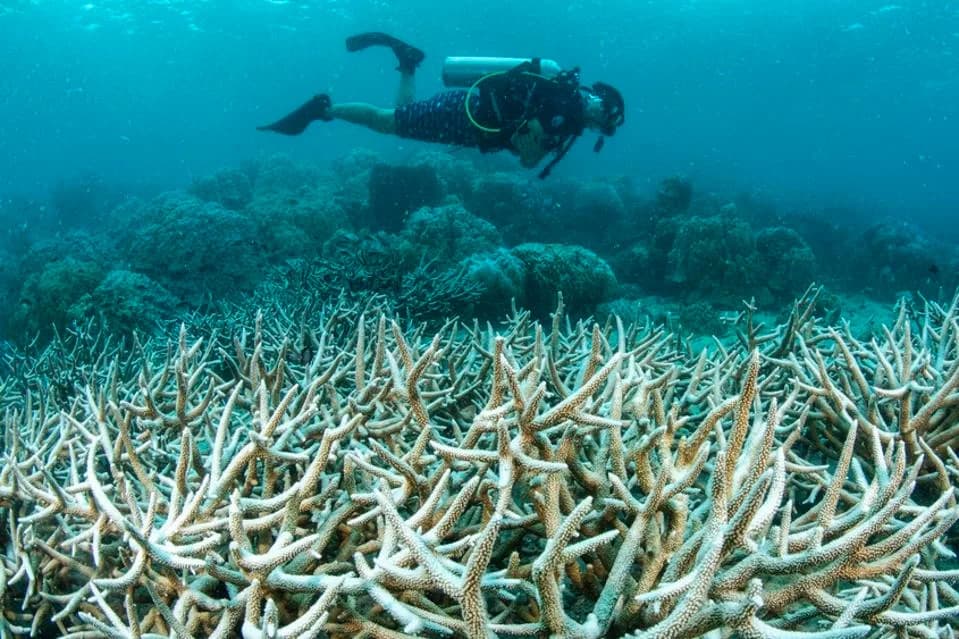
Campbell emphasized the urgency of the work: hotter seas and stronger storms have already eliminated what may be "perhaps half the world's coral cover," underscoring the need to restore habitats that support fish, wildlife and local livelihoods.
Benefits And Limits
Coral reefs are often likened to ocean rainforests because of their biodiversity. They provide coastal protection by blunting wave energy, underpin fisheries that supply food and jobs, and attract tourism. If researchers can pinpoint why some corals tolerate heat better, that knowledge can be applied in other regions to help protect food security, livelihoods and shorelines as marine heat events become more frequent.
"It sends what I believe is a false message to the general public that the clever scientists have got this," warned Terry Hughes, professor at James Cook University, cautioning that so‑called "super coral" is not a replacement for cutting planet‑warming pollution.
Conservationists stress that cultivating heat‑tolerant corals is a potential emergency tool to buy time, not a substitute for rapid reductions in greenhouse gas emissions. Effective reef recovery will likely combine active restoration with stronger coastal development controls, pollution reduction, fisheries management and climate mitigation.
Other Interventions Around The World
- Marine scientists are using recorded reef sounds to attract fish and speed ecological recovery.
- In Florida, researchers released large numbers of herbivorous crabs to clear algal overgrowth choking coral.
- In the Gulf of Mexico, healthy reef patches remain threatened by oil and gas activities.
Palau's work with naturally resilient corals adds an important option to a broader toolkit aimed at keeping reefs functional as oceans warm and other pressures increase.
Help us improve.