Summary: The U.N. General Assembly's Sea-Level Rise Declaration affirms that statehood survives land loss, a vital legal milestone for the Republic of the Marshall Islands. But legal recognition does not remove physical threats: 29 low-lying atolls across 750,000 square miles face accelerating sea-level rise, worsening drought and saltwater intrusion. The article calls for rapid fossil-fuel phaseout, precise elevation mapping, streamlined climate finance, and funded adaptation measures to protect communities and preserve dignity.
What the World Owes the Marshall Islands: A Legal Win, Rising Seas, and Urgent Action
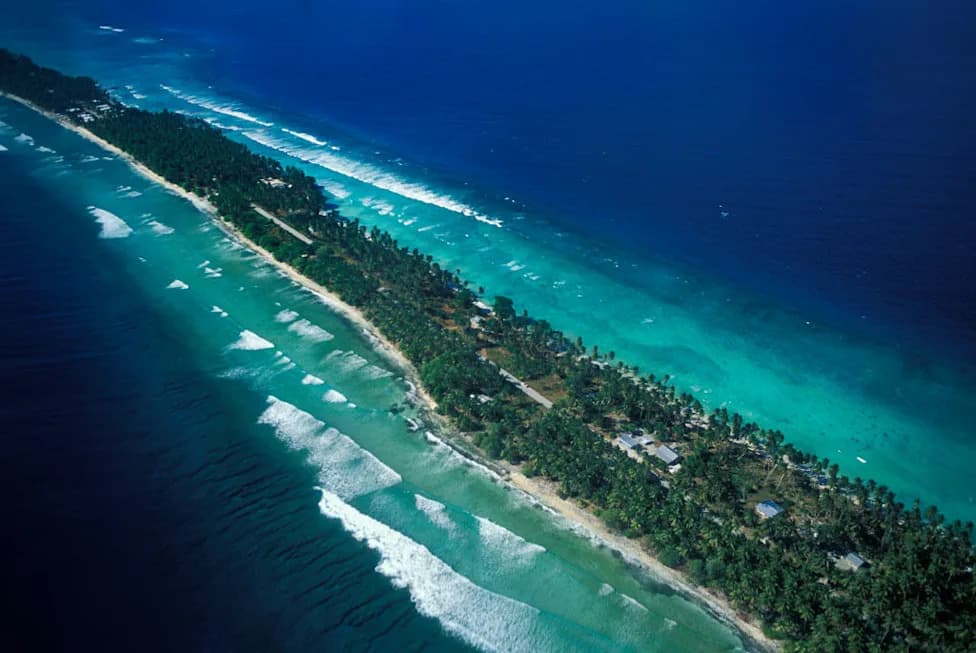
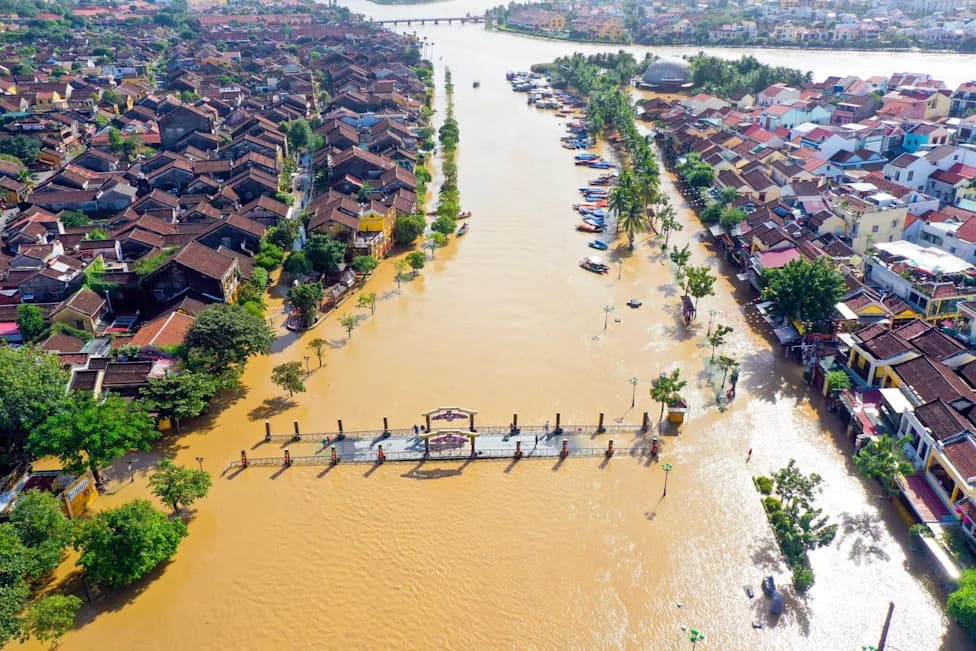
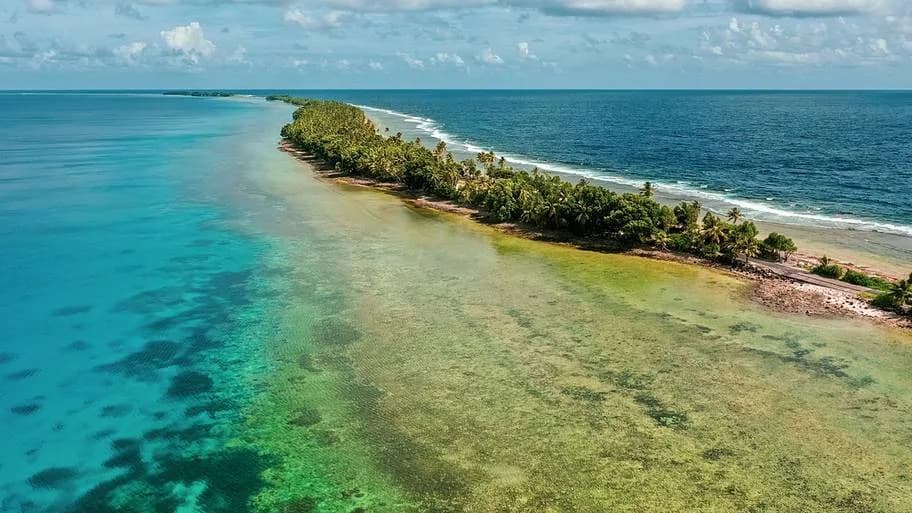
—Greg Vaughn—VW PICS/Universal Images Group via Getty Images
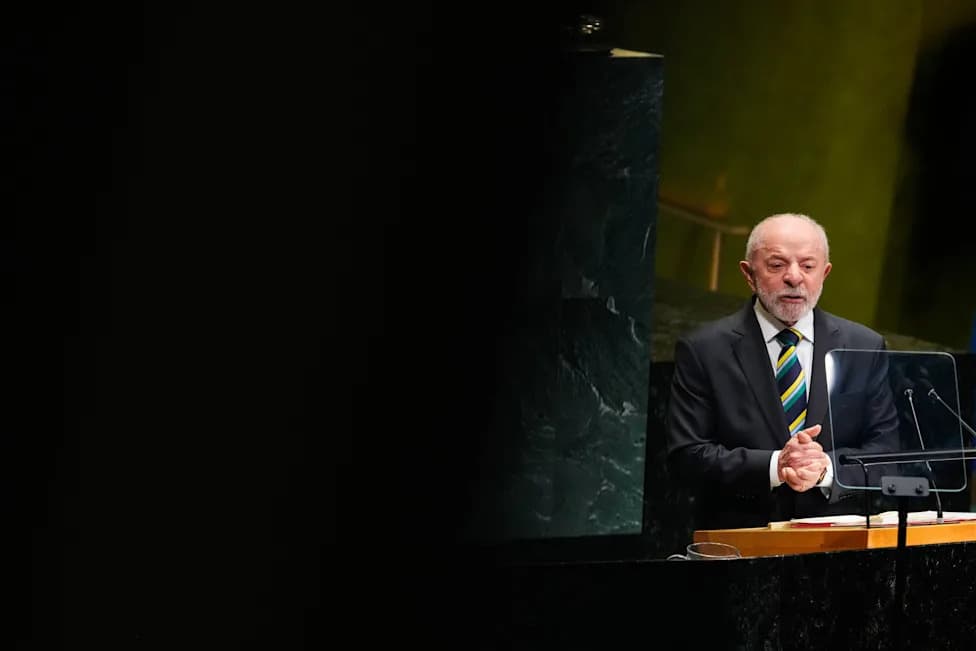
This week the U.N. General Assembly affirmed that statehood endures even when land is lost — a landmark recognition welcomed by the Republic of the Marshall Islands. The legal protections for our nation, its sovereignty and maritime zones are clearer than ever. The urgent question now is practical: how can Marshallese people continue to live here safely as seas rise?
A Nation on Narrow Ribbons of Land
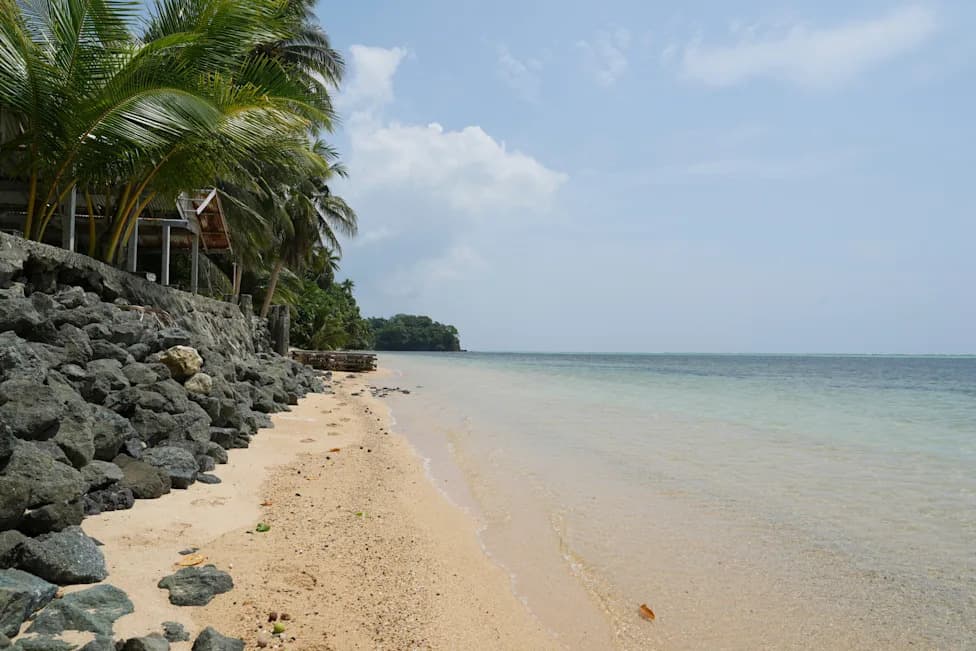
The Marshall Islands consists of narrow strips of land across 29 low-lying coral atolls scattered over more than 750,000 square miles of the central Pacific Ocean. Unlike many countries that can adapt to rising seas by relocating to higher ground, the Marshalls have essentially no higher ground to retreat to. That fundamental geographic reality shapes what adaptation must mean for us.
The Climate Threat and Lived Reality
As we prepare for another El Niño, our people recognize its rhythms — but the intensity of these cycles has increased. Heavy rains often arrive, then stop. Water tanks run dry, wells fail, crops are lost, and ocean conditions shift. We are already shipping potable water to communities that lack sufficient local supplies.
Legal protections do not equal physical safety. The U.N. declaration secures legal recognition; it does not keep saltwater out of wells or protect homes from more frequent inundation.
International Law, Science, and the Call for Action
Island nations have long driven ambitious climate goals. The Alliance of Small Island States and the High Ambition Coalition — which the Marshall Islands convenes — were instrumental in embedding the 1.5°C limit in the Paris Agreement. Last year, the International Court of Justice, responding in part to Pacific youth advocacy, issued an advisory opinion that countries’ emissions reductions should align with keeping warming within 1.5°C and noted that continued licensing, subsidies, production and consumption of fossil fuels may amount to internationally wrongful acts.
Yet the United Nations Environment Programme recently warned that an overshoot of 1.5°C is now almost certain. That possibility must not be an excuse for inaction: every fraction of a degree increases risks, accelerates sea-level rise, and raises human and economic costs. Our responsibility is to make any overshoot as small and short-lived as possible and to accelerate fossil-fuel phaseout.
Adaptation: Data, Design, and Dollars
Adaptation is a technical and logistical challenge. We are mapping our atolls from the air, meter by meter, because commonly available satellite elevation data have a margin of error nearly three times the height of most of our land. With such inaccurate data we cannot reliably decide which areas to elevate, which water supplies will survive drought, or how to target investments. Precise mapping is essential to build credible proposals and to access climate finance.
Our National Adaptation Plan is complete; the challenge is funding it. Effective global adaptation efforts are estimated to cost between $310 billion and $365 billion per year to manage worsening climate impacts. The Sea-Level Rise Declaration’s call to streamline and simplify access to finance matters because finance must reach communities on the ground.
What Action We Need
- Major emitters must accelerate emissions reductions and phase out fossil-fuel production and subsidies in line with 1.5°C science and international legal obligations.
- Climate finance must be simplified, scaled, and delivered directly to communities for resilient infrastructure, clean water, and livelihood protection.
- Accurate elevation and vulnerability mapping must be funded and shared to inform targeted adaptation interventions.
- Where relocation becomes necessary, it must be planned to preserve dignity, culture and rights.
From Principles to Practical Solutions
The Marshall Islands is proud to help launch the Rising Nations Institute, designed to translate legal and political gains into practical, community-level solutions for nations confronting rising seas. Even with geopolitical headwinds, the U.N. General Assembly’s Sea-Level Rise Declaration signals that the world can recognize legal continuity despite physical loss — and that recognition should spur faster, fairer action.
We cannot halt the seas completely. But we can limit further rises, secure critical resources, and choose how we meet this challenge. The world owes the Marshall Islands — and all vulnerable coastal communities — decisive climate action, predictable finance, and the technical support needed to preserve lives, cultures, and livelihoods.
Help us improve.