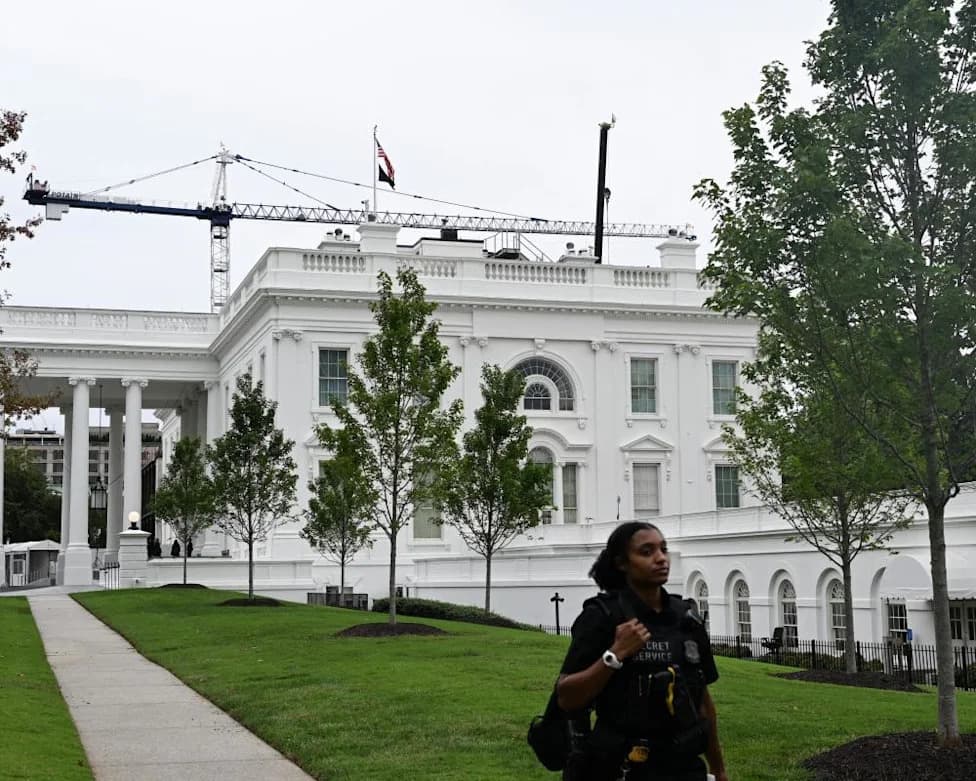
U.N. leaders used General Assembly speeches to demand coordinated international action on climate change after the Assembly approved its first declaration on sea-level rise. Vulnerable nations warned of disappearing coastlines, collapsing glaciers, shrinking fish stocks and mounting loss and damage that already harms economies and food security. Speakers contrasted urgent, collective measures with political denialism and called for sustained, well-funded cooperation.
World Leaders Urge Urgent Climate Action as UN Adopts First Declaration on Sea-Level Rise
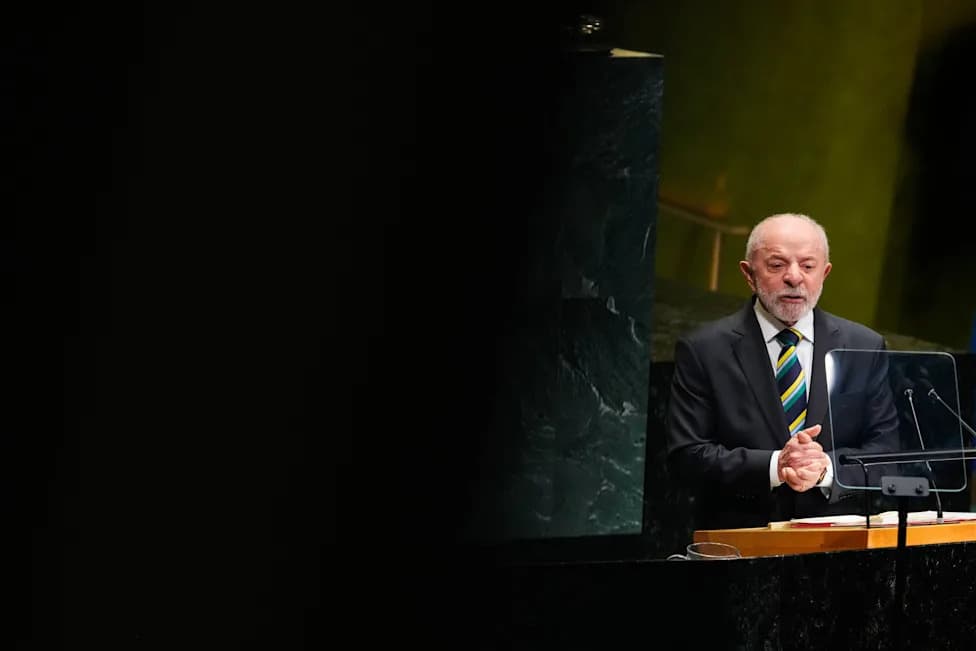
Brazil's President Luiz Inácio Lula da Silva speaks during the 81st session of the United Nations General Assembly at United Nations headquarters, Tuesday, Sept. 22, 2026. (AP Photo/Yuki Iwamura)(AP Photo/Yuki Iwamura)
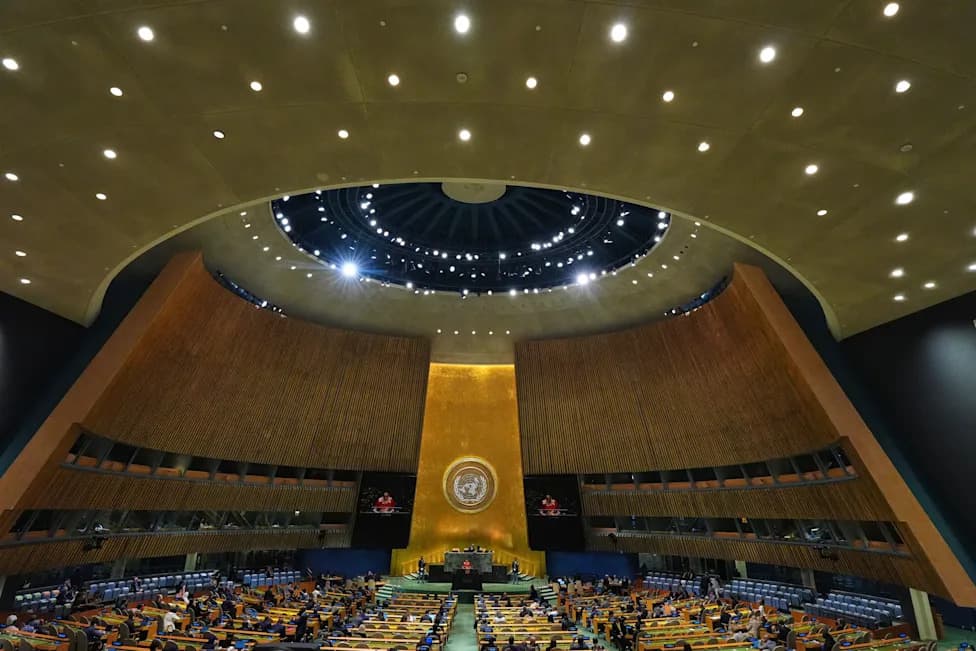
NEW YORK — U.N. Secretary-General António Guterres warned that the world cannot "allow countries and cultures to vanish beneath the waves" after the U.N. General Assembly approved its first-ever declaration addressing sea-level rise. The declaration aims to move international responses to human-driven sea-level rise away from piecemeal efforts and toward sustained, coordinated and adequately funded action.
Over successive speeches this week, leaders from vulnerable and high-emitting nations alike described the toll of climate change and urged collective measures. By contrast, some political figures — including former U.S. President Donald Trump — have publicly dismissed climate science as a hoax.
Leaders In Their Own Words
"Until recently, the response to climate change was firmly established at the center of the international agenda. This year, however, the topic disappeared from the debates of the G7 and G20, forums that bring together the largest carbon emitters. It is time to resume the offensive and inflict a defeat on denialism. Nature reminds us every day that we live on one planet. The glaciers in the Himalayas are melting. The super El Niño may cause torrential rains, droughts and forest fires in different parts of the globe."
— Luiz Inácio Lula da Silva, President of Brazil
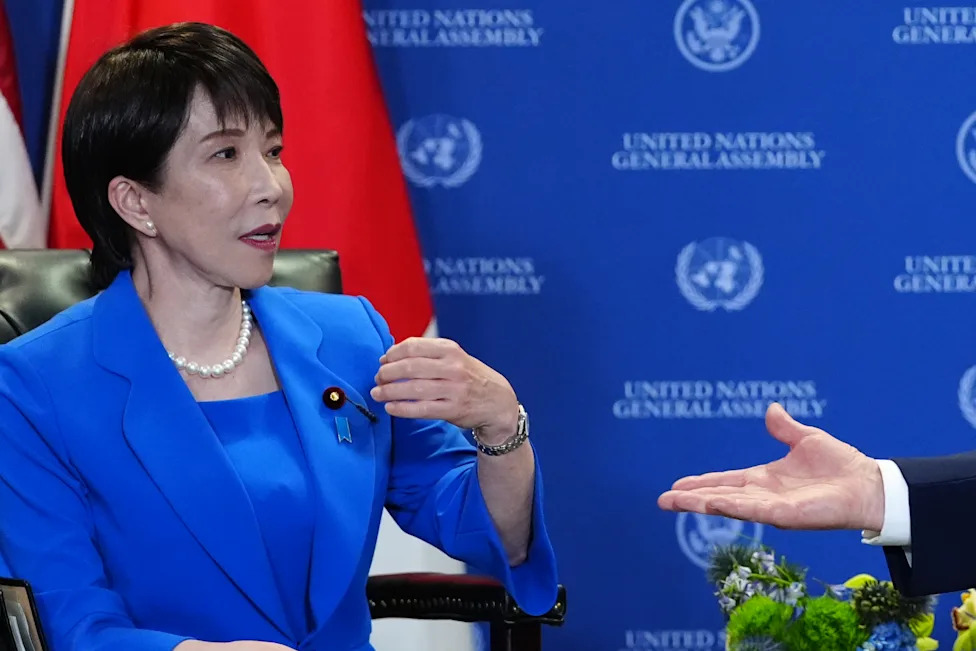
President Donald Trump meets with Japan's Prime Minister Sanae Takaichi during the United Nations General Assembly, Tuesday, Sept. 22, 2026, at the UN headquarters. (AP Photo/Julia Demaree Nikhinson)(AP Photo/Julia Demaree Nikhinson)
Situation: Brazilian leaders warn that climate change and deforestation threaten the Amazon. A strong El Niño, a cyclical warming of the equatorial Pacific, can drive higher temperatures and drier conditions in the rainforest, which exacerbates wildfire risk.
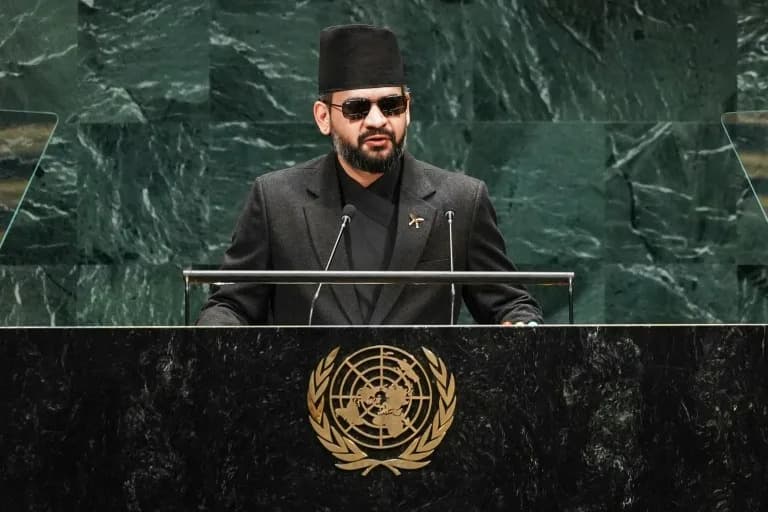
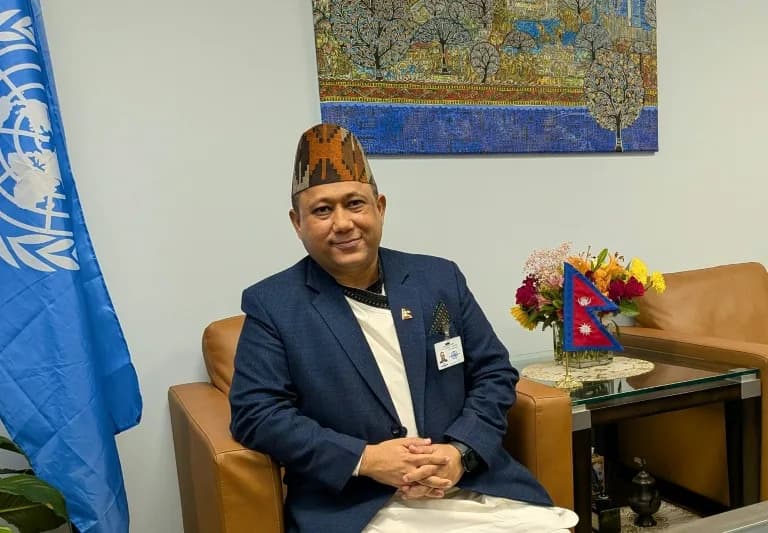
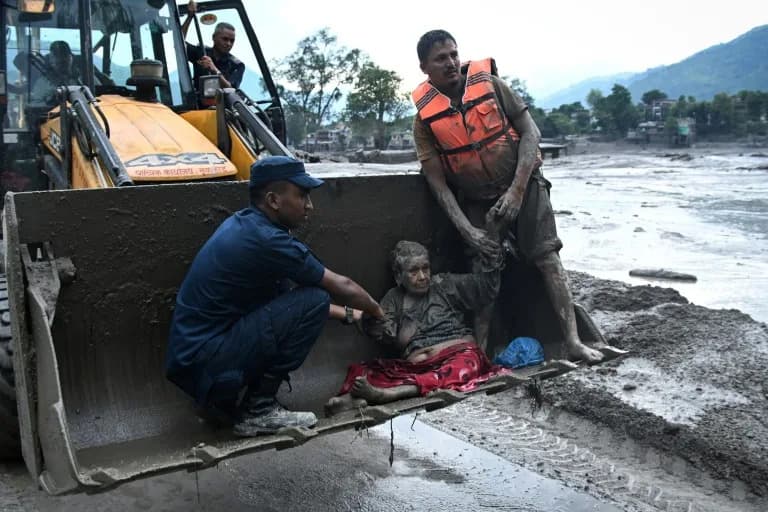
"What we experienced in Nepal was Himalayan tsunami. But the larger looming threat is even more consequential. It is not only the devastation we mourn today; it is for greater danger that lies ahead if the world continues to look away... I call upon you to treat climate action not as a charity, but as a matter of justice."
— Sisir Khanal, Minister of Foreign Affairs for Nepal
Situation: Human-caused warming thinned glaciers and thawed mountain permafrost, which likely destabilized a Himalayan slope that collapsed and unleashed catastrophic flooding across Nepal, according to a World Weather Attribution report. More than 1,300 people were reported killed and over 5,000 remained missing.
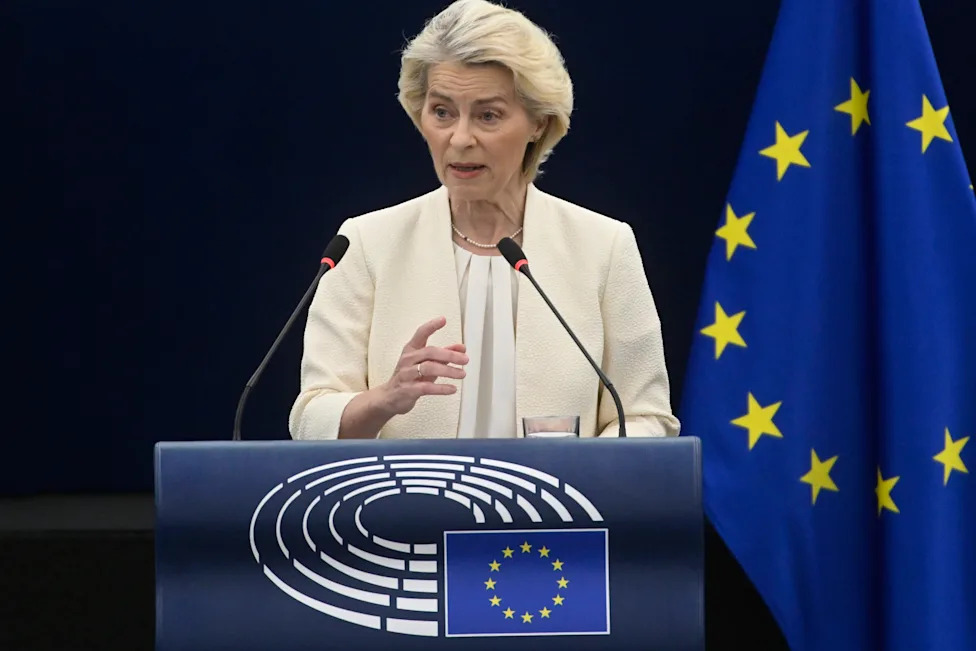
FILE - European Commission President Ursula von der Leyen delivers a speech at the annual State of the European Union at the European Parliament in Strasbourg, eastern France, Wednesday, Sept 16, 2026. (AP Photo/Pascal Bastien, File)(AP Photo/Pascal Bastien)
"To protect the lives of present and future generations, all states must take serious action to tackle global warming. I believe that climate action and economic growth can go hand-in-hand."
— Sanae Takaichi, senior Japanese political leader
Situation: Japan has pledged emissions reductions and is working to protect communities from rising temperatures, though extreme heat remains an immediate threat.
"I think this summer was a summer of truth. The recent summer months have been, as we heard from the scientists, the hottest on record, but may be the coolest for the years to come."
— Ursula von der Leyen, President of the European Commission
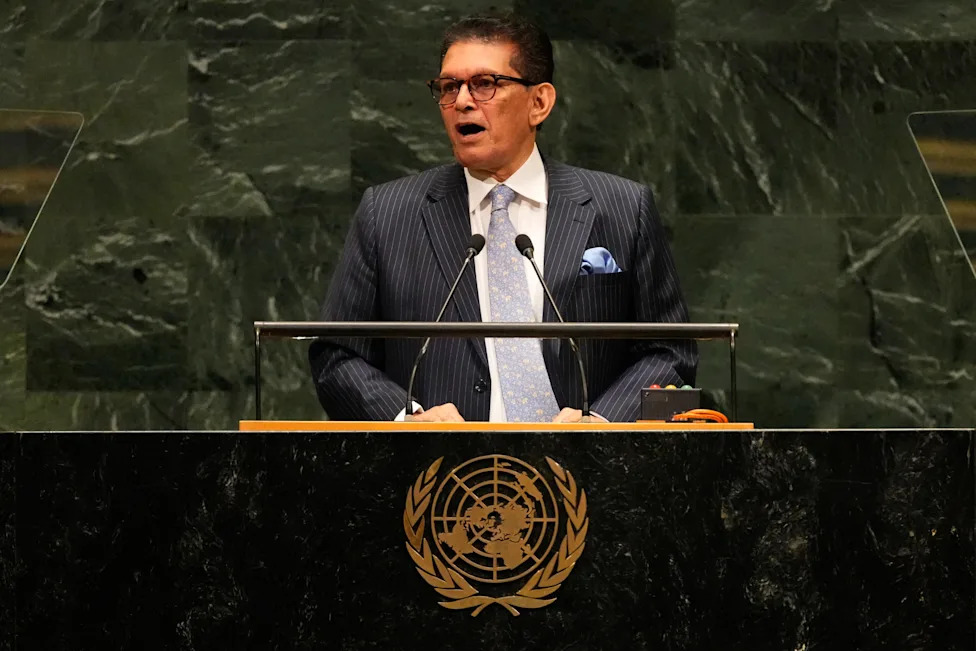
President of the 81st session of the United Nations General Assembly and Foreign Minister of Bangladesh Khalilur Rahman speaks during the 81st session of the United Nations General Assembly at United Nations headquarters, Tuesday, Sept. 22, 2026. (AP Photo/Seth Wenig)(AP Photo/Seth Wenig)
Situation: Europe is warming at about twice the global average, making it the fastest-heating continent.
"By the end of this century, 12 to 18% of our coastal areas could be submerged by sea level rise, affecting the livelihoods of tens of millions. Climate change has caused loss and damage equivalent to 1% of our GDP. And our food security is at serious risk."
— Sheikh Hasina, Prime Minister of Bangladesh
Situation: Bangladesh's low-lying geography makes it especially vulnerable to sea-level rise, with major implications for agriculture, settlements and livelihoods.
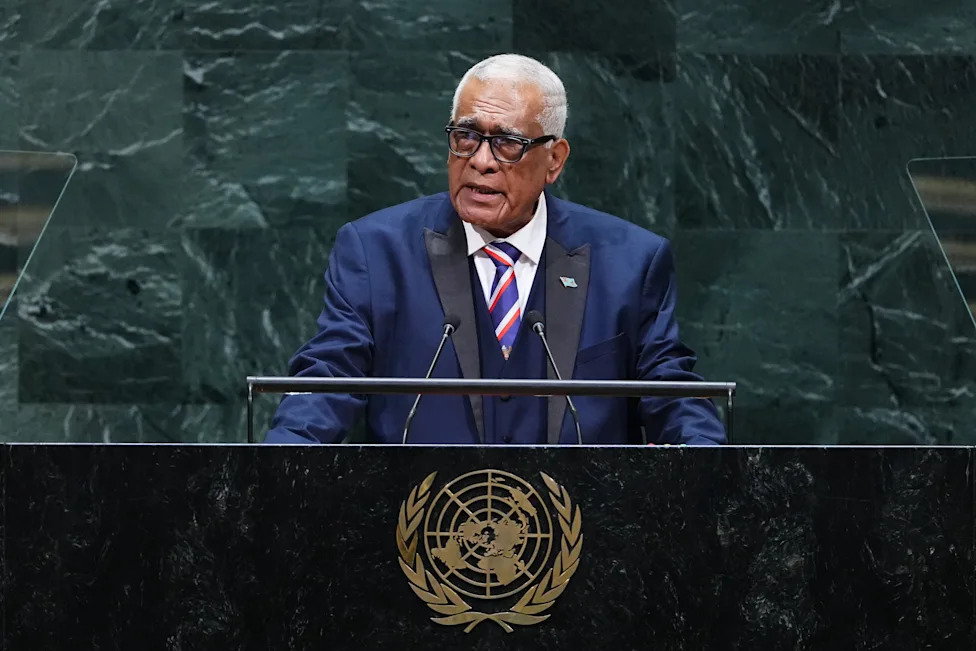
President of Fiji Ratu Naiqama Tawakecolati Lalabalavu addresses the 81st session of the United Nations General Assembly at U.N. headquarters Thursday, Sept. 24, 2026. (AP Photo/Frank Franklin II)(AP Photo/Frank Franklin II)
"Cabo Verde speaks with the same voice as other countries that are also living the climate crisis every day. For us, climate change is not a distant risk. It is an existential reality affecting our economies, our food and water security, our coastlines and ultimately our people's future."
— Francisco Carvalho, Prime Minister of Cape Verde
Situation: Small island developing states like Cape Verde face rising seas and increasingly powerful storms that erode shores, submerge land and threaten homes and livelihoods.
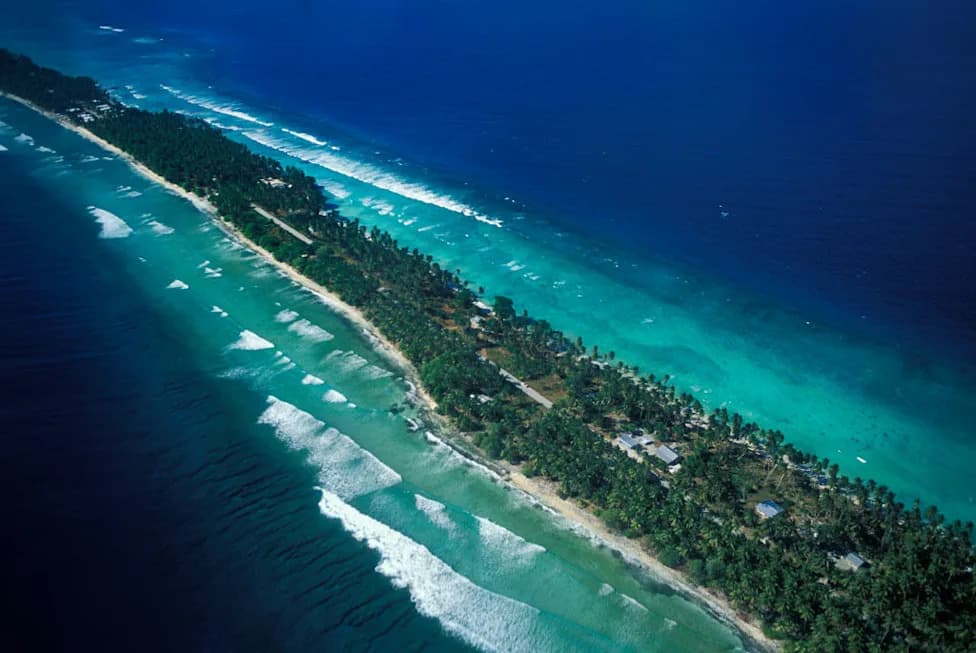
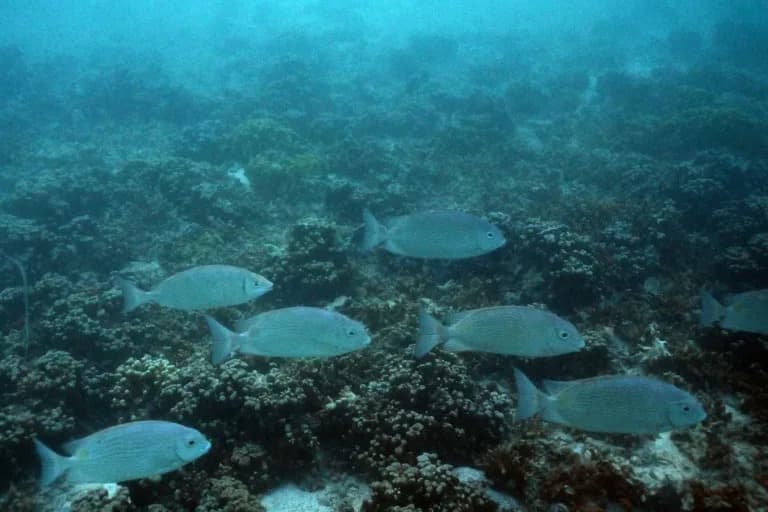
"Nearly a third of the world's tuna is caught in Pacific waters. And it's moving east into the high seas. More than a quarter of our people live within a kilometer of the shore. Six of our communities have already moved. Two more are moving now. And half a degree is not a rounding error. For us, it is the difference between adaptation and relocation."
— Naiqama Lalabalavu, Fijian leader
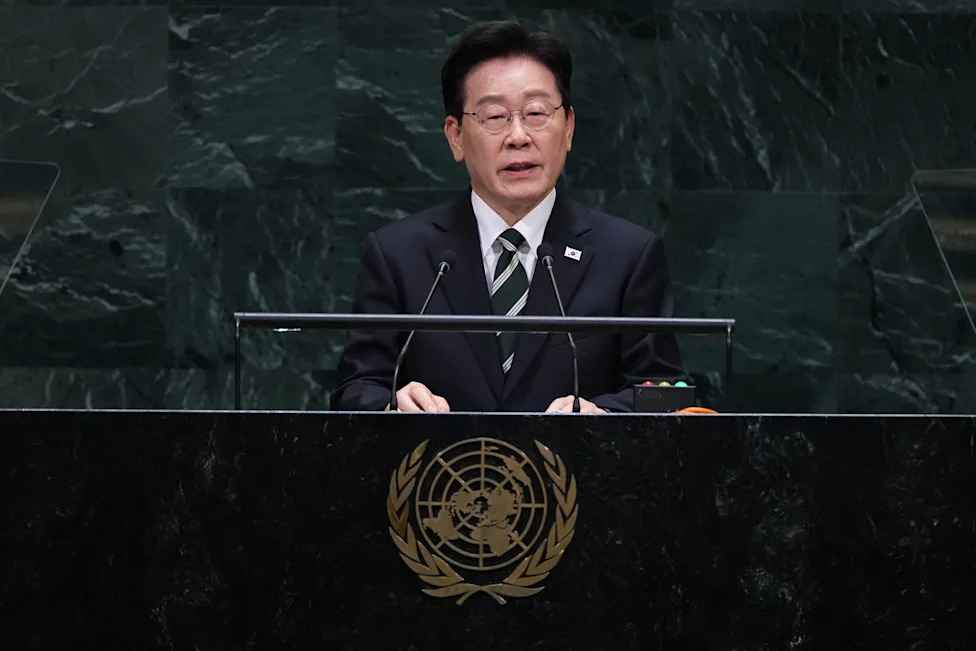
South Korean President Lee Jae Myung addresses the 81st session of the United Nations General Assembly at U.N. headquarters Tuesday, Sept. 22, 2026. (AP Photo/Frank Franklin II)(AP Photo/Frank Franklin II)
Situation: Projections cited at the Assembly estimate that by 2050 the annual fish available per Fijian could fall from about 41 kilograms to roughly 31 kilograms — with over half that decline attributable to climate change — placing pressure on food security and coastal livelihoods.
"The climate crisis is often referred to as a 'global group project shared by all 8 billion people on Earth.' A single country cannot tackle this challenge alone. At the same time, abandoning growth cannot bring everyone on board."
— Lee Jae-myung, South Korean political leader
Situation: In South Korea, extreme weather worsened by climate change is raising costs for farmers and can reduce agricultural yields.
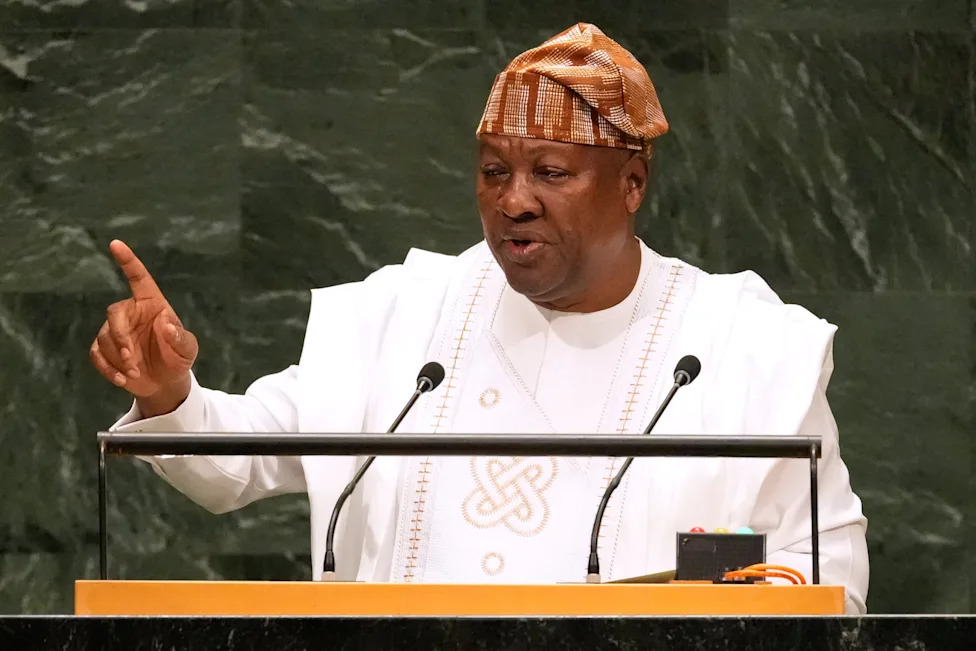
Ghana's President John Dramani Mahama speaks during the 81st session of the United Nations General Assembly at United Nations headquarters, Thursday, Sept. 24, 2026. (AP Photo/Seth Wenig)(AP Photo/Seth Wenig)
"We live in a fragmented world. Nations are turning inward. Promises are made loudly and kept quietly, if at all. Each country is tempted to say: It is not my storm, not my coastline, not my problem. The ocean does not recognize that thinking. It is one body of water. What warms in one hemisphere breaks upon another. The sea has never been fragmented. Only we are."
— Philip Davis, Prime Minister of the Bahamas
Situation: Many Global South countries, including the Bahamas, carry heavy debt burdens from disasters linked to warming. Hurricane Dorian, the strongest storm to hit the country on record, caused roughly $3.4 billion in damage in 2019.
"For those who have declared climate change a hoax perpetrated by geopolitical opponents, the warnings of recent times cannot have been clearer. Melting glaciers, flash flooding, droughts, record-breaking heatwaves, brush fires, hurricanes and other extreme weather phenomena are unmistakable signals of an overburdened planet. Climate change is the ultimate test of global equity."
— John Dramani Mahama, President of Ghana
Situation: Ghana faces erratic rainfall, coastal erosion and accelerating desertification. In June, unprecedented torrential rains in parts of coastal West Africa killed dozens of people.
The Associated Press' climate and environmental coverage receives financial support from multiple private foundations. AP is solely responsible for all content. Find AP's standards for working with philanthropies, a list of supporters and funded coverage areas at AP.org.
Help us improve.