Small island nations at the U.N. warn that rising seas are already swallowing land, cultural sites and critical infrastructure, and say breaching 1.5°C of warming would be existential. Leaders described lost homes, salinated wells, destroyed schools and growing youth despair, and demanded emissions cuts, climate finance and loss-and-damage reparations. The U.N. adopted a resolution affirming that rising seas do not negate island sovereignty, and delegations insisted they will remain to defend their homelands and identities.
Island Nations Declare ‘We’re Not Giving Up’ as Rising Seas Threaten Homes, Culture and Sovereignty
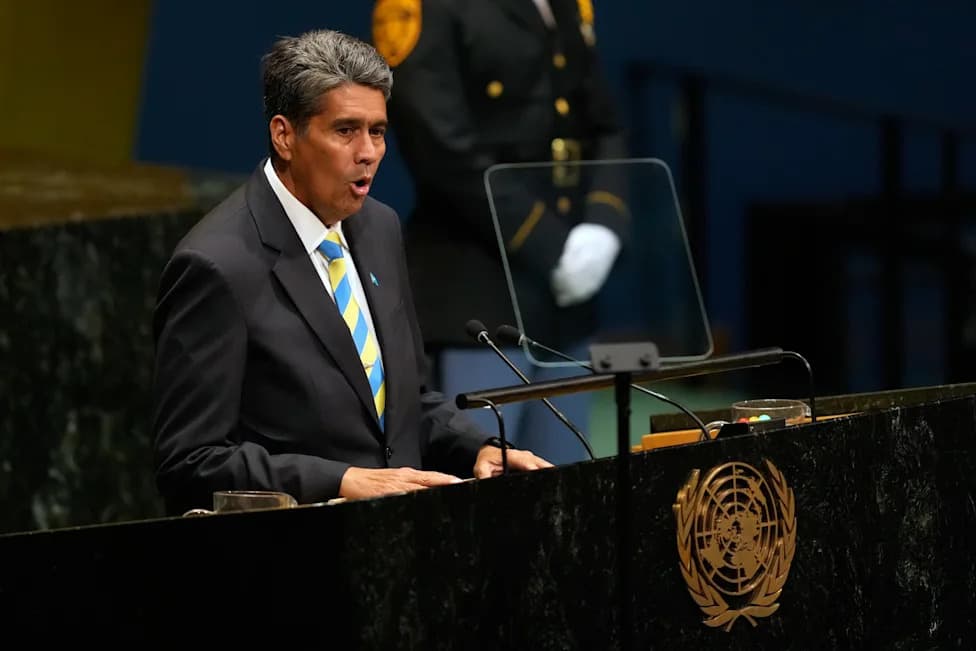
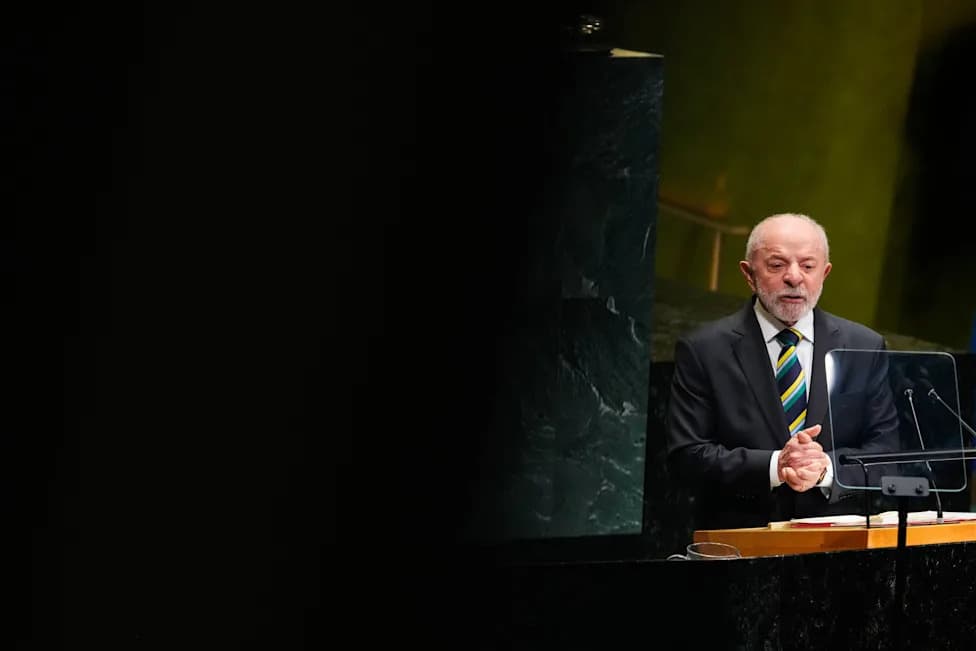
Palau's President Surangel Whipps Jr. speaks during the 81st session of the United Nations General Assembly at United Nations headquarters, Wednesday, Sept. 23, 2026. (AP Photo/Seth Wenig)(AP Photo/Seth Wenig)
UNITED NATIONS — Small island nations are sounding an urgent alarm at the U.N., warning that rising seas driven by climate change are already erasing land, cultural sites and livelihoods — and that crossing the 1.5°C warming threshold would be catastrophic for their peoples.
Losses On The Ground
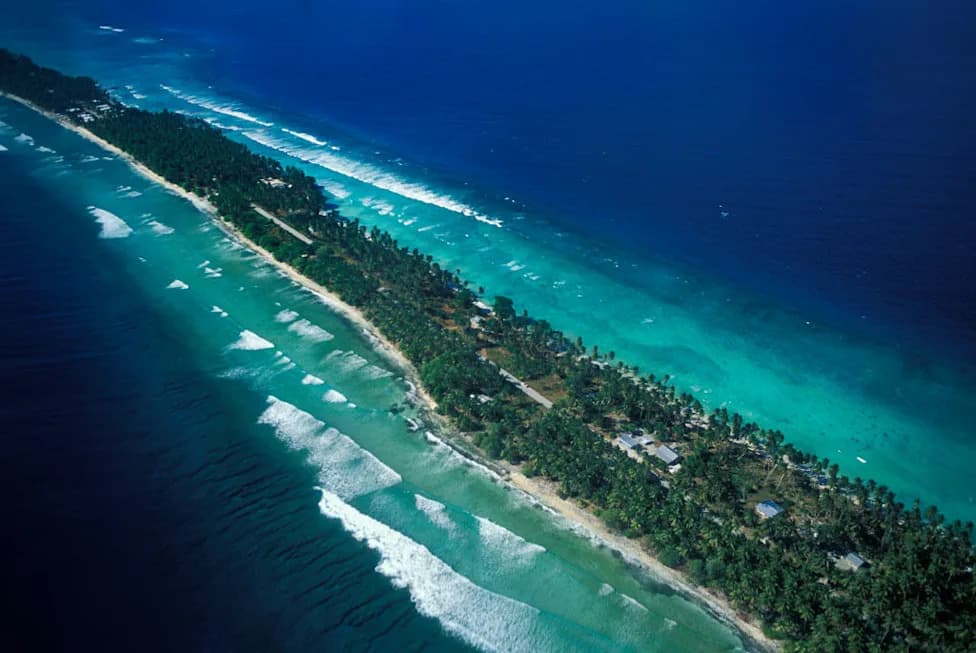
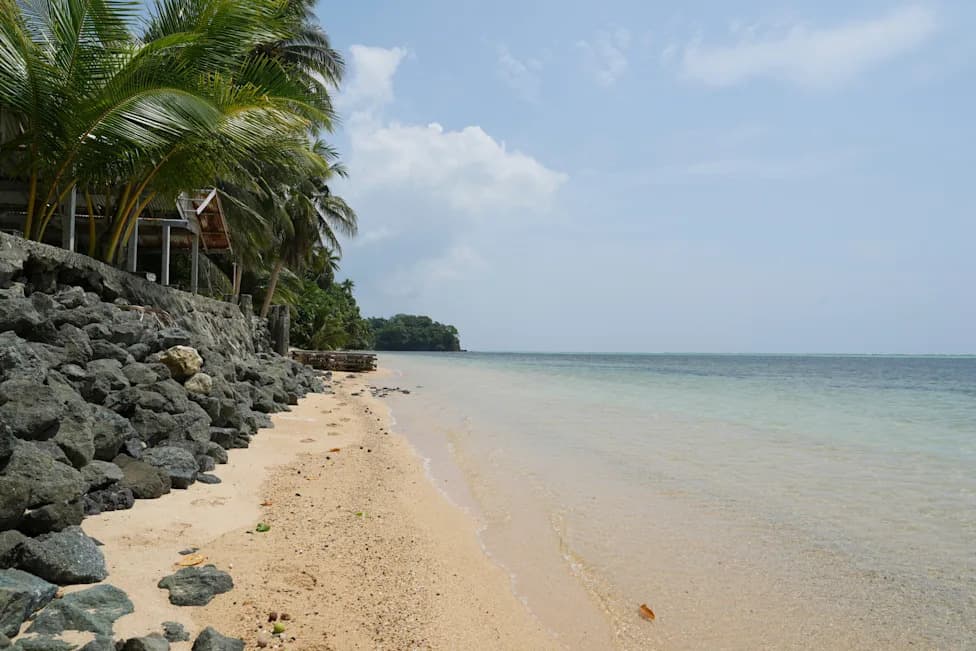
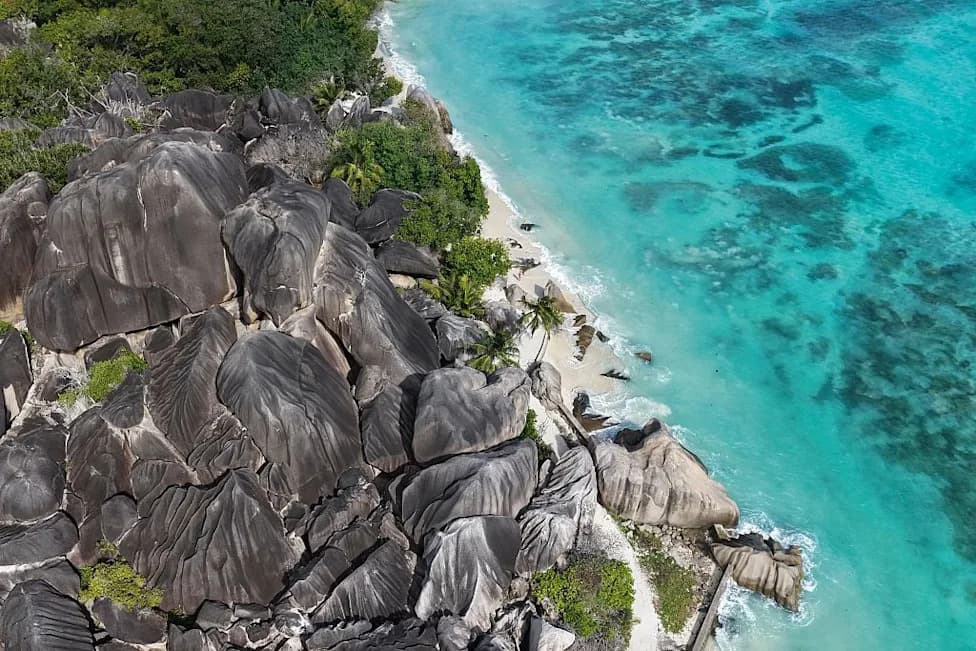
Palau President Surangel Samuel Whipps Jr. returned to Helen Island after four decades to find roughly two-thirds of it gone. "For us, it's devastating," he told The Associated Press. Rising seas have washed away ancestral burial grounds and damaged the cultural fabric of his nation, yet he insisted: "It doesn't mean we should give up."
Small Voices, Global Conscience
Although they have limited political and territorial weight — nearly 11 Marshall Islands or about 30 Tuvalus could fit inside New York City — island delegations have often played an outsized moral role at global climate talks. In the 2015 Paris Agreement negotiations, they successfully pressed for a 1.5°C limit instead of 2°C, arguing the lower target was vital to their survival.
"Sometimes you get drowned out," said Whipps — a phrase that applied both to unequal diplomatic influence and the literal threats of rising water.
Why 1.5°C Matters
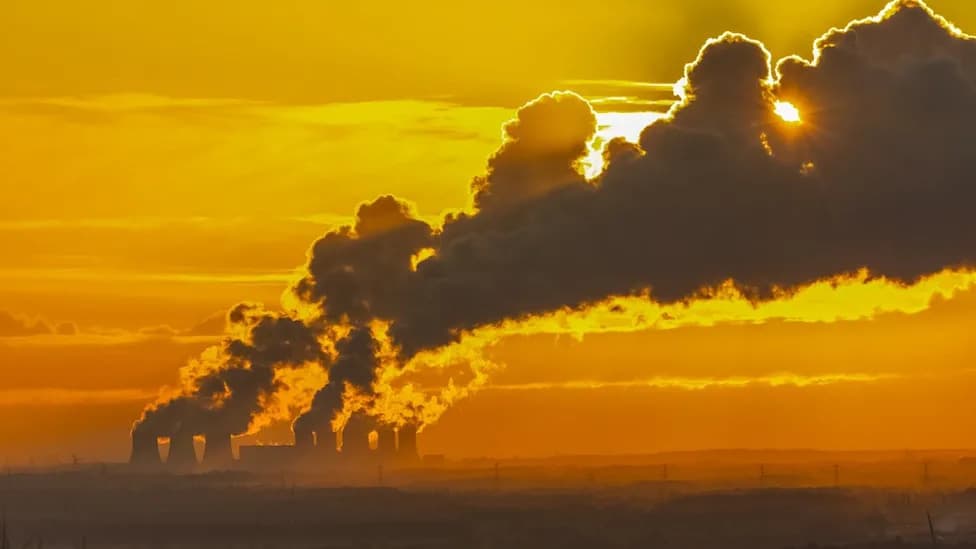
Climate scientists and U.N. experts now warn the world may temporarily exceed a 1.5°C multi-year average within the next year or two. Their best-case path to avoid permanently breaching that threshold requires rapidly cutting coal, oil and gas use to net-zero so temperatures could eventually fall back below 1.5°C.
"Each fraction of a degree of warming increases the risk of irreversible sea level rise," said Anna Rasmussen, chief negotiator for the Alliance of Small Island States. "We absolutely cannot surrender our pursuits of 1.5."
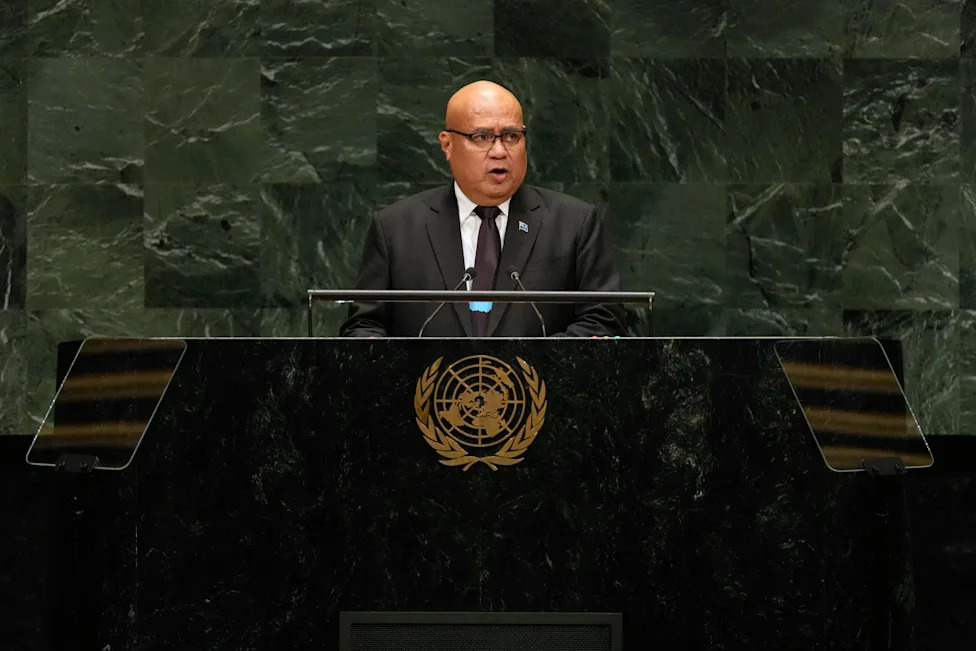
Tuvalu Prime Minister Feleti Teo speaks during the 81st session of the United Nations General Assembly at United Nations headquarters, Friday, Sept. 25, 2026. (AP Photo/Seth Wenig)(AP Photo/Seth Wenig)
Human Costs And Calls For Justice
Island leaders describe concrete harms: schools destroyed, fresh water wells poisoned by salt, and disease outbreaks linked to environmental change. "This injustice must be addressed," Marshall Islands President Hilda Heine told the General Assembly, calling on major emitters to make restitution for damages.
Saint Kitts and Nevis environment minister Joyelle Clarke, asked what breaching 1.5°C would mean, replied bluntly: "Death." Clarke and other leaders also warned about a growing despair among youth who question whether to raise families in a warming world.
Sovereignty And Standing Their Ground
The U.N. recently adopted a resolution affirming that rising seas do not erase the sovereignty or maritime rights of small island states. Delegations repeatedly declared they will resist displacement. "The survival of our nations cannot be negotiated," said Adão Soares Barbosa of East Timor.
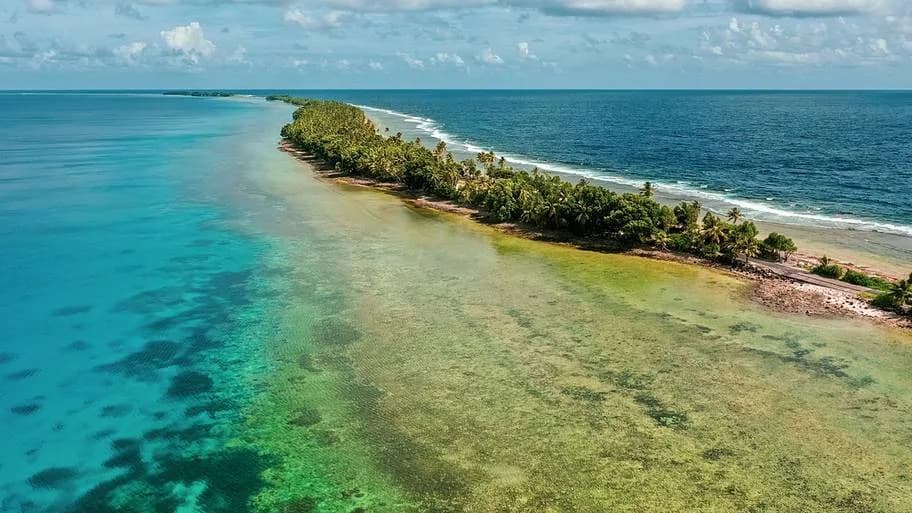
Tuvalu’s Prime Minister Feleti Teo highlighted the disparity between its tiny land mass — about 26 square kilometers — and its vast maritime responsibility of roughly 750,000 square kilometers. Marshall Islands Foreign Minister Kalani Kaneko said his people are determined to stay, raise their children, preserve language and identity: "We're not giving up."
What They Want
Island delegations demand rapid, deep cuts in fossil fuel burning, concrete climate finance and loss-and-damage reparations from major emitting nations. Their message is both moral and practical: protect people, culture and sovereignty now — before more land and lives are lost.
Reporters: Associated Press. Associated Press writer Jennifer McDermott contributed to coverage from New York. The AP’s climate reporting receives philanthropic support; the AP retains full editorial control.
Help us improve.