Some communities are becoming trapped by climate change: they cannot remain safely in place, yet have few realistic options to move. Research shows the poorest people are most at risk, with hotspots including low‑lying island nations (≈750,000 people), flood‑prone Bangladesh, drought‑hit Zambia, climate‑stressed New Orleans, and homeless populations in NYC. Solutions must combine emergency aid, planned relocation, and policies that protect cultural and economic rights.
Where People Are Being Trapped By Climate Change — From Sinking Islands To Urban Heat
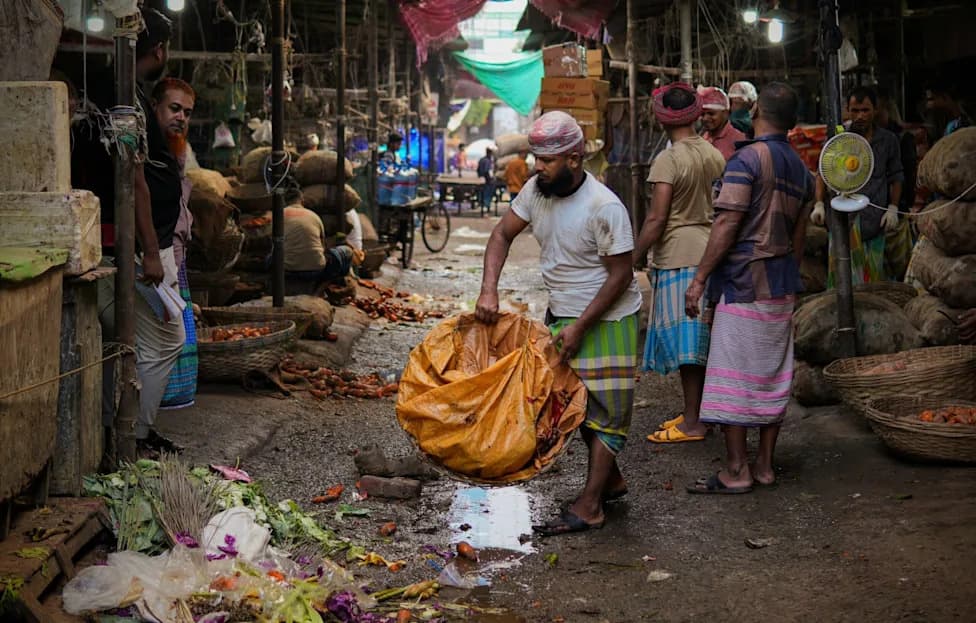
Shanto Debnath Pexels
Climate change is already creating places where people are effectively trapped: they cannot stay where they are safely, but they also have few viable places to go. This form of involuntary immobility is one dimension of climate migration — when rising seas, repeated floods, extreme heat, or prolonged drought force people to abandon long‑standing homes or remain in increasingly dangerous conditions.
Why Some People Can’t Move
Research in Nature and reporting by Yale Climate Connections show a clear pattern: the poorest and most marginalized are least able to relocate. Financial constraints, legal or cultural ties to land, and geographic limits (small islands, densely populated deltas, or arid interior regions) all make movement difficult or impossible for millions.
Examples Around the World
New Orleans, USA
New Orleans illustrates how climate impacts can produce long-term displacement even in wealthy countries. The city has never fully recovered its pre‑Katrina population; in 2024 it reported about 363,000 residents — nearly 100,000 fewer than before the storm. Jesse Keenan, a climate adaptation specialist at Tulane University, has warned that the city faces a "terminal" condition and argued for planned transition and economic adaptation to prepare residents before risks grow worse.
Low‑Lying Island Nations
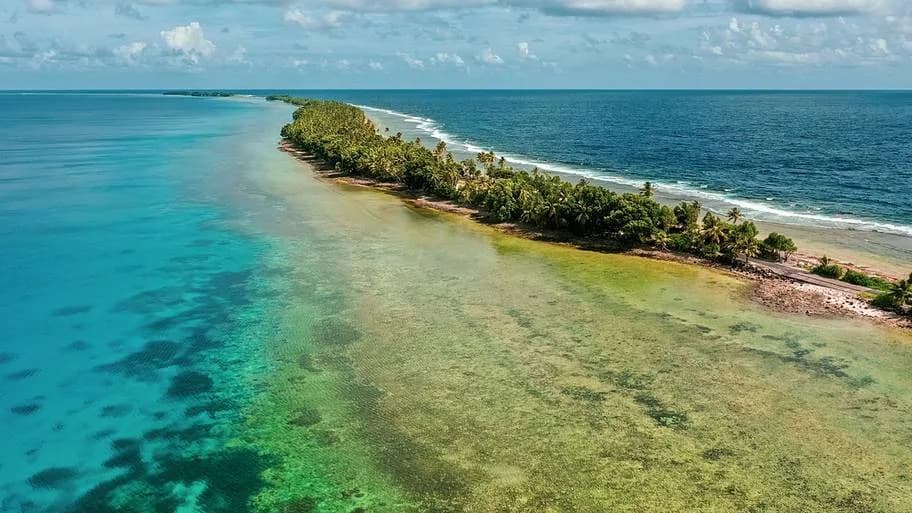
Several small island states — including the Maldives, Tuvalu, the Marshall Islands, Nauru, and Kiribati — are especially vulnerable. Together they are home to roughly 750,000 people. Their limited land area and low elevation make long‑term relocation politically and practically fraught, raising urgent questions about sovereign relocation, loss of territory, and cultural survival.
New Zealand — Māori Coastal Communities
Some Māori communities in Aotearoa face progressive loss of coastal marae and ancestral land. Although physical relocation might be possible, moving would sever deep cultural and spiritual ties to land settled by ancestors between roughly 1250 and 1300 CE. Multiple ownership structures and insurance limits slow recovery after storms and compound the threat to culture.
Bangladesh — Recurrent Flooding
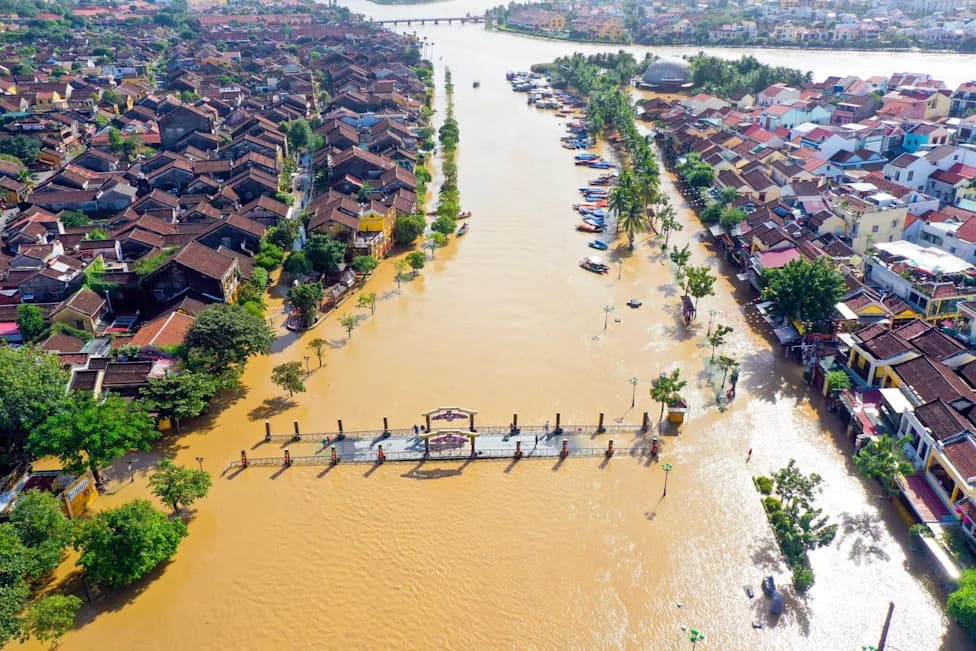
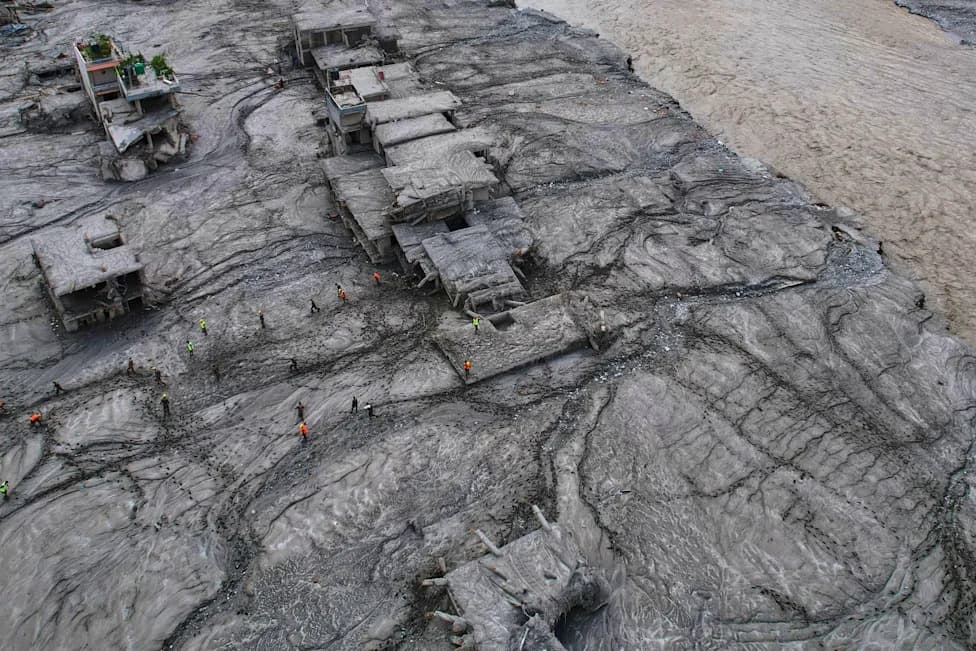
Parts of Bangladesh experience floods so frequent and severe that they are becoming effectively uninhabitable. A UNICEF report cited roughly 3.9 million people directly affected in northern and central areas during recent flood events. Many internally displaced people relocate to already crowded districts such as Cox's Bazar, which borders the Bay of Bengal and offers limited long‑term refuge.
Zambia — Severe Drought and Food Insecurity
Zambia was a primary research site in the Nature study. ReliefWeb reported one of the country’s most severe droughts in recent memory, affecting about 9.8 million people. Where farming and livestock rearing collapse, impoverished rural households have few nearby alternatives for livelihood or resettlement.
New York City — Poverty, Homelessness, Heat and Flooding
Even in wealthy cities, poverty can trap people in harm's way. New York City shelters roughly 96,000 people, with thousands more sleeping outdoors. Homeless populations face greatly elevated mortality and are unlikely to be able to relocate to places that would meaningfully improve their health. As urban heat waves intensify (temperatures topping 100°F with heat indices near 110°F) and coastal flooding becomes more frequent, these vulnerabilities worsen.
What Needs To Be Done
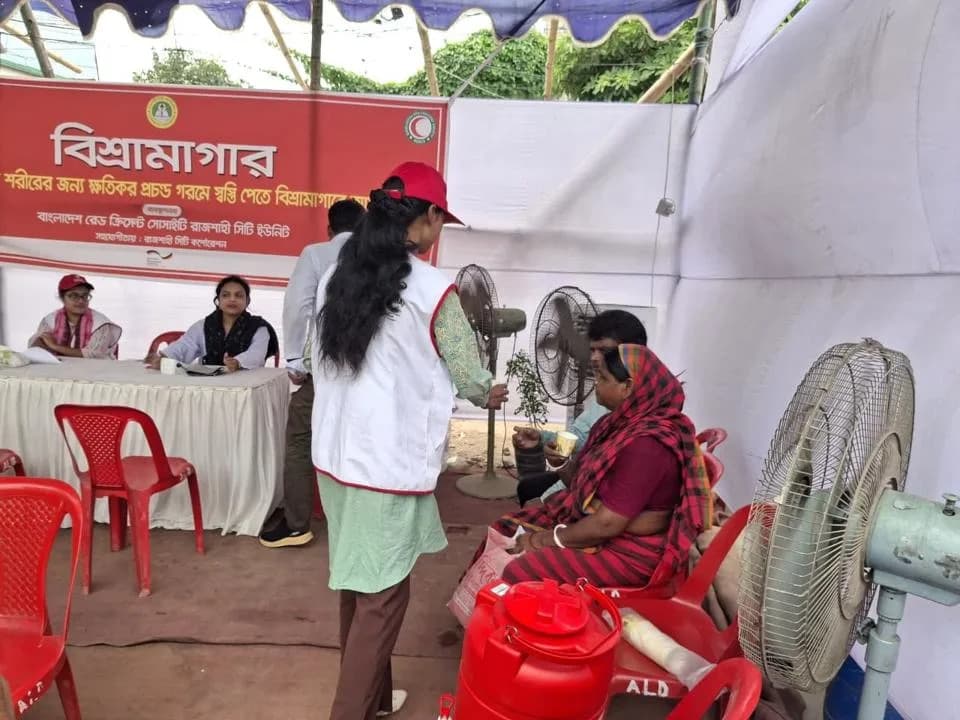
Addressing involuntary immobility requires a mix of policies: emergency relief and cooling centers for acute events; planned, well‑funded relocation programs when places are no longer habitable; legal and financial tools to protect community and cultural rights; and international cooperation to help vulnerable countries and small island states. Importantly, solutions must center the needs and choices of affected communities.
Sources: Nature ("Prioritizing involuntary immobility in climate policy and disaster planning"), Yale Climate Connections, New Orleans CityBusiness, Yale Environment 360, UNICEF, ReliefWeb, PreventionWeb.
Help us improve.