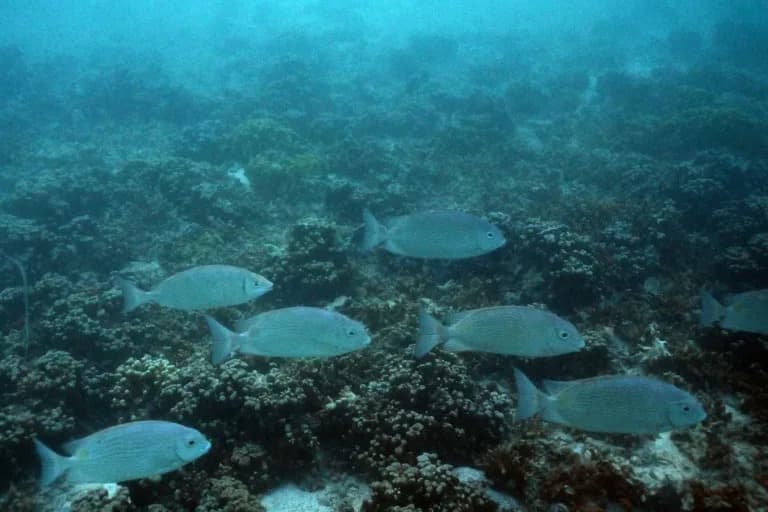
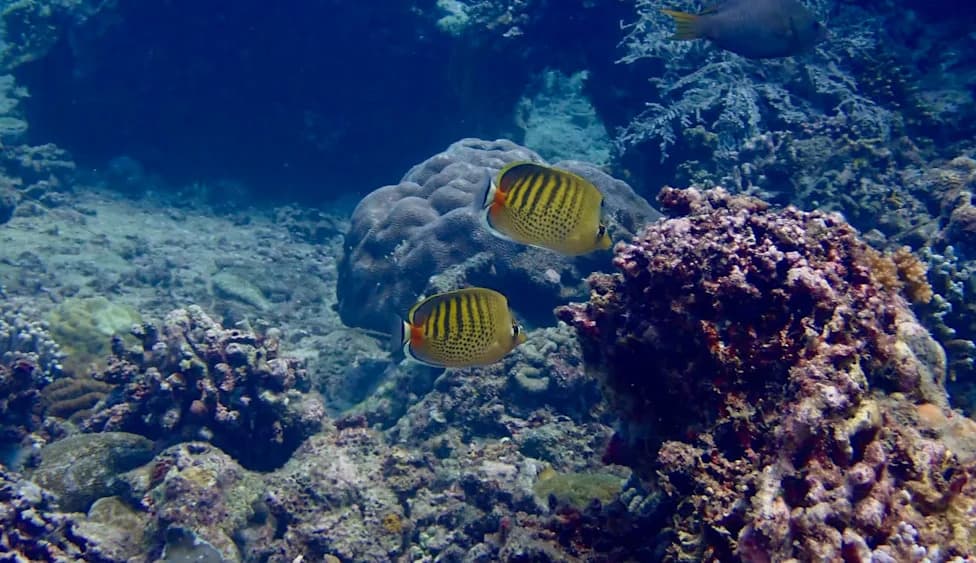
This summer's record sea-surface temperatures and a major coral assessment underline urgent risk to marine ecosystems: global hard coral cover is down 9.5% versus the 1980–2009 average. Only about 10% of the ocean is designated protected and just 3.5% is effectively managed. The High Seas Treaty and examples like Seychelles and French Polynesia show what is possible, but reaching 30% protection by 2030 will require far greater ambition, effective management and roughly $16 billion a year in funding.
The Next Four Years Will Decide The Ocean’s Future: Urgent Action Needed Before 2030
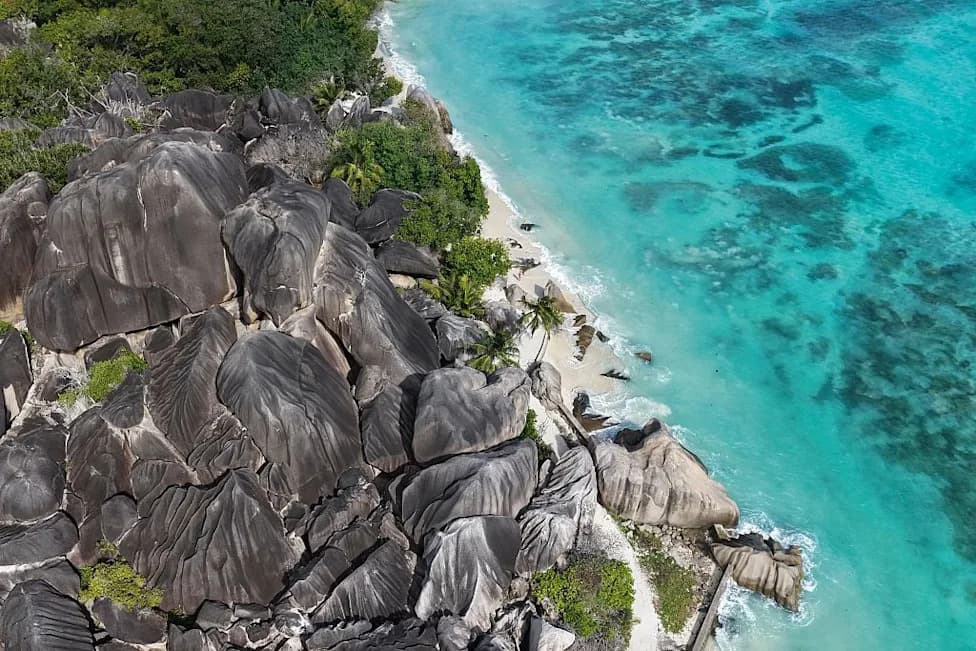
Seaside scenery on La Digue Island, Seychelles on June 26, 2026. —Zeng Tao—Xinhua via Getty Images
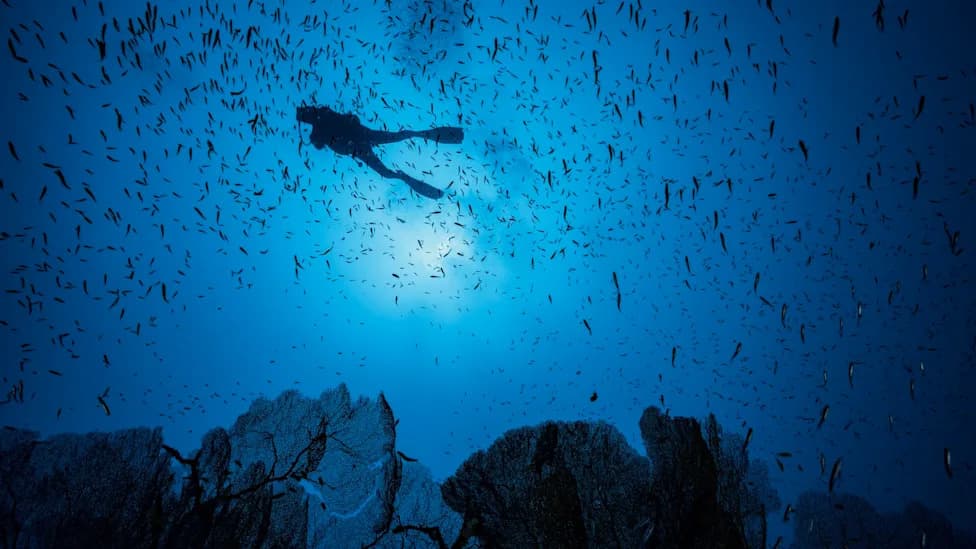
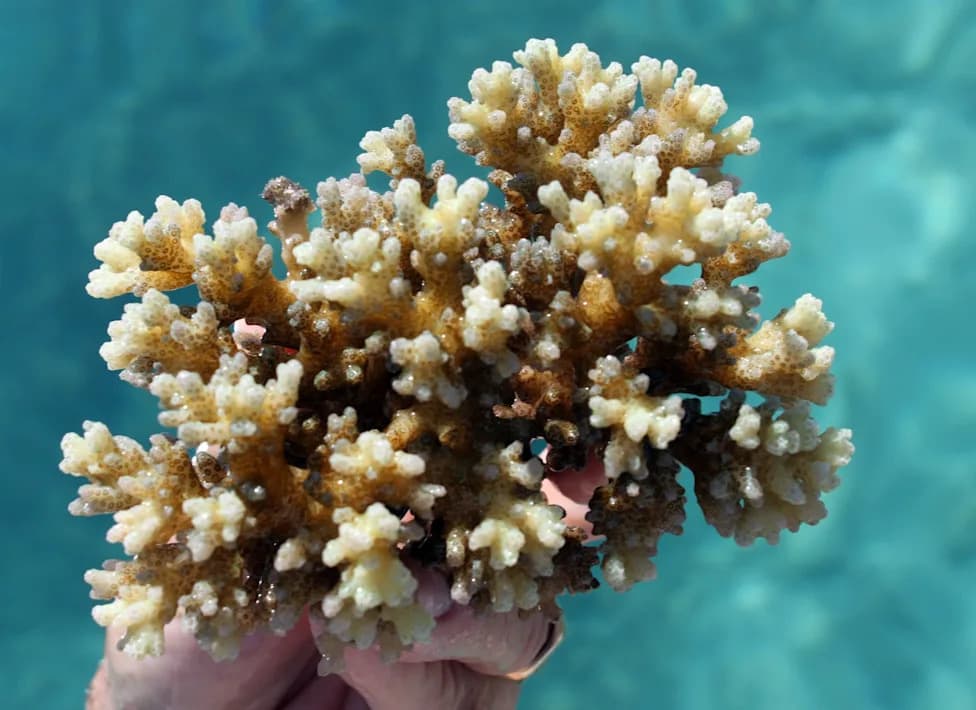
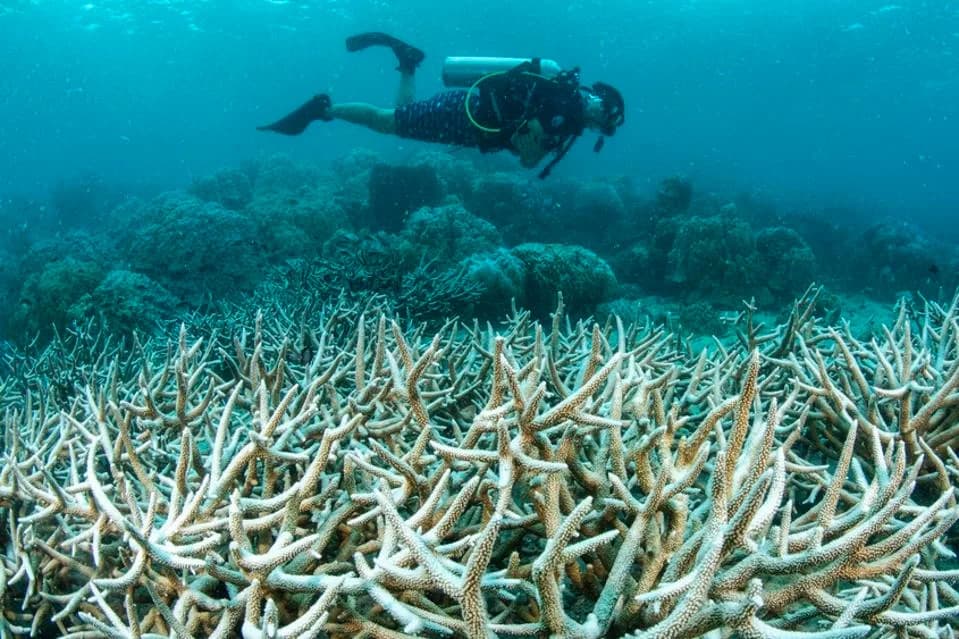
This summer the ocean sent another unmistakable warning. In August, global sea-surface temperatures reached a record high, and the most comprehensive coral-reef assessment to date shows that increasingly frequent marine heatwaves are shortening the time reefs have to recover. Global hard coral cover has declined by 9.5% compared with the 1980–2009 average, a loss attributed primarily to human-driven climate change.
Why This Matters
I come from Seychelles, an archipelago of 115 islands off East Africa, where the ocean is inseparable from daily life, livelihoods and national resilience. It provides food, jobs and economic stability. That personal connection makes these trends not only concerning but a call to action.
Progress And The Gap
When political will is present, rapid progress is possible. In 2020, while serving as president, Seychelles designated more than 30% of its waters for protection — years ahead of the global 30% by 2030 goal. Yet globally, progress at sea lags far behind land: roughly 20% of terrestrial and inland waters are now protected or conserved, and pledges could push that to about 27% by 2030.
At sea, only about 10% of the global ocean is currently designated as protected or conserved, and current commitments are projected to raise that to only about 12% by 2030. Even more troubling, the 2026 Ocean Protection Gap Report finds that just 3.5% of the global ocean is assessed as effectively protected — meaning most designated areas still lack the management, enforcement and financing needed to deliver real conservation outcomes.
What Effective Protection Requires
Designating an area on a map is only the first step. Effective marine protection depends on:
- Strong legal frameworks and clear governance;
- Well-designed no-take zones and spatial planning that match ecological needs;
- Long-term financing for management, monitoring and enforcement;
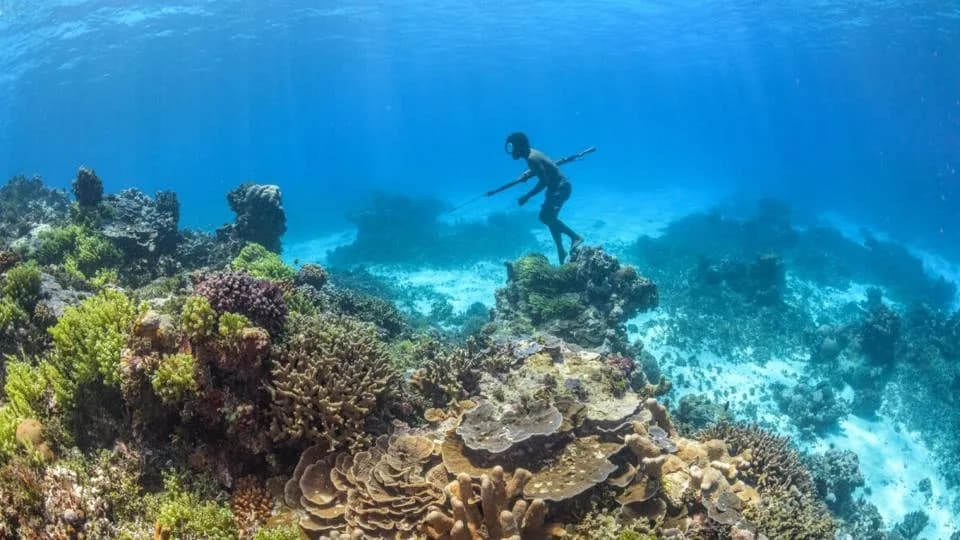
- Actions to reduce local pressures such as overfishing, pollution and destructive extraction;
- Integration with urgent climate mitigation and adaptation efforts.
High Seas, Shared Responsibility
National action alone cannot close the ocean protection gap. The high seas account for roughly two-thirds of the global ocean, but only a tiny fraction of that area is protected. Species migrate across borders and currents connect ecosystems, so damage in one place can ripple across the planet.
The High Seas Treaty provides a new global legal framework to create marine protected areas beyond national jurisdiction. Seychelles was the first African country to ratify the treaty, recognizing that protecting national waters is necessary but not sufficient: our future depends on the health of the ocean we all share.
Funding The Ambition
Ambition must be matched by finance. Recent estimates indicate roughly $16 billion per year is needed to reach meaningful marine protection under the 30% target, compared with about $1.8 billion currently spent. Without sustained funding, protected areas will remain protected on paper rather than in the water.
The next four years — until the end of 2030 — must focus both on expanding protected areas and making them truly effective. Success should be measured by recovery of biodiversity and continued benefits for coastal communities, not just by the number of square kilometres on a map.
Reasons For Hope
There are positive examples to build on. This June, French Polynesia announced an expansion that will bring roughly 1.4 million square kilometres — about 30% of its waters — under full protection from extractive industries once implemented. Samoa and Portugal have also increased effective protection in recent years. Seychelles’ Marine Spatial Plan Initiative is legally binding and includes no-take zones, and we are now focused on turning those commitments into measurable results through enforcement, monitoring and long-term financing.
What Leaders Must Do Now
As world leaders meet at the United Nations General Assembly and at COP17 next month, ocean protection should be central to conversations on climate resilience, food security and economic stability. Governments must:
- Accelerate designation of high-quality marine protected areas, including in the high seas;
- Improve the effectiveness of existing sites through better governance, monitoring and financing;
- Align local management with global climate action to give ecosystems the best chance to recover.
If policymakers move decisively in the next four years, we can protect more of the ocean, protect it well, and secure marine biodiversity, food security and livelihoods for generations to come.
Help us improve.