The Global Environment Facility approved an initial $3.9bn (€3.4bn) package for its GEF-9 replenishment to fund climate adaptation, biodiversity protection and water security across 144 recipient countries. The funding prioritises least developed countries and small island states (35%) and Indigenous and local community-led initiatives (20%). GEF-9 also introduces reforms to reduce bureaucracy and accelerate disbursements, and stresses integrated projects that link climate, biodiversity, land and water issues. The cycle runs from July 2026 to 2030, with first disbursements expected soon.
GEF-9 Secures €3.4bn to Fast-Track Climate Adaptation, Biodiversity and Water Security
Countries pledge €3.4bn for climate adaptation, biodiversity protection and water security
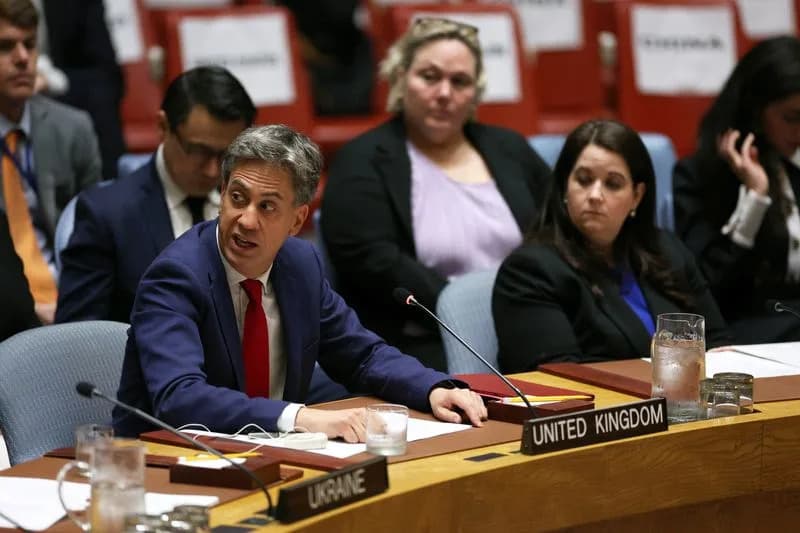
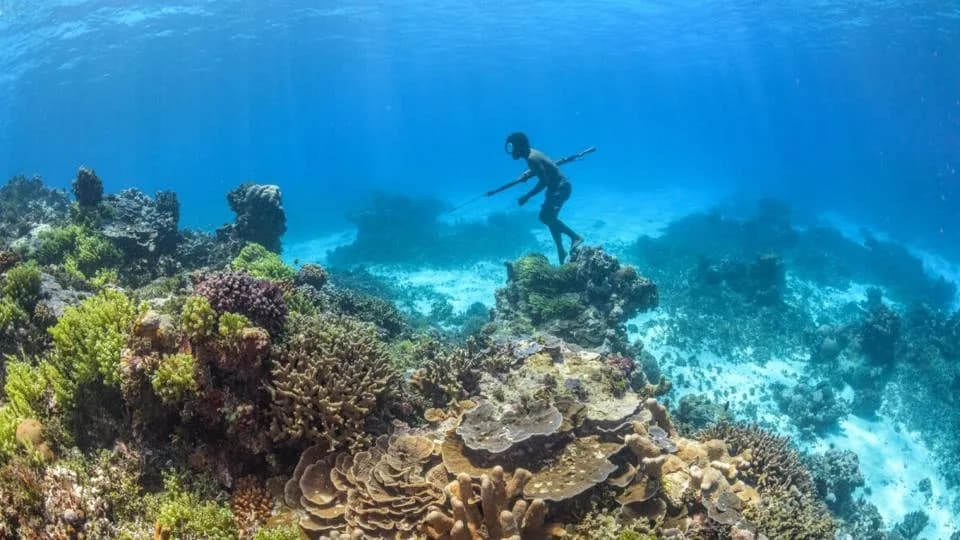
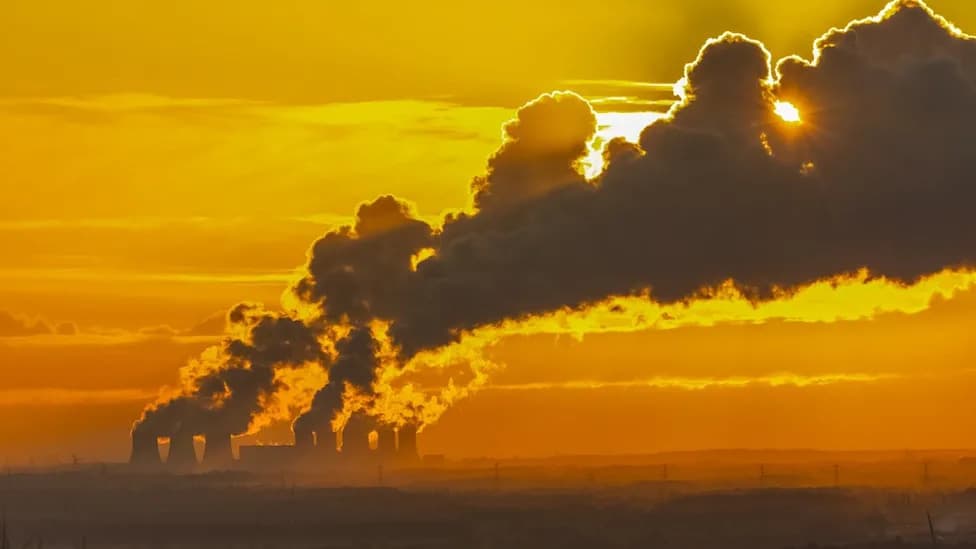
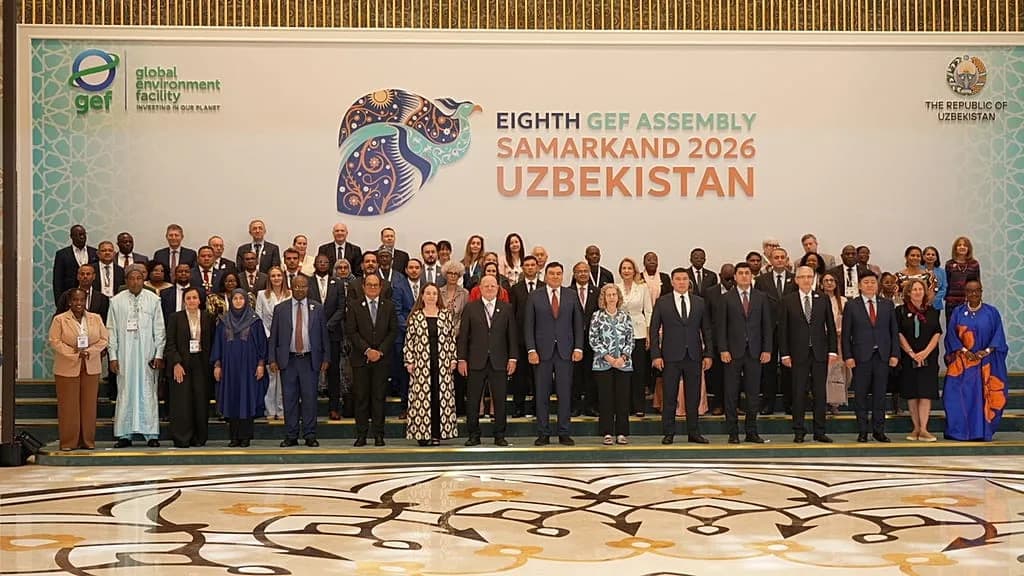
The Global Environment Facility (GEF) has approved an initial $3.9bn (€3.4bn) financing package to accelerate climate adaptation, biodiversity protection and water security through its ninth replenishment cycle (GEF-9), covering 2026–2030. Delegates from 186 countries agreed the commitment at the GEF Assembly in Samarkand, Uzbekistan, setting strategic priorities for support across 144 recipient countries.
Funding, Reach and Impact
The GEF currently manages more than 2,300 active projects and has $12.6bn (€11bn) in financing under implementation. The organisation expects to leverage an additional $80.5bn (€70bn) through co-financing and reports that, since its founding in 1991, it has provided over $27bn (€23.5bn) in grants and helped mobilise roughly $155bn (€135bn) in additional investments worldwide.
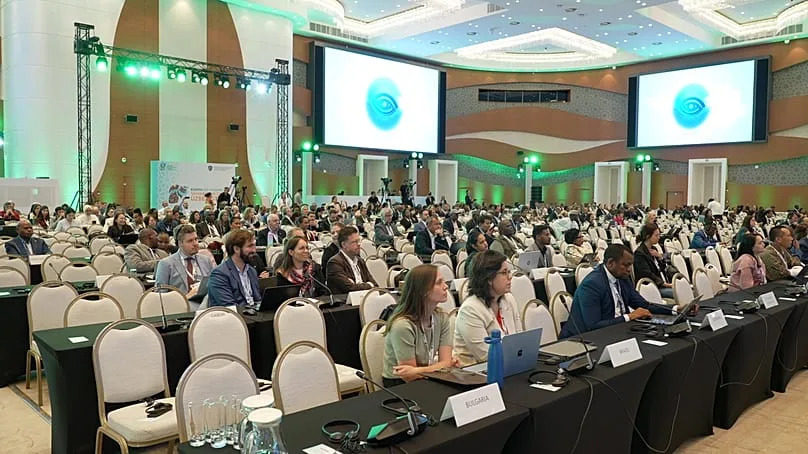
GEF Assembly in Samarkand- Euronews
Where The Money Will Go
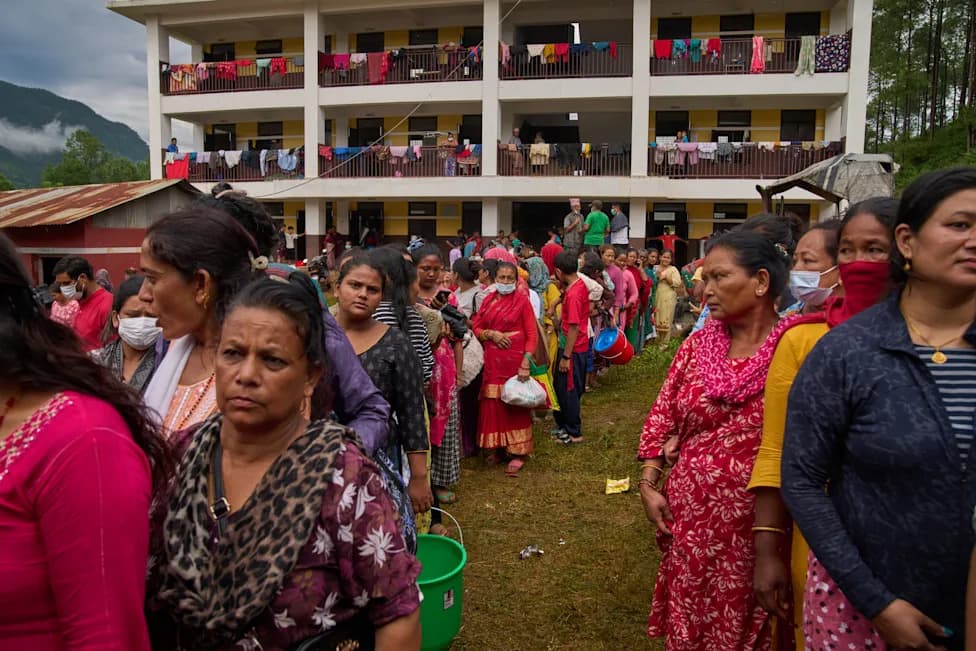
GEF-9 will back projects across 144 recipient countries and sets a clear allocation framework to prioritise vulnerability and local leadership. At least 35% of the Trust Fund is earmarked for least developed countries (LDCs) and small island developing states (SIDS), while a further 20% will support initiatives led by Indigenous peoples and local communities.
Faster Access, Integrated Programmes
The new cycle introduces reforms designed to cut red tape and speed access to funding so projects can move more quickly from planning into implementation. These changes include streamlined approval processes and a stronger push for integrated programmes that link climate, biodiversity, land restoration, food systems and water management.
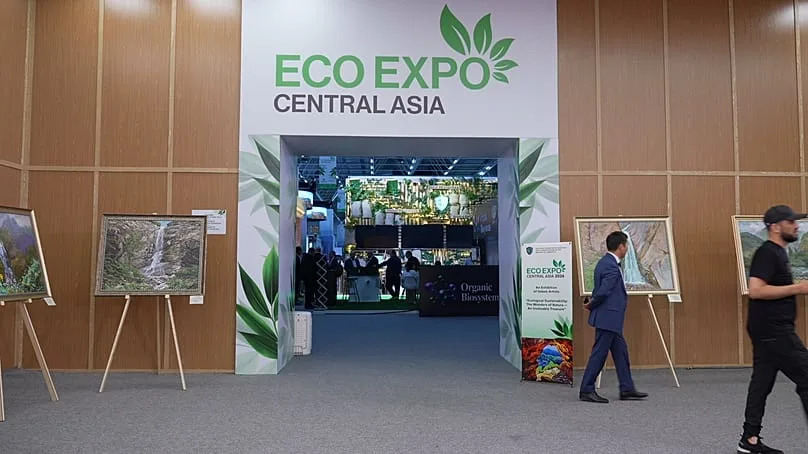
Eco Expo Central Asia- Euronews
“GEF-9 focuses on streamlining, enabling agencies and countries to hit the ground with resources more quickly, massively decreasing the bureaucratic complexity of receiving GEF funding,” said Fred Boltz, Head of Programming at the GEF Secretariat.
Examples and Regional Relevance
One example of GEF-financed work is the Sustainable Cities programme, which the World Bank says has supported more than 100 cities across 40 countries to improve urban planning, resilience and environmental management. Ming Zhang, the World Bank's Global Director for Urban, Subnational Finance, Tourism and Disaster Management, noted that targeted grant funding can attract larger investments from development banks and the private sector.
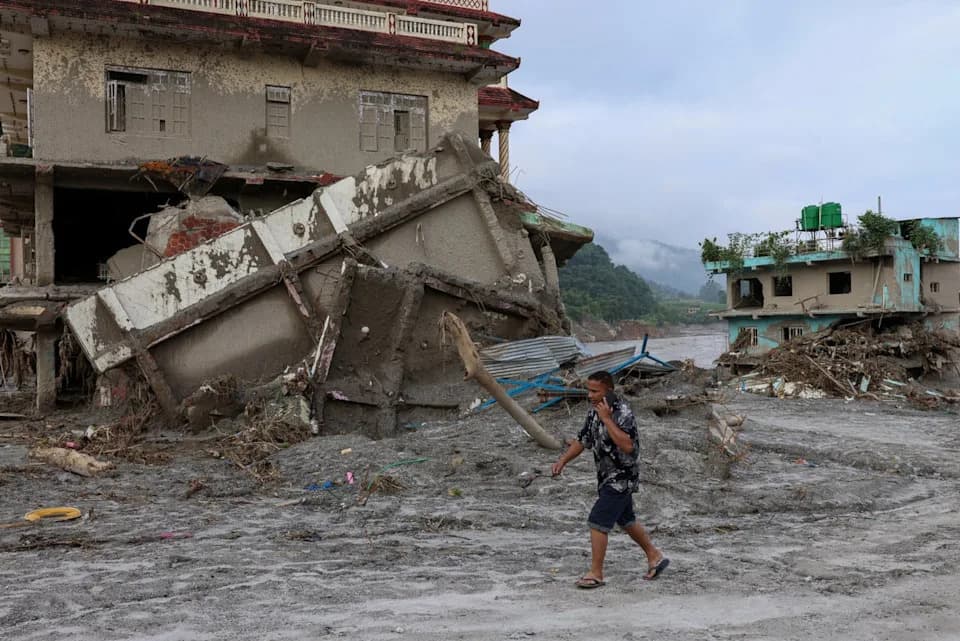
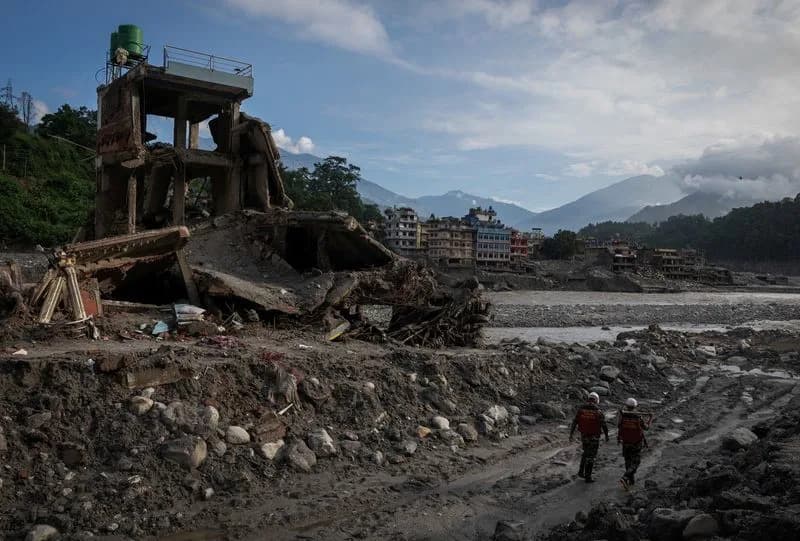
European governments remain among the largest contributors, and many of GEF's priorities—drought, floods, biodiversity loss and rising adaptation costs—are increasingly pertinent across Europe. At the Assembly, World Bank data highlighted regional water stresses: around 37 million people in Central Asia currently live in areas with severe water scarcity, a number that could rise to about 75 million by 2050 as glaciers retreat and river flows decline.
Assembly In Samarkand And Local Momentum
The GEF Assembly was held in Central Asia for the first time. Uzbekistan, which joined the GEF in 1995 as a recipient country, announced plans to contribute to future replenishments—an example of shifting regional engagement. Eco Expo Central Asia, running alongside the Assembly, drew roughly 10,000 participants and showcased technologies and projects—from water management to renewable energy—that illustrate how international finance translates to on-the-ground action.
GEF-9 formally begins in July 2026 and will run through 2030. The first projects under the new replenishment are expected to begin receiving support in the coming months.
Help us improve.