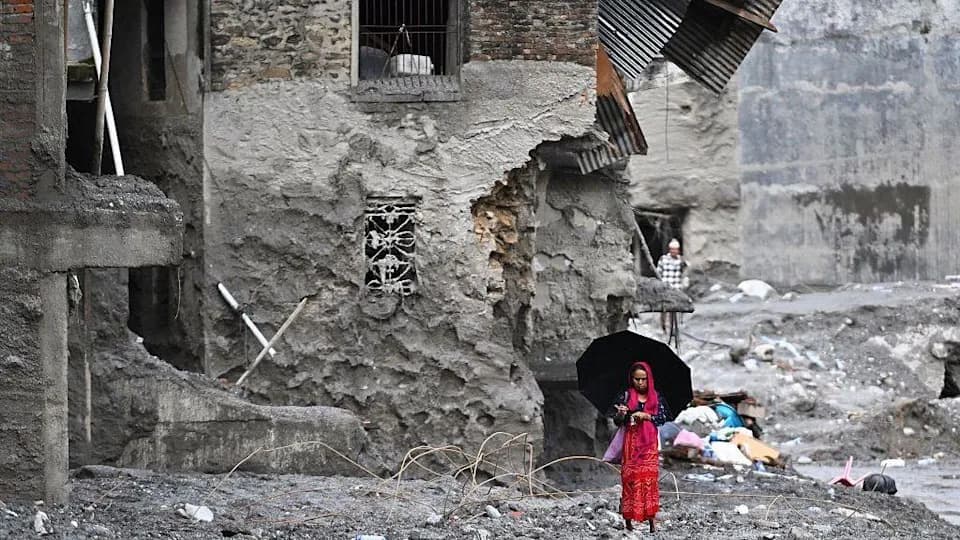
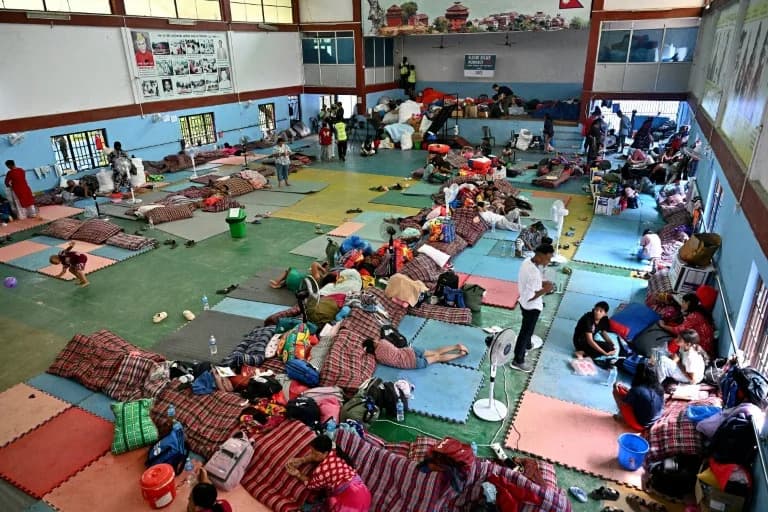
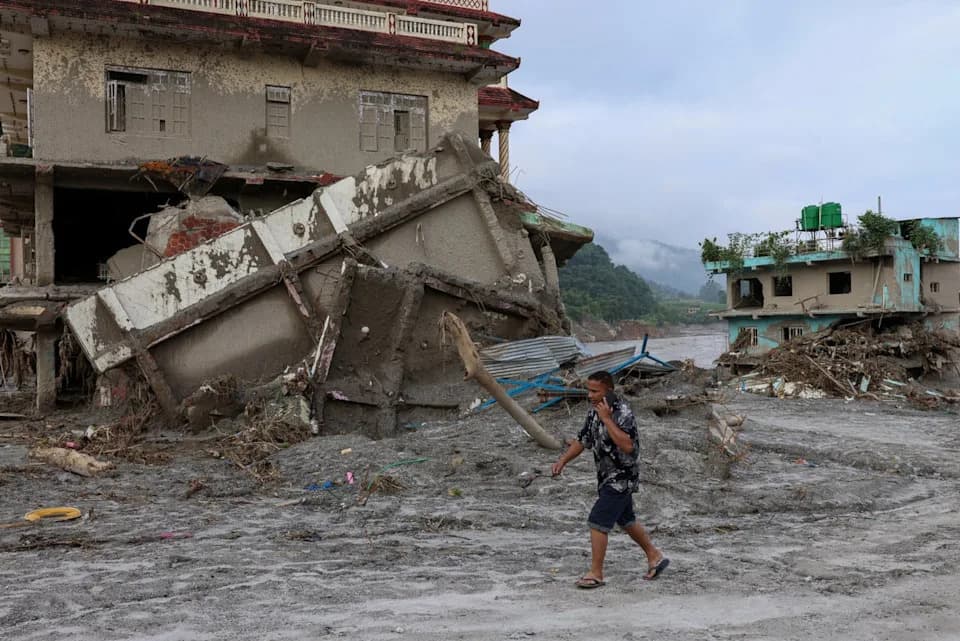
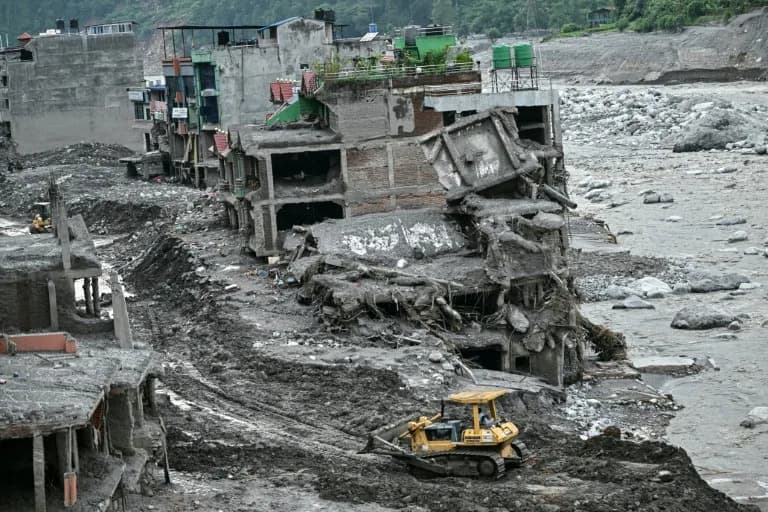
Nepal's foreign minister is appealing to wealthy nations to fund recovery and resilience after a glacial collapse along the Nepal–China border killed more than 1,400 people and left nearly 6,000 missing. Scientists called the disaster a "compound crisis," and preliminary losses are estimated at about $5 billion. Nepal has requested $20 million from the UN Loss and Damage Fund while receiving $31 million in US aid and informal G7 and UK support. Officials say much larger, sustained financing is needed for resilient infrastructure and early-warning systems.
Nepal Calls on Wealthy Nations to Pay for Climate Losses After Devastating Glacial Collapse
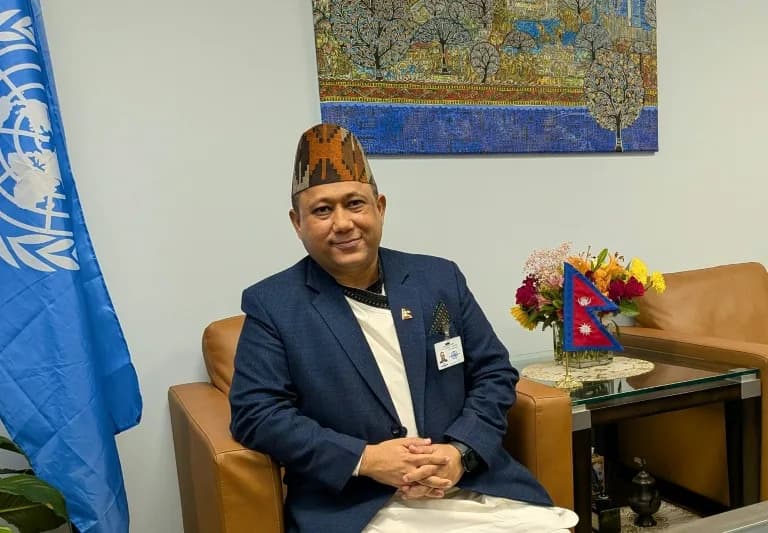
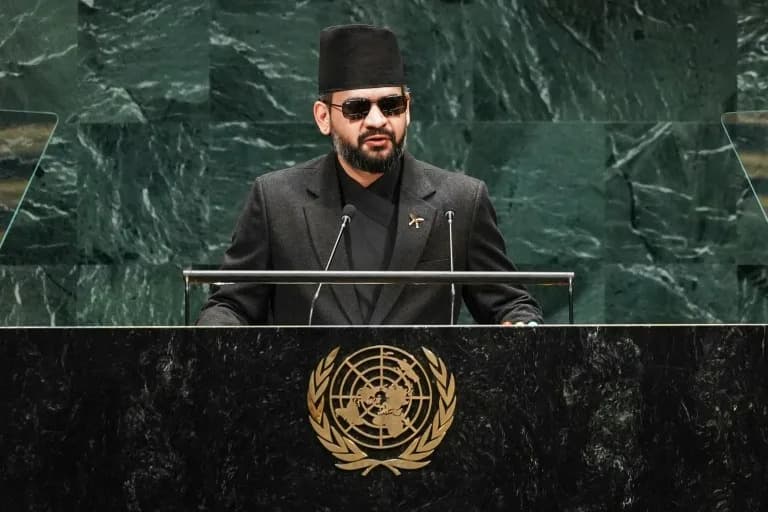
Nepal's Foreign Minister Shisir Khanal says his country needs more assistance from the world to develop better systems to monitor the rate of glacial melt, after a devastating flood was triggered by a collapsing glacier, killing thousands last month (Issam AHMED)
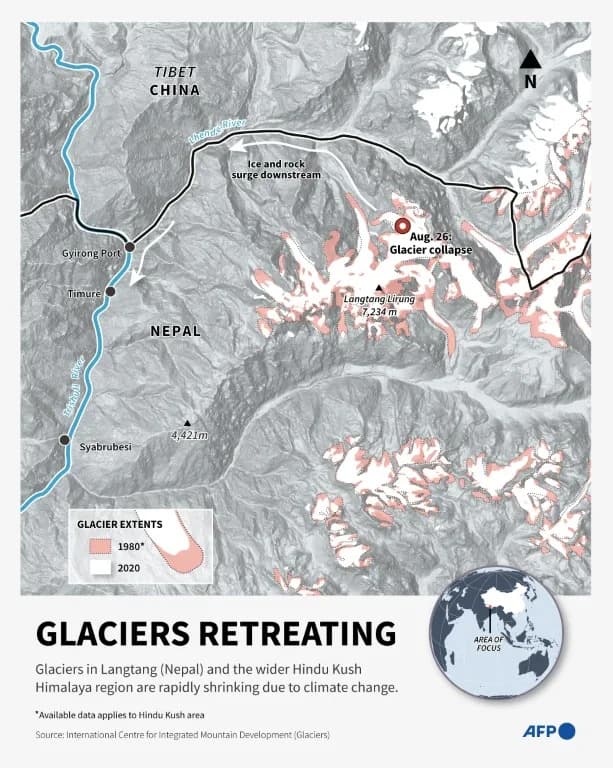
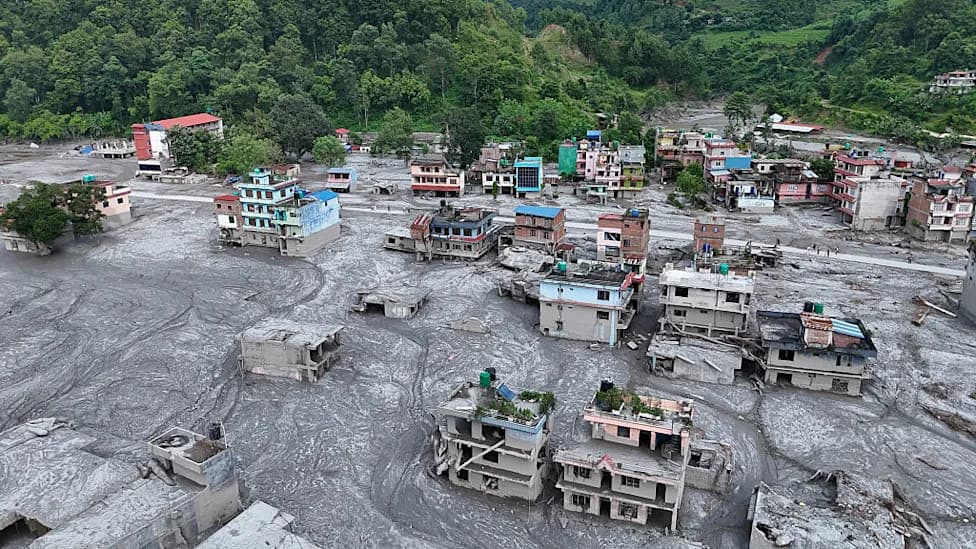
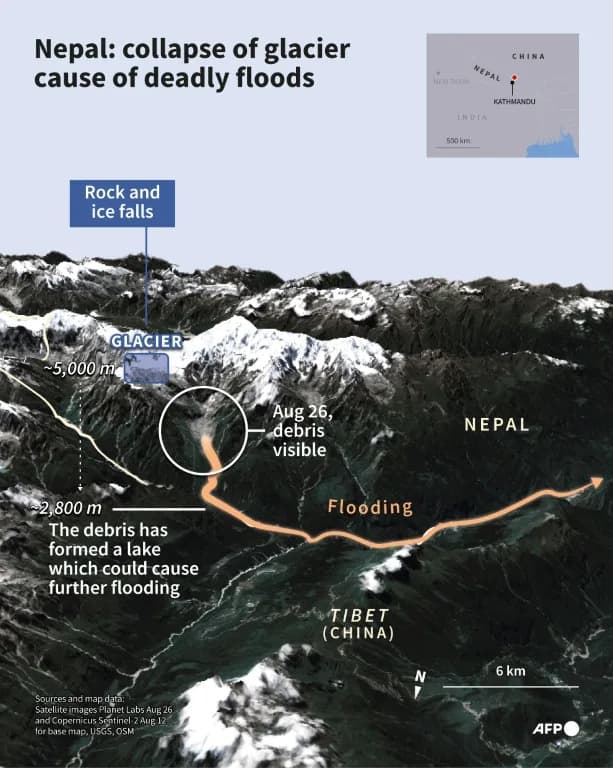
Nepal's foreign minister has urged wealthy countries to shoulder far greater responsibility for the mounting costs of climate-driven disasters after a catastrophic glacial collapse along the Nepal–China border left the Himalayan nation reeling.
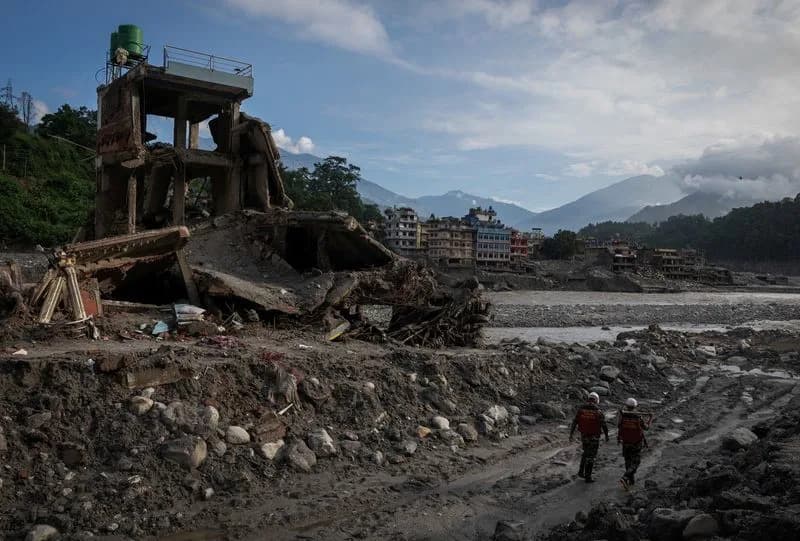
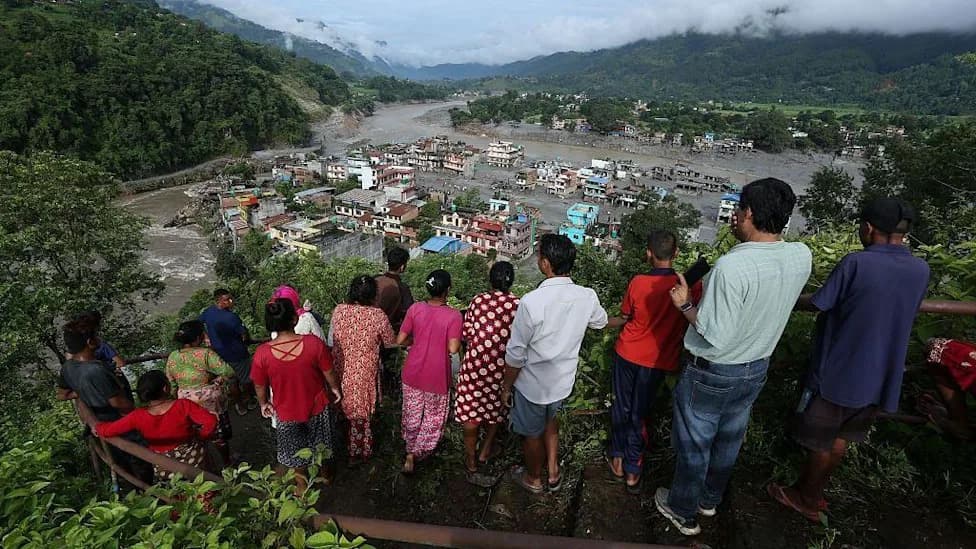
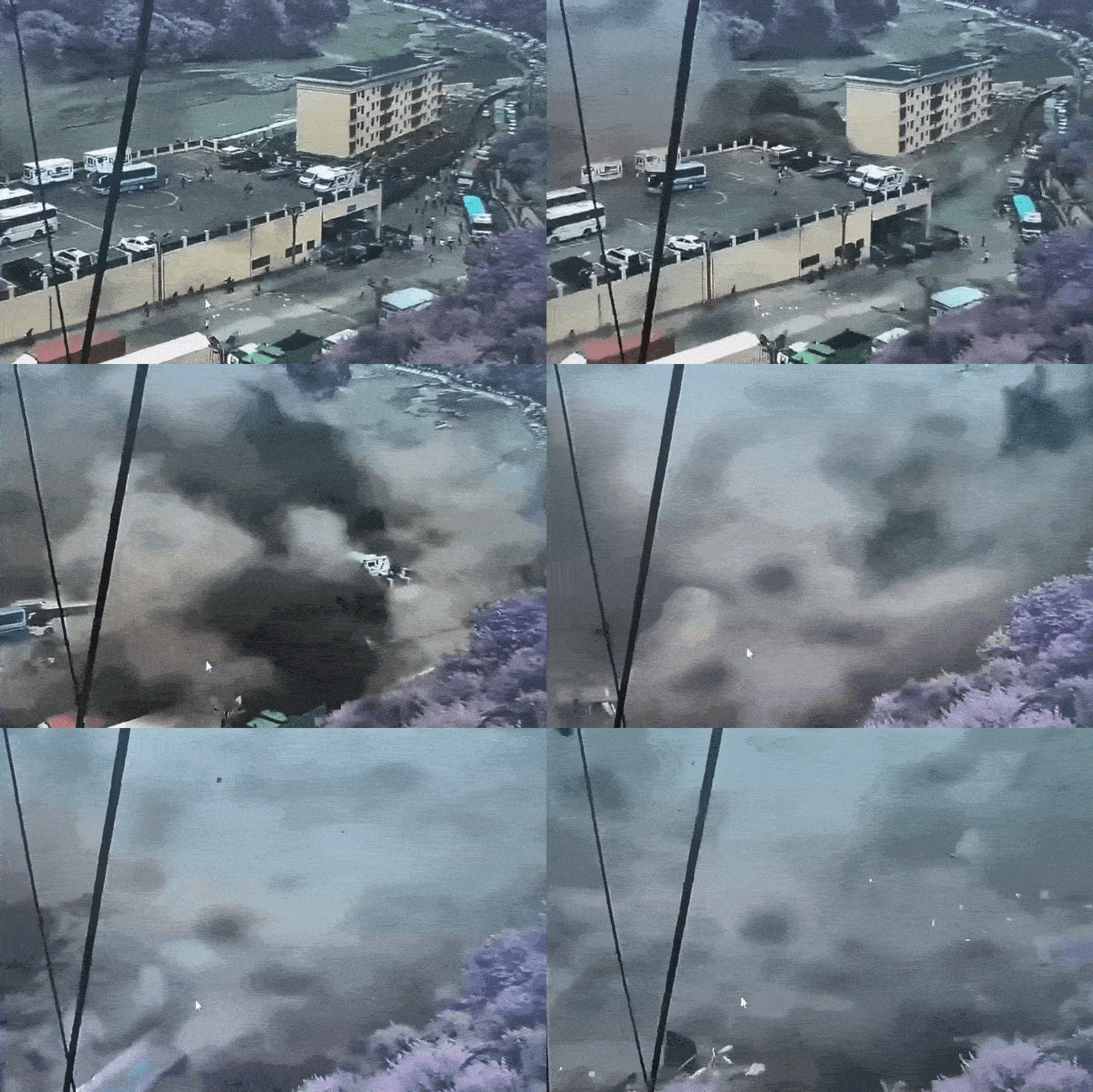
More Than 1,400 People Have Died And Nearly 6,000 Remain Missing after a tsunami-like flood late last month carved a path of destruction through mountain communities. Preliminary government estimates put the economic toll at about $5 billion.
Climate Justice And Losses
Speaking to AFP during the United Nations high-level week in New York, Foreign Minister Shisir Khanal said the disaster shows climate impacts are no longer theoretical. "These are becoming real, and the frequency of such disasters is likely to increase as temperatures rise and glaciers retreat," he said.
"So why should we, who have not had any contribution to this issue, only bear the burden?" — Shisir Khanal, Nepal Minister of Foreign Affairs
Scientists at World Weather Attribution (WWA) described the event as a "compound crisis", where local geological instability combined with long-term warming, glacier retreat and thawing permafrost to produce a catastrophic outcome.
Nepal's Low Emissions, High Vulnerability
Nepal contributes only about 0.1% of global greenhouse gas emissions. More than 90% of its electricity comes from hydropower, and the country is seeing rapid uptake of electric vehicles. Despite its negligible emissions, Nepal bears disproportionate climate risks.
International Aid And Funding Gaps
Khanal said discussions in New York produced some concrete pledges: the United States announced $31 million in flood recovery support, and he reported informal commitments from G7 members and a pledge of assistance from the UK. Regional neighbors and the Nepalese diaspora have also provided cash and rescue teams, and many citizens donated to the Prime Minister's Relief Fund.
However, Nepal's request to the UN's Loss and Damage Fund — $20 million, the maximum allowed — would cover only a tiny fraction of recovery and reconstruction needs. The fund, created in 2022, has been slow to disburse and remains underfunded, making Nepal a critical early test of its effectiveness.
Call For Long-Term Resilience
Khanal stressed that wealthy countries should go beyond short-term relief to provide sustained financing for resilient infrastructure, early-warning systems and advanced monitoring. He said Nepal needs technical and financial assistance to develop satellite monitoring of glacier melt rates and more sophisticated disaster forecasting.
Jeremy Konyndyk, a former USAID official, has criticized earlier aid cuts to Nepal that reduced support for flood forecasting and glacier inventories. Nepalese officials say restoring and expanding such programs is essential to prevent or mitigate future catastrophes.
What Comes Next: Nepal is seeking major international support to rebuild, upgrade early-warning systems and adapt to accelerating climate risks. The country's plight highlights the widening gap between those who caused global warming and those who suffer its worst consequences.
Help us improve.