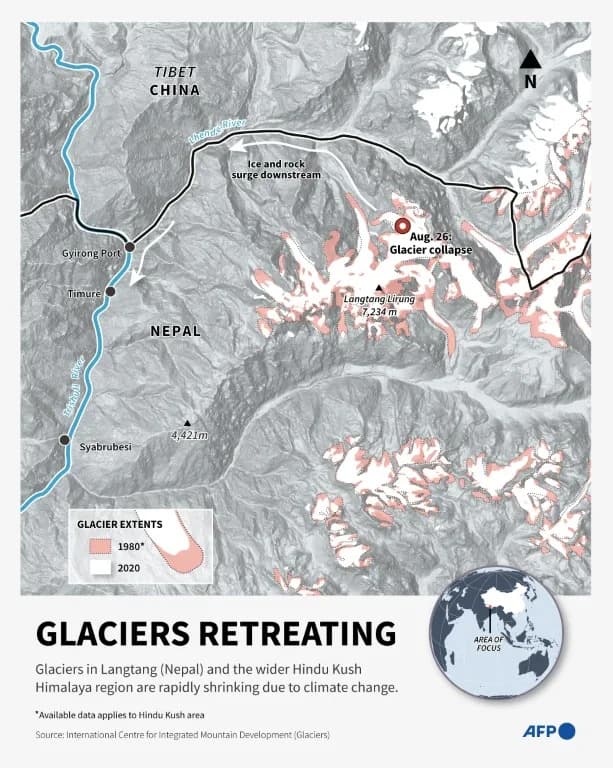
Nepal is seeking $5 billion in initial recovery funds after a Himalayan glacier collapse and subsequent floods killed at least 1,300 people and left more than 5,300 missing across Nepal and Tibet. Kathmandu will frame the appeal as a climate justice case when presenting a five-month recovery plan to the World Bank, ADB and major diplomatic missions ahead of the prime minister's U.N. address on Sept. 24. Officials are finalising a detailed damage-and-needs assessment but warn that international pledges after disasters can be slow to convert into on-the-ground aid.
Nepal Urges $5B Climate-Justice Rebuild After Himalayan Glacier Collapse
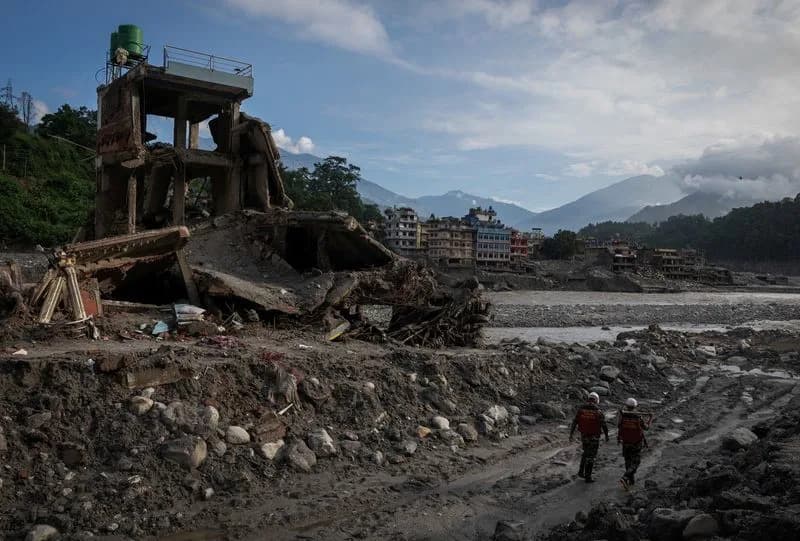
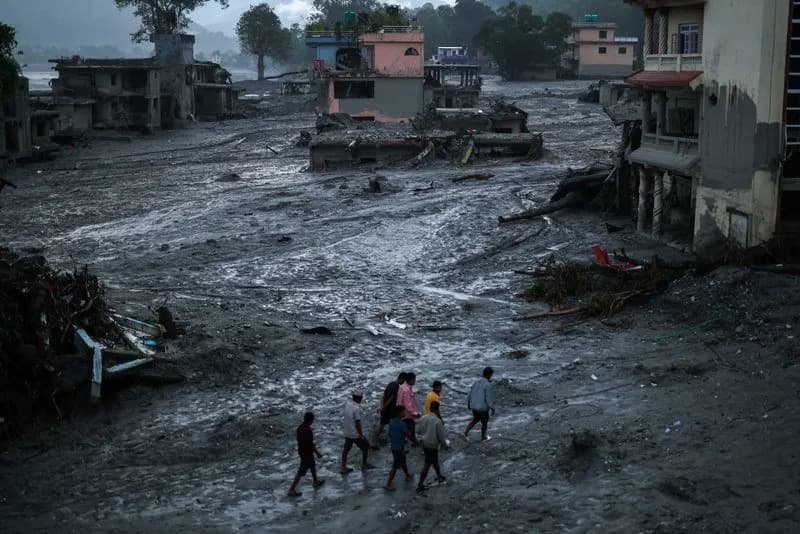
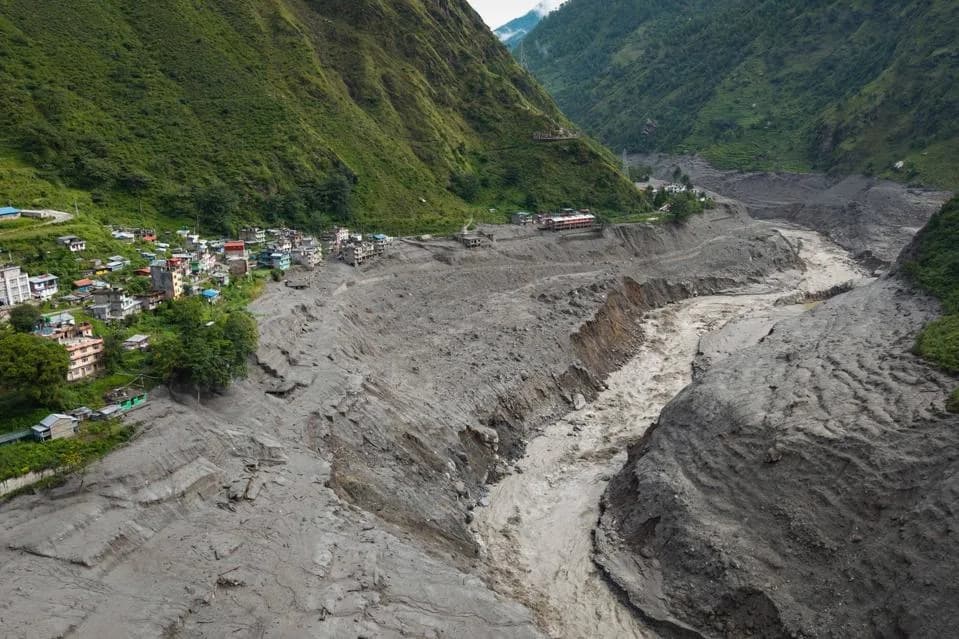
Members of the Nepal Army rescue team walk past the damaged houses, following deadly flash floods and a mudslide, in Trishuli, Nuwakot district, Nepal, September 8, 2026. REUTERS/Adnan Abidi
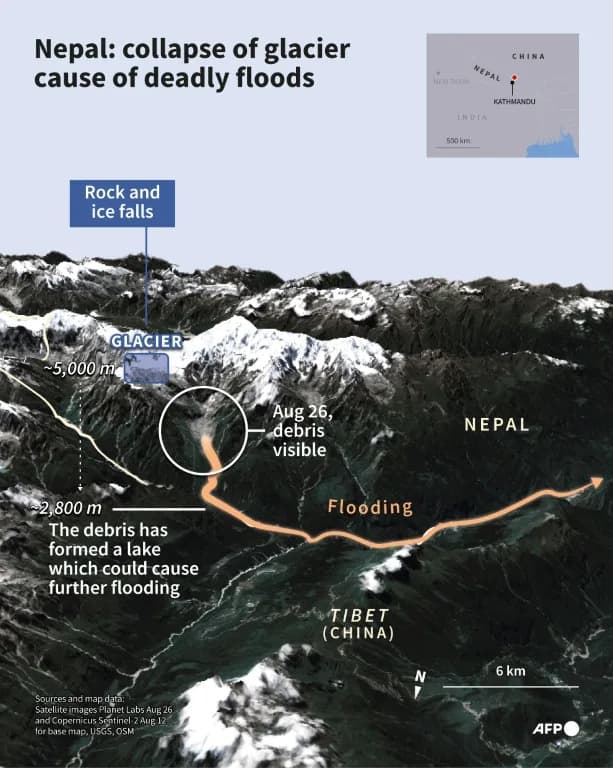
Kathmandu — Flood-ravaged Nepal will this week press wealthier nations and international lenders for $5 billion to fund an initial five-month rebuilding phase after a late-August Himalayan glacier collapse devastated communities downstream, officials said.
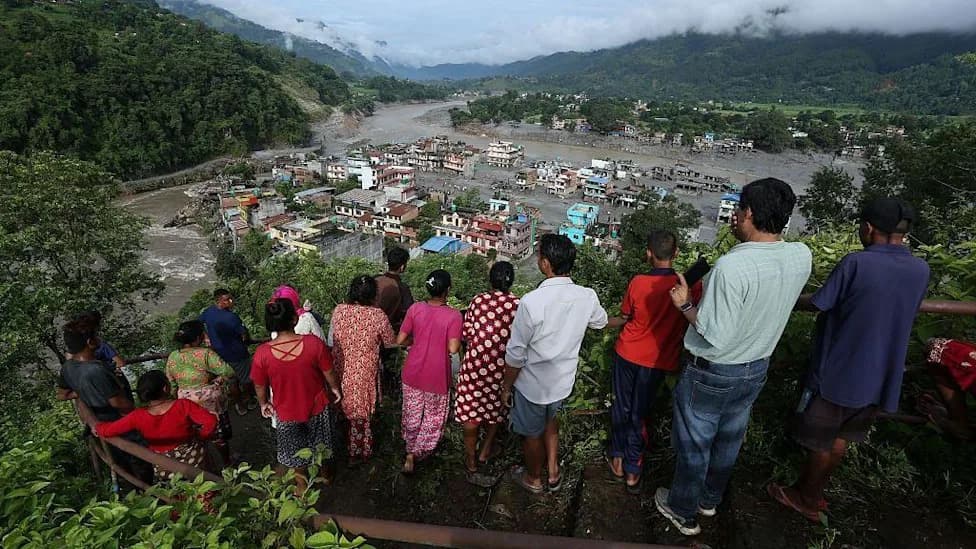
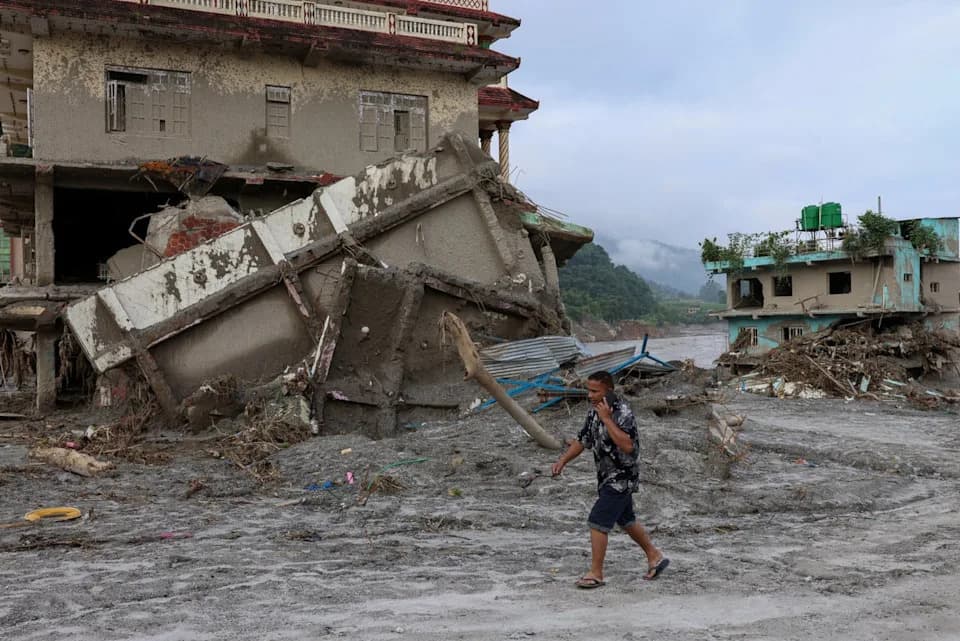
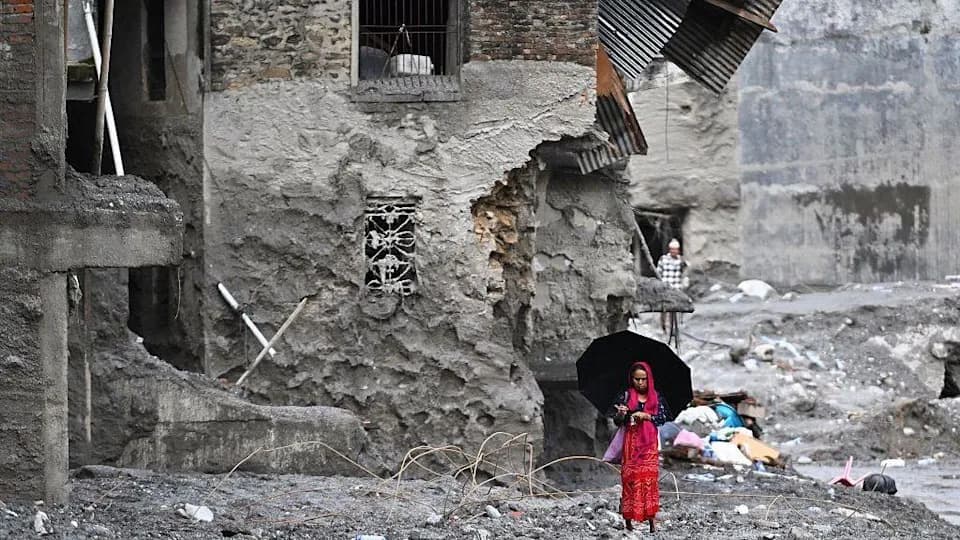
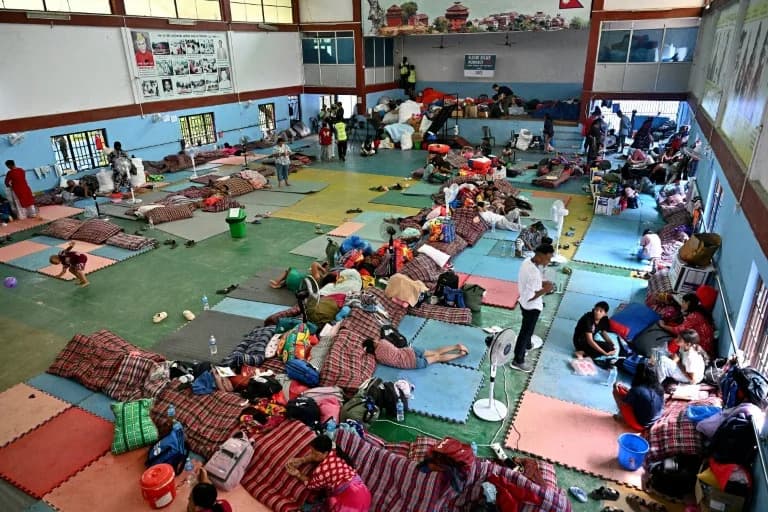
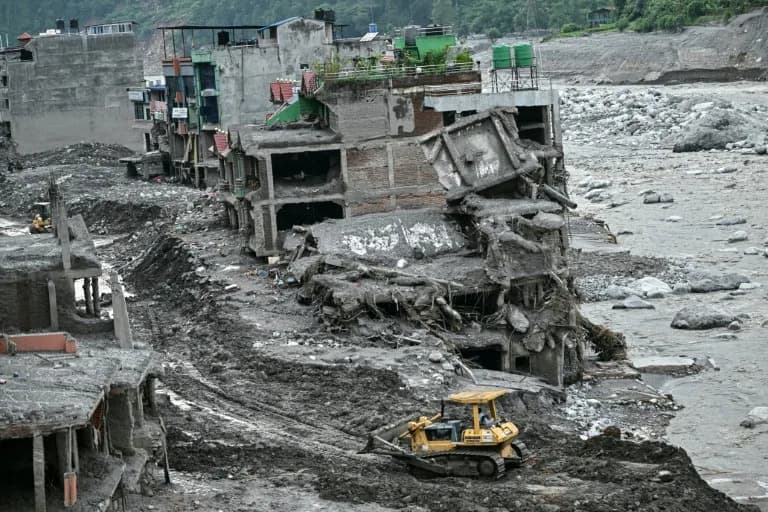
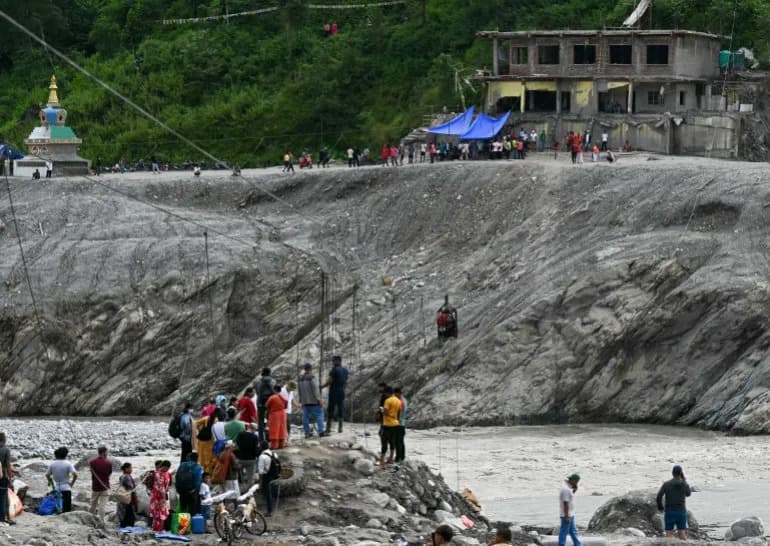
Authorities have confirmed at least 1,300 deaths and say more than 5,300 people remain missing across Nepal and China's Tibet region. The floodwaters destroyed more than a dozen hydropower plants and washed away cross-border trade routes, roads, bridges, homes and other critical infrastructure — with Nepal bearing the brunt of the damage.
Climate Justice At The Fore
Nepal plans to frame the funding request as a climate justice issue in meetings with the World Bank, the Asian Development Bank (ADB) and diplomatic missions including the United States, Britain, India, China, Japan and the European Union, Disaster Management Chief Dharam Raj Uprety told Reuters.
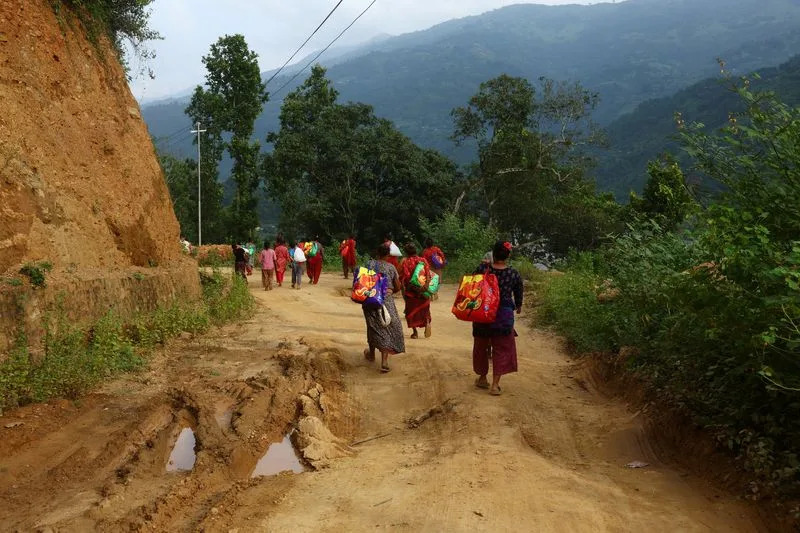
Women walk back to their village, carrying humanitarian aid they received from relief workers following the deadly flash floods and mudslides in Tarkeshwar, Nuwakot district, Bagmati province, Nepal, September 8, 2026. REUTERS/Anushree Fadnavis
"It's not only a disaster induced by flood, it's massive. A disaster induced by climate change..." Uprety said.
Officials argue the disaster highlights the disproportionate burden that climate change places on poorer countries that have contributed little to global emissions. Prakash Pokhrel, a geologist at the National Disaster Risk Reduction and Management Authority, said donors should acknowledge that responsibility.
"We need not say what is causing climate change because you already know why climate change is happening and who is contributing the most to it," Pokhrel said. "Countries like Nepal don't contribute significantly to climate change, but they are facing this level of disaster. So why should it not be a shared responsibility among the global community?"
Funding, Donor Outreach And Risks
Nepal's initial $5 billion estimate covers the first phase of recovery over five months. The government is finalising a detailed damage-and-needs assessment that will outline requirements for temporary shelters, schools, power and transport infrastructure.
Officials will share the plan with multilateral lenders and major embassies ahead of Prime Minister Balendra Shah's address to the United Nations on Sept. 24, where he is expected to press for stronger support for climate-vulnerable developing countries.
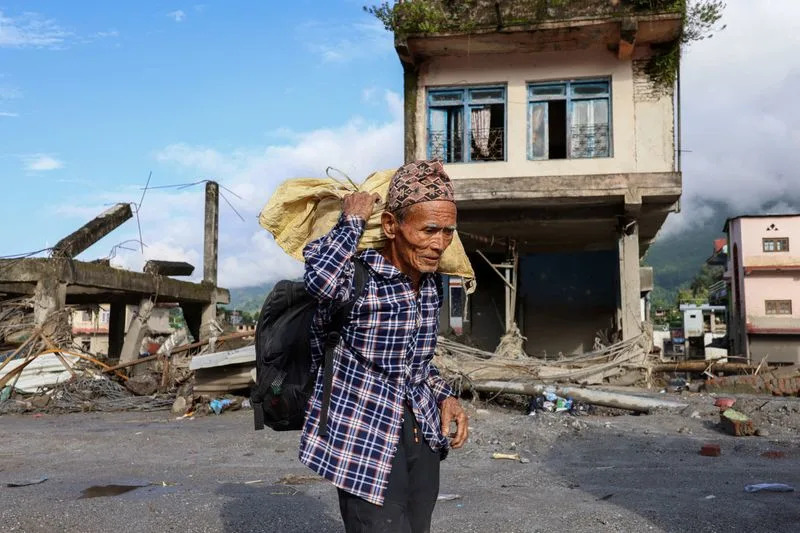
A man carries personal belongings on his back as he walks past flood-damaged houses, following deadly flash floods and a mudslide, in Devighat, Nuwakot district, Nepal, September 9, 2026. REUTERS/Tyrone Siu TPX IMAGES OF THE DAY
But officials cautioned that international pledges after major disasters can be slow to translate into usable funds. They pointed to Pakistan's response to its 2022 floods: about $11 billion in international pledges were made, but a significant portion was earmarked for oil imports rather than direct reconstruction, and the government estimated only $3.4 billion had been disbursed by early 2024.
What Comes Next
Nepal will use the upcoming donor outreach to press for financial commitments tied to climate responsibility and to expedite disbursement for urgent recovery needs. The government and aid partners face the immediate task of turning assessments into on-the-ground support for displaced families, damaged schools and shattered infrastructure.
Reporting: This account is based on government statements and Reuters reporting.
Help us improve.