The Bezos Earth Fund awarded $25 million in six grants to conserve about 625,000 square miles of tropical Pacific ocean, backing MPAs in Cook Islands, Kiribati, Papua New Guinea, Tonga and Vanuatu and supporting high-seas coordination. This is the second tranche toward a $100 million pledge; the fund has now disbursed $63.3 million across 17 countries. Grants will finance planning, legal designation, enforcement, monitoring and long-term trust funds to help Pacific communities protect biodiversity and sustain livelihoods.
Bezos Earth Fund Pledges $25M To Protect 625,000 Sq Miles Of Tropical Pacific Ocean
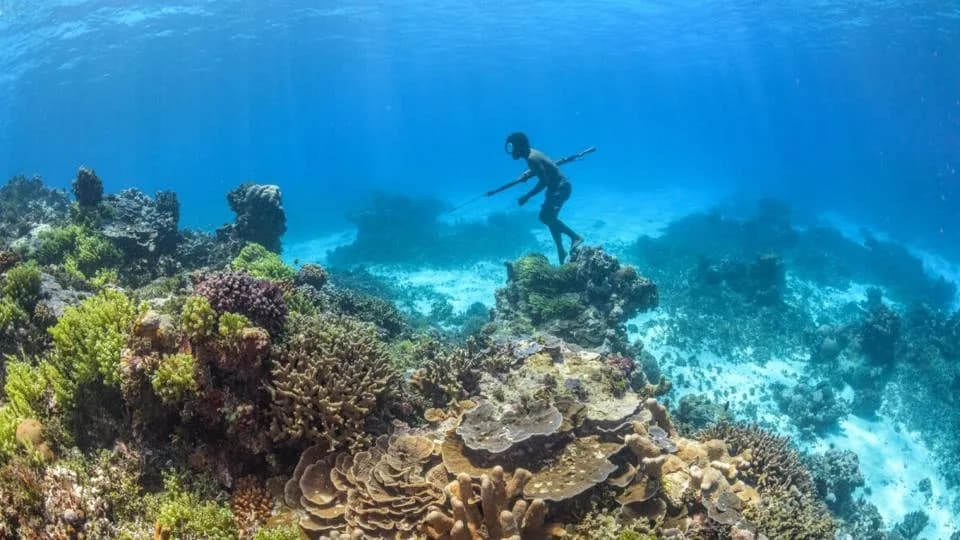
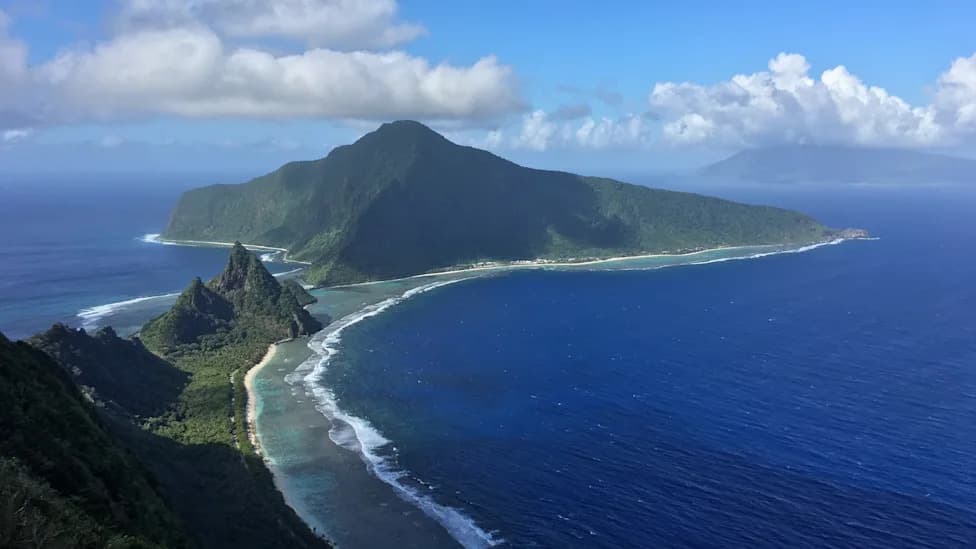
Pacific Islanders depend on the ocean for food and income, making it even more urgent to keep marine areas healthy into the future.WCS
The Bezos Earth Fund has awarded six grants totaling $25 million to conserve roughly 625,000 square miles of ocean in the tropical Pacific—an area larger than Alaska. The funding supports Pacific-led efforts to strengthen marine protected areas (MPAs) in the Cook Islands, Kiribati, Papua New Guinea, Tonga and Vanuatu and to advance coordinated high-seas protections.
Context And Scale
This is the second tranche of the Earth Fund’s $100 million pledge for Pacific-led ocean conservation announced in December 2023. Earlier disbursements included $37.5 million awarded last September; to date the fund has contributed $63.3 million across 17 countries. These grants advance the goals of the intergovernmental Pacific Community’s Unlocking Blue Pacific Prosperity initiative, under which 22 nations and territories have committed to sustainably manage 100% of their maritime zones and protect at least 30% of their ocean by 2030—an ambition that would conserve about 9 million square kilometers (roughly the size of China or the United States).
How The Funds Will Be Used
The grants will be deployed for a mix of activities tailored to country needs, including:
- Designing and legally establishing new marine protected areas;
- Strengthening enforcement, surveillance and monitoring in existing MPAs;
- Developing long-term, sustainable financing mechanisms (trust funds and endowments);
- Supporting regional collaboration on transboundary and high-seas corridors; and
- Building local capacity and community-led management approaches.
"Out there, the ocean isn't just a beautiful view. It's the road, the pantry, the backyard." — Lauren Sánchez Bezos, Vice Chair, Bezos Earth Fund
Selected Grants And Partners
Highlights from the second funding round include:
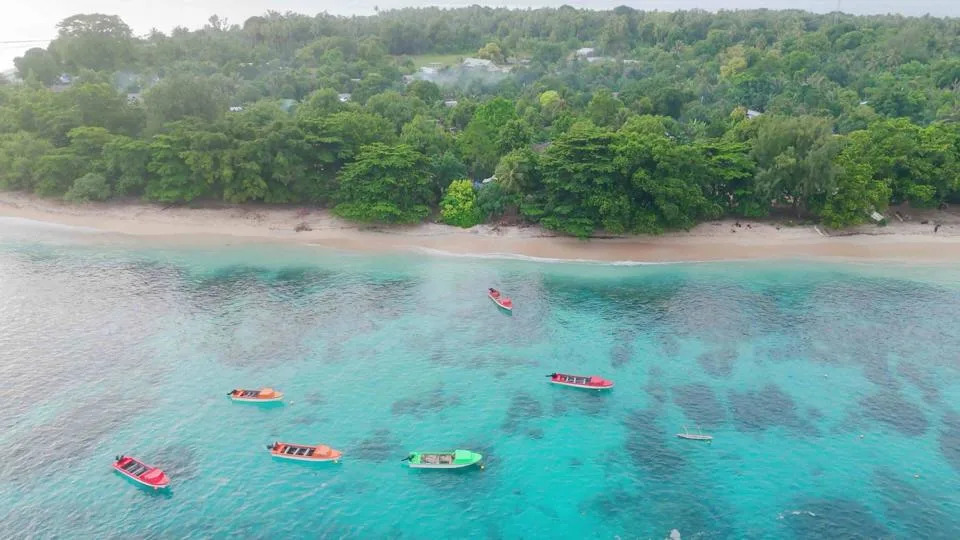
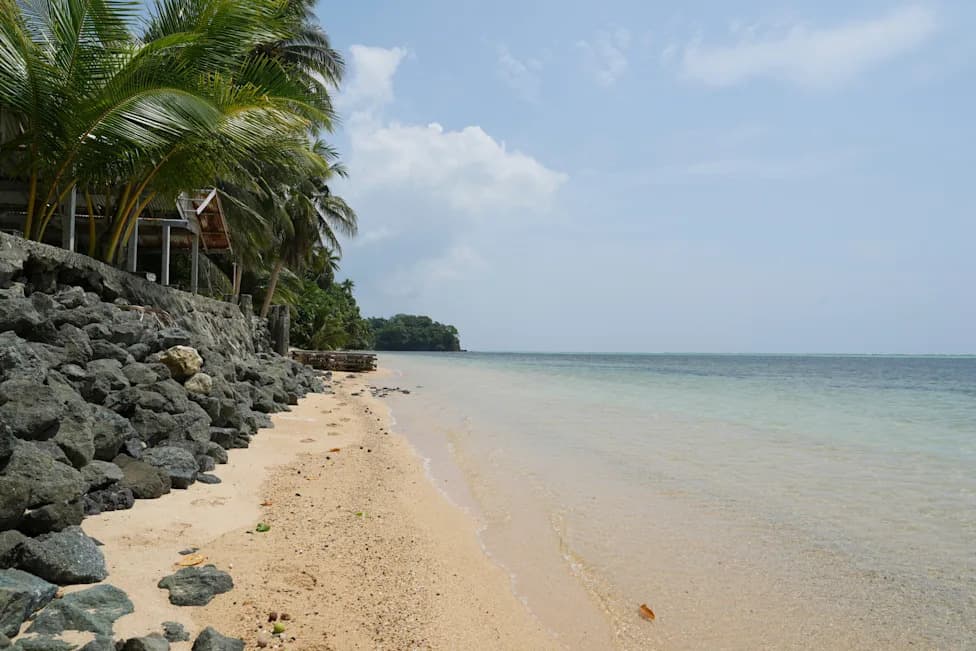
Coastal communities like this one in Vanuatu are key for creating and managing marine protected areas in the Pacific.
- Cook Islands — BirdLife International: support for Marae Moana (a marine park covering more than 734,000 square miles), enhancing surveillance and management to protect species such as giant manta rays and oceanic whitetip sharks.
- Kiribati — Live & Learn Environmental Education: planning, legal designation of priority marine areas, improved monitoring and enforcement, and development of long-term financing.
- Papua New Guinea — Wildlife Conservation Society: design and implementation of the country’s first large-scale offshore MPA in the Coral Triangle.
- Tonga — TierraMar: support to reach a 30% protection target through new MPAs and long-term funding to protect migratory species like humpback whales.
- Vanuatu — Live & Learn Environmental Education: legal designation of offshore conservation areas and expanded community-led marine management.
- Regional/High Seas — Rare: assistance for Pacific governments to protect connected corridors in the high seas and to develop proposals under the new international framework.
International Frameworks And Regional Collaboration
The UN High Seas Treaty (the Biodiversity Beyond National Jurisdiction agreement, or BBNJ) entered into force in January 2026, creating a pathway to establish MPAs in international waters. Several Pacific initiatives—such as the proposed Melanesian Ocean Corridor of Reserves and an Indigenous-led Melanesian Ocean Reserve—aim to protect millions of square kilometers through multinational cooperation. Grants will help governments navigate the new BBNJ processes and develop proposals for transboundary protection.
Why It Matters
For Pacific island peoples—about 15 million people across 22 nations—the ocean is central to food security, livelihoods and cultural identity. Protecting large ocean areas helps sustain fisheries (including tuna), safeguards migratory species (such as humpback whales), and builds resilience to climate change. The grants also aim to catalyze additional donor investment and to establish durable financing models, such as marine conservation trust funds, so protection efforts can be long-lasting.
These targeted investments emphasize locally led solutions, peer learning among Pacific nations, and scalable financing approaches to ensure that MPAs deliver both environmental and socio-economic benefits over the long term.
Originally published on Forbes.com.
Help us improve.