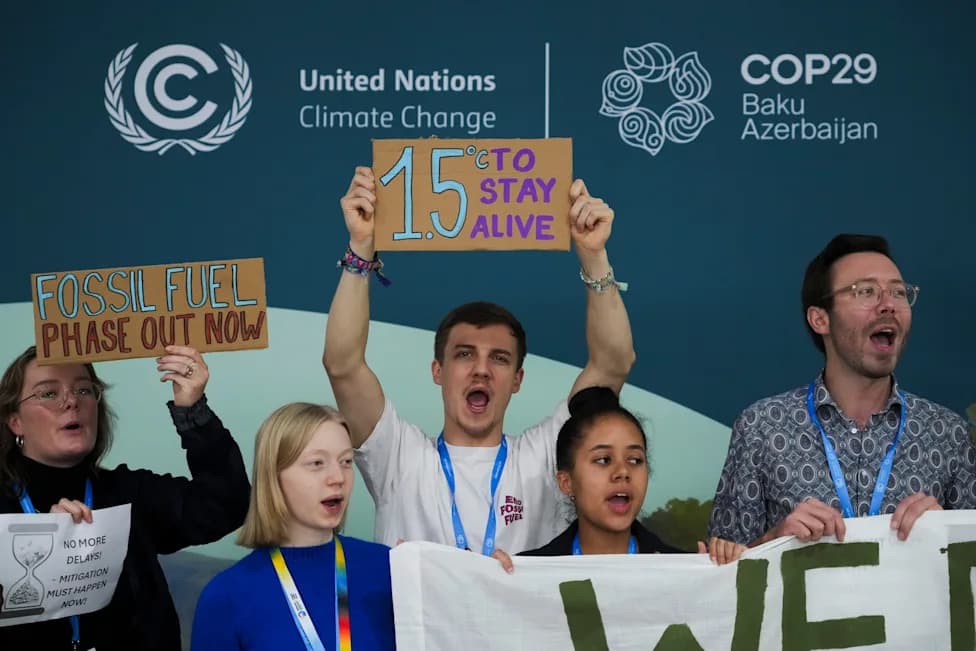
The UN Environment Programme now expects the world to reach 1.5°C of warming within a few years and projects at least 1.8°C even if current pledges are met. UN Secretary-General António Guterres urged faster fossil-fuel phaseouts, steeper methane cuts and a major increase in adaptation finance for vulnerable countries. UNEP proposes an 'overshoot, peak, decline' pathway combining immediate emissions reductions with large-scale carbon removal, while noting that technologies like CCS remain unproven at scale. Least Developed Countries are demanding faster delivery of finance, adaptation and loss-and-damage support ahead of COP31.
UNEP: World Likely To Overshoot 1.5°C — «Overshoot, Peak, Decline» Plan Urged to Pull Temperatures Back
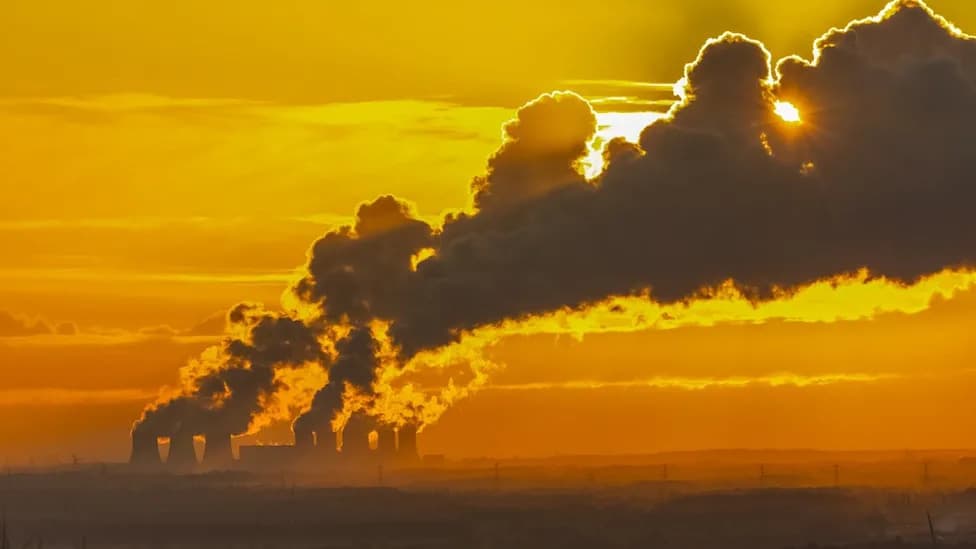
UN Warns World Must Prepare for Life Beyond 1.5°C
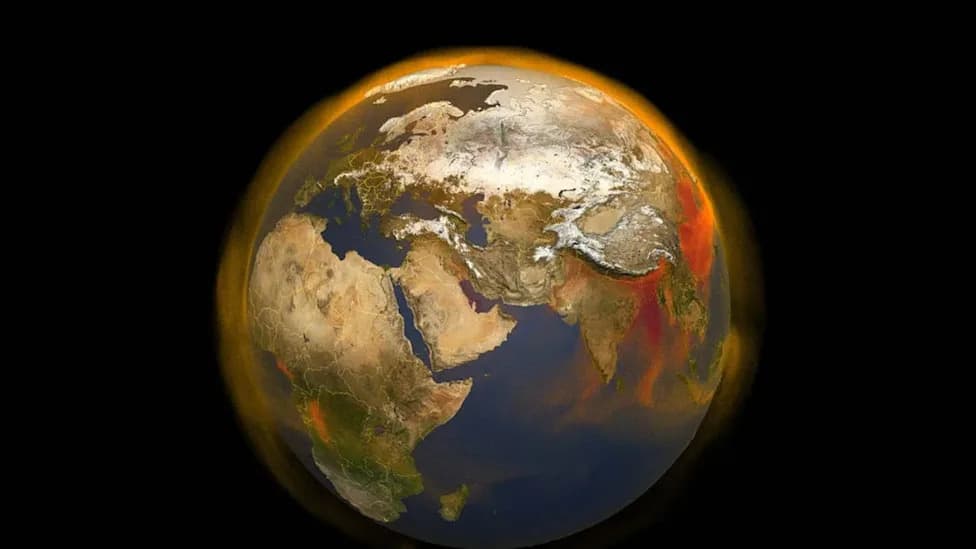
The United Nations Environment Programme (UNEP) has, for the first time, concluded that the world is likely to exceed 1.5°C of warming above pre-industrial levels within the next few years. The report warns that even if all current national pledges are fully implemented, global temperatures are projected to rise to at least 1.8°C.
Key Findings and Near-Term Risks
The UNEP assessment links higher temperatures to more frequent and intense heatwaves, floods, droughts and wildfires, accelerated glacier melt, rising sea levels and widespread coral bleaching. It also warns of possible disruptions to major Earth systems, including a weakening or collapse of ocean currents that redistribute heat globally.
Every fraction of a degree will cost lives, destroy livelihoods, deepen inequality, and push ecosystems closer to irreversible damage. — António Guterres
Calls For Urgent Action
UN Secretary-General António Guterres urged governments to accelerate the phaseout of fossil fuels, expand renewable energy rapidly, slash methane emissions, and protect forests, land and oceans. He called on developed countries to substantially increase adaptation finance and ensure funds reach the most vulnerable communities.
Overshoot, Peak, Decline: A Strategy To Bring Temperatures Down
Rather than accepting a permanently hotter world, UNEP lays out an 'overshoot, peak, decline' pathway: limit the duration of any overshoot above 1.5°C and then bring temperatures back down by the end of the century. This approach depends on two simultaneous imperatives: immediate, deep cuts to all greenhouse-gas emissions and large-scale removal of carbon dioxide from the atmosphere.
To achieve the decline phase, UNEP highlights natural measures such as mass tree planting alongside technological solutions including carbon capture and storage (CCS). The report acknowledges that CCS has been widely criticised and has yet to prove itself at commercial scale, so reliance on unproven technologies raises risks.
Political Context and Equity Challenges
Some observers criticised UNEP for not placing a sharper, explicit emphasis on immediately ending fossil-fuel production and use. While many nations pledged at a 2023 climate summit to transition away from oil, gas and coal, several are not on track to meet those promises. The report notes that the United States withdrew from the Paris Agreement under the Trump administration (2017) and later rejoined in 2021 — a sequence that has complicated global momentum.
In response to slow progress by wealthier nations, Least Developed Countries (LDCs) are pressing for concrete delivery. Ministers and representatives from LDCs met in Dili and adopted a ministerial declaration demanding finance, scaled-up adaptation, and action on loss and damage ahead of COP31.
Timescales And Outlook
UNEP warns that reversing the warming caused by a single decade could take roughly 50 years even if emissions fall rapidly. While the long-term shape of a recovered climate remains uncertain, the report stresses that every fraction of a degree avoided reduces risks — making urgent and collective action essential.
Author: Felicity Bradstock for OilPrice.com
Help us improve.