Nepal has become the first country to trigger emergency procedures under the UN's Fund for Responding to Loss and Damage after flash floods from a glacial lake collapse killed over 1,300 people in August 2026. Reconstruction is preliminarily estimated at $4–5 billion — about 10% of Nepal's GDP — while the FRLD's current per-disaster cap is roughly $20 million. The fund holds $822 million in pledges but only about $350 million is earmarked for disbursement; developing countries have already requested far more than that. Experts warn the shortfall will push vulnerable nations toward new debt and underscore the need to scale up global climate finance.
Nepal’s Devastating Floods Test New UN Loss-and-Damage Fund as Needs Vastly Outstrip Aid
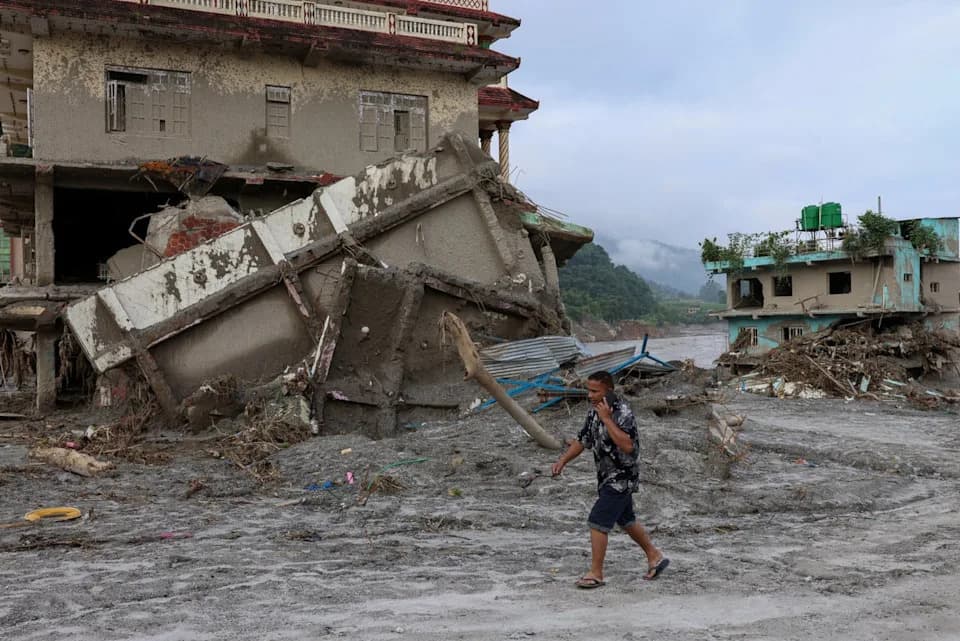
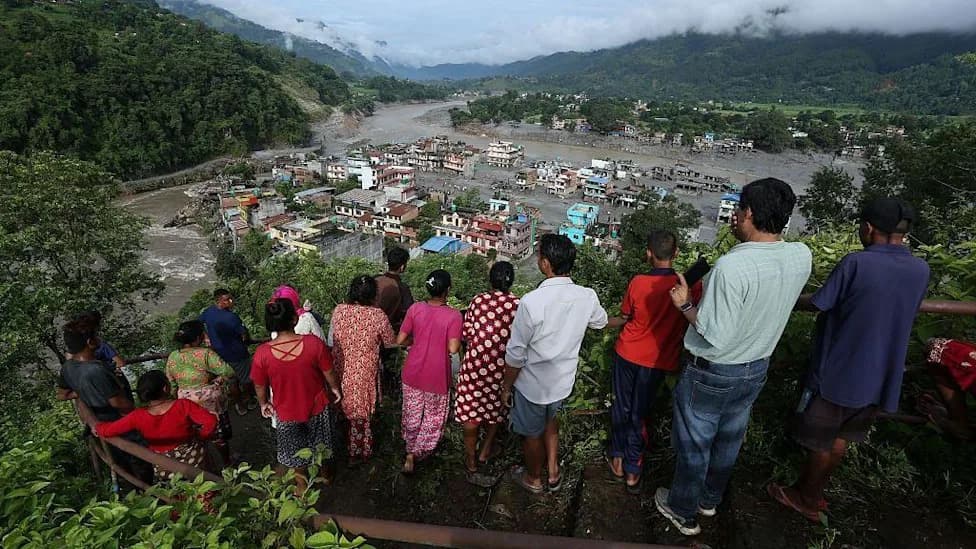
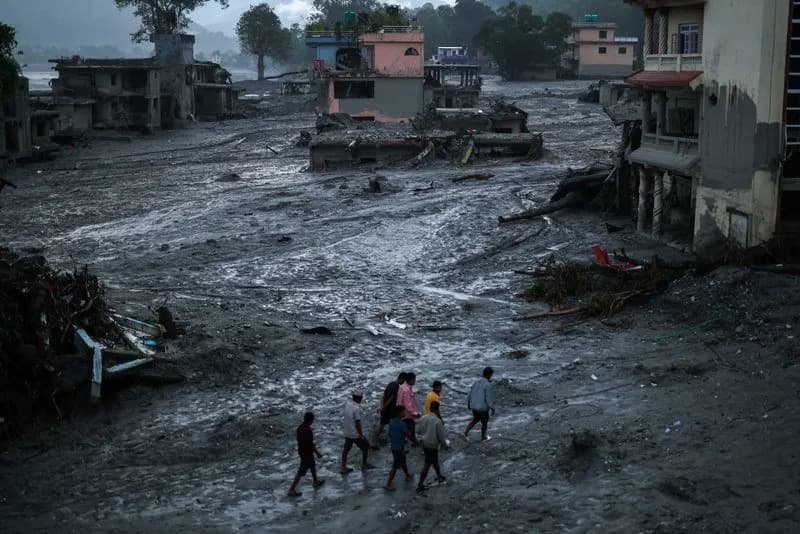
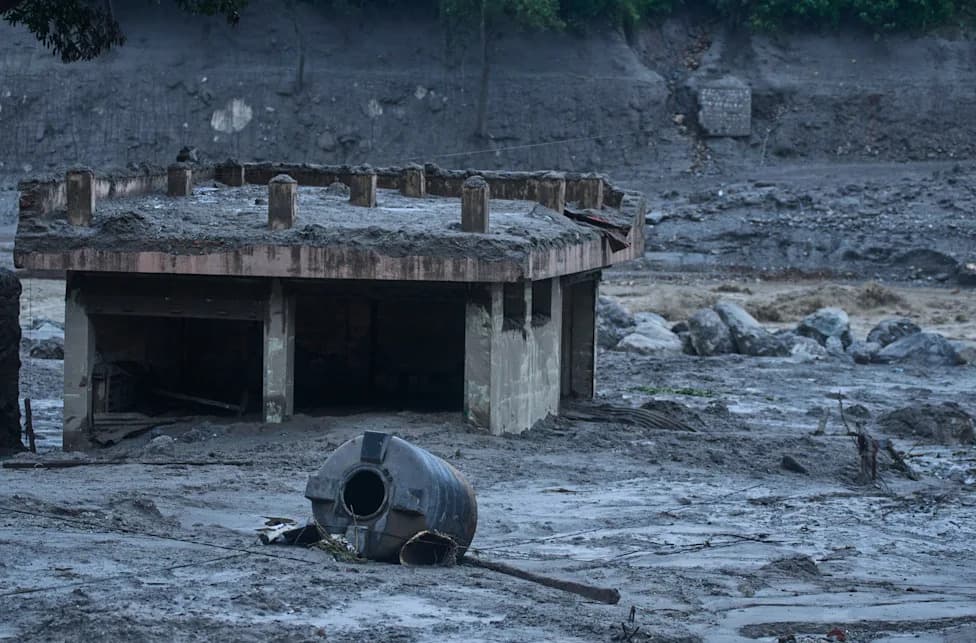
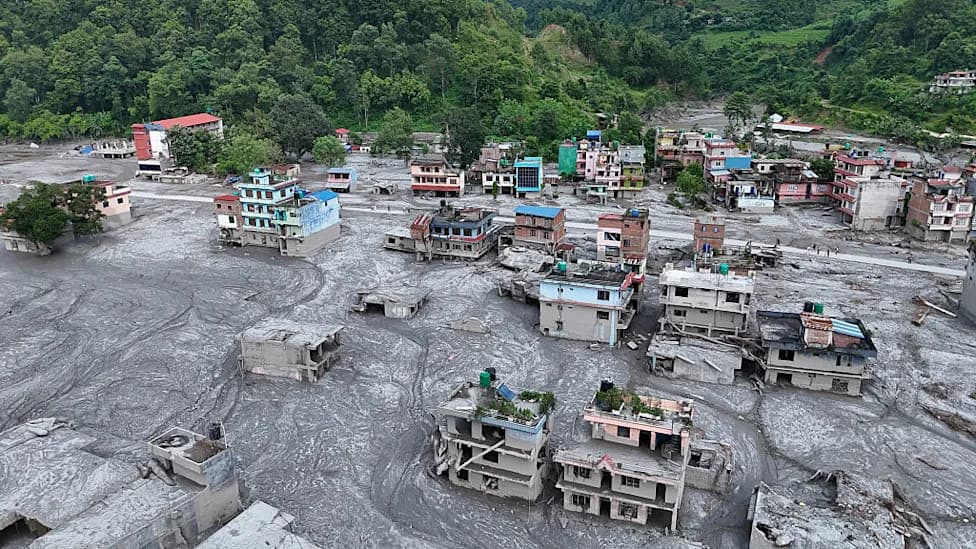
A man walks past damaged houses following deadly flash floods in Devighat, Nepal, on 8 September 2026 (Reuters)
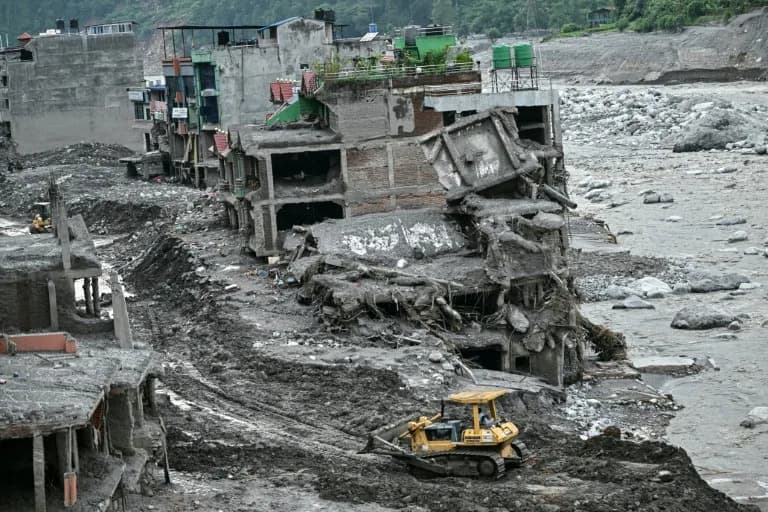
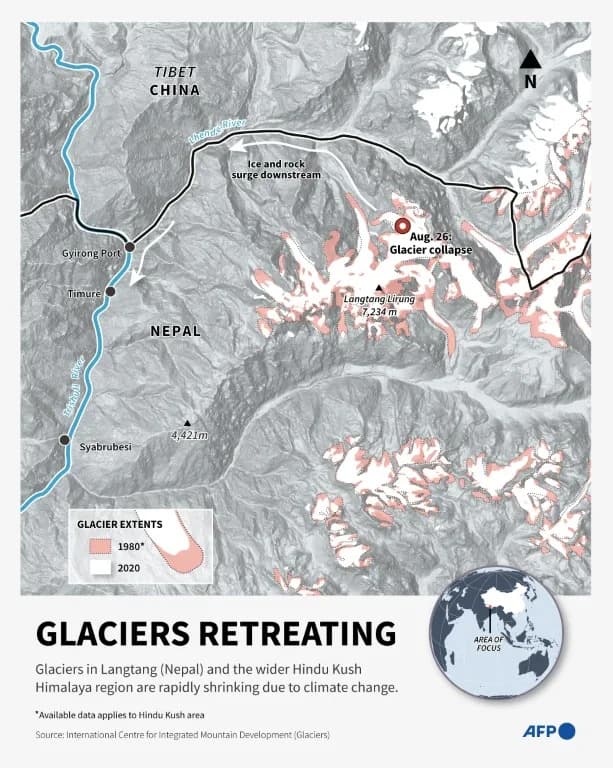
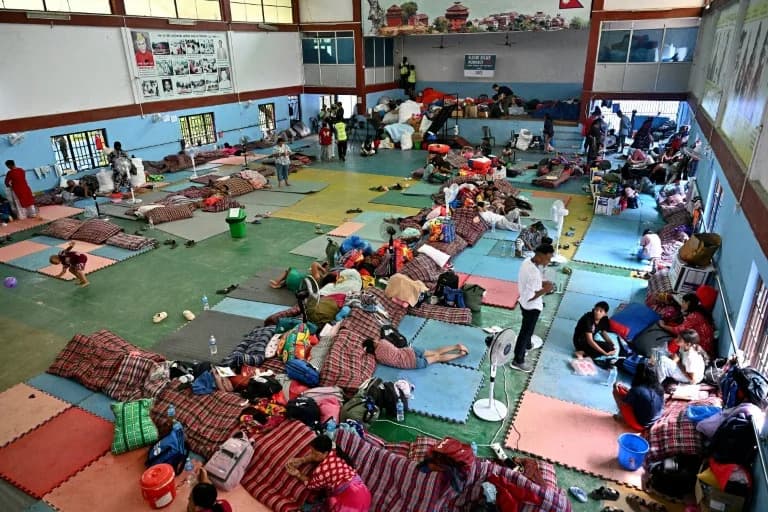
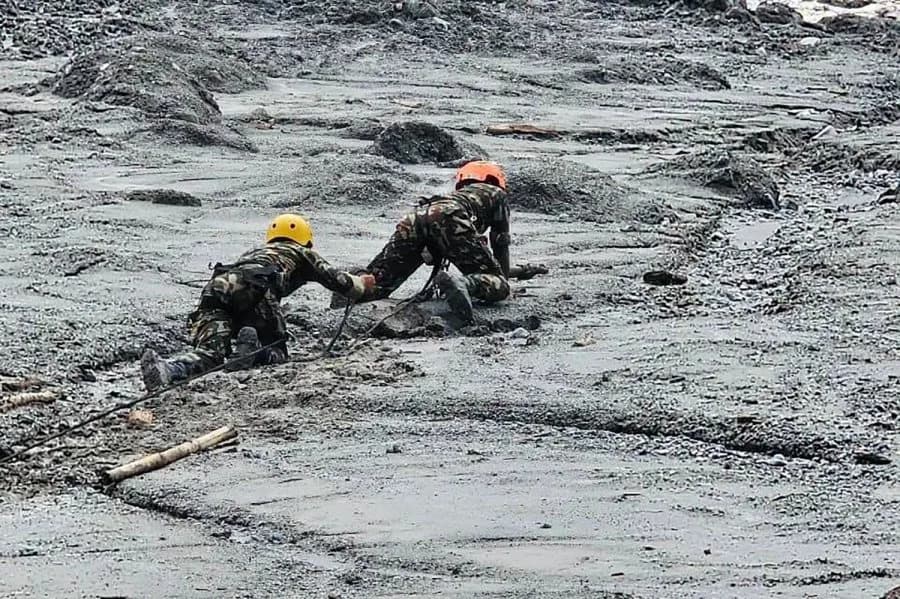
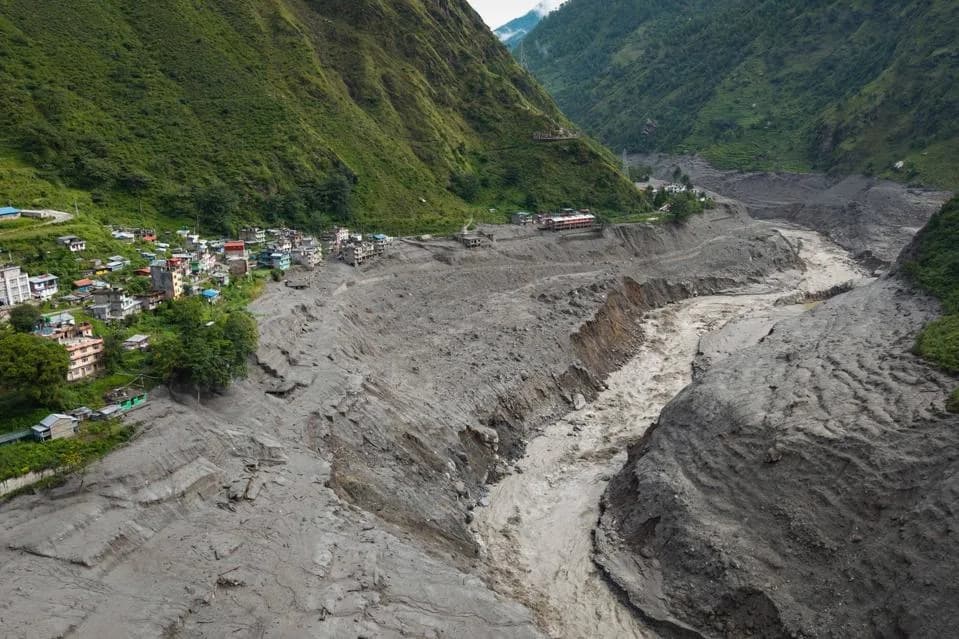
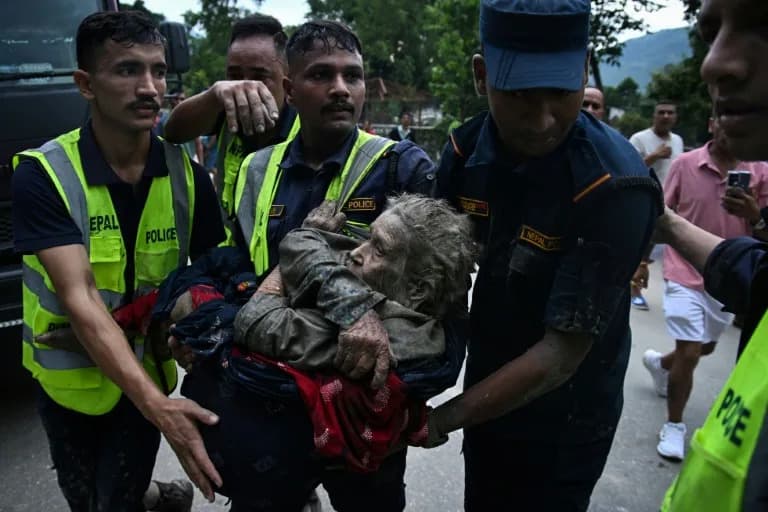
Nepal has become the first country to formally invoke the emergency procedures of the United Nations' Fund for Responding to Loss and Damage (FRLD) after flash floods triggered by the collapse of a glacial lake killed more than 1,300 people in late August 2026 and left thousands missing. The catastrophe has exposed a major gap between immediate humanitarian needs and the limited financing available through newly created global mechanisms.
Scale of the Disaster and Cost of Recovery
Finance Minister Swarnim Wagle has given a preliminary reconstruction estimate of $4–5 billion — roughly 10% of Nepal's annual GDP — a sum the country cannot shoulder alone. That figure is more than 200 times the current per-disaster cap the FRLD applies, underscoring how inadequate existing emergency financing can be for major climate-linked events.
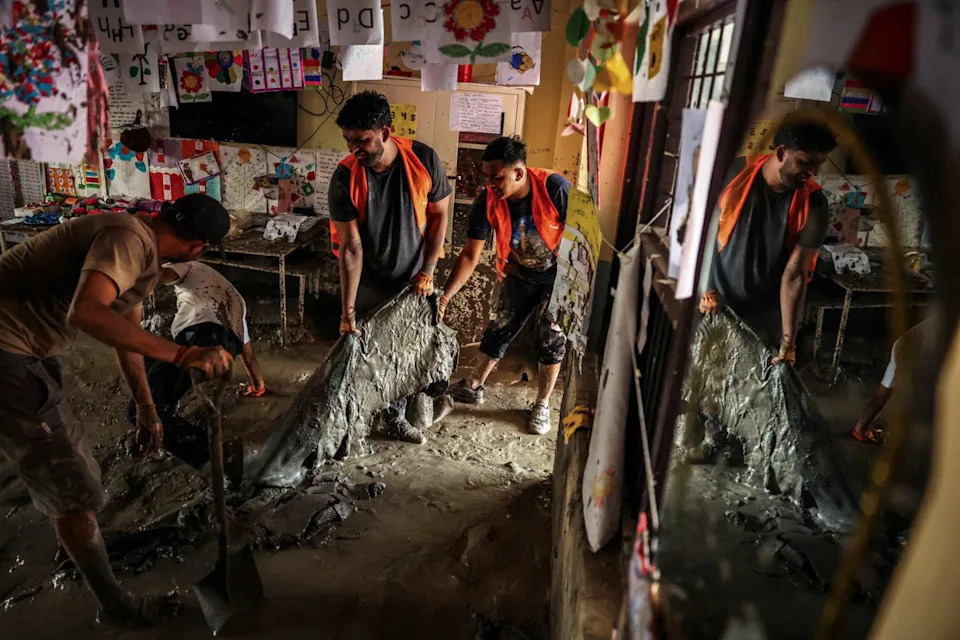
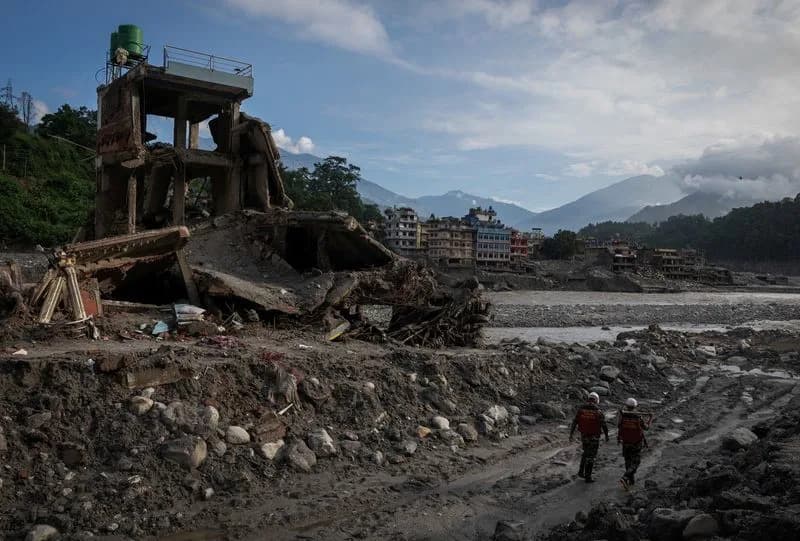
Volunteers remove sludge from a classroom at Shree Bagheswori Madhyamik School in Galchhi, Nepal, on 31 August 2026 (Reuters)
What the FRLD Can Do Now
The FRLD, established by the UN in 2023 to help developing countries recover from climate disasters they did not cause, holds $822 million in total pledges; only about $350 million is currently earmarked for disbursement. The fund's operational rules set an effective cap of $20 million per disaster under the pilot disbursement approach. After Nepal's finance and environment ministries formally requested support, several developing-nation board members called an emergency meeting to consider a provisional allocation.
Richard Sherman, a South African FRLD board member, said the board could be in a position to approve emergency disbursement within a month or two if procedures move quickly.
Why This Is a Critical Test
As of early September 2026, the FRLD had not yet approved any projects or delivered funds to any recipient country. Under regular procedures, applications can take six to eight months to process; the emergency path aims to compress that to six to eight weeks. Yet even if the FRLD approves the maximum emergency payment, the expected allocation for Nepal — roughly $20 million — would cover less than 1% of the country’s estimated rebuilding needs.
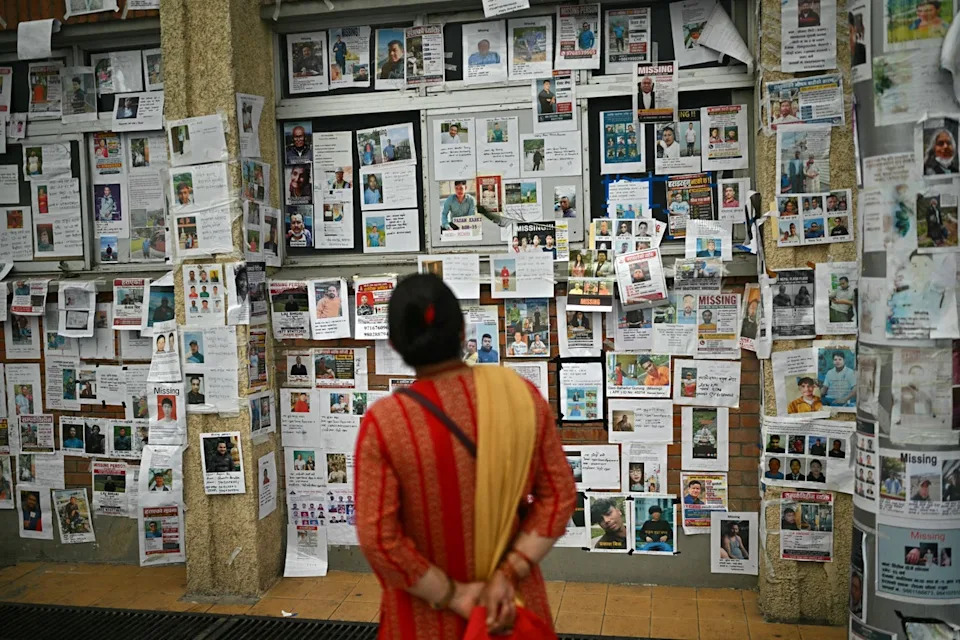
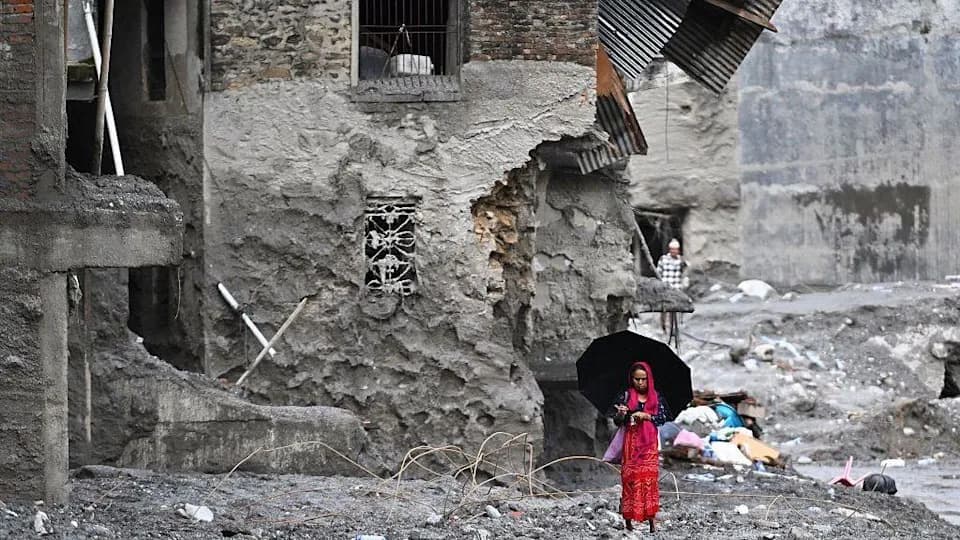
A woman looks at photographs of missing persons outside a morgue in Kathmandu on 9 September 2026 (AFP/Getty)
Andreas Sieber of 350.org said Nepal's case is a real-world test of whether the fund can deliver on its founding promise: 'There is not enough money to cover these disasters and people are left alone with those impacts, or governments in poor countries that are already strained have to deal with them.'
Broader Financing Shortfalls and Consequences
Demand already exceeds available resources. Developing countries have submitted about 180 applications totaling $2.8 billion, far more than the FRLD can disburse today. Experts warn the shortfall will force affected countries to take on loans from institutions such as the World Bank, increasing sovereign debt burdens. After Pakistan's catastrophic 2022 floods, for example, Islamabad accepted billions in new loans to rebuild — a pattern observers say amounts to a 'double injustice' for the least responsible countries.
Harjeet Singh, who helped design the fund, warned that the FRLD 'doesn't even have a billion dollars' available for the scale of loss and damage developing countries face.
Politics, Priorities and the Road Ahead
The FRLD board has opted to begin a pilot disbursement phase now — using available funds to test systems and get money out the door — while a longer-term operational model is scheduled to be agreed by December 2026 ahead of a replenishment process expected to take one to two years. Observers note other funding setbacks: the Green Climate Fund lost $3 billion in pledged support after the US withdrew and the UK has recently cut its climate finance contributions.
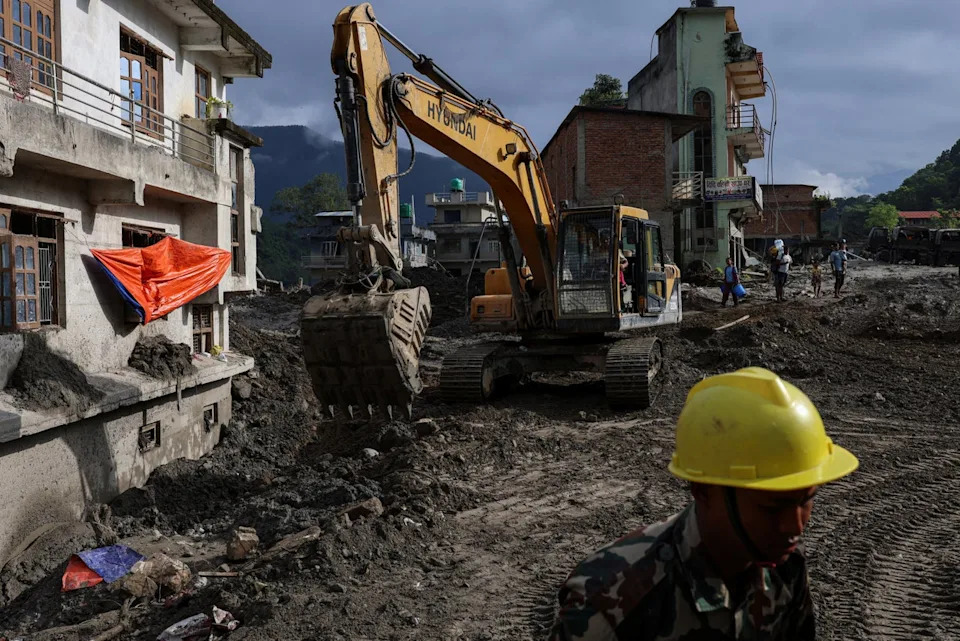
An excavator clears mud and debris from a road in Devighat, Nepal, on 10 September 2026 (Reuters)
Nepal’s leadership has framed the disaster as a matter of climate justice. President Ramchandra Paudel has lodged a formal appeal internationally, and Prime Minister Balendra Shah plans to raise the issue at the UN General Assembly. But with current global financing far below expert estimates — studies suggest developing countries may need around $400 billion annually to cover climate-driven loss and damage — Nepal’s crisis may remain a stark illustration of the mismatch between need and available global aid.
What Comes Next
In the weeks ahead, the FRLD board's emergency deliberations will indicate whether the fund can move quickly and transparently under pressure. Even with an expedited approval, experts expect Nepal will require additional support from bilateral donors, multilateral lenders, and possibly debt relief measures to avoid long-term economic damage. The outcome will also influence negotiations on replenishing and scaling up international climate finance ahead of upcoming UN climate talks.
Help us improve.