The UK will provide £331 million ($438.24m) to the Global Environment Facility to help prevent instability caused by climate change and biodiversity loss, focusing on food and water security and protecting ecosystems such as the Amazon and Congo Basin. Foreign Secretary Ed Miliband urged leaders at New York Climate Week to fold climate and ecological risks into defence, intelligence and strategic planning. Officials say energy-market shifts underline why climate and security must be addressed together ahead of COP31.
UK Pledges £331 Million To Tackle Climate-Linked Security Risks — Funds To Protect Food, Water And Forests
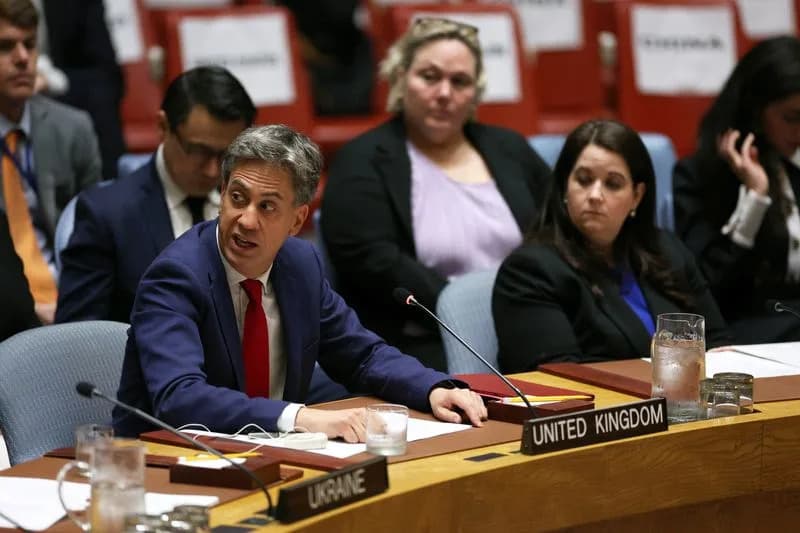
Britain's Foreign Secretary Ed Miliband attends a meeting of the United Nations Security Council on Ukraine during the 81st United Nations General Assembly at UN Headquarters in New York City, US, September 23, 2026. REUTERS/Shannon Stapleton
Britain announced on Wednesday it will commit £331 million ($438.24 million) to address instability driven by climate change and biodiversity loss, saying environmental shocks are increasingly being treated as national security risks.
Funding And Focus
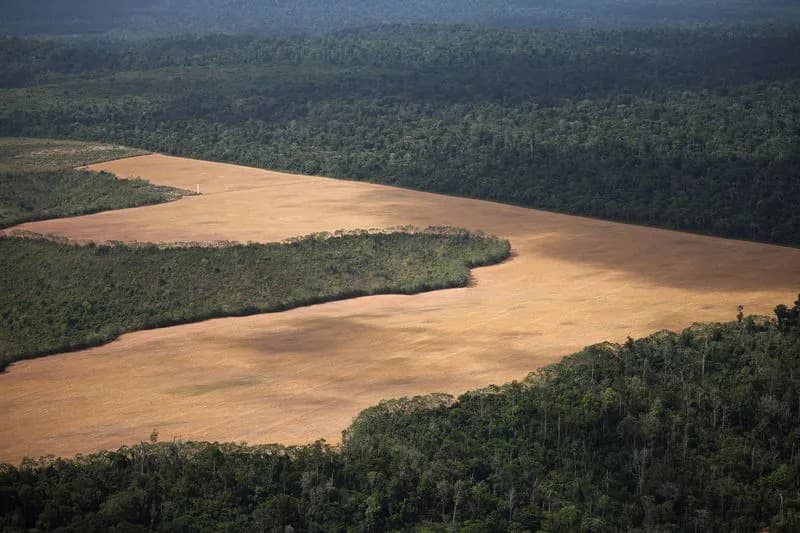
The package will be channelled through the Global Environment Facility to strengthen food and water security and to protect critical ecosystems, including forests in the Amazon and the Congo Basin. The UK government said the investment aims to reduce the likelihood that climate and ecological breakdowns will trigger humanitarian crises, forced migration or economic shockwaves.
Calls To Integrate Climate Into Security Planning
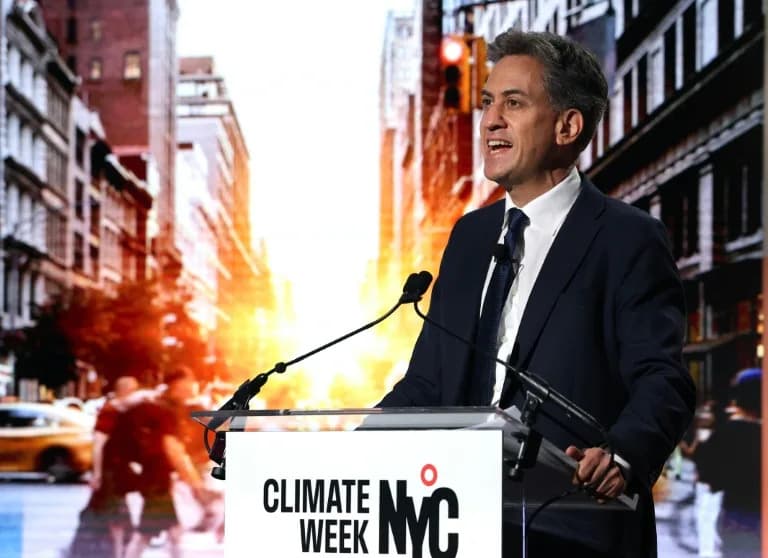
The announcement followed remarks by UK Foreign Secretary Ed Miliband at New York Climate Week, held alongside the UN General Assembly. Miliband urged world leaders to incorporate climate risks and ecological collapse into national security assessments, defence planning and intelligence sharing.
"Countries need to pool information because a shock beginning in one country can rapidly travel through supply chains, financial markets, and migration patterns to other countries," Miliband said.
Why This Matters Now
Officials highlighted the urgency of linking climate and security planning amid volatile energy markets. The Israel–Hamas war and broader tensions in the region have contributed to higher oil and gas prices, prompting some countries to increase coal use — a major emissions source — while others accelerate deployment of solar power and electric vehicles. Those shifts underscore how geopolitics, energy and climate risks are increasingly interconnected.
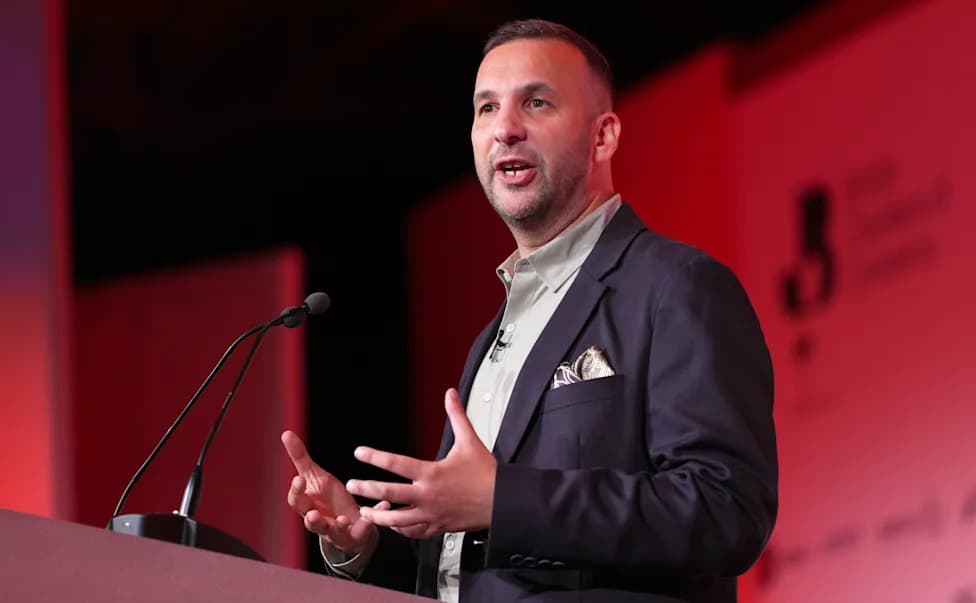
Katie White, the UK minister for climate transition, told reporters at the UN General Assembly that Britain wants to lead efforts to make climate security a policy priority ahead of the COP31 climate summit in Antalya, Turkey, which opens on November 9. She noted that armed forces have long recognised climate change as a "threat multiplier," and that civilian political planning now needs to catch up with defence and security communities.
Exchange Rate: ($1 = £0.7553)
Help us improve.