Turkey has launched a voluntary COP31 initiative urging countries to raise electricity's share of global energy demand to 35% by 2035, presenting the move as a way to shield economies from volatile fossil-fuel prices. The pledge, unveiled in Bonn, is part of a non-binding "action agenda" that seeks practical commitments alongside formal negotiations. Experts emphasize the need to pair electrification with rapid renewable expansion — renewables supplied 34% of global electricity in 2025, surpassing coal — otherwise emissions may not fall.
COP31 Hosts Unveil Voluntary Push To Raise Electricity To 35% Of Global Energy Use By 2035
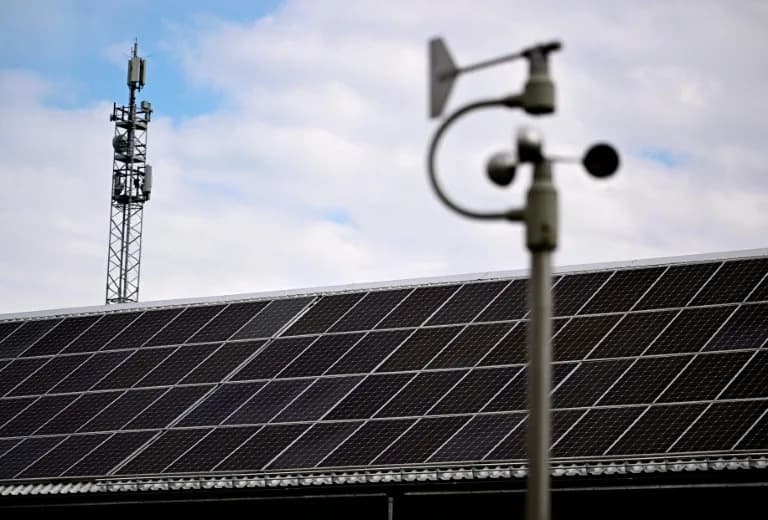
Electrification means replacing technologies that burn fossil fuels directly with electric alternatives. (Tobias SCHWARZ)(Tobias SCHWARZ/AFP/AFP)
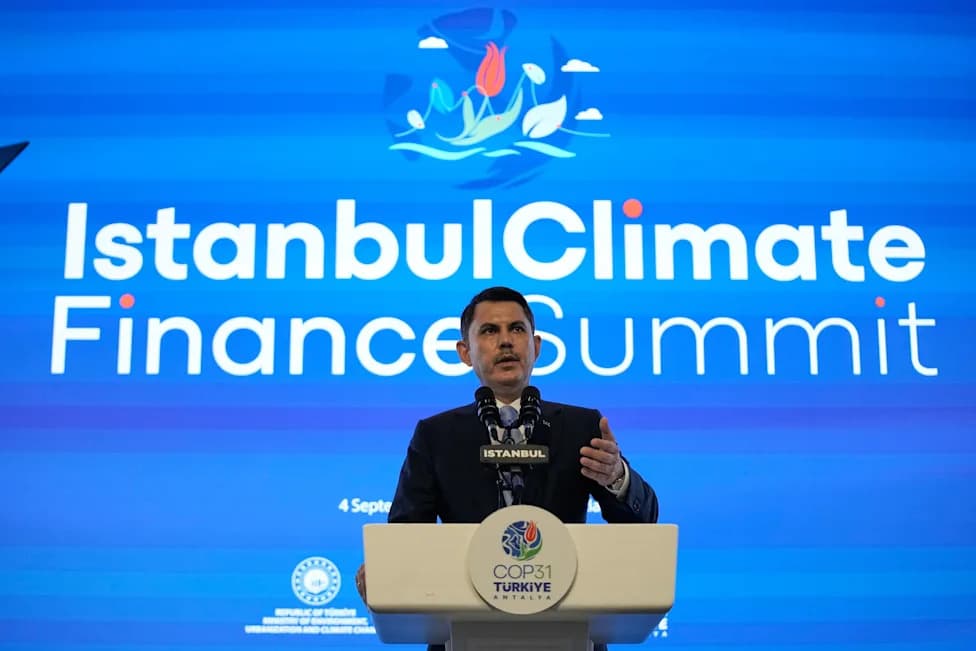
Turkey, the incoming host of COP31, on Tuesday unveiled a voluntary initiative urging countries to boost electricity's share of global energy demand from roughly 20% today to 35% by 2035. The proposal was announced in Bonn as negotiators prepare for the UN climate summit in Antalya in November, against a backdrop of energy market disruption tied to the Middle East conflict.
Turkish organisers described the electrification goal as a "flagship initiative" for COP31, arguing it could help shield households and businesses from fossil fuel price shocks while accelerating the transition to low-carbon energy.
Voluntary Action Agenda
The 35% target is part of the COP31 "action agenda" — a voluntary stream of pledges and initiatives that runs alongside the formal, binding negotiations. That means nearly 200 countries need not formally adopt the number in treaty text; instead the agenda invites non-binding commitments and cooperative initiatives to turn climate promises into on-the-ground action.
Why Electrification Matters
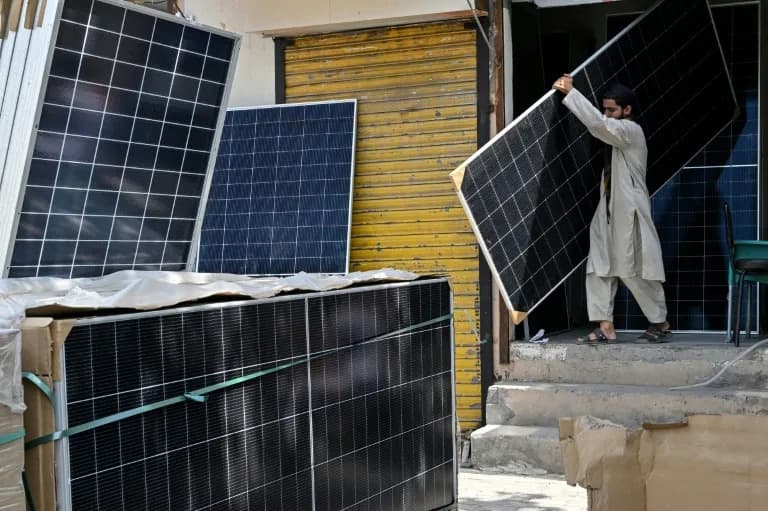
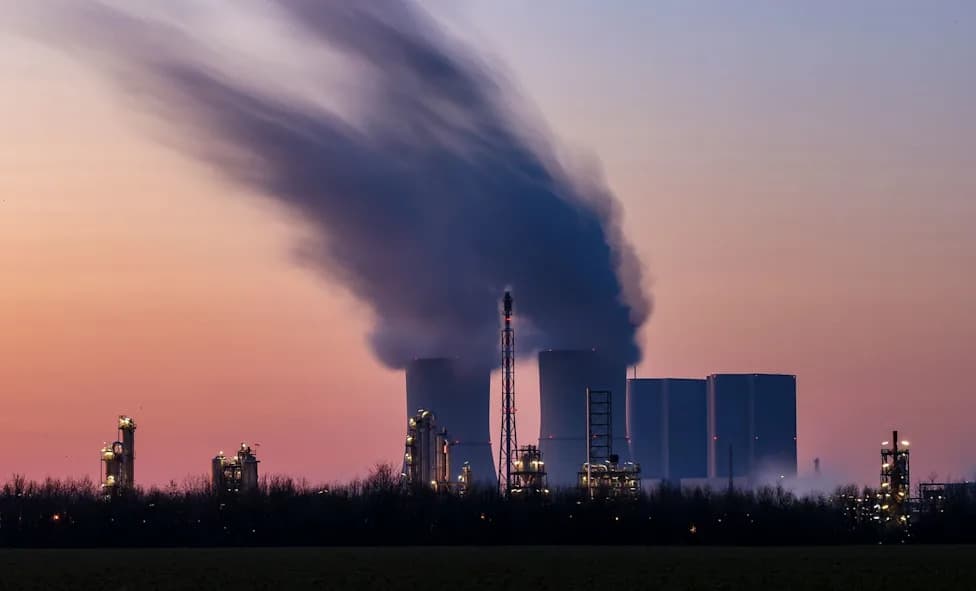
In practice, electrification means replacing devices and systems that burn fossil fuels directly — such as gas heating and diesel vehicles — with electric alternatives. But experts warn that electrification will only reduce greenhouse-gas emissions if the additional electricity comes predominantly from renewables rather than new fossil-fuel generation.
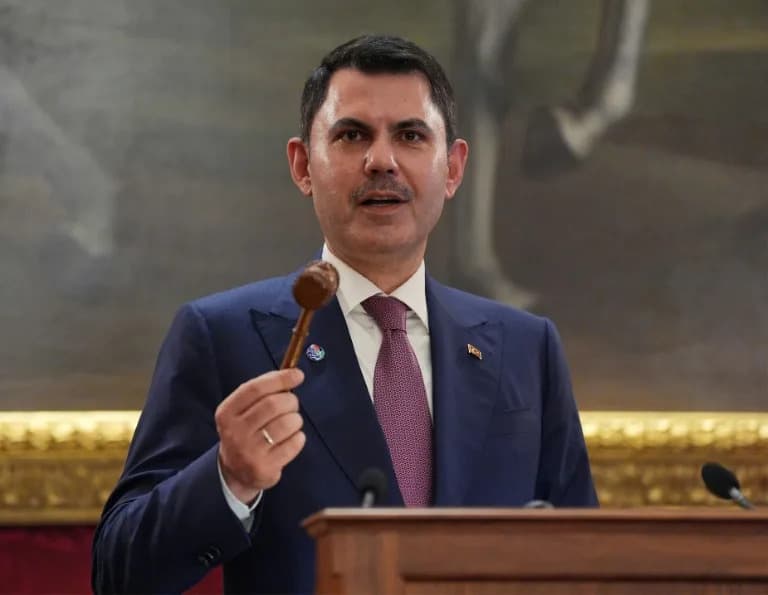
"By electrifying daily life, from transport to buildings and industry, we can protect families and businesses from volatile energy markets," said incoming COP31 president Murat Kurum.
"If you electrify and you increase coal, then what are you doing? You do need to both expand electrification and squeeze fossil fuels out of the electricity system at the same time," said veteran COP observer Alden Meyer of E3G in Bonn.
Turkey's announcement did not specify how the extra electricity should be generated. Independent data from Ember shows renewables reached 34% of global electricity generation in 2025, overtaking coal's 33% share for the first time in a century — a trend advocates say must accelerate to realize the climate benefits of electrification.
Australia, which is co-hosting COP31 with Turkey and leading the formal negotiations, emphasized the dual benefits of electrification. "I see them as different sides of the same coin. Electrification reduces the need for fossil fuels," said Chris Bowen, Australia's climate and energy minister and COP31 negotiations chief.
As climate negotiators in Bonn draft texts and build momentum, the voluntary electrification pledge is intended to mobilize public- and private-sector commitments that can be scaled ahead of the November summit in Antalya.
Help us improve.