Turkey announced that COP31 in Antalya will prioritise the climate impact of artificial intelligence and push technology firms to power data centres with clean energy. The COP31 presidency is drafting a voluntary UN-linked "political pledge" on AI and will showcase pilot projects demonstrating responsible, low-carbon AI. Turkey also proposed a "35x35" target — raising electricity's share of energy demand to 35% by 2035 — and unveiled a tracking mechanism, though critics warn the plan does not require that the extra power come from renewables.
COP31 to Tackle AI's Carbon Footprint and Push Clean Power for Data Centres — Turkey Sets '35x35' Electrification Goal
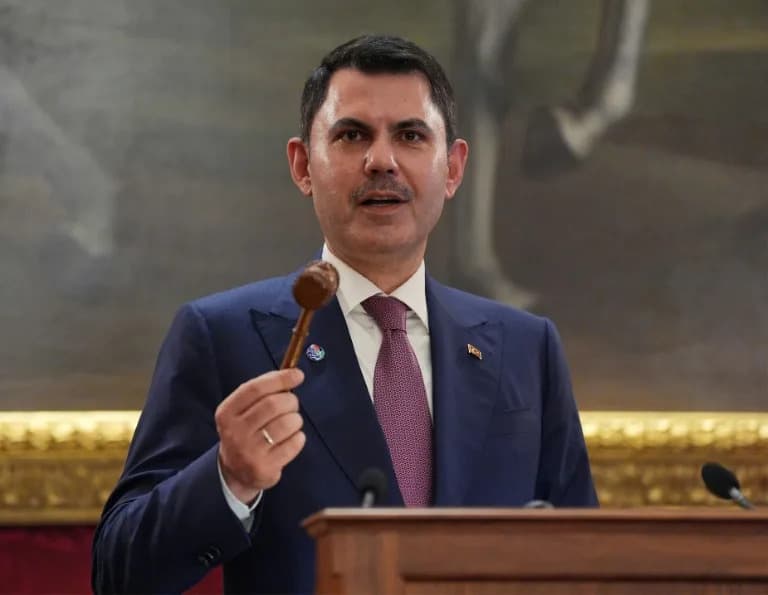
This year's climate summit is being held in Turkey but the negotiations are steered by Australia in a unique co-hosting arrangement (Yui Mok)
Turkey, host of the UN climate summit COP31 in Antalya this November, said it will prioritise the climate impact of artificial intelligence and press technology companies to power data centres with clean energy.
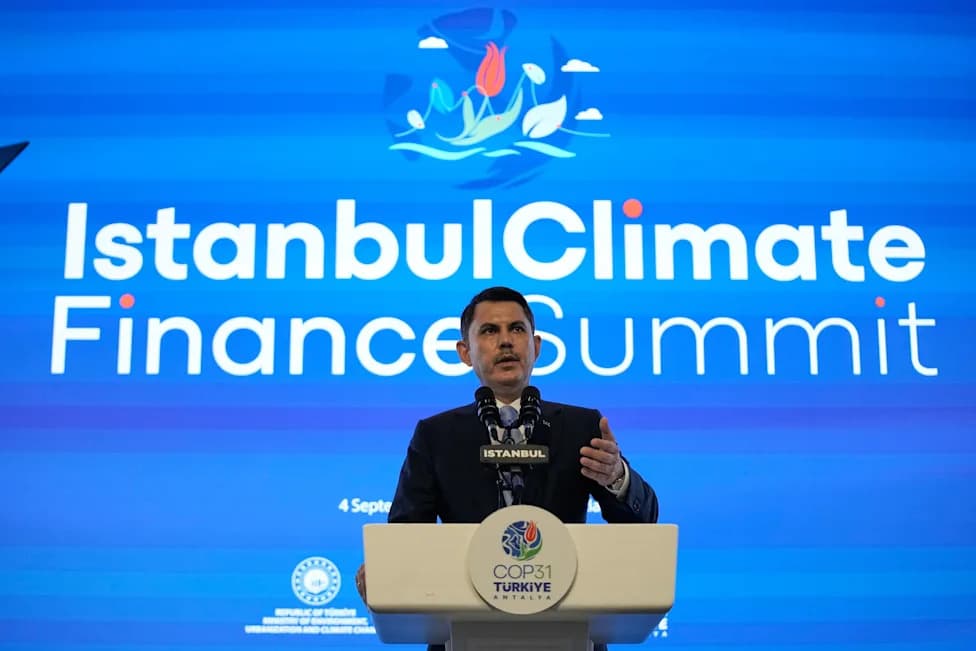
COP31 President and Turkish Environment and Urbanisation Minister Murat Kurum, speaking in New York during Climate Week, said the summit will confront "growing fears over the rise of AI" and its energy demands while urging greater transparency from the private sector.
"COP31 will meet this moment," Kurum said. "We must openly discuss AI's growing energy consumption and it is time for governments to start setting the terms. We expect companies to be transparent about their energy use and to power their operations with clean energy."
The COP31 presidency is working with a United Nations agency to draft a voluntary "political pledge" outlining how AI can support climate goals; a draft is expected to be released ahead of the summit. A second initiative will showcase pilot projects to demonstrate the responsible, low-carbon use of AI in practice.
Officials emphasise the pledge will be voluntary and outside the formal UN negotiation process, which requires consensus among nearly 200 nations. Each COP host typically promotes non-binding commitments as part of a parallel "action agenda." In this unusual arrangement for 2026, Australia will preside over the formal negotiations while Turkey hosts the summit and leads the sideline programme.
Turkey's '35x35' Electrification Target
A central element of Turkey's agenda is a global electrification target — dubbed "35x35" — to raise the share of energy demand met by electricity to 35% by 2035. Electrification means replacing technologies that burn fossil fuels directly, such as gas heating systems and diesel vehicles, with electric alternatives.
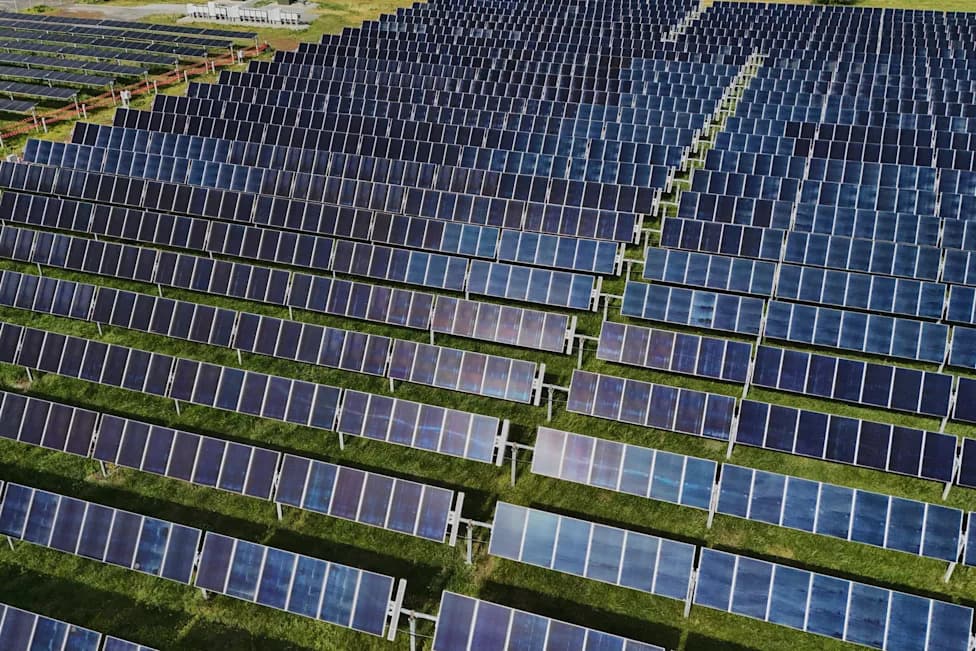
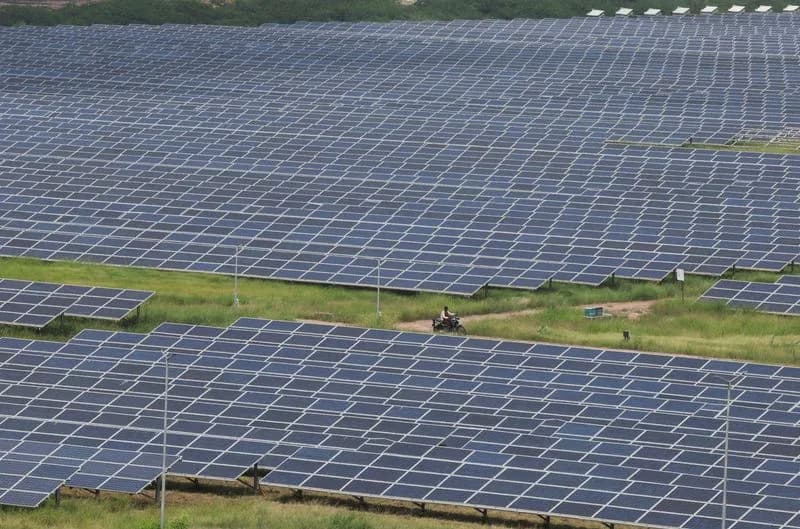
On Monday, Turkey also unveiled a global tracking mechanism to monitor progress toward the electrification goal and related initiatives. Organisers stress that electrification will deliver climate benefits only if the additional electricity comes primarily from clean sources like solar and wind.
About one-third of global electricity is still generated from coal, and Turkey's 35x35 pledge does not explicitly require that new power for electrification come from renewables. "As it stands, the COP31 Presidency's pledge leaves the backdoor open for governments to conceal or justify expanded fossil fuel use under the guise of electrification," said Claire Smith of the campaign network Beyond Fossil Fuels.
Nations remain divided over the pathway for phasing out fossil fuels, and organisers do not expect a major breakthrough on that contentious issue when formal negotiations begin on November 9. Still, Turkey aims to use the summit's spotlight to push for greater corporate transparency on AI energy use and to accelerate the transition to cleaner electricity for data centres and electrified services.
Help us improve.