Eurostat reports: Renewables supplied 54.1% of EU electricity in Q2 2026, with solar the largest single contributor within the renewables mix at 41.6%. Growth in renewable electricity is slowing: year-on-year generation rose modestly and the renewable share has hovered between 41% and just over 56% since early 2025. Significant variation exists between member states, and renewables still account for only 26.2% of total energy use, leaving the EU short of its 2030 target.
EU Hits 54.1% Renewable Electricity — But the Green Boom Is Losing Momentum
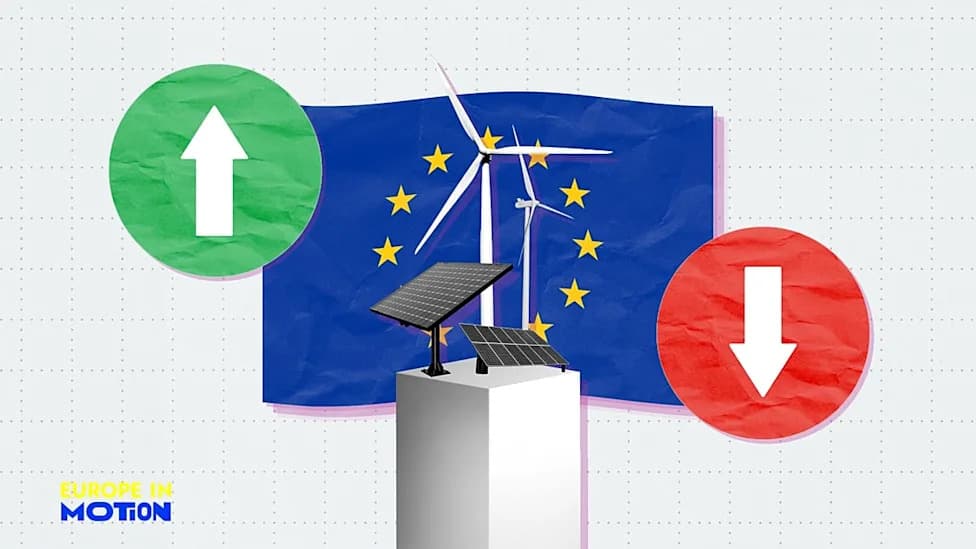
Green electricity: Is Europe's renewable energy boom slowing down?
New Eurostat figures show that 54.1% of the European Union's electricity generation came from renewable sources in Q2 2026. While renewables continue to outproduce fossil-based sources, the pace of additional growth looks to be slowing after a period of rapid expansion.
Key Figures
Renewable Share (Q2 2026): 54.1% of electricity generation in the EU.
Renewable Output Growth: +2.8% year-on-year; Total Generation: +3.2% year-on-year; Gas-Fired Generation: +3.9% year-on-year.
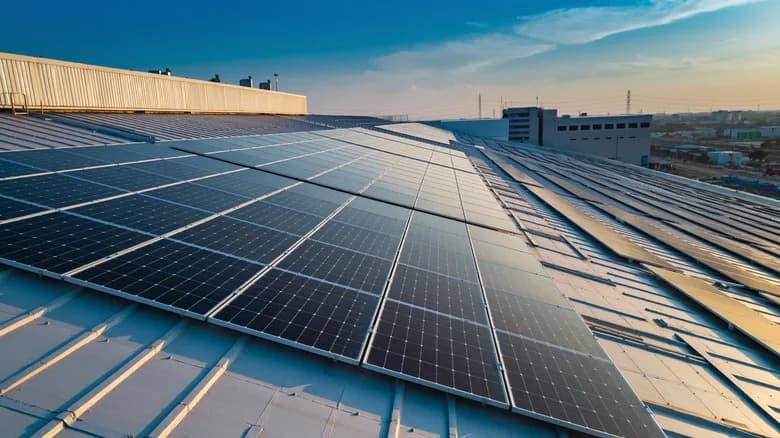
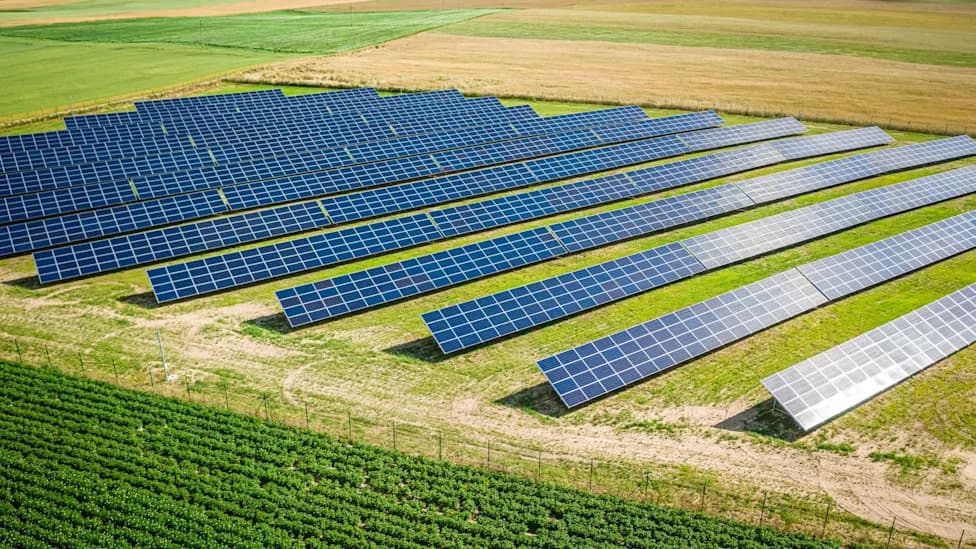
Within the Renewables Mix: solar accounted for 41.6% of renewable electricity, wind 27.7%, hydropower 22.6%, combustible renewable fuels 7.7%, and geothermal/other 0.4%.
What the Numbers Mean
Renewables have become a dominant force in the EU power mix, driven by rapid wind and solar deployment since early 2023 and a strategic pivot away from Russian gas. That transition helped the bloc avoid tens of billions in potential fossil-fuel purchases. However, the renewable share has fluctuated between roughly 41% and just over 56% since the start of 2025, and the Q2 2026 share (54.1%) is only marginally below Q2 2025 (54.3%).
Part of the apparent slowdown reflects that many member states now operate from a higher clean-energy baseline, so adding further percentage points becomes more challenging. Other obstacles include grid and permitting bottlenecks, limited transmission capacity, and political or public resistance in some countries.
Country Differences
There is a wide divide among member states. Latvia leads with 97.7% of its electricity from renewables, powered mainly by hydropower from the Daugava River and widespread household solar. Denmark follows at about 94%, driven by wind, and Croatia records 92.2% predominantly from hydropower. Austria, Estonia, Portugal and Lithuania also rank highly.
At the other end, Slovakia gets just 19.8% of its electricity from renewables, relying on nuclear for about 70% of power, and Czechia reports only 20.9% renewable electricity, with strong dependence on nuclear and fossil fuels.
Broader Energy Picture and Targets
Electricity is only one part of the energy transition. When heating, transport and other final uses are included, renewables accounted for 26.2% of the EU's total energy consumption last year (up from 25.2% in 2024). That remains well below the EU's 2030 target of 42.5% (with an ambition to reach 45%), and far from the overarching goal of climate neutrality by 2050.
Eurostat warns that member states must accelerate deployment and remove bottlenecks to increase the share of renewables in gross final energy consumption by more than 16 percentage points in five years to meet the 2030 goal.
Outlook
The EU's renewable transition has already delivered major gains in energy security and emissions avoidance. Sustaining that momentum will require faster grid upgrades, streamlined permitting, greater storage and flexibility solutions, and continued policy and investment support to overcome remaining infrastructure and political hurdles.
Help us improve.