Germany has submitted a national roadmap to the UN to phase out coal, oil and natural gas by 2045, framing the move as a step toward energy independence, affordability and stronger climate protection. In 2024 fossil fuels still supplied 65% of Germany’s energy, while 98% of oil and 95% of natural gas were imported, costing roughly €76 billion. Officials point to rapid growth in renewables, rising electric mobility and a 2025 heat-pump milestone as evidence the transition is feasible. Environmental NGOs welcomed the plan but warned that subsidies and policy delays still undermine progress.
Germany Submits Ambitious UN Roadmap To Phase Out All Fossil Fuels By 2045
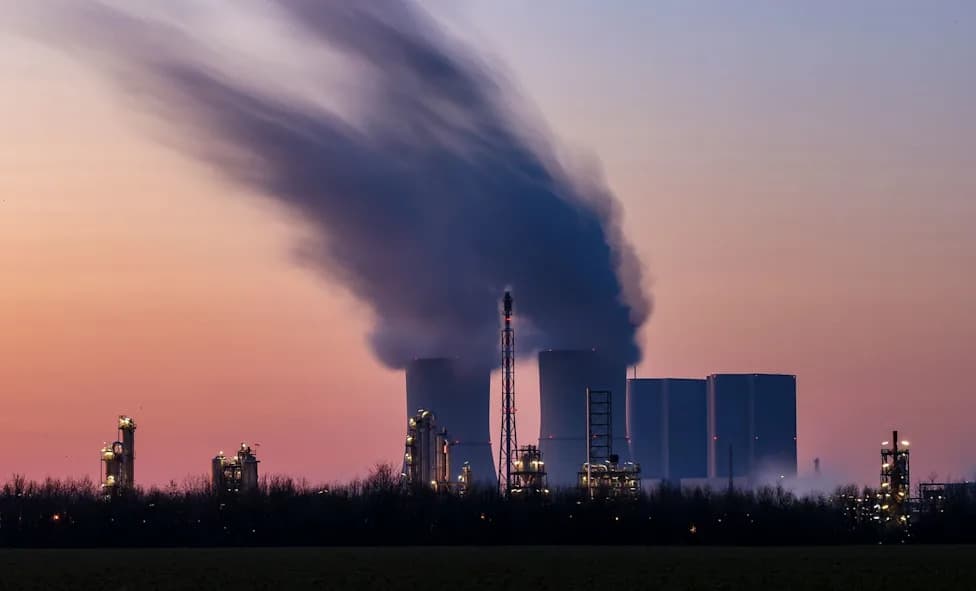
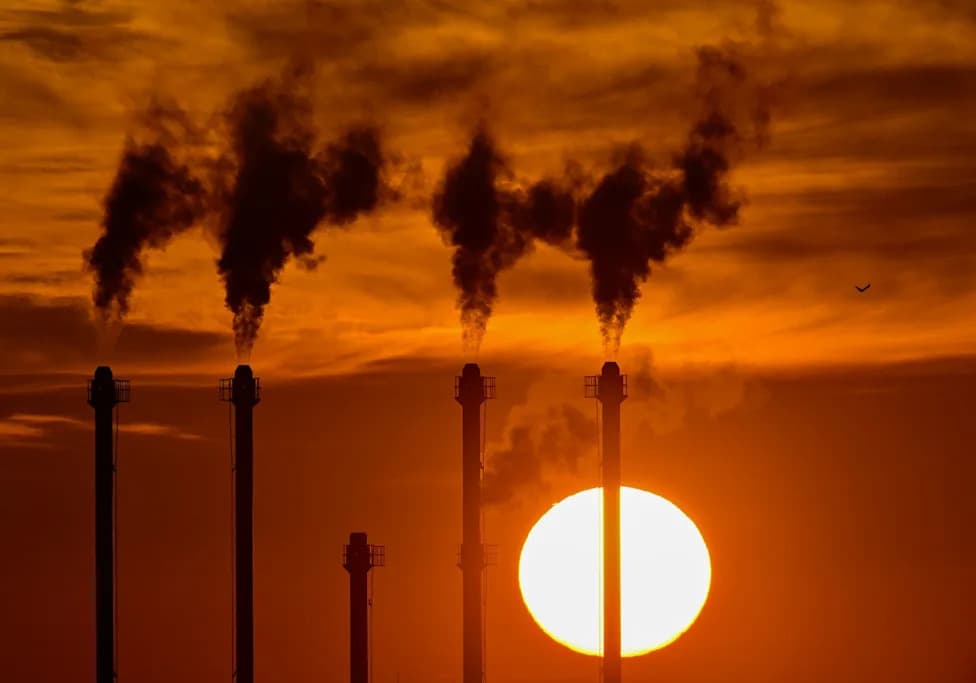
Steam flows out of a lignite-fired power station in Lippendorf near the eastern German city of Saxony in 2022. (is associated with: «Germany provides UN with plan for total fossil fuel phase-out by 2045») Jan Woitas/dpa-Zentralbild/dpa
Germany, Europe’s largest economy, has formally submitted a national roadmap to the United Nations that aims to phase out coal, oil and natural gas by 2045. The plan was presented at the ongoing UN General Assembly in New York and published by the German government.
Overview
Environment Minister Carsten Schneider described the transition as an opportunity to secure independence, affordability and stronger climate protection. He called the roadmap an international example that he expects other countries to follow.
“The shift away from fossil fuels combines independence, affordability, and climate protection.” — Carsten Schneider
Why Germany Says the Shift Is Necessary
In 2024, fossil fuels still accounted for 65% of Germany’s energy consumption. That year Germany imported 98% of its oil and 95% of its natural gas, costing roughly €76 billion ($86.5 billion). Officials say those import bills have risen sharply since due to heightened geopolitical tensions in the Middle East.
Schneider warned that reliance on volatile import routes can affect everyday life: “When the situation at the Strait of Hormuz determines whether people can still afford their daily commute to work, that is not a good state of affairs.” He said the timeline to 2045 is feasible given current trends.
Progress And Context
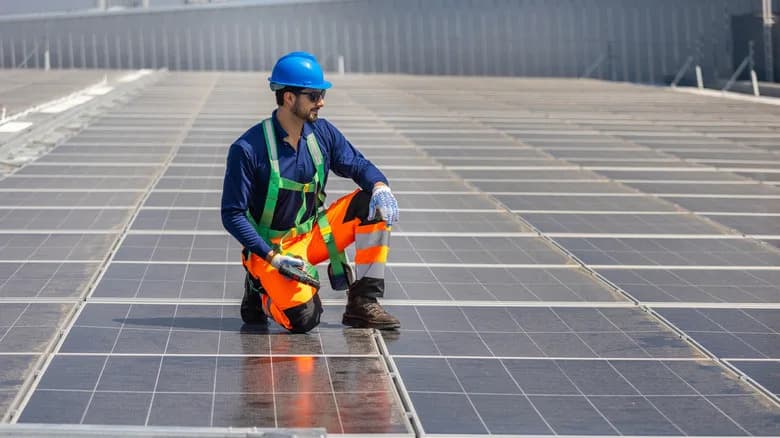
The German government points to accelerating gains in renewable energy deployment and growing uptake of electric vehicles. In 2025, for the first time, sales of heat pumps exceeded sales of gas heating systems — a milestone officials cite as evidence that the heating transition is beginning to take hold.
Internationally, the commitment builds on broad language from the 2023 COP conference in Dubai that called for a gradual move away from oil, coal and gas. However, Dubai and a recent summit in Brazil did not set detailed timelines. In April, a conference hosted by Colombia and the Netherlands brought 57 states — including Germany — together to discuss concrete steps for a phase-out.
Reactions
Environmental organizations BUND, Germanwatch and Greenpeace welcomed Germany’s roadmap as a positive step. Greenpeace energy expert Mira Jäger said the announcement signals renewed international engagement on climate policy but added a sharp critique: the federal government is still subsidizing the oil industry, slowing the heating transition and hindering renewable expansion.
Outlook
The roadmap sets an ambitious national target and frames Germany’s phase-out as both a climate and energy-security measure. Implementation will require sustained policy action, increased renewable deployment, and continued electrification of transport and heating to meet the 2045 deadline.
Help us improve.