The European Commission is considering a post-2030 clean-energy reset that prioritises grid reinforcement, storage and system flexibility over new mandates. A draft impact assessment warns current measures likely fall short of the EU's 2030 and 2040 climate goals: renewables were 26.2% of final energy use in 2025 and national plans project ~41% by 2030 versus a 42.5% target. Constrained grids left over 10 TWh of renewables unused in 2024, and redispatch costs could rise from €4.3bn in 2024 to €26bn by 2030 without action.
EU Plans Post-2030 Clean-Energy Reset as Weak Grids Leave Wind and Solar Stranded
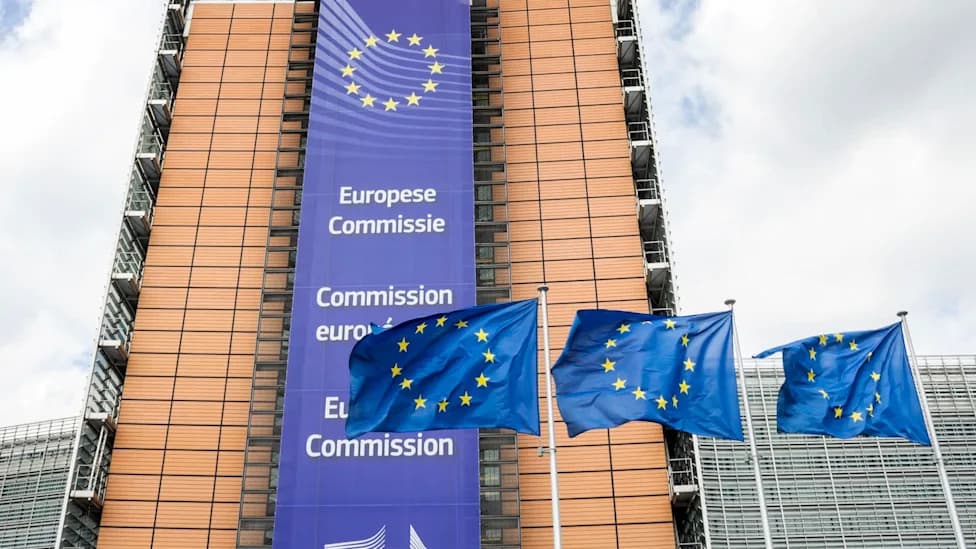
Photo Credit: iStock
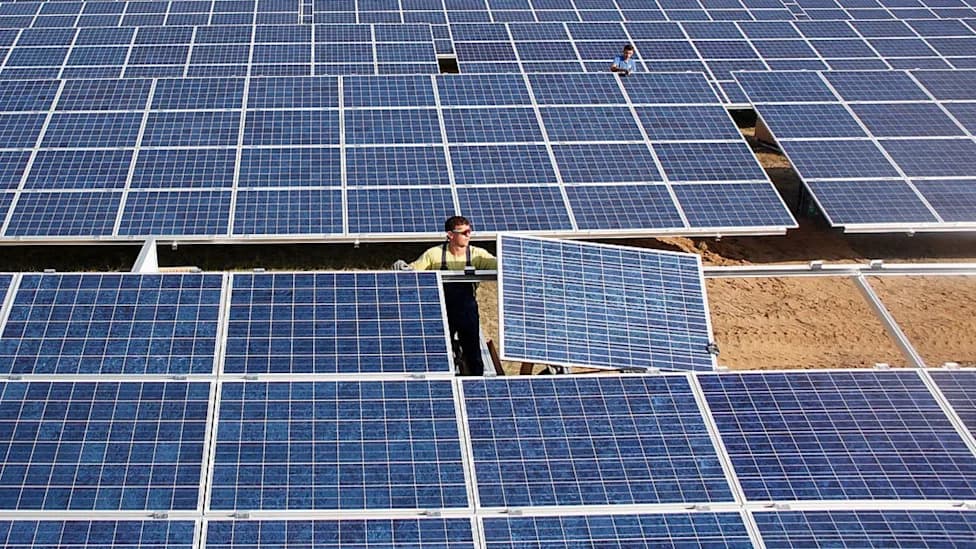
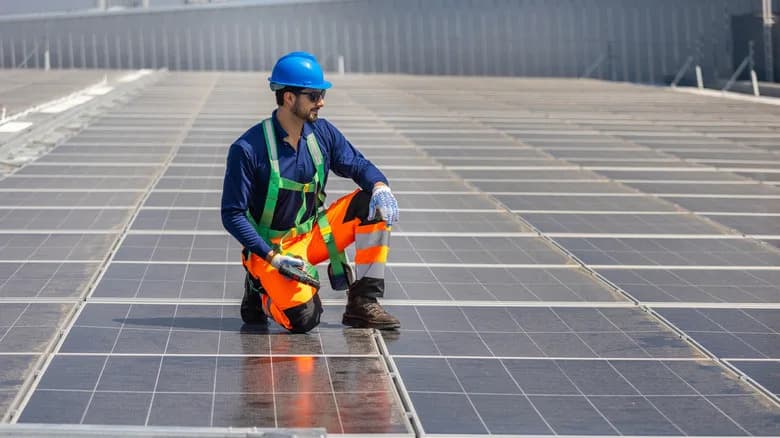
Brussels is preparing a potential reset of the EU's clean-energy strategy after 2030 that would shift emphasis away from adding new mandates and toward strengthening the systems—grids, storage and market arrangements—needed to make large-scale renewable power reliable and usable.
Why a Reset Is Under Consideration
A draft impact assessment reported by Euronews warns that current rules alone are unlikely to meet the bloc's longer-term climate ambitions. Renewables accounted for 26.2% of final energy consumption across the EU in 2025, and existing national plans would raise that share to roughly 41% by 2030—still short of the binding 42.5% target. The Commission says it is not confident that even the 41% trajectory is guaranteed.
“While the situation varies from one member state to another, the current trajectory for renewable energy deployment suggests that even the projected 41% share may be difficult to achieve with current progress at member state level,” the draft assessment says.
Main Bottlenecks: Grids, Storage and Flexibility
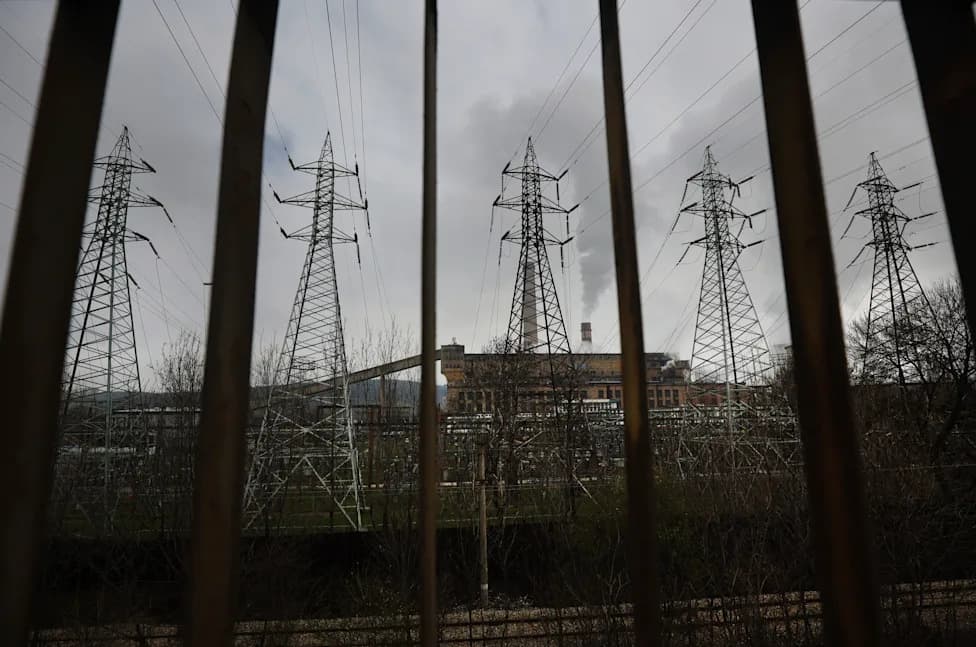
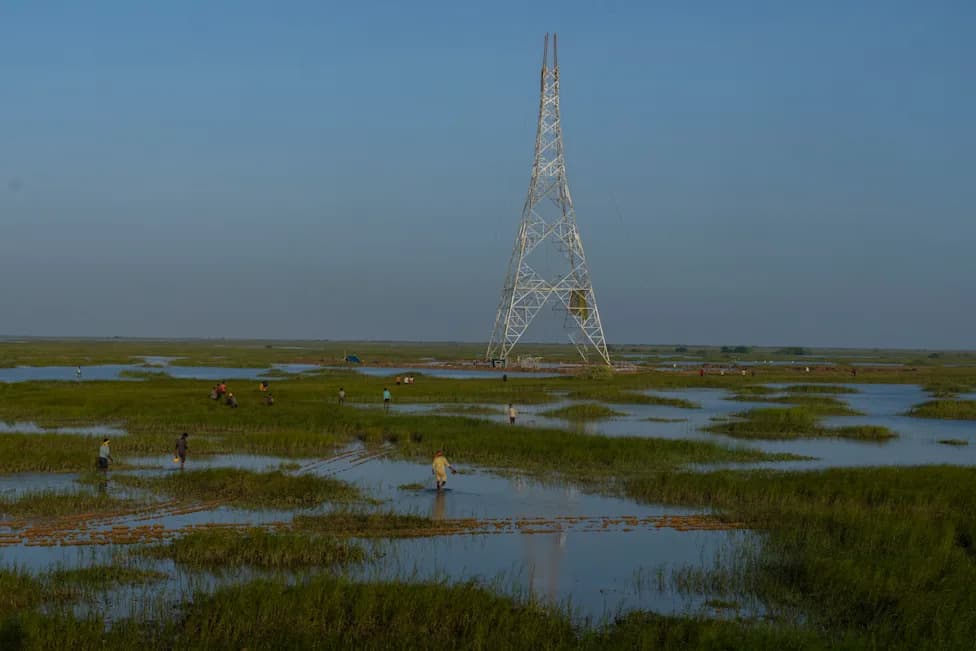
A central message of the draft assessment is that the main constraint is no longer just how much wind and solar are built, but whether the power system can move and use that electricity where and when it is needed. Transmission congestion, limited cross-border interconnection, insufficient storage and low demand flexibility mean low-cost renewable power is often stranded.
In 2024, constrained grids and weak cross-border links left more than 10 terawatt-hours (TWh) of renewable electricity unused—roughly the annual consumption of about 2.85 million European homes. When operators cannot deliver cheap renewable energy, they resort to redispatch and other costly measures. The Commission estimates redispatch costs at about €4.3 billion (~$4.9 billion) in 2024 and warns these costs could rise to roughly €26 billion (~$29.9 billion) a year by 2030 without further action.
Policy Tools and Proposed Responses
Rather than piling on new targets, the draft prioritises:
- Improved implementation of existing rules and greater regulatory stability.
- Better tracking and reporting of curtailment to understand where renewables are wasted.
- Clearer frameworks for hybrid projects that pair renewables with storage and rules that recognise co-located assets.
- Stronger incentives and market signals to attract investment in flexibility options—batteries, demand response, hydrogen, and grid upgrades.
- Greater coordination on long-term infrastructure planning to identify cross-border grid needs early.
The draft also highlights electric vehicles and smart charging as practical, near-term tools to shift demand and help balance the system.
Politics And Next Steps
EU lawmakers are already advancing grid-focused legislation. The European Parliament has backed a more centralised approach to long-term infrastructure planning that would task the European Commission with mapping the bloc's future energy system and identifying priority grid needs. Some member states may resist parts of that plan on sovereignty grounds.
Stakeholders such as Veerle Dossche from Climate Action Network Europe say the impact assessment makes a strong case for an ambitious post-2030 renewables target, but delivery must be backed by robust national contributions, clear trajectories, measurable KPIs and effective compliance mechanisms so early warnings trigger corrective action.
Bottom Line
The Commission appears to be pivoting from adding more quantitative mandates to building the practical infrastructure, markets and governance needed to turn growing wind and solar capacity into dependable, affordable power. How quickly member states and investors respond will determine whether the EU can meet its 2030 and 2040 objectives without expensive electricity-dispatch inefficiencies.
Help us improve.