China used more than 10 trillion kWh in 2025. For the first time in a decade, coal generation failed to grow in over half of China’s provinces as rapid expansion of solar, wind and battery storage reduced demand for fossil-fuel electricity. Heavy industries and transport electrification — including a historic majority for passenger EVs in 2025 — have helped, but coal still dominates and sustained renewables construction plus grid upgrades will determine how quickly coal is displaced.
Why Coal Power Stalled Across Half of China in 2025 — Renewables and Storage Are Making the Difference
Liu Mingzhu/Getty Images
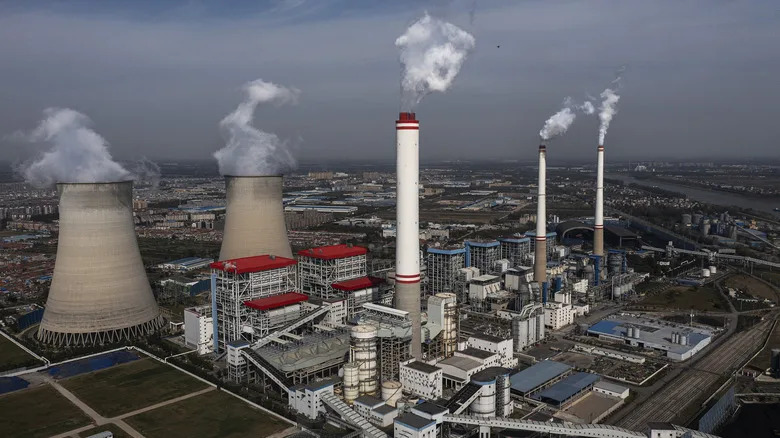
China remained the world's largest electricity consumer in 2025, using more than 10 trillion kWh — well over double U.S. consumption. That vast demand has been met with rapid expansion in both fossil-fuel capacity and record-setting renewable projects. A recent report from Ember Energy, however, shows an important inflection: coal-fired generation did not increase in more than half of China’s provinces in 2025 for the first time in a decade.
Why Coal Output Plateaued
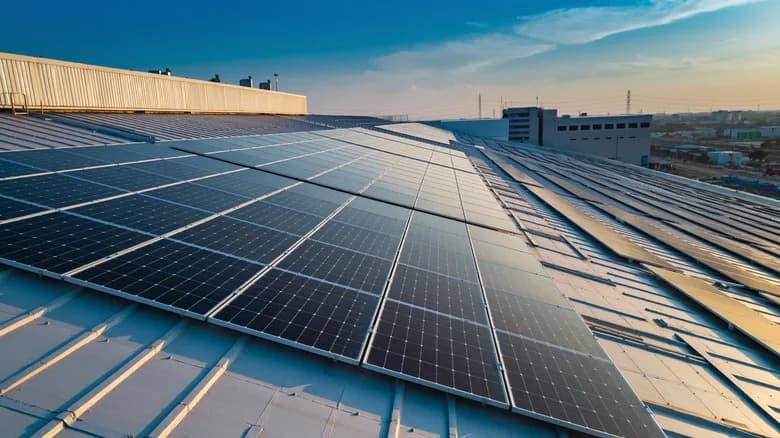
This plateau was not driven by falling electricity demand. Instead, fast deployment of solar, wind and battery storage reduced the need for additional fossil-fuel generation. As manufacturing and heavy industry electrify, a growing share of that electricity is coming from cleaner sources rather than prompting a new wave of coal build-out.
Getty Images/Getty Images
Renewables + Storage = A More Flexible Grid
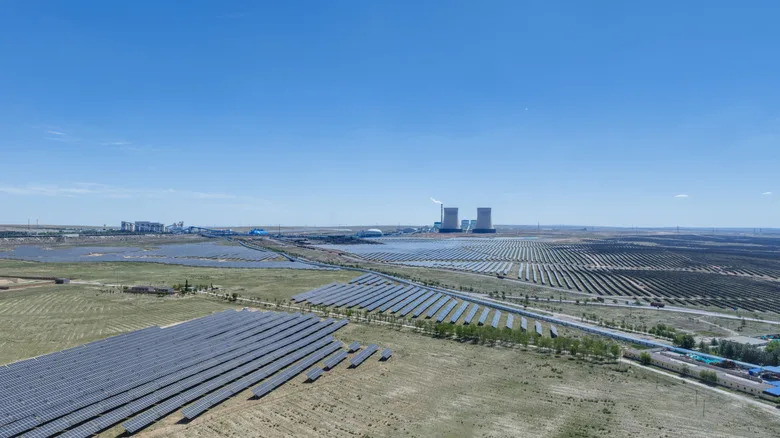
China has invested heavily in large-scale battery storage to smooth the intermittency of solar and wind. Solar panels produce peak output for limited hours and wind varies with weather; storage helps maintain reliable supply during generation lulls and allows renewables to displace coal at times of high clean output.
Electrification Is Changing Industrial Demand
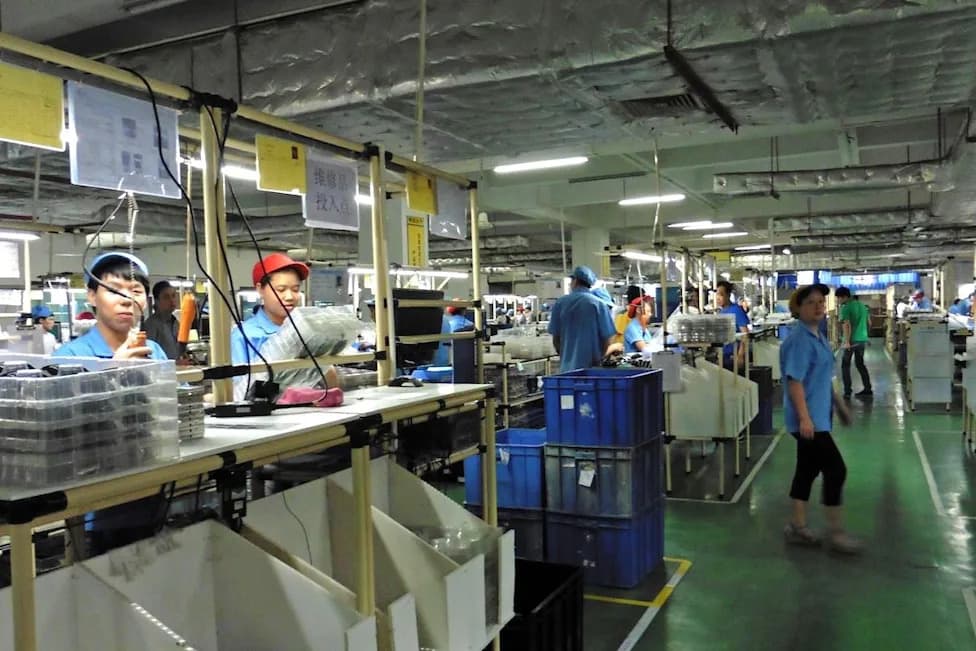
Several industrial sectors have sharply reduced their reliance on fossil-fuel electricity. Ember’s analysis finds textile production, machinery manufacturing and even fossil-fuel extraction have cut fossil-fuel electricity use by more than 66% from their historical peaks. By contrast, China’s electronics sector and mineral processing have increased fossil-fuel consumption.
chuyuss/Shutterstock
Transport Is Accelerating the Shift
Electric vehicles are a major factor. In 2025, 26% of new truck sales in China were all-electric, and passenger EVs exceeded 50% of new-car sales — the first year EVs outsold combustion models in China. For context, EVs accounted for roughly 10% of new-car sales in the U.S. that year.
Big Gains, Big Challenges
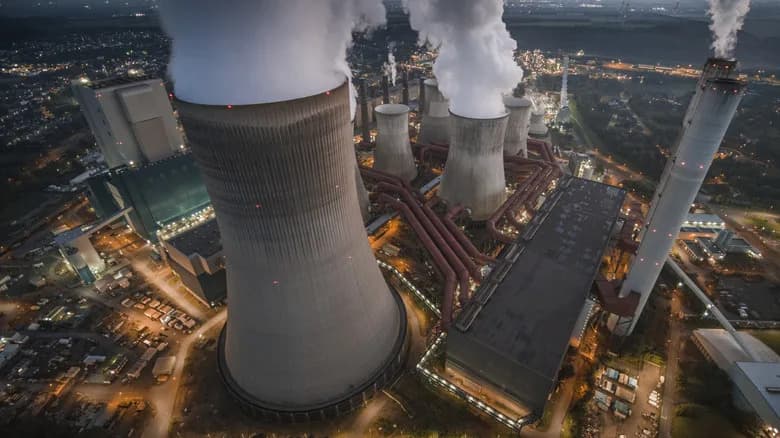
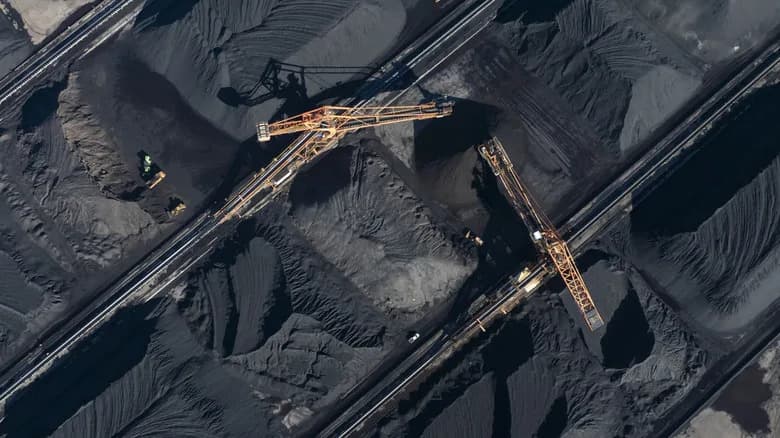
Despite the positive signs, coal still dominates China’s power mix. IEA data show emissions from coal combustion rose 248% between 2000 and 2023, and China still operates the world’s largest fleet of coal-fired plants. In 2023 about 75% of coal power use went to industrial consumers.
Looking ahead, the IEA projects electricity demand to grow at just under 5% per year from 2026 to 2030. Whether renewables can fully displace coal depends on sustained rates of renewables deployment plus rapid expansion of transmission, integration and storage. Replacing a single coal plant requires well over a million solar panels and substantial grid upgrades to deliver power reliably.
Solar-plant construction slowed in the first half of 2026, but Chinese exports of renewable-energy technology rose year-on-year — a trend that strengthens global demand for Chinese clean-energy products and helps sustain the domestic renewables industry even while coal remains the single largest source of power today.
Bottom line: Rapid growth in solar, wind, battery storage and electrification is starting to bend China’s coal trajectory, but replacing coal entirely will require continued build-out of renewables, huge grid investments and careful integration to keep power reliable as demand grows.
Help us improve.